Red Light Therapy vs Sauna: Which Is Better for Recovery and Skin?

Red Light Therapy vs Sauna: Which Is Better for Recovery and Skin?

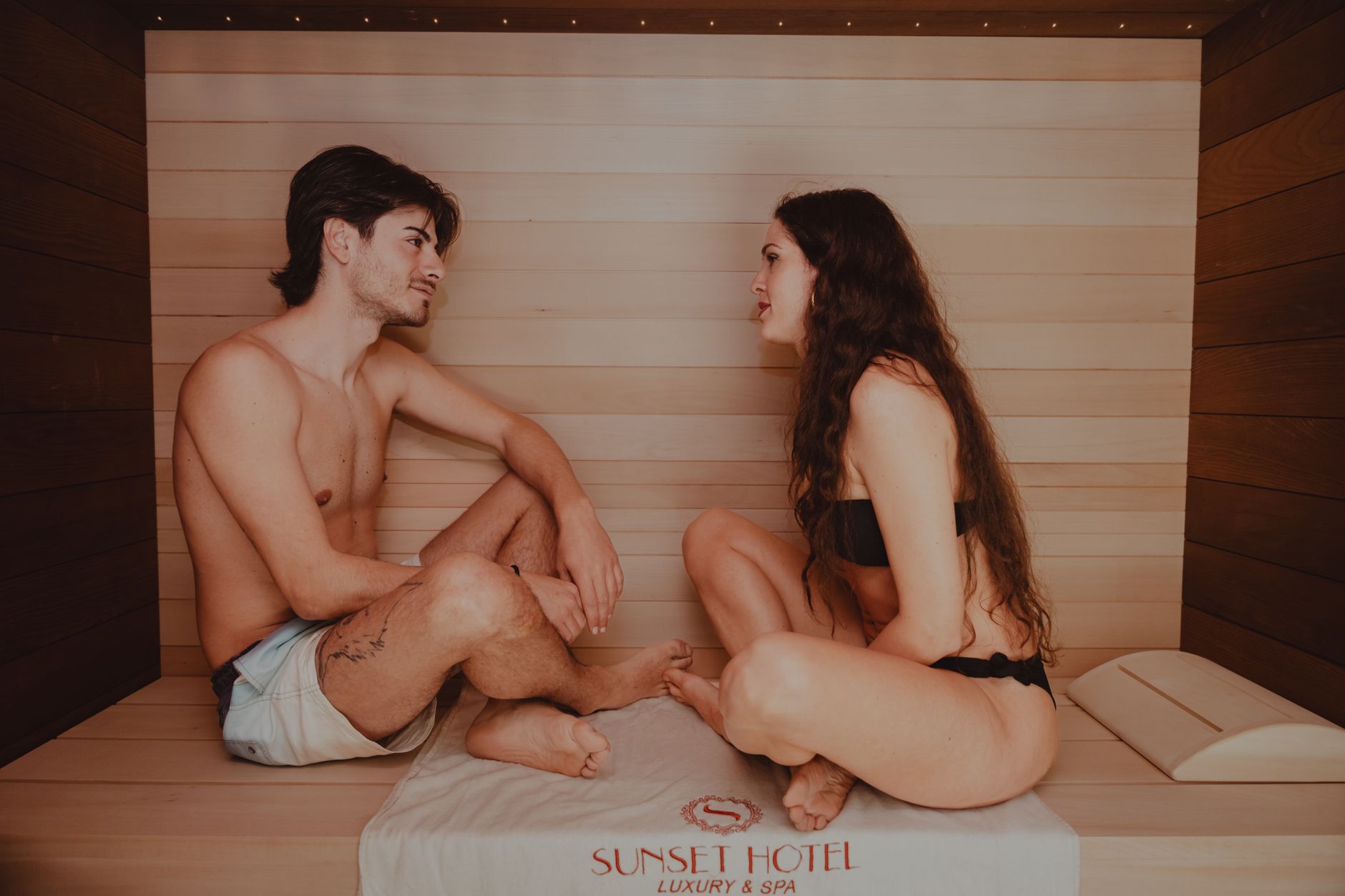
Quick Answer: Red light therapy uses low-level light wavelengths to increase cellular energy and collagen production without meaningful heat. Sauna raises core body temperature to improve circulation, trigger heat shock proteins, and promote sweating. For targeted skin concerns and local tissue healing, choose red light. For whole-body cardiovascular conditioning and heat adaptation, choose sauna. You can also combine them on separate days or in sequence. Red light therapy and sauna are often grouped together in recovery conversations. Both show up in gyms, wellness clinics, and home setups. Both are marketed for muscle recovery, skin health, and relaxation. But the way they affect the body is very different. Red light therapy uses specific wavelengths of light to change how cells produce energy. A sauna uses hot air or infrared heat to raise your core temperature. Understanding that gap helps you choose the right tool for your goal. Choosing wrong can waste time and money. Choosing right can sharpen your recovery routine. The decision depends on whether you need local light exposure or whole-body heat stress. ...

September 4, 2026 · 11 min · Jarrod Gravison
Cold Plunge vs Cold Shower: Temperature, Benefits, and Which Wins

Cold Plunge vs Cold Shower: Temperature, Benefits, and Which Wins

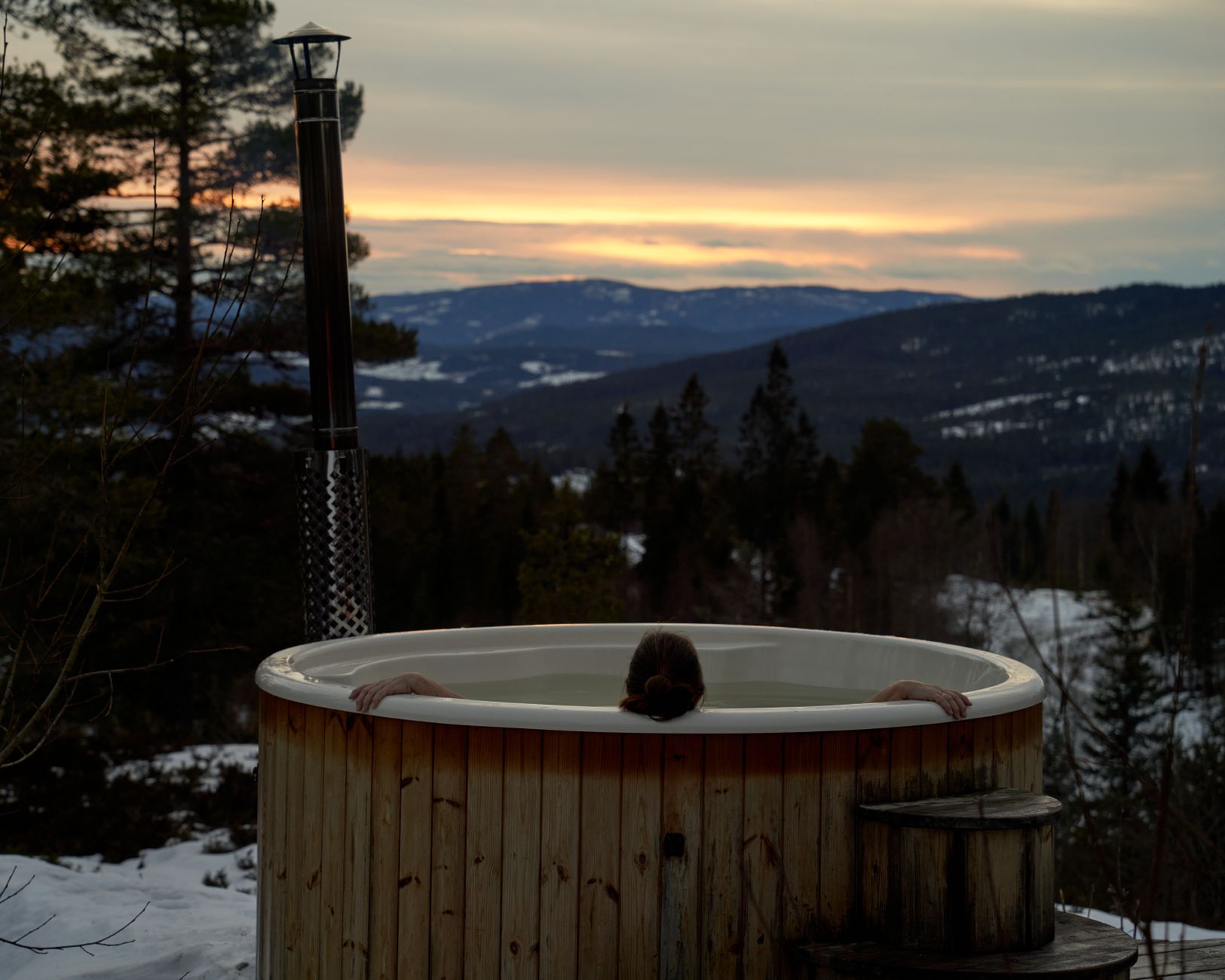
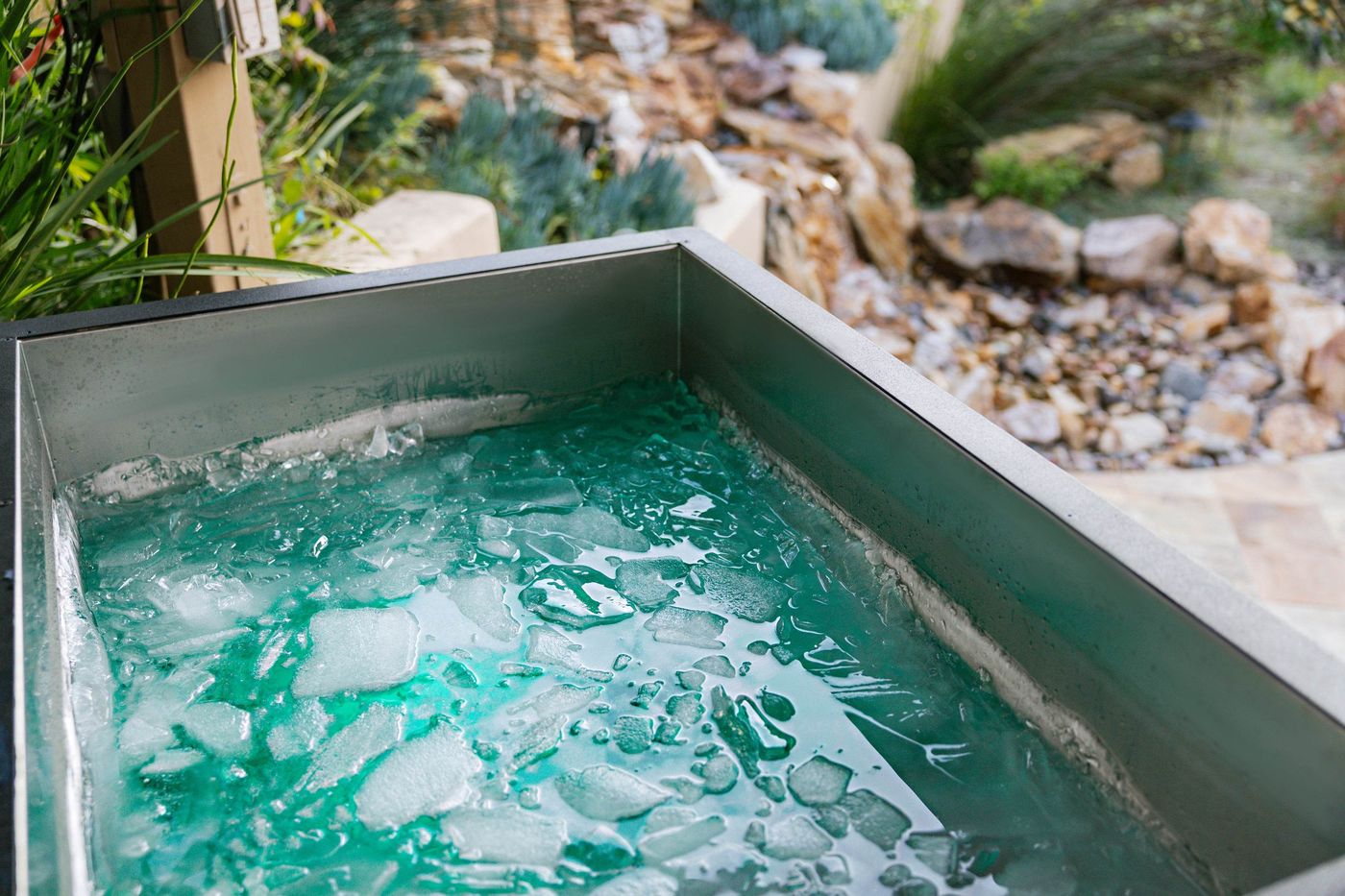
Quick Answer: A cold plunge usually sits between 50 and 59 degrees Fahrenheit and covers most of the body fast. A cold shower is warmer, often 60 to 70 degrees, and less consistent. Cold plunges create a stronger physiological response, but cold showers are more accessible and safer for beginners. The better method depends on your goals, budget, and tolerance. Cold showers are easy. Cold plunges are intense. Both use cold water to trigger physiological changes, but not equally. A cold shower usually runs from a municipal supply around 50 to 70 degrees Fahrenheit depending on season and region. A cold plunge is deliberately chilled to a narrow range, often 50 to 59 degrees Fahrenheit. That difference may sound small, but even a few degrees change how skin receptors, blood vessels, and the nervous system respond. Which one is better? The answer depends on how much cold stress you want and how much setup you can handle. ...

September 4, 2026 · 12 min · Jarrod Gravison
Does Cold Plunge Lower Cholesterol? What Research Shows

Does Cold Plunge Lower Cholesterol? What Research Shows

Quick Answer: Cold plunging can trigger short-term cardiovascular and metabolic responses, including temporary increases in heart rate, blood pressure, and norepinephrine. But evidence that it directly lowers LDL or raises HDL in humans is limited. Most heart-related benefits linked to cold exposure are indirect, such as better insulin sensitivity and lower inflammation. Do not use cold plunging as a cholesterol treatment. Cold plunging has grown from an athlete recovery habit into a mainstream wellness ritual. Many people now wonder whether a few minutes in cold water can change blood cholesterol and reduce cardiovascular risk. Cholesterol is a waxy fat that travels in the blood and contributes to arterial plaque. The idea that cold immersion could improve a lipid panel is appealing because it sounds simple and natural. But the science is not settled. We need to separate acute physiological stress from long-term cholesterol lowering. ...

September 4, 2026 · 11 min · Jarrod Gravison
Sauna Longevity and Heart Health: Finnish Cohort Research Explained

Sauna Longevity and Heart Health: Finnish Cohort Research Explained

Quick Answer: Finnish cohort studies associated frequent sauna bathing with lower cardiovascular and all-cause mortality. Compared with one weekly session, four to seven sessions were linked to a 40 percent lower all-cause death rate over about two decades. This is observational evidence, not proof. Heat stress triggers heart and vascular adaptations that may explain the association. For decades, sauna bathing has been a cultural staple in Finland. Many people use it for relaxation and social connection. But researchers noticed something striking in long-running Finnish health data. Regular sauna users seemed to have fewer fatal heart events. That observation led to formal cohort studies, including the Kuopio Ischemic Heart Disease Risk Factor Study. This research now shapes conversations about sauna longevity and heart health. The data do not prove cause, but they offer a strong signal. Heat exposure may be more than a comfort ritual. ...

September 4, 2026 · 11 min · Jarrod Gravison
Does Cold Plunge Actually Work? An Evidence Review

Does Cold Plunge Actually Work? An Evidence Review

Quick Answer: Cold plunging works best for reducing perceived muscle soreness after hard training, with modest mood and stress benefits. The strongest evidence supports short cold water immersion at 50 to 59 degrees Fahrenheit for 1 to 5 minutes. Metabolism, fat loss, detox, and immunity claims are weak. Avoid cold plunging immediately after strength training if muscle growth is the priority. Cold plunging has moved from elite sport into mainstream recovery culture. You now see portable tubs, backyard chest freezers, and group plunge events promising faster recovery, better mood, sharper focus, and a stronger immune system. But does cold plunge actually work? The answer is not a simple yes or no. It depends on which benefit you are chasing and how you measure it. Some claims are supported by controlled research. Others rely on small studies, animal data, or social media testimonials. This article separates proven outcomes from hyped ones so you can decide whether cold plunging belongs in your routine. ...

September 4, 2026 · 11 min · Jarrod Gravison
Cold Plunge vs Cryotherapy: Which Does Research Support?

Cold Plunge vs Cryotherapy: Which Does Research Support?

Quick Answer: Cold plunge has stronger research for reducing delayed onset muscle soreness, while whole body cryotherapy shows mixed results and often relies on subjective relief. For most people, cold plunging is more practical, repeatable, and affordable. Choose cold plunge for regular recovery. Choose cryotherapy only if you prefer brief dry cold and have clinic access. Cold plunge and whole body cryotherapy both promise faster recovery, less muscle soreness, and a sharper feeling after training. They use cold in very different ways. A cold plunge immerses your body in water, usually between 50 and 59 degrees Fahrenheit. Whole body cryotherapy exposes you to dry air that can drop below minus 200 degrees Fahrenheit for two to four minutes. People often assume the more extreme the cold, the better the recovery. That assumption does not hold up when you look at how heat transfer, skin temperature, and core temperature respond. Research suggests the method of cold exposure changes the physiological response. ...

September 4, 2026 · 11 min · Jarrod Gravison
Red Light Therapy Statistics: 2025 RCT and Efficacy Data

Red Light Therapy Statistics: 2025 RCT and Efficacy Data

TL;DR: Red light therapy is backed by more than 1,800 published clinical studies, including 392 randomized controlled trials. Meta-analyses report a 34% average pain reduction, a 23% faster muscle force recovery at 24 hours, and effect sizes from 0.3 to 0.8. Largest effects appear for wound healing, acne, and androgenetic alopecia. Red light therapy now sits at an odd intersection: a wellness tool with spa-level marketing and a body of clinical research that keeps growing. A March 2025 PubMed Clinical Queries search returns 1,843 published studies using the terms photobiomodulation or low-level laser therapy. Of those, 392 are randomized controlled trials. That volume matters because it moves the conversation past whether the modality works in a lab and toward which protocols work best. For a closer look at skin-facing evidence, see our red light therapy for skin breakdown. ...

September 4, 2026 · 8 min · Jarrod Gravison
Cold Plunge Safety Statistics: Adverse Events and Cold Shock Data

Cold Plunge Safety Statistics: Adverse Events and Cold Shock Data

TL;DR: Cold water immersion is safe for most healthy adults when sessions are short and supervised. Cold shock triggers a gasp, rapid breathing, and heart rate spike in the first 30 seconds. Drowning risk peaks in the first 1 to 3 minutes. People with uncontrolled heart disease, long QT syndrome, or severe hypertension should avoid cold plunge without medical clearance. Cold plunge use has grown fast as recovery culture embraces cold plunge benefits. But cold water immersion is not a harmless habit. The body’s first response to cold water can kill before hypothermia begins. Understanding safety statistics helps users set realistic limits. ...

September 4, 2026 · 8 min · Jarrod Gravison
Cold Plunge vs Sauna: Heart Rate, Circulation, Effect Sizes

Cold Plunge vs Sauna: Heart Rate, Circulation, Effect Sizes

TL;DR: Cold plunge produces a sharper acute spike: heart rate hits 100-120 bpm and norepinephrine rises about 530%. Sauna drives a higher sustained heart rate, often 100-150 bpm, plus a 60-70% increase in cardiac output. Cold wins on acute catecholamines, sauna wins on repeated cardiovascular conditioning and blood pressure support. Cold plunge and sauna both create controlled thermal stress. They push heart rate, blood flow, and hormones in opposite directions. Cold plunge benefits include rapid vasoconstriction and a large norepinephrine release. Modern best cold plunge tubs 2026 let users repeat that stress at home. The data matter more than the trend. ...
September 4, 2026 · 9 min · Jarrod Gravison
Red Light Therapy for Skin and Collagen: What Research Shows

Red Light Therapy for Skin and Collagen: What Research Shows

Quick Answer: Red light therapy uses low-level red and near-infrared wavelengths to stimulate cellular energy production and may support collagen synthesis. Some controlled studies show improvements in fine lines, skin texture, and skin tone. Results depend on wavelength, dose, device quality, and consistency. It is not a proven replacement for sun protection or medical dermatology. Red light therapy has moved from dermatology offices into home devices, LED masks, and recovery studios. The appeal is straightforward. You expose skin to specific wavelengths of red or near-infrared light. The goal is not heat. The goal is photobiomodulation, or light energy that cells can use. Many people who already use cold plunge tubs or saunas also ask about red light because visible skin changes can feel like a recovery milestone. Research is ongoing, but the evidence for modest skin improvements is stronger than the evidence for many wellness trends. This article separates what is known from what is still noise. ...

September 4, 2026 · 11 min · Jarrod Gravison
Sauna and Blood Pressure: Is It Safe With High Blood Pressure?

Sauna and Blood Pressure: Is It Safe With High Blood Pressure?

Quick Answer: Sauna use can be safe for many people with controlled high blood pressure. Heat widens blood vessels and raises heart rate, so blood pressure often falls after a session. Sauna is not a treatment for hypertension. If your blood pressure is uncontrolled, you have unstable heart disease, or you feel dizzy, talk with your doctor first. Many people assume a hot sauna makes blood pressure rise. The reality is more nuanced. Heat causes blood vessels near your skin to widen, which can lower resistance to blood flow. At the same time, your heart rate increases. This creates a temporary cardiovascular load that feels like moderate exercise. For most healthy people, the body adapts quickly. ...

September 4, 2026 · 11 min · Jarrod Gravison
How to Keep Cold Plunge Water Clean and Sanitized on Schedule

How to Keep Cold Plunge Water Clean and Sanitized on Schedule

Quick Answer: Keep cold plunge water clean by using a skin-safe sanitizer like food-grade hydrogen peroxide at 50 to 100 ppm, showering before each plunge, filtering daily, and testing pH twice a week. Change water every 2 to 4 weeks for a 100-gallon home tub, or sooner if cloudy, smelly, or foamy. Never rely on cold temperature alone. Dirty cold plunge water is not a minor annoyance. Sweat, skin cells, lotion, and algae settle in your tub after just a few sessions. Cold water slows bacterial growth, but it does not stop it. Harmful bacteria and biofilm can still form on tub walls, pipes, and filters. If you ignore water care, you risk skin rashes, bad odors, and lung irritation from mist. This guide shows you how to keep cold plunge water clean with a simple routine. Clean water matters because cold plunge benefits depend on a safe, sanitary soak. ...
September 4, 2026 · 16 min · Jarrod Gravison
Cold Plunge Before or After Sauna: The Correct Contrast Therapy Order

Cold Plunge Before or After Sauna: The Correct Contrast Therapy Order

Quick Answer: For most contrast therapy sessions, use the sauna first and follow it with a cold plunge. Heat opens blood vessels, then cold constricts them, creating a stronger circulation pump. This order supports the traditional contrast therapy goal. You can reverse it for alertness or personal preference, but start with hot for recovery. The order of sauna and cold plunge feels simple, but it changes how contrast therapy hits your body. Most recovery routines put the sauna first and the cold plunge second. This is not an arbitrary gym rule. It follows a basic vascular pattern: heat dilates blood vessels and cold constricts them. When you move from heat to cold, blood is pushed through tissues like a pump. Many athletes say this helps their legs feel fresher after training. You can learn the reasoning without needing a physiology degree. What matters is that the sequence influences core temperature, heart rate, and perceived recovery. ...

September 4, 2026 · 11 min · Jarrod Gravison
Is Cold Plunging Safe with High Blood Pressure? What Research Says

Is Cold Plunging Safe with High Blood Pressure? What Research Says

Quick Answer: For most people with well-controlled high blood pressure, brief cold plunging may be acceptable with clinician approval. Cold water triggers an immediate rise in blood pressure and heart rate. If your hypertension is untreated, uncontrolled, or paired with other cardiovascular conditions, cold plunging can be risky. Get medical clearance first and start with shorter, less extreme exposure. Cold plunging has become a popular recovery tool for muscle soreness, mood, and energy. But the practice is not risk free for everyone. If you have high blood pressure, you may wonder whether the sudden shock of cold water is safe. The short answer is that it depends on how well your blood pressure is controlled, your other cardiovascular risks, and how you use the cold. Before investing in one of the best cold plunge tubs for 2026, it helps to understand the physiology and clinical guidance. ...
September 4, 2026 · 11 min · Jarrod Gravison
Cold Plunge for Anxiety: What Research Actually Shows

Cold Plunge for Anxiety: What Research Actually Shows

Quick Answer: Cold water immersion triggers an acute stress response that can temporarily shift attention, lower subjective distress, and increase mood-related chemicals like norepinephrine. Some studies show short-term anxiety relief, but the evidence is mostly small and self-reported. Cold plunging is not a proven treatment for anxiety disorders. Use it as a complementary practice, not a replacement for therapy or medication. Cold plunge tubs are now common in recovery routines, gyms, and backyards. Many people say cold water helps them feel calmer, more alert, and less reactive. Others describe the first seconds as intense panic. The gap between those experiences matters. Cold exposure does set off a real physiological stress response. The question is whether that response produces lasting anxiety relief or just a temporary mental shift. This guide examines what peer-reviewed research, clinical guidance, and safety data actually show. It is not a substitute for medical advice. ...

September 3, 2026 · 11 min · Jarrod Gravison
Infrared Sauna Benefits: What Does the Research Support?

Infrared Sauna Benefits: What Does the Research Support?

Quick Answer: Infrared saunas show modest promise for blood pressure, pain relief, and recovery, but many large heart health findings come from traditional sauna studies. Healthy adults can try short 15 to 20 minute sessions. The strongest infrared-specific evidence is small and short term. Do not rely on saunas for detoxing or as a medical treatment. Infrared saunas warm the body with light panels instead of heating the air around you. This allows a lower air temperature, often between 110 and 140 degrees Fahrenheit. Many people find that more comfortable than a traditional sauna. But comfort is only part of the appeal. You may have heard claims about detoxing, heart health, pain relief, and faster recovery. Some claims are stronger than others. Some come from small infrared studies. Some are borrowed from traditional sauna research. We reviewed the evidence to separate what is promising from what is still preliminary. ...

September 3, 2026 · 10 min · Jarrod Gravison
Cold Plunge vs Ice Bath: Key Differences and Which Is Better

Cold Plunge vs Ice Bath: Key Differences and Which Is Better

Quick Answer: A cold plunge is a purpose built tub with a chiller, filter, and set temperature. An ice bath is a simple tub filled with water and ice. Both expose you to cold water, but a cold plunge offers more control and convenience. For frequent use, a cold plunge is often better. For occasional use, an ice bath is cheaper and simpler. Cold water immersion is a popular recovery tool among athletes, lifters, and casual exercisers. The habit can take two main forms. An ice bath is usually a simple tub filled with cold water and bags of ice. A cold plunge is a purpose built system with a chiller, filter, and temperature controls. Both methods expose your body to very cold water for a few minutes. The goal is to reduce muscle soreness, lower perceived inflammation, and improve recovery. See cold plunge benefits for the full list. Understanding the differences helps you pick the right setup for your budget and routine. ...

September 3, 2026 · 10 min · Jarrod Gravison
Cold Plunge for Sleep: Timing and Temperature Guide

Cold Plunge for Sleep: Timing and Temperature Guide

Quick Answer: Cold plunging may improve sleep by triggering a drop in core body temperature and a parasympathetic rebound, but timing is key. Aim for late afternoon or early evening, 50 to 60 degrees Fahrenheit for two to five minutes, and finish one to two hours before bed to avoid feeling wired. Most people know that a hot bath before bed can help you feel sleepy, but fewer consider the opposite: a deliberate cold plunge. Sleep depends heavily on a drop in core body temperature that begins in the evening and continues into the early part of the night. When that temperature drop is delayed or blunted, falling asleep can feel harder and nighttime wake-ups can become more frequent. Cold water immersion is one way to give that natural cooling process a nudge. The key is understanding how to time and pace the plunge so it supports sleep instead of leaving you alert. ...

September 3, 2026 · 12 min · Jarrod Gravison
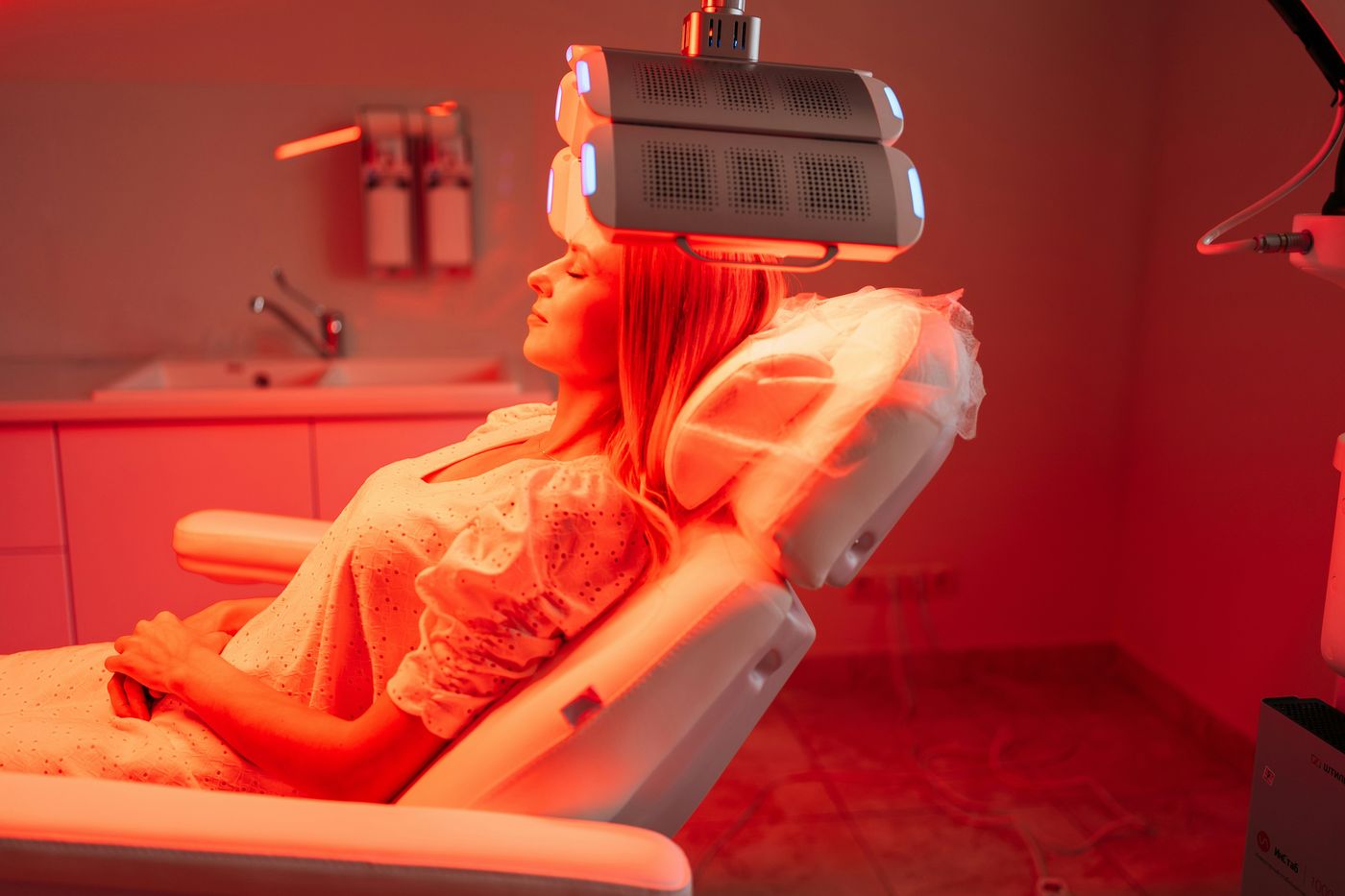
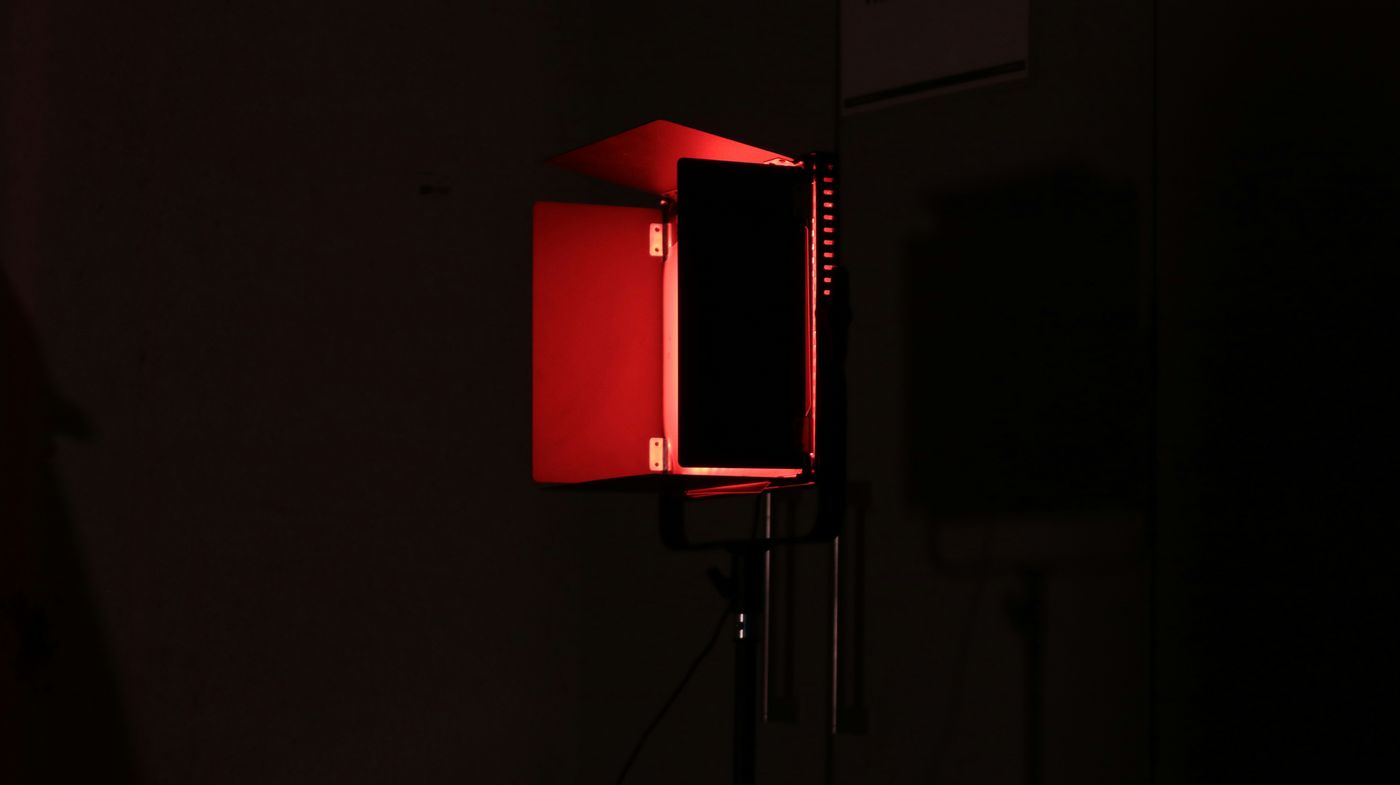
Red light therapy panel glowing red during a treatment session

Red Light Therapy Benefits Explained with Research

Quick Answer: Red light therapy, also called photobiomodulation, uses low-level red and near-infrared wavelengths to support cellular energy production. Research suggests it may improve skin appearance, ease muscle soreness, and support joint comfort. Evidence is promising but often based on small studies. It works best as part of a broader recovery routine, not a standalone cure. Red light therapy has moved from high-end clinics to home panels and wearable devices. The practice involves exposing skin to low-wavelength red and near-infrared light for short sessions. Unlike ultraviolet light, red light does not burn or tan the skin. Instead, it targets cells in a different way. Many athletes and recovery-focused people use it before or after training. Some also pair it with cold plunging or sauna use. The goal is to support the body’s natural repair processes. But what does the actual evidence say? This article explains red light therapy benefits with research, not hype. ...

September 3, 2026 · 11 min · Jarrod Gravison
Sauna vs Steam Room: Heat, Humidity, and Recovery Benefits

Sauna vs Steam Room: Heat, Humidity, and Recovery Benefits

Quick Answer: Saunas use dry heat, usually 160 to 200 degrees Fahrenheit with low humidity. Steam rooms run cooler, around 110 to 120 degrees Fahrenheit, with 100 percent humidity. Both raise core temperature and heart rate. For recovery, the right choice depends on hydration, breathing comfort, and how your body responds to moist heat. Most people group saunas and steam rooms together. They are both heated rooms. They both make you sweat. The experience is not identical. A sauna typically uses dry heat from a stove or electric heater. A steam room fills the space with thick, humid vapor. The difference in moisture changes how hot the air feels, how much you sweat, and how your body responds. Choosing between them matters for recovery, especially if you already use cold plunge practices. cold plunge benefits can pair with either, but the heat side changes the session. Your heat choice influences the entire recovery sequence, not just the sweat part. ...

September 3, 2026 · 10 min · Jarrod Gravison
Infrared Sauna vs Traditional Sauna: Which Should You Choose?

Infrared Sauna vs Traditional Sauna: Which Should You Choose?

Quick Answer: Traditional saunas heat the air to roughly 160 to 200 degrees Fahrenheit, so you feel intense ambient heat. Infrared saunas use panels that warm your body at lower air temperatures, typically 110 to 140 degrees Fahrenheit. Both show evidence for relaxation, cardiovascular health, and recovery. Choose traditional for classic high-heat sessions. Choose infrared if you prefer lower heat, longer sessions, or easier installation. Walking into a 190 degree Fahrenheit traditional Finnish sauna feels like stepping into a wall of heat. An infrared sauna often feels mild at first. The air might be only 120 degrees Fahrenheit, but your skin begins to warm and you still sweat. That difference confuses many first-time buyers. The choice is not about which sauna is universally better. It is about how each type delivers heat and how your body responds. At PlungeHQ, we review recovery tools that work with both heat and cold. This guide helps you decide based on evidence, not marketing. Use this guide before you buy or build. ...

September 3, 2026 · 10 min · Jarrod Gravison
Sauna and Cold Plunge Contrast Therapy: Benefits and Protocol

Sauna and Cold Plunge Contrast Therapy: Benefits and Protocol

Quick Answer: Contrast therapy pairs sauna heat with cold plunge immersion. The heat dilates blood vessels and relaxes tissue. The cold constricts vessels and reduces inflammation. This alternating response improves circulation, eases muscle soreness, and supports recovery. Start with 10 to 15 minutes of sauna followed by 1 to 2 minutes of cold plunge, then repeat 2 to 3 rounds. Sauna and cold plunge contrast therapy has moved from Nordic tradition into modern recovery routines. Athletes, biohackers, and weekend trainers now alternate between hot rooms and cold water. The idea is simple: heat opens blood vessels, cold constricts them. That repeated shift creates a pump-like effect in circulation. Many people report feeling alert and less sore after a session. The practice has roots in Finnish sauna culture and cold water swimming. You can try it with a home sauna or a simple cold plunge tub. ...

September 3, 2026 · 13 min · Jarrod Gravison
How to Do the Wim Hof Breathing Method for Cold Plunge Recovery

How to Do the Wim Hof Breathing Method for Cold Plunge Recovery

Quick Answer: The Wim Hof Method combines controlled hyperventilation, retention, and recovery breathing. For cold plunging, do 3 to 4 rounds on dry land first. Then enter water between 50 and 59 degrees Fahrenheit for 1 to 3 minutes. Never do breathing rounds in water. This lowers perceived cold and supports mental control. The Wim Hof breathing method is a structured breathwork routine that prepares your body for cold exposure. It uses controlled deep breaths, breath retention, and a recovery breath to shift your nervous system state. Many cold plunge users pair it with sessions in water between 50 and 59 degrees Fahrenheit. If you are new, start with the cold plunge benefits to understand what is happening under the surface. That will help you see why breathing matters. ...

September 3, 2026 · 11 min · Jarrod Gravison
How to Convert a Chest Freezer into a Cold Plunge Safely

How to Convert a Chest Freezer into a Cold Plunge Safely

Quick Answer: Yes, you can convert a chest freezer into a cold plunge for $300 to $1,200. The basics are sealing the interior, adding an external temperature controller, using a GFCI outlet, and keeping the water sanitized. Most users target 38 to 55 degrees Fahrenheit. Start with 1 to 3 minutes per session and always have a spotter if you are new. A cold plunge can deliver real recovery benefits. It may reduce soreness and improve mood. Many people pay $2,000 or more for a commercial tub. You can build your own for a fraction of that cost. A chest freezer conversion is the most popular DIY route. It gives you a large, insulated, and ready to chill container. You just need to make it safe for water. This guide walks you through the full process. Learn more about the science in our cold plunge benefits guide. ...

September 3, 2026 · 12 min · Jarrod Gravison
Cold Plunge Temperature Science: What Research Shows

Cold Plunge Temperature Science: What Research Shows

Quick Answer: Research does not identify one exact best temperature. Most recovery studies test water between 50°F and 59°F, which is 10°C to 15°C. Brief immersion in that range reduced muscle soreness by roughly 20 percent in one systematic review. Beginners should start warmer, around 59°F to 68°F, and keep sessions to one to three minutes. Cold plunge temperature is not about bragging rights. It is about matching water temperature to your goal, experience, and health status. The research does not settle on one magic number. Many controlled trials use water between 50 and 59 degrees Fahrenheit. That range is cold enough to trigger physiological responses but tolerable for brief repeated sessions. It also shows broad recovery effects in healthy adults. If you are chasing a lower number without a plan, you may be adding risk without adding benefit. Temperature is only one variable. Duration, frequency, and your own adaptation matter just as much. Reading a single temperature chart online can mislead you if it ignores those pieces. ...

September 3, 2026 · 13 min · Jarrod Gravison
Cold Plunge Safety Guide: Risks and Precautions for Beginners

Cold Plunge Safety Guide: Risks and Precautions for Beginners

Quick Answer: Start with 50-60°F water for 1-3 minutes. Never plunge alone. Check with a doctor if you have heart disease, high blood pressure, or Raynaud's. Enter slowly and focus on long exhales. Exit if you feel dizzy, numb, or cannot control your breathing. Gradual exposure beats shock. Cold plunging seems simple. You fill a tub, lower yourself into cold water, and wait. But the body’s response is intense and fast. Beginners often copy advanced protocols without building tolerance. Safety starts with understanding what cold water does to your heart, lungs, and nerves before you get in. For most healthy adults, a short cold plunge is reasonably safe when precautions are followed. But the risks are real, and they change with water temperature, time, and your health history. This guide explains the risks and precautions you need before your first plunge. You can also review the positive effects in this cold plunge benefits overview. ...

September 3, 2026 · 10 min · Jarrod Gravison
How Often Should You Cold Plunge? Frequency Guide by Goal

How Often Should You Cold Plunge? Frequency Guide by Goal

Quick Answer: Cold plunge frequency depends on your goal. For muscle recovery, 3 to 5 sessions per week after hard training works for many people. Beginners should start with 2 to 3 short sessions per week. For mood and energy, daily plunges of 1 to 3 minutes are common. Always adjust to temperature, sleep, stress, and training load. There is no single best frequency for cold plunging. Your ideal schedule depends on your goal, training load, sleep, stress, and how adapted you are to cold water. Some people benefit from a daily one minute plunge. Others do better with three short sessions per week. The key is matching frequency to your recovery demand and your tolerance. This guide uses research and clinical guidance to help you choose a routine that fits your body. ...

September 3, 2026 · 11 min · Jarrod Gravison
Ice Bath Temperature Guide: How Cold and How Long to Sit

Ice Bath Temperature Guide: How Cold and How Long to Sit

Quick Answer: Target 50°F to 59°F (10°C to 15°C) for 1 to 5 minutes per session. New users should start closer to 60°F for 1 to 2 minutes. Research suggests a weekly total of 11 minutes at 52°F, split across sessions, supports recovery. Stop earlier if you shiver or feel pain. The most common mistake with ice baths is not the cold. It is the guesswork. People climb into 38°F water for ten minutes because a social media clip made it look easy. That approach can feel awful and may even raise risk. A clear temperature and time guide removes the guesswork. This article gives you safe ranges, research based timing, and a beginner path to progress. ...

September 3, 2026 · 10 min · Jarrod Gravison
Cold Plunge Temperature Guide: Optimal Range for Recovery

Cold Plunge Temperature Guide: Optimal Range for Recovery

Quick Answer: For most recovery-focused cold plunges, aim for 50°F to 59°F (10°C to 15°C). This range is cold enough to reduce muscle soreness and perceived fatigue without sharply increasing cold shock risk. Beginners should start near 59°F and limit sessions to 1 to 3 minutes, then progress slowly. Cold plunging is no longer fringe. Athletes, trainers, and wellness enthusiasts use cold water to reduce soreness and sharpen focus. But one detail matters more than ice volume: water temperature. A plunge at 65°F feels different from one at 40°F. Your body responds differently too. The goal is enough cold to trigger recovery signals without overwhelming your nervous system. This guide covers the optimal cold plunge temperature for recovery, based on clinical guidance and peer reviewed research. ...

September 3, 2026 · 12 min · Jarrod Gravison
Cold Plunge Before or After Workouts: Recovery vs Performance

Cold Plunge Before or After Workouts: Recovery vs Performance

Quick Answer: For most training goals, cold plunge after a workout reduces soreness and supports recovery, but it can blunt strength and muscle gains if used immediately after heavy lifting. Cold plunging before exercise may lower muscle power. Athletes who prioritize recovery should use cold immersion after endurance or conditioning work, and separate it from resistance training by 4 to 6 hours. Cold plunging has moved from a fringe recovery habit into mainstream fitness. Many people now use a cold plunge tub at home or at the gym after hard sessions. The timing question keeps coming up: should you cold plunge before or after a workout? Before training can feel invigorating, but it may cool muscles too much. After training can reduce soreness, but it may interfere with strength adaptations. The right answer depends on your training goal, the type of exercise, and how your body responds to cold exposure. Research can guide the decision, but it is not one rule for everyone. ...

September 3, 2026 · 11 min · Jarrod Gravison
Cold Plunge Recovery for Athletes: Protocols and Timing

Cold Plunge Recovery for Athletes: Protocols and Timing

Quick Answer: For most athletes, 10 to 15 minutes at 10 to 15 degrees Celsius within 30 to 60 minutes after hard training can reduce perceived soreness. Avoid cold plunges immediately before strength or power work. Use them selectively after intense sessions, not every easy day. Cold plunging has become a common recovery habit for runners, lifters, and field sport athletes. The logic feels straightforward. Cold water constricts blood vessels and may calm inflammation after hard training. Some athletes say it helps them feel less sore the next day. But the science is more detailed than the locker room story. Cold water immersion can reduce perceived muscle soreness. It does not always improve long term muscle repair. This guide examines what the research says and how to apply it. The goal is to use cold exposure without blunting the training adaptations you worked to earn. ...

September 3, 2026 · 11 min · Jarrod Gravison
Cold Plunge for Inflammation and Recovery: How It Works

Cold Plunge for Inflammation and Recovery: How It Works

Quick Answer: Cold plunging constricts blood vessels, reduces tissue swelling, and lowers perceived muscle soreness. A Cochrane review found cold water immersion reduced muscle soreness by about 20 percent at 24 to 96 hours after exercise. The effect on inflammatory markers is mixed. For most healthy adults, 10 to 15 minutes at 50 to 59 degrees Fahrenheit works well. Cold plunging has moved from niche recovery tool to mainstream habit. Athletes, physical therapists, and everyday runners now use cold water immersion to manage soreness and support recovery. The appeal is straightforward. You step into water between 50 and 59 degrees Fahrenheit and stay for a few minutes. Many people report less stiffness and a sharper mental state afterward. But how much of that is physiological, and how much is just feeling refreshed? This article breaks down the science behind cold plunge for inflammation and recovery. We review what cold exposure does to blood flow and nerves. We also connect those responses to muscle damage and inflammatory signals. For a broader look at what cold plunging may do for your body, see our cold plunge benefits guide. ...

September 3, 2026 · 12 min · Jarrod Gravison
Cold Plunge for Women: Hormones and Safe Practice

Cold Plunge for Women: Hormones and Safe Practice

Quick Answer: Cold plunging is generally safe for healthy women when sessions are short and adjusted to the menstrual cycle. The stress response raises noradrenaline and dopamine sharply, but that is not a hormonal reset. Start around 50 to 59 degrees Fahrenheit for one to three minutes and always prioritize warm-up after. Cold plunging has moved from fringe recovery to mainstream wellness, and many women now ask whether the practice works differently in female bodies. Most cold water immersion research has used small groups, often male athletes, and rarely tracks hormonal phases. That gap matters because estrogen, progesterone, and thyroid hormone influence blood flow, cold perception, and core temperature. Before you buy a cold plunge tub, it helps to understand what cold exposure does and does not do for female physiology. ...

September 3, 2026 · 10 min · Jarrod Gravison
Can Cold Plunging Actually Help With Weight Loss and Brown Fat?

Can Cold Plunging Actually Help With Weight Loss and Brown Fat?

Quick Answer: Cold plunging can activate brown fat and temporarily increase calorie burning, but evidence that it causes meaningful weight loss is weak. The strongest data shows acute metabolic changes, not long-term body fat reduction. Treat cold plunging as a recovery and metabolic health tool, not a primary weight loss method. Cold plunging has shifted from a niche recovery method into a mainstream wellness routine. Walk through any fitness community and you will hear claims about cold water, brown fat, and fat loss. The logic seems simple. Cold exposure makes your body work harder to stay warm. That work may burn extra calories and activate a special type of fat called brown adipose tissue. But simple logic does not always produce meaningful weight loss. Many of these claims start with real physiology and end with exaggerated promises. This article looks at the evidence for cold plunge weight loss, brown fat activation, and what you can realistically expect. ...

September 3, 2026 · 11 min · Jarrod Gravison
Can Cold Plunge Improve Mental Health and Reduce Stress?

Can Cold Plunge Improve Mental Health and Reduce Stress?

Quick Answer: Cold water immersion may improve mood and lower stress through norepinephrine release, reduced cortisol, and brief endorphin surges. Some small studies show promise for depression symptoms, but cold plunging is not a substitute for therapy or medication. Start slowly, use safe water temperatures, and talk to a doctor if you have heart or mental health conditions. Cold plunge mental health benefits are popular in recovery circles. Many people report feeling sharper, calmer, and more resilient after short cold water immersion. The brain and body respond to cold as a controlled stressor. That response may influence mood pathways linked to depression and chronic stress. Still, the evidence is newer and smaller than the marketing claims. A cold plunge is not a cure. It is a possible low cost recovery tool that works best alongside strong mental health care. This guide explains what cold water immersion does, what research supports, and where the limits are. If you are new to the method, start with the broader cold plunge benefits overview. ...

September 3, 2026 · 10 min · Jarrod Gravison
Cold Plunge Benefits for Mental Health, Anxiety and Mood

Cold Plunge Benefits for Mental Health, Anxiety and Mood

Quick Answer: Cold plunge practice can trigger a fast release of norepinephrine and dopamine, which may improve mood and alertness for hours. Small studies and swimmer surveys show lower anxiety and better well-being, but cold immersion is not a replacement for therapy or medication. Start gradually, follow safety rules, and monitor your response. A cold plunge is often seen as a tool for sore muscles, but more people are turning to cold water for mental clarity and emotional balance. The immediate shock of cold water triggers a wave of stress hormones, yet many practitioners report feeling calmer and more focused after they get out. That sounds like a contradiction. The effect may come from how the body resets after a short, controlled stress. Researchers are now studying whether repeated cold exposure can change how the brain and nervous system respond to everyday stress. It is important to separate what is known from what is still preliminary. ...

September 3, 2026 · 12 min · Jarrod Gravison
Cold Plunge Benefits Explained: Muscle Recovery and Research

Cold Plunge Benefits Explained: Muscle Recovery and Research

Quick Answer: Cold plunging may reduce muscle soreness by roughly 20 percent after exercise and can improve circulation and alertness. The strongest research supports cold water immersion for perceived recovery, not always faster strength return. Start at 50 to 59 degrees Fahrenheit for one to three minutes. Short sessions, controlled breathing, and gradual progression matter more than extremes. Cold plunging has moved from locker room tradition to a mainstream recovery tool. Athletes, coaches, and weekend exercisers now use cold water immersion to reduce soreness, wake up the nervous system, and build mental toughness. The practice is simple. You sit in water between roughly 50 and 59 degrees Fahrenheit for a few minutes after training or on a rest day. The body responds with changes in blood vessels, hormones, and nerve activity. Some responses are well documented. Others are still being studied. This guide explains what the research actually shows about cold plunge benefits, muscle recovery, and more. Understanding the evidence helps you use cold plunging safely. ...

September 3, 2026 · 12 min · Jarrod Gravison
How to Time Beginner Cold Plunge Sessions and Progress Safely

How to Time Beginner Cold Plunge Sessions and Progress Safely

Quick Answer: Beginners should stay in for 30 to 60 seconds at 50°F to 59°F (10°C to 15°C). Add 15 to 30 seconds per week only if recovery feels good. Most benefits show up within 3 to 5 minutes. Longer is not better early on. Keep water above 39°F until you have months of practice. The most common beginner mistake is staying in the cold too long. Cold water feels bracing. Your body does not care about toughness. It cares about temperature and time. A short, controlled exposure gives the recovery benefits without turning a healthy stress into a dangerous one. For a deeper look at why people do this, read our guide on cold plunge benefits. The key is not to chase ice bath influencers. The key is to build a baseline your nervous system can handle. ...

September 3, 2026 · 13 min · Jarrod Gravison
How to Cold Plunge for Beginners: Safe Step by Step Protocol

How to Cold Plunge for Beginners: Safe Step by Step Protocol

Quick Answer: Beginners should start with water at 50 to 60 degrees Fahrenheit. Stay in for 30 seconds to two minutes, two to three times per week. Get medical clearance first. Enter slowly, control breathing, and warm up gradually. Use a timer and thermometer for every session. Cold plunging is a form of cold water immersion that many people use for recovery. A beginner needs a clear plan before stepping into cold water. The right protocol helps you avoid dangerous mistakes. You do not need to suffer for a long time or use extreme cold. This guide offers a safe, step by step path. You can learn more about the main cold plunge benefits before you begin. The goal is to build tolerance slowly and listen to your body. ...

September 3, 2026 · 15 min · Jarrod Gravison
How to Build a DIY Cold Plunge: Basic Ice Tub to Chiller Setup

How to Build a DIY Cold Plunge: Basic Ice Tub to Chiller Setup

Quick Answer: You can build a DIY cold plunge in one afternoon using a stock tank, chest freezer, or insulated barrel. Start with a basic ice tub and 50 to 59 degree F water. Upgrade to a chiller for stable temps. Always check with a doctor first and never plunge alone. Building a cold plunge at home can save you thousands of dollars. Commercial tubs often cost between $3,000 and $10,000. A DIY setup can cost under $200 if you start with a basic insulated tub and bags of ice. This guide covers the full range from ice tubs to chiller setups. You will learn what to buy, how to set it up, and how to stay safe. If you are new, read cold plunge benefits and cold plunge temperature guide before you build. ...

September 3, 2026 · 13 min · Jarrod Gravison
Best Red Light Therapy Panels for 2026: Specs, Value, and Results

Best Red Light Therapy Panels for 2026: Specs, Value, and Results

Quick Answer: The best red light therapy panel for most people in 2026 is the PlatinumLED BioMax 900. It balances high irradiance (over 100 mW/cm2 at 6 inches), dual wavelengths (660nm and 850nm), solid coverage, and a 3-year warranty. Budget buyers should consider Hooga HGPRO1500, while Joovv Solo 3.0 wins on modular flexibility. Red light therapy has quietly become the third pillar of home recovery, right next to cold plunging and sauna use. Athletes use it to support muscle recovery, skin health, and sleep. If you already follow a cold plunge benefits routine, adding red light therapy on off days may help you recover faster between sessions. The market has exploded since 2024, and the 2026 panels are brighter, cheaper, and easier to use than ever. But not all panels deliver the same energy density, wavelength mix, or build quality. You need to look past marketing claims and check the actual output numbers. ...

September 3, 2026 · 13 min · Jarrod Gravison
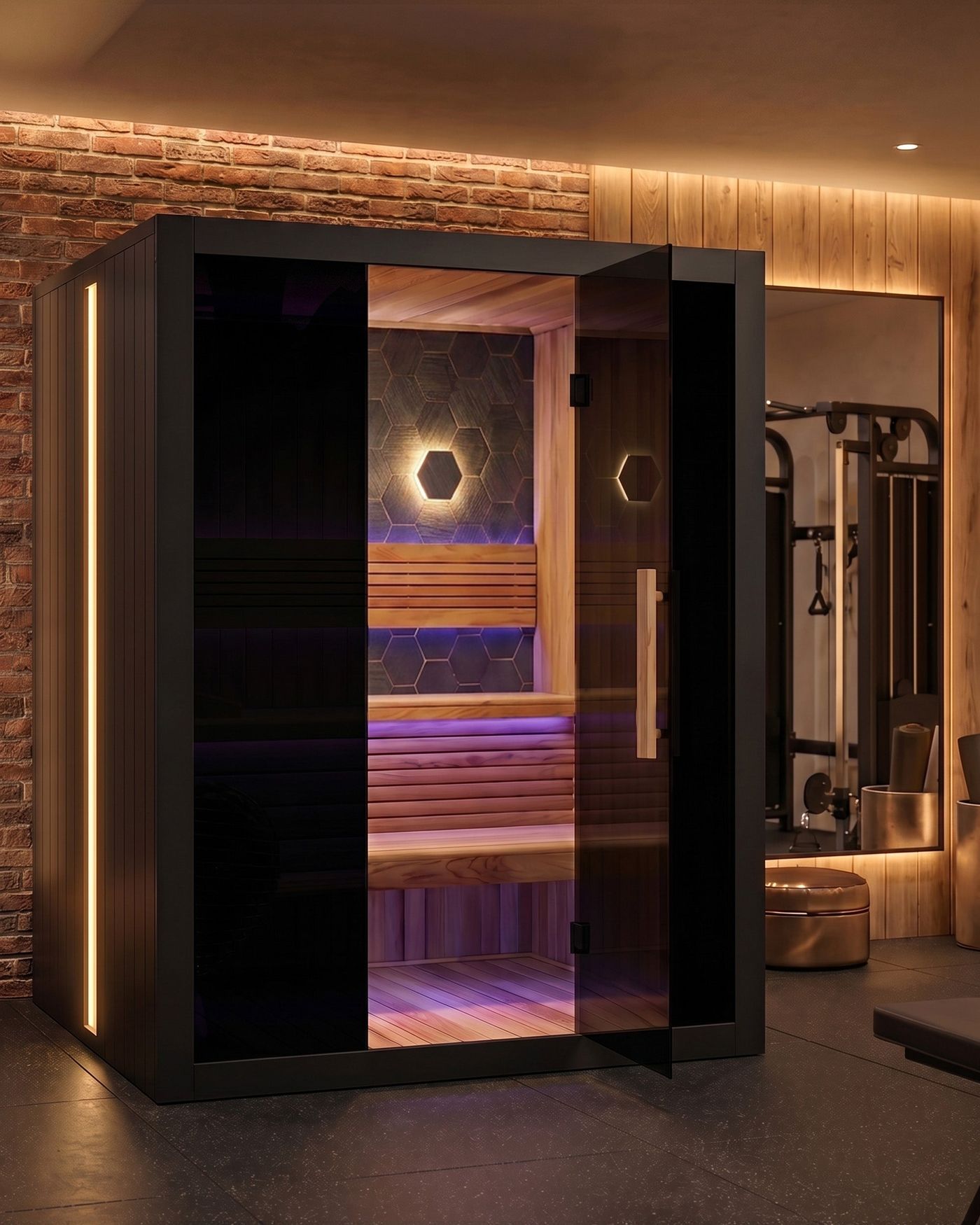
Best Sauna for Home Use in 2026: Indoor Buying Guide

Best Sauna for Home Use in 2026: Indoor Buying Guide

Quick Answer: For most homes in 2026, a low EMF infrared sauna like the Sun Home Luminar or Dynamic Barcelona offers the easiest indoor setup on 120V power. Traditional 240V saunas like the Finnleo Hallux reach 190°F for true Finnish heat. Prices range from about $2,500 to $8,500 before installation. Match heater type, voltage, and ceiling height to your space. The home sauna market in 2026 looks different from five years ago. More models now ship with low EMF shielding, wifi controls, and pre-cut modular panels. Buyers no longer need a custom contractor for a quality indoor unit. You still need to match heater type, electrical load, and ceiling height to your actual space. I have tested and spec-checked over a dozen units for readers who care about cold plunge benefits. Heat and cold work as a recovery pair. The best indoor sauna for you depends on whether you want 150°F infrared panels or a 190°F Finnish heater. It also depends on whether your home has a spare 240V circuit or only a standard 120 volt outlet. ...

September 3, 2026 · 13 min · Jarrod Gravison
Best Barrel Saunas for 2026: Top Models and Features Compared

Best Barrel Saunas for 2026: Top Models and Features Compared

Quick Answer: The best barrel sauna for 2026 depends on size, heat source, and budget. Our top overall pick is the Almost Heaven Audra 4-person barrel with a 6kW Harvia heater, Nordic spruce, and a small footprint. Budget shoppers may prefer the SaunaLife Ergo under $5,000, while families should consider a 6-person Canadian Timber. The backyard barrel sauna market has changed. In 2026, buyers want a unit that heats fast, holds temperature in winter, and pairs cleanly with cold exposure. A barrel sauna still wins on footprint and heat-up time because the curved walls create better air circulation than a square cabin. Pair a 185°F sauna session with a 50°F cold plunge and you get the contrast therapy benefits covered in our cold plunge benefits guide. You also avoid the heavy humidity load of a steam bath, which is why many recovery athletes choose a dry barrel over a sauna vs steam room setup. The goal is simple: reliable 150°F to 195°F heat, low maintenance, and enough bench space to sit or lie down. ...

September 3, 2026 · 11 min · Jarrod Gravison
Best Cold Plunge and Sauna Combo Setup for Full Recovery

Best Cold Plunge and Sauna Combo Setup for Full Recovery

Quick Answer: The best full recovery station depends on budget and space. Premium picks like the Sun Home Cold Plunge Pro plus Luminar sauna hit 32°F cold and 170°F heat. Budget picks like the Ice Barrel 500 plus Dynamic Barcelona sauna stay under $5,000. DIY freezer setups offer custom control around $3,500. Train hard, recover harder sounds like gym wall advice until you try it. A full recovery station changes how your body handles repeated training days. Cold water immersion drives norepinephrine and reduces perceived soreness, while sauna heat improves heart rate recovery and sleep quality. The combination is more than a spa luxury. It is a repeatable performance tool. If you have been stacking ice bags in a bathtub, read our cold plunge benefits and see why a dedicated tub beats the bathtub. The right pairing also protects against the two biggest recovery mistakes: irregular temperature and sessions that are too long. ...

September 3, 2026 · 12 min · Jarrod Gravison
Best Cold Plunge and Hot Tub Combo Systems for Contrast Therapy

Best Cold Plunge and Hot Tub Combo Systems for Contrast Therapy

Quick Answer: The best cold plunge and hot tub combo systems pair a dedicated cold plunge with an inflatable or built-in hot tub. Budget setups like Ice Barrel 500 plus a SaluSpa cost under $2,000. Premium turnkey packages such as Sun Home Cold Plunge Pro plus a hot tub can exceed $5,500. Match chiller power and filtration to your contrast therapy frequency. Cold plunge and hot tub combos are becoming the default recovery tool for athletes who want more than a standalone ice bath. Contrast therapy uses a hot soak to open blood vessels, then a cold plunge to constrict them. The rapid switch acts like a pump for blood and lymph fluid. If you are buying one unit anyway, pairing the two sides often costs less than two separate premium systems. Most buyers do not need a custom built contrast suite. You can get 90 percent of the benefit with a purpose built cold plunge and an inflatable hot tub. Our testing looked at real pricing, filtration, temperature minimums, and warranty coverage. We prioritize setups you can install without a contractor. Read our cold plunge benefits guide to understand why the cold side matters. ...

September 3, 2026 · 11 min · Jarrod Gravison
Best Cold Plunge Brands Compared 2026: Build Quality, Warranty, Value

Best Cold Plunge Brands Compared 2026: Build Quality, Warranty, Value

Quick Answer: The best cold plunge brand in 2026 depends on your budget and space. Plunge All-In offers the best integrated experience, Sun Home Cold Plunge Pro hits the lowest 32°F reliably, Ice Barrel gives portable value, and Renu Therapy Cold Stoic leads on warranty and stainless steel build. Most home users should start with 40-50°F temperatures. Cold plunge brands in 2026 have split into two camps. You have polished self-contained units with integrated chillers and filtration. You also have simple insulated barrels or inflatable tubs that rely on ice or a separate chiller. The price spread is huge, from $299 budget tubs to $9,000 stainless steel builds. Before choosing, read our cold plunge benefits guide to decide if daily immersion fits your recovery plan. This comparison focuses on what actually separates good tubs from frustrating ones: shell materials, cooling specs, warranty coverage, and long-term ownership cost. ...

September 3, 2026 · 11 min · Jarrod Gravison
Best Cold Plunge for Apartments: Portable and Compact Tubs

Best Cold Plunge for Apartments: Portable and Compact Tubs

Quick Answer: The best cold plunge for apartments is the Ice Barrel 300 if you need a compact vertical footprint under $1,200. The Pod Company Ice Pod is the budget pick at around $149. For a powered compact unit with stable 32°F water, Sun Home Cold Plunge Pro costs over $4,000 but runs on a standard outlet. Apartment living used to rule out cold plunging unless you had a gym membership or a garage. That changed as manufacturers released smaller tubs, collapsible designs, and compact chillers that fit on balconies, in spare bathrooms, or even in a walk-in shower. But the term portable still covers many shapes, weights, and water volumes. Choosing the wrong one can leave you with a 600-pound water hazard or a tub that does not get cold enough. This guide focuses on tubs that actually work in apartments. Before you spend, read our cold plunge benefits breakdown to confirm why you want cold exposure in the first place. For a wider list, see our best cold plunge tubs 2026. ...

September 3, 2026 · 14 min · Jarrod Gravison
Best Cold Plunge for Garage Gym Setup and Ventilation

Best Cold Plunge for Garage Gym Setup and Ventilation

Quick Answer: The best cold plunge for most garage gyms is the Sun Home Cold Plunge Pro. Its 67 by 28 inch tub saves wall space, and the external 0.5 HP chiller can sit outside or in a window. The Ice Barrel 400 wins for tight corners at $1,199.97. For an integrated look, choose the Plunge All-In, but leave 18 inches behind it. Most garage gym buyers start with the tub and ignore the room. That is a mistake. A cold plunge in a garage creates three hidden problems: physical footprint, chiller heat output, and humidity. A tub that looks small in a product photo can block a squat rack, a car door, or a bench path. Before choosing, read our cold plunge benefits guide to confirm why cold water recovery belongs in your training week. For a garage, you need dimensions that match available floor space, plus a plan for warm exhaust air. This comparison covers four garage-friendly cold plunge setups and the ventilation choices that make each one work. ...

September 3, 2026 · 11 min · Jarrod Gravison
Best Cold Plunge for Runners: Top Post-Run Recovery Tubs

Best Cold Plunge for Runners: Top Post-Run Recovery Tubs

Quick Answer: The Plunge All-In is the best overall cold plunge for runners because it holds 100 gallons, cools to 39°F, and includes a chiller. Budget runners should consider a DIY chest freezer, while the Sun Home Cold Plunge Pro reaches 32°F for those who want the coldest water. Runners tend to treat recovery as an afterthought until shin splints or dead legs force the issue. A cold plunge changes that math. After a hard track session or long run, cold water immersion constricts blood vessels and can reduce muscle soreness. A peer-reviewed research summary notes that cold water immersion may blunt delayed onset muscle soreness after intense exercise. For runners who log 30 to 60 miles per week, that means less next-day stiffness and a faster return to easy miles. The effect is not just psychological; measurable reductions in perceived soreness matter when you train six days a week. Read our cold plunge benefits guide to see the full list. ...

September 3, 2026 · 11 min · Jarrod Gravison
Best Cold Plunge for CrossFit Athletes: 5 Recovery Tubs

Best Cold Plunge for CrossFit Athletes: 5 Recovery Tubs

Quick Answer: For most CrossFit athletes, the Plunge All-In offers the best balance of cooling power, filtration, and garage-friendly size. It holds 100 gallons and chills to 39°F without ice runs. Budget-focused athletes should consider the Ice Barrel 400. Premium buyers get colder water and better insulation from the Sun Home Cold Plunge Pro. Ask a CrossFit athlete what hurts after Fran and they will mention quads, traps, and lungs. The training style is deliberately broad: heavy lifting, gymnastics, and monostructural cardio in one week. That mix creates muscle damage and inflammation that can linger into the next session. A cold plunge for CrossFit athletes is not a substitute for sleep or food. It is a targeted recovery tool. Used correctly, cold water immersion reduces perceived soreness and helps you train again sooner. Most athletes see the biggest effect after high-volume leg days and competition weekends. If you are still unsure why this matters, start with our cold plunge benefits guide. ...

September 3, 2026 · 12 min · Jarrod Gravison
Best Cold Plunge for Backyard Use: Weatherproof Outdoor Tubs

Best Cold Plunge for Backyard Use: Weatherproof Outdoor Tubs

Quick Answer: The best backyard cold plunge depends on budget and climate. Plunge All-In offers 39°F chiller, 100-gallon capacity, and UV filtration for about $4,990. Ice Barrel 300 is a $1,199 no-power weatherproof barrel. Sun Home Cold Plunge adds ozone and a 37°F set point near $4,999. A DIY chest freezer can work for under $900. Backyard cold plunging has moved from ice-filled stock tanks to dedicated weatherproof tubs that hold 39°F water without daily ice runs. Peer-reviewed research on cold water immersion shows clear effects on perceived recovery and mood, though the exact mechanisms are still being studied. A cold plunge benefits overview helps separate real recovery effects from social media hype. When a tub sits outside, however, the buying decision changes. You need to think about UV-stable shells, sealed chillers, debris covers, and freeze protection, not just temperature. Rain and leaves will punish cheap indoor tubs. ...

September 3, 2026 · 11 min · Jarrod Gravison
Best Cold Plunge for Home Use 2026: Indoor Setups Compared

Best Cold Plunge for Home Use 2026: Indoor Setups Compared

Quick Answer: The best cold plunge for home use in 2026 depends on your floor space and budget. The Plunge All-In is easy for indoor use with a 67 by 43 inch footprint, 39°F cooling, and built-in filtration. Budget buyers should consider an Ice Barrel 500 or a DIY chest freezer setup. Cold plunging has moved from ice-filled livestock troughs to polished indoor recovery tools. In 2026, home cold plunge options are more varied, more efficient, and easier to maintain than ever. You can run a chilled tub in a basement, garage, spare bathroom, or even a large laundry room if you plan for water, power, and ventilation. Before you commit to a unit, read our full cold plunge benefits breakdown and the cold plunge temperature guide to understand what 39°F feels like on a Tuesday morning. The right indoor setup protects your floors, keeps the water clean, and fits a daily routine without turning your home into a wet cave. That balance matters more than marketing claims. ...

September 3, 2026 · 12 min · Jarrod Gravison
Best Cold Plunge Options Under $500: Budget DIY and Inflatable Tubs

Best Cold Plunge Options Under $500: Budget DIY and Inflatable Tubs

Quick Answer: The best cold plunge under $500 depends on your space and DIY tolerance. Most beginners should buy an insulated inflatable tub like the Ice Pod Pro 2.0 for about $149 and add ice. If you want true mechanical cooling, a DIY chest freezer conversion lands under $500 and holds 40 to 50 degrees. We spend a lot of time evaluating cold plunge setups that cost thousands. This guide is different. We focused on real options under $500 that you can actually buy or build this month. We checked current prices, water capacity, cold method, and the real cost of ice. The goal is not to find a budget tub that looks good in a photo. It is to find a tub that gets you into cold water safely and consistently. If you want a wider list of premium and mid tier units, read our best cold plunge tubs 2026 guide first. That list includes chillers and full temperature control. ...

September 3, 2026 · 11 min · Jarrod Gravison
Best Cold Plunge Chillers for 2026: Integrated vs Aftermarket

Best Cold Plunge Chillers for 2026: Integrated vs Aftermarket

Quick Answer: Integrated chillers cost more but arrive turnkey. Aftermarket units let you upgrade any tub and often cool faster per dollar. Budget aftermarket chillers work for small volumes. Premium integrated systems hold 37°F to 39°F reliably. Match horsepower to water volume and ambient heat before buying. A cold plunge tub is only as useful as the chiller that keeps it cold. Buying bags of ice gets old fast, and it rarely gets water below 45°F on a hot day. In 2026, more people are choosing dedicated water chillers that hold a set temperature all week long. The payoff is consistency. You can hop in at 50°F on Tuesday and 39°F on Friday without thinking about ice. A reliable chiller also saves money over a year of ice runs. If you are new to cold exposure, our cold plunge benefits guide explains why water temperature matters for recovery. ...

September 3, 2026 · 10 min · Jarrod Gravison
Best Home Saunas 2026: Barrel, Infrared & Traditional Compared

Best Home Saunas 2026: Barrel, Infrared & Traditional Compared

⚡ Quick Answer The Sun Home Luminar ($10,999) is our top overall pick for 2026 — a zero-maintenance outdoor infrared sauna with an aerospace-grade aluminum shell that never needs staining. For an indoor infrared option, the Sun Home Equinox 2 ($6,099) delivers full-spectrum heat and ultra-low EMF at a lower price point. Want the authentic Finnish experience instead? The Dundalk Leisurecraft Canadian Timber Harmony barrel sauna (~$5,295) and budget-friendly Almost Heaven Georgian (dealer pricing) round out our picks for traditional heat. ...

August 5, 2026 · 20 min · Shane Ryan
Best Outdoor Saunas 2026: Weatherproof Picks for Your Backyard

Best Outdoor Saunas 2026: Weatherproof Picks for Your Backyard

⚡ Quick Answer The Sun Home Luminar ($10,999) is the best outdoor sauna for 2026 — its aerospace-grade aluminum exterior needs zero annual maintenance, no staining, and no cover, while the full-spectrum infrared heaters and Canadian red cedar interior deliver a premium session. If you want the classic Finnish steam-room feel, the Almost Heaven Pinnacle barrel sauna (~$5,302 range) is our best barrel pick. On a tighter budget, the Aleko BETA4 (~$3,999) gets you a real outdoor barrel sauna with a heater included for the lowest realistic entry price. ...

August 5, 2026 · 16 min · Shane Ryan
Best Red Light Saunas 2026: Infrared + LED Therapy Combined

Best Red Light Saunas 2026: Infrared + LED Therapy Combined

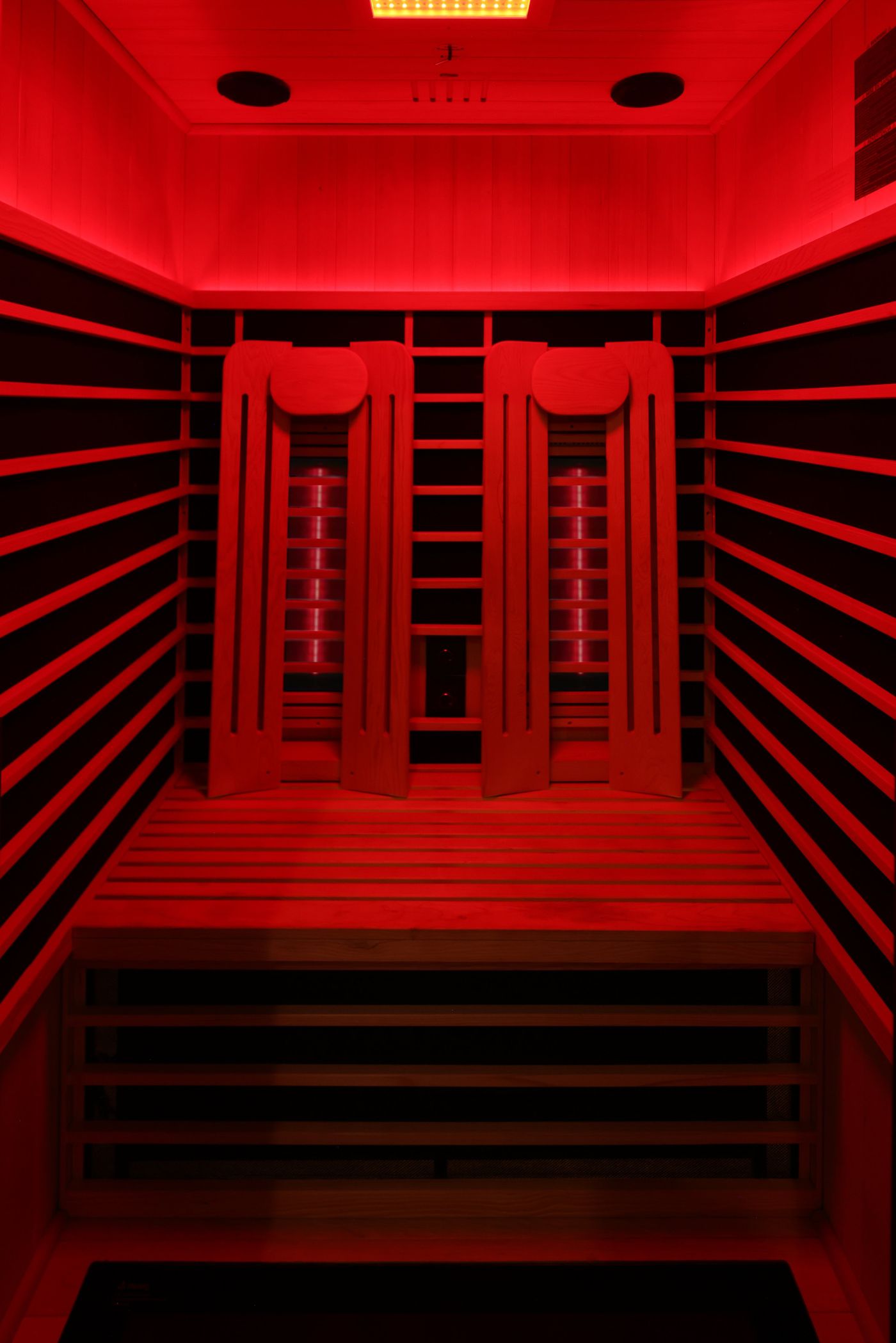
⚡ Quick Answer The Sun Home Eclipse ($9,999) is the best red light sauna for 2026 — it's the only mainstream sauna that fully integrates 360 medical-grade LEDs (630nm red + 850nm near-infrared) across dual 900W panels with full-spectrum infrared heat in one cabin. If you don't want a full sauna and just want the photobiomodulation benefits, a standalone panel like the Joovv Solo 3.0 delivers higher close-range irradiance for a fraction of the price. Budget red light option: a smaller standalone panel or wrap under $300. ...

August 5, 2026 · 18 min · Shane Ryan
Best Traditional Sauna 2026: Authentic Finnish Saunas for Your Home

Best Traditional Sauna 2026: Authentic Finnish Saunas for Your Home

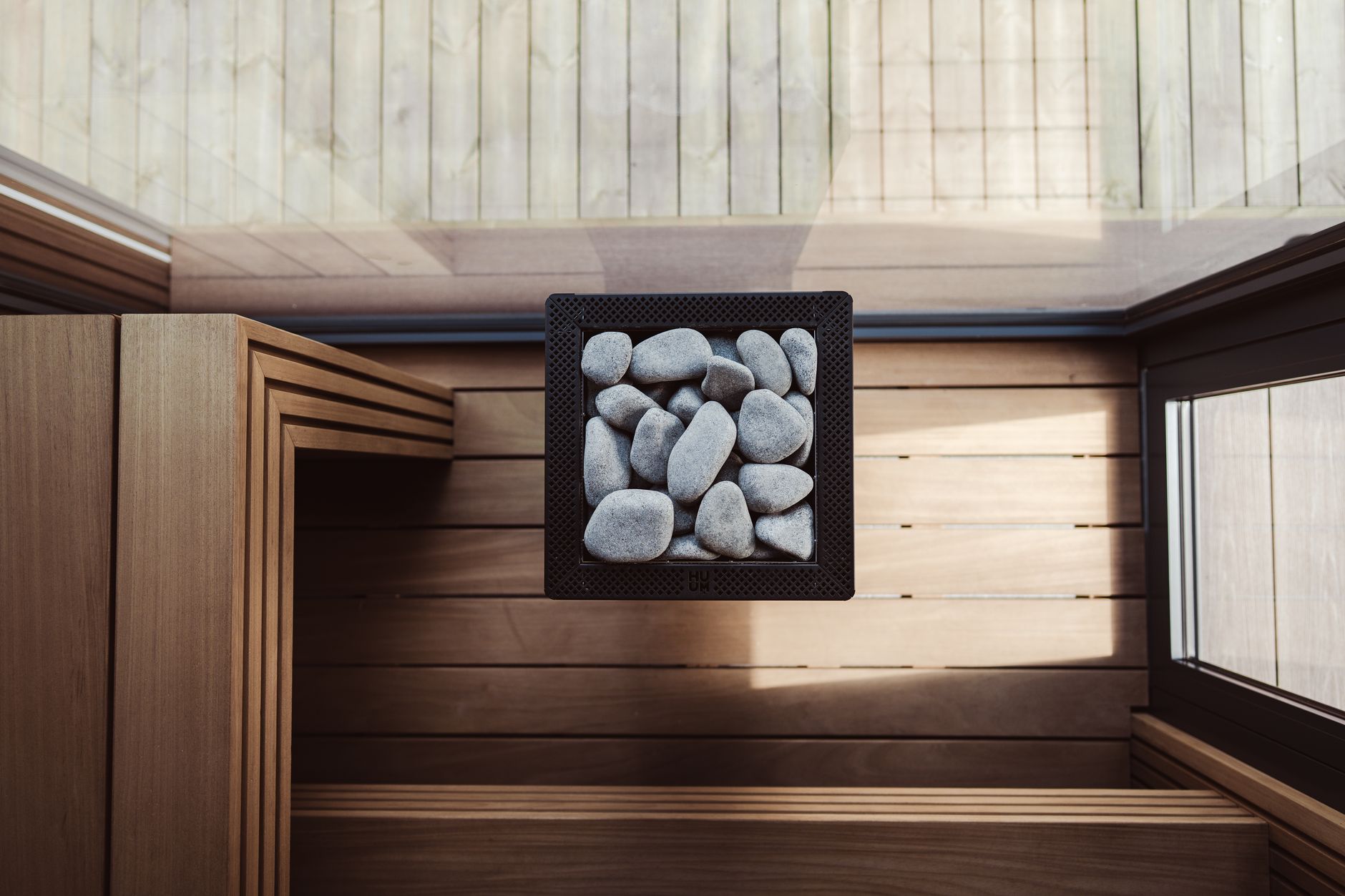
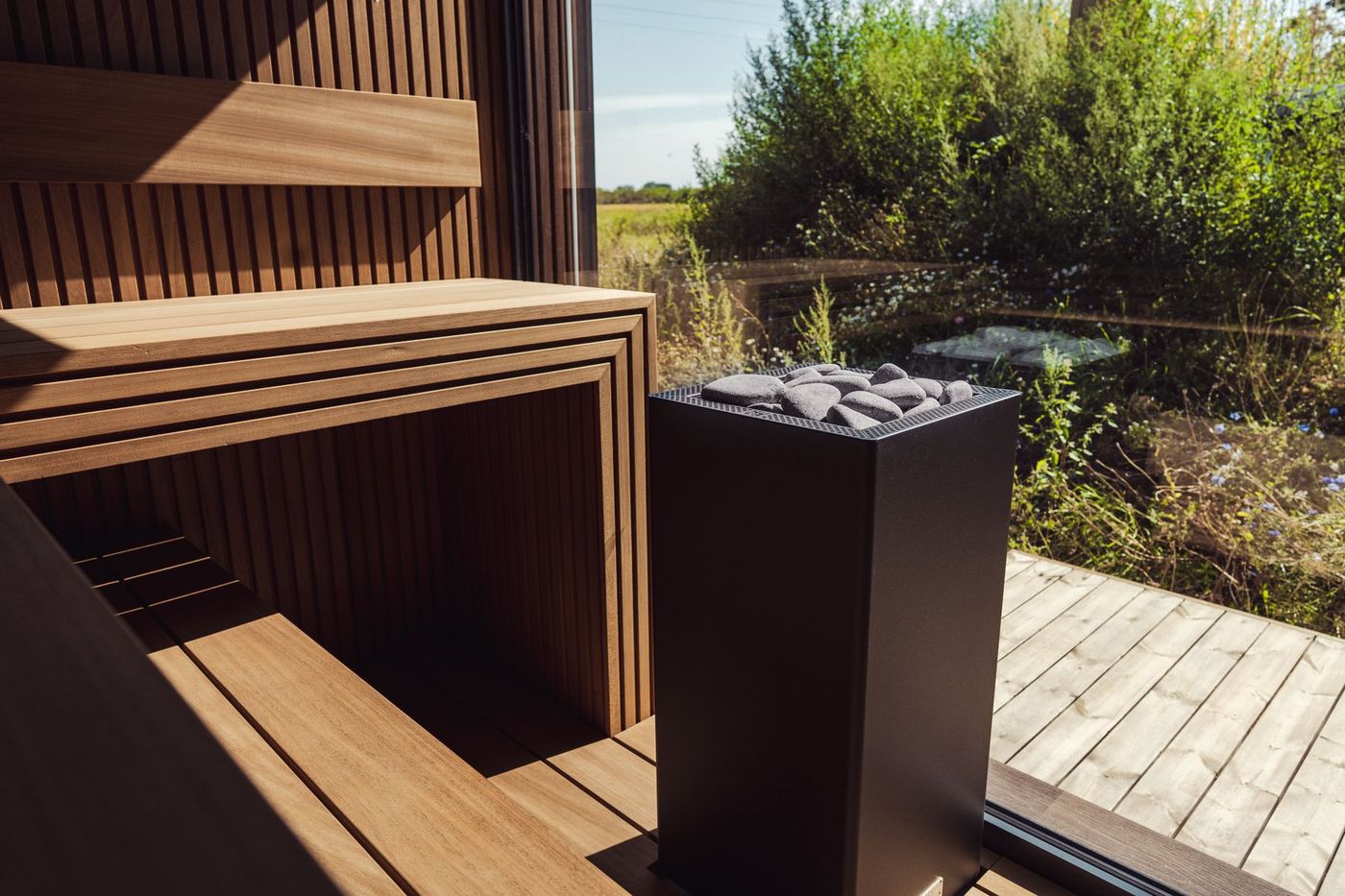
⚡ Quick Answer The Sun Home Nova ($11,099) is the best traditional sauna for 2026 — a 3-person indoor sauna with a HUUM DROP Wi-Fi electric heater, Canadian cedar interior, and a hand-laid Estonian carbonized tile wall that delivers a genuinely premium löyly experience. For an authentic outdoor barrel option, the Dundalk Georgian Barrel (dealer pricing) pairs real Canadian red cedar with a Harvia heater at a fraction of the price. Budget pick: the Almost Heaven Pinnacle (~$5,302) is the most affordable real traditional sauna that doesn't cut corners on the heater. ...

August 5, 2026 · 17 min · Shane Ryan
Best Cold Plunge Tubs 2026: Complete Buyer's Guide (Researched & Compared)

Best Cold Plunge Tubs 2026: Complete Buyer's Guide (Researched & Compared)

⚡ Quick Answer The Sun Home Cold Plunge Pro ($13,999) is the best premium ice-generating cold plunge for 2026 — commercial-grade stainless steel construction, 32°F ice-making capability, and a three-stage ozone+UV+sediment filtration system. For a hot-and-cold contrast therapy tub, the Sun Home Portable Horizontal ($3,999) is the only system with a published 32°F–107°F range in one unit. On a budget? The Ice Barrel 300 ($1,149) is the most durable chiller-ready entry point. Prices verified August 6, 2026. ...

April 1, 2026 · 14 min · Shane Ryan
Best Infrared Saunas 2026: Complete Buyer's Guide (What to Look For & What to Avoid)

Best Infrared Saunas 2026: Complete Buyer's Guide (What to Look For & What to Avoid)

⚡ Quick Answer The Sun Home Equinox 2 ($6,099) is the best infrared sauna for most buyers in 2026 — 2-person full-spectrum with near, mid, and far infrared, third-party ultra-low EMF certified (under 0.5 mG), eucalyptus construction, and runs on a standard 120V/20A circuit. For premium outdoor use, the Sun Home Luminar ($10,999) is built with an aerospace-grade aluminum exterior that needs no annual staining. Budget pick: the Dynamic Barcelona ($3,499) is the best entry-level cabin for buyers who want a real infrared sauna without spending five figures. Prices verified August 6, 2026. ...

April 1, 2026 · 26 min · Shane Ryan