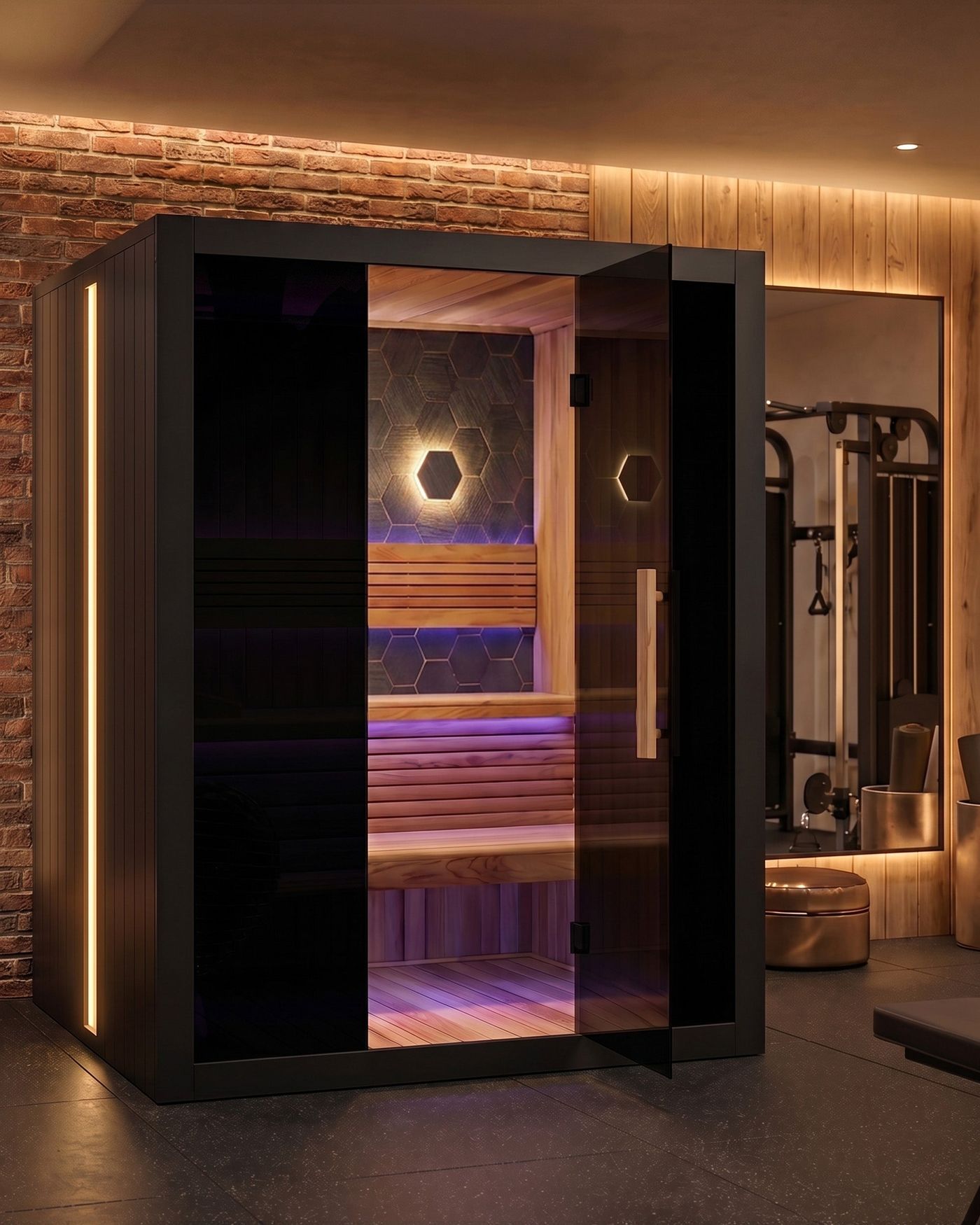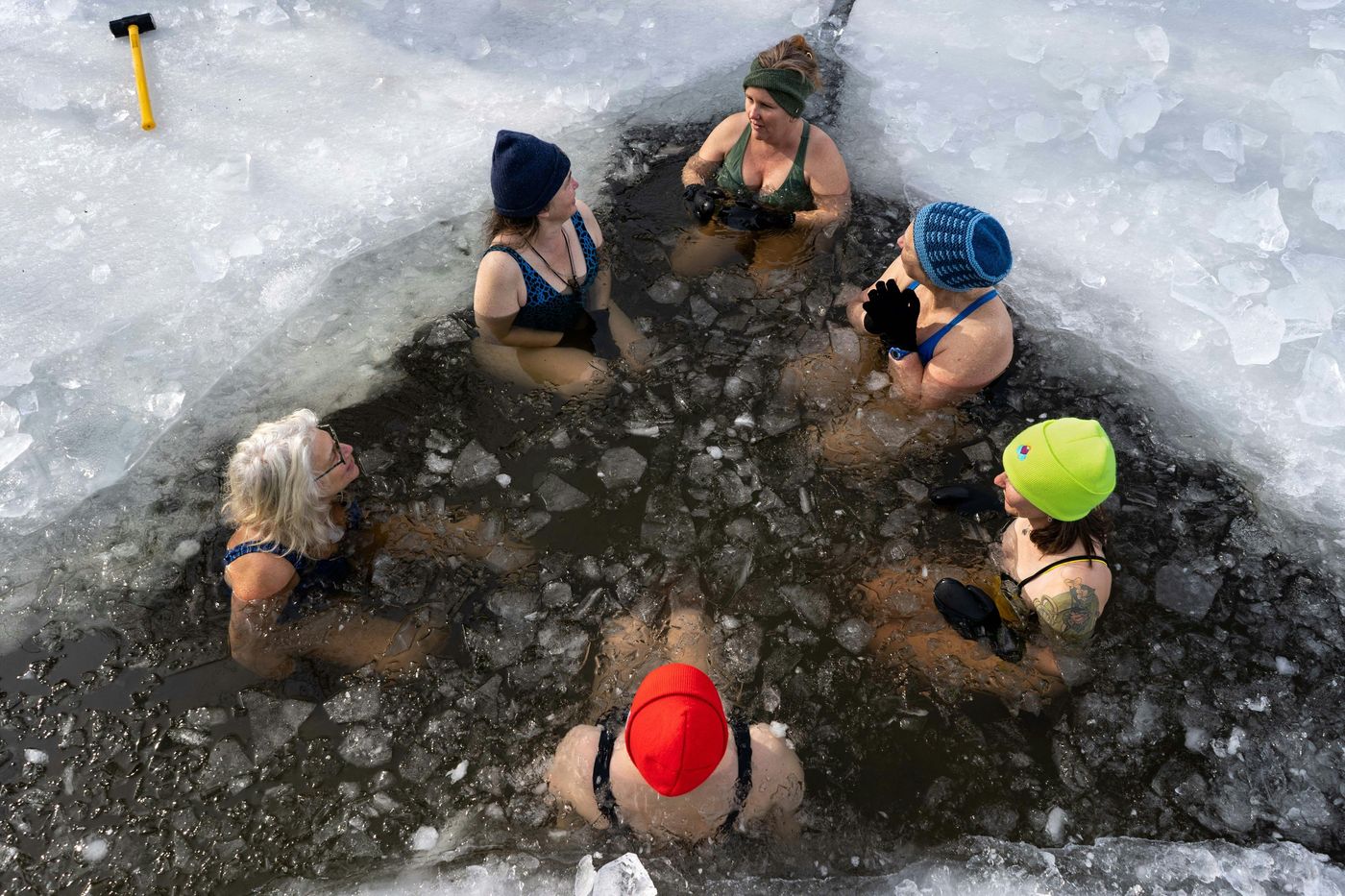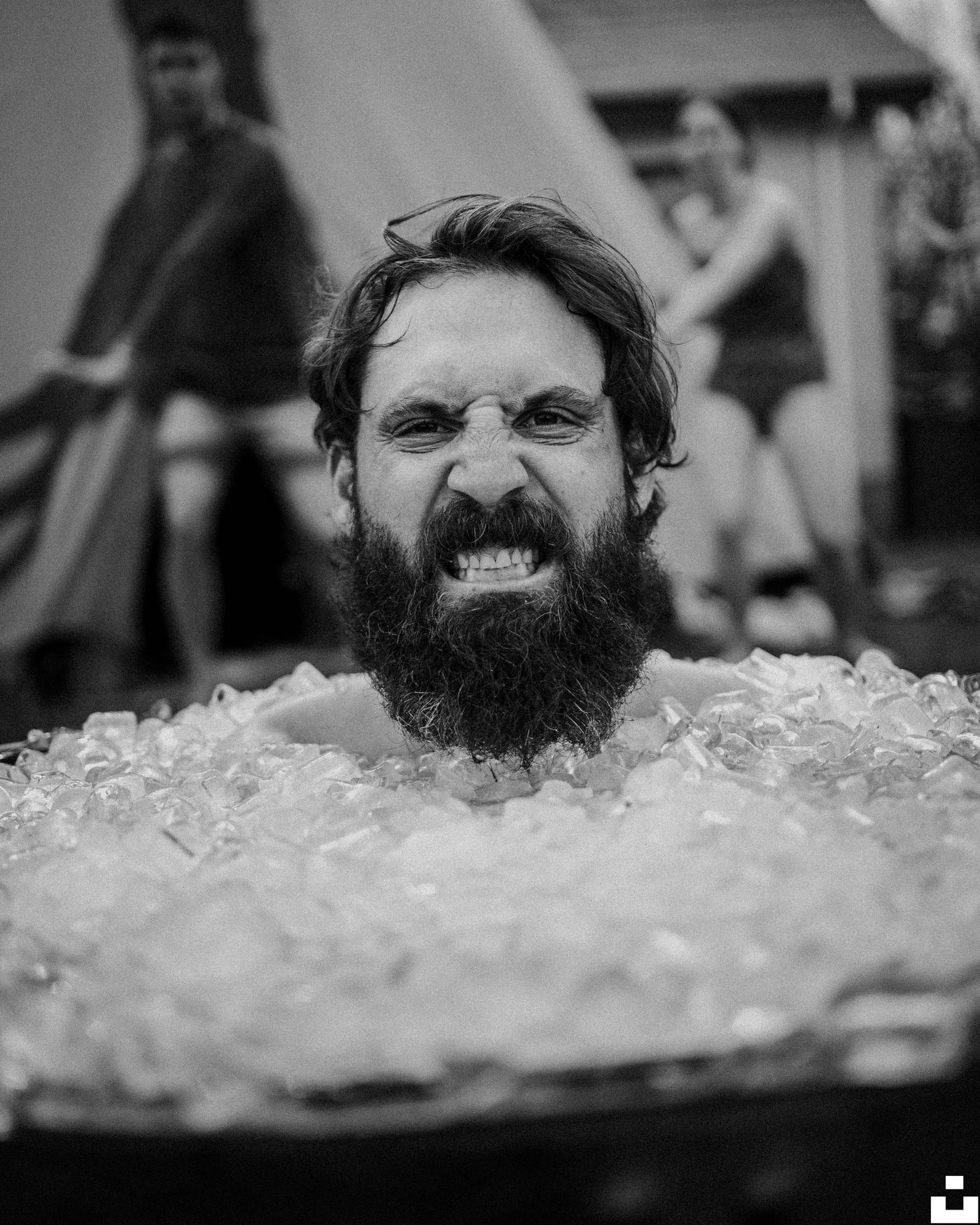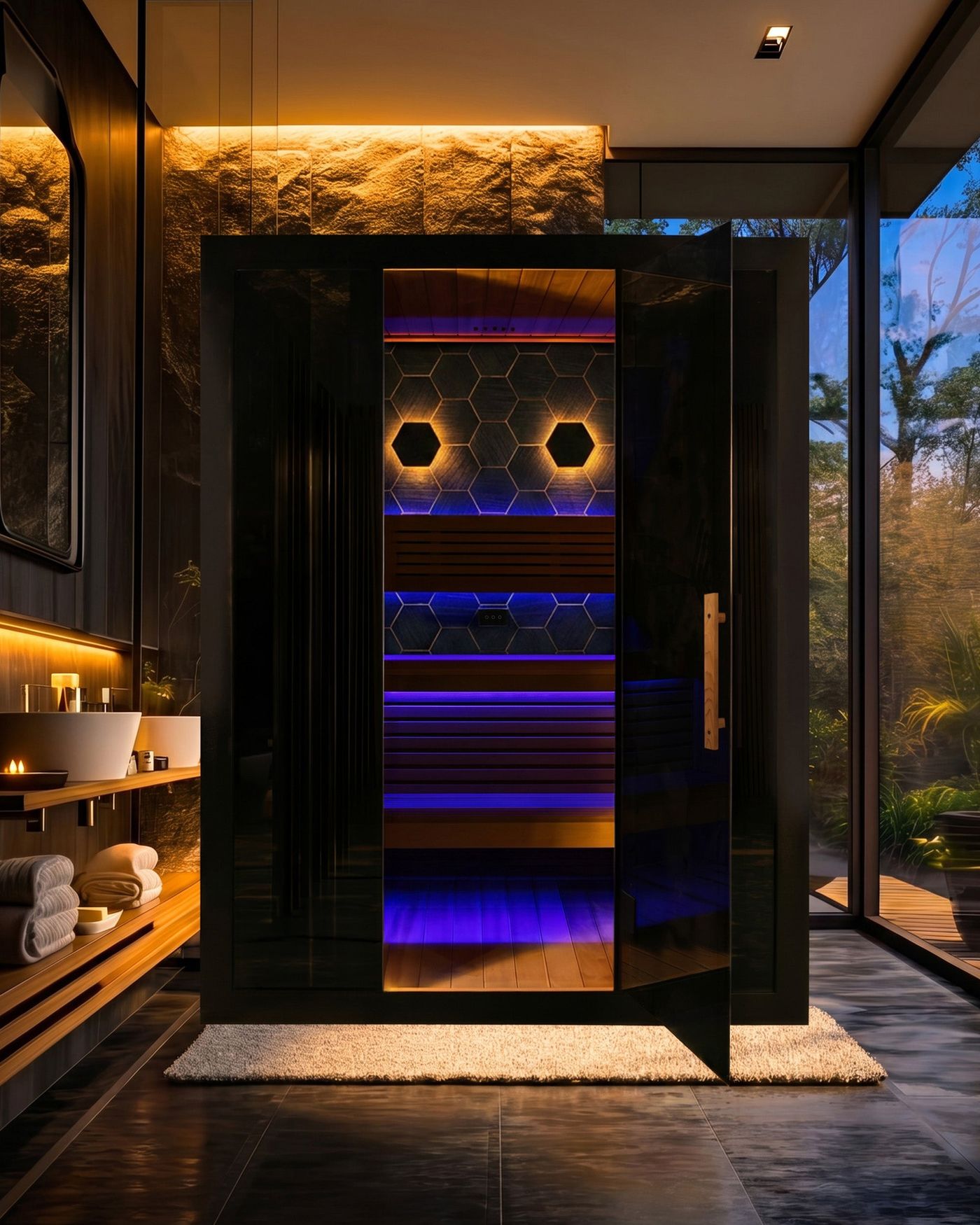
Sauna and cold plunge contrast therapy has moved from Nordic tradition into modern recovery routines. Athletes, biohackers, and weekend trainers now alternate between hot rooms and cold water. The idea is simple: heat opens blood vessels, cold constricts them. That repeated shift creates a pump-like effect in circulation. Many people report feeling alert and less sore after a session. The practice has roots in Finnish sauna culture and cold water swimming. You can try it with a home sauna or a simple cold plunge tub.
The sauna raises skin and core temperature. Blood flow shifts toward the skin and extremities. Heart rate increases. A cold plunge then triggers rapid vasoconstriction. Blood moves back toward the core. This contrast may help shuttle metabolic waste away from working muscles. Research on recovery is still developing. Most studies are small or observational. Still, the subjective relief is real for many users. Cleveland Clinic notes that alternating heat and cold can improve circulation and reduce soreness. You can read more from Cleveland Clinic.
Contrast therapy is not one-size-fits-all. Beginners need shorter heat and cold exposures. Experienced users often push longer rounds. A common starting point is 10 minutes in a sauna followed by 1 minute in cold water. You can repeat that cycle two or three times. Always listen to your body. Avoid extreme temperatures if you have heart conditions or are pregnant. Start with the cold plunge safety guide for beginners before your first session.
| Protocol | Heat Phase | Cold Phase | Rounds | Best For |
|---|---|---|---|---|
| Beginner | Sauna 8 to 10 min at 70 to 75 C (158 to 167 F) | Cold plunge 1 min at 12 to 15 C (54 to 59 F) | 2 rounds | New users and recovery days |
| Intermediate | Sauna 10 to 15 min at 75 to 80 C (167 to 176 F) | Cold plunge 1 to 2 min at 10 to 12 C (50 to 54 F) | 3 rounds | Regular exercisers and athletes |
| Advanced | Sauna 15 to 20 min at 80 to 90 C (176 to 194 F) | Cold plunge 2 to 3 min at 5 to 10 C (41 to 50 F) | 3 to 4 rounds | Experienced users with gradual build-up |
What Is Sauna and Cold Plunge Contrast Therapy?
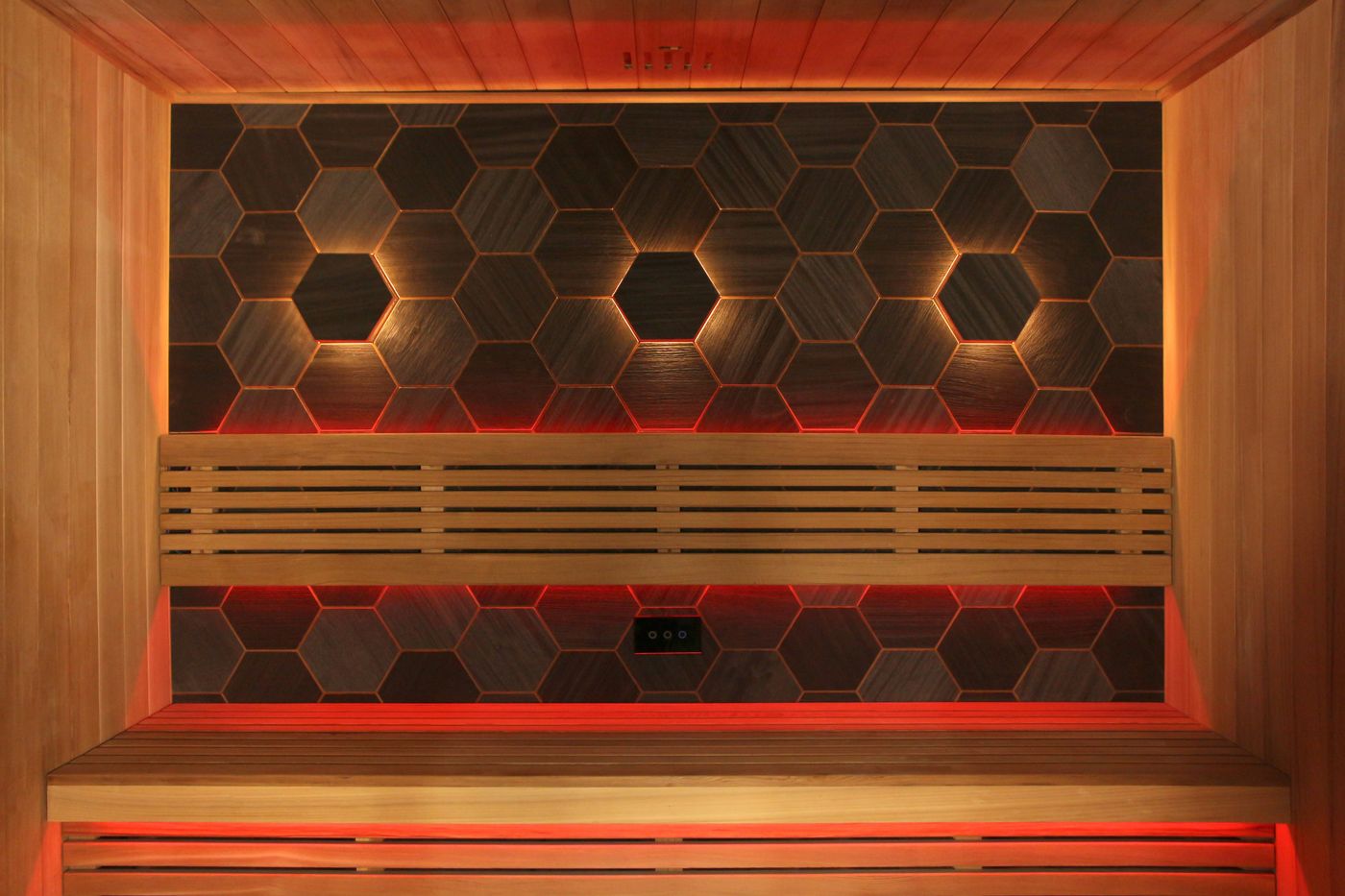
Contrast therapy is a deliberate alternation between hot and cold environments. The hot phase typically takes place in a traditional sauna, infrared sauna, or hot shower. The cold phase usually involves a cold plunge tub, cold bath, or cold shower. You move from heat to cold and back again in repeated cycles. This contrast exposes blood vessels to rapid dilation and constriction. The result is a vascular pump that many people find invigorating.
The practice is not new. Finnish sauna culture includes rolling in snow or jumping into cold lakes after a hot sauna. Japanese onsen traditions also alternate hot baths with cold plunges. Modern recovery centers now use contrast therapy after training sessions. Some people also use it on rest days for general wellness. You can pair a best home sauna with a cold plunge for the same effect.
The physiological response is straightforward. Heat relaxes smooth muscle in blood vessels. Blood moves to the skin and helps release heat. Cold causes immediate vasoconstriction. Blood moves back toward vital organs. Repeating this cycle may help move fluid and metabolic byproducts through tissues. The evidence for this is mostly physiological, not fully proven in large clinical trials. However, many users report reduced muscle stiffness and improved energy after contrast sessions.
What Are the Proven Benefits of Contrast Therapy?
Several benefits are supported by preliminary research and subjective reports. Muscle soreness is the most common reason people try contrast therapy. A 2016 review in the Journal of Athletic Training found that contrast water therapy may reduce perceived muscle soreness after exercise. The effect was modest. It may be similar to other recovery methods like active recovery or compression. But many athletes prefer contrast therapy because it feels more alert and refreshing.
Circulation is another proposed benefit. Heat increases heart rate and blood flow. Cold causes vasoconstriction. The repeated switching may improve blood vessel responsiveness over time. This is a demonstrated physiological response. Still, long-term cardiovascular outcomes need more study. Observational data on sauna alone is stronger. A Finnish study followed men for over 20 years. Men who used the sauna four to seven times per week had a 63 percent lower risk of sudden cardiac death compared with once-weekly users. You can read the summary from Harvard Health. That study was observational, so it cannot prove cause and effect.
Mood and alertness also improve for many users. Cold water immersion increases certain neurotransmitters. Heat exposure can release endorphins. Together, the contrast can feel like a reset for the nervous system. Some people use contrast therapy as a form of stress inoculation. They train the body to stay calm during uncomfortable temperature shifts. This is a psychological benefit, not a medically proven treatment for anxiety or depression. Still, the subjective lift after a session is common enough to mention.
Recovery tools are not magic. Contrast therapy works best when paired with sleep, nutrition, and proper training load. It is one tool among many. If you want a deeper look at the cold side, see cold plunge benefits.
What Does the Research Say About Sauna and Cold Exposure?
The research base is mixed but growing. Sauna studies are mostly observational. They show strong associations between frequent sauna use and lower cardiovascular mortality. One well-known study from Finland found that four to seven sauna sessions per week were linked to a 50 percent lower risk of cardiovascular disease mortality. That same data showed a 63 percent lower risk of sudden cardiac death. These numbers apply to sauna alone, not contrast therapy. But the heat component of contrast therapy shares the same mechanism.
Cold water immersion has more mechanistic studies. A small study published in the European Journal of Applied Physiology found that cold water immersion at 14 degrees Celsius increased norepinephrine by 530 percent and dopamine by 250 percent. Norepinephrine is a hormone and neurotransmitter that affects alertness and vasoconstriction. Dopamine affects motivation and mood. You can find similar peer-reviewed studies on PubMed. These hormonal changes are a strong physiological response. They do not automatically mean better recovery, but they help explain why people feel awake after cold exposure.
Contrast therapy itself has fewer high-quality trials. A 2022 meta-analysis in Sports Medicine looked at cold water immersion and contrast water therapy for recovery. The authors found a small to moderate benefit for reducing muscle soreness and fatigue. The effect was greatest at 24 hours after exercise. They also noted that individual response varies a lot. Some people respond well. Others see little difference compared with doing nothing.
This is why you should treat contrast therapy as a personal experiment. Start with conservative protocols. Track how you feel the next day. Adjust duration and temperature based on your own data. Do not rely on contrast therapy to fix poor sleep or overtraining. Use external resources like PubMed if you want to read the original studies.
What Is the Best Contrast Therapy Protocol?
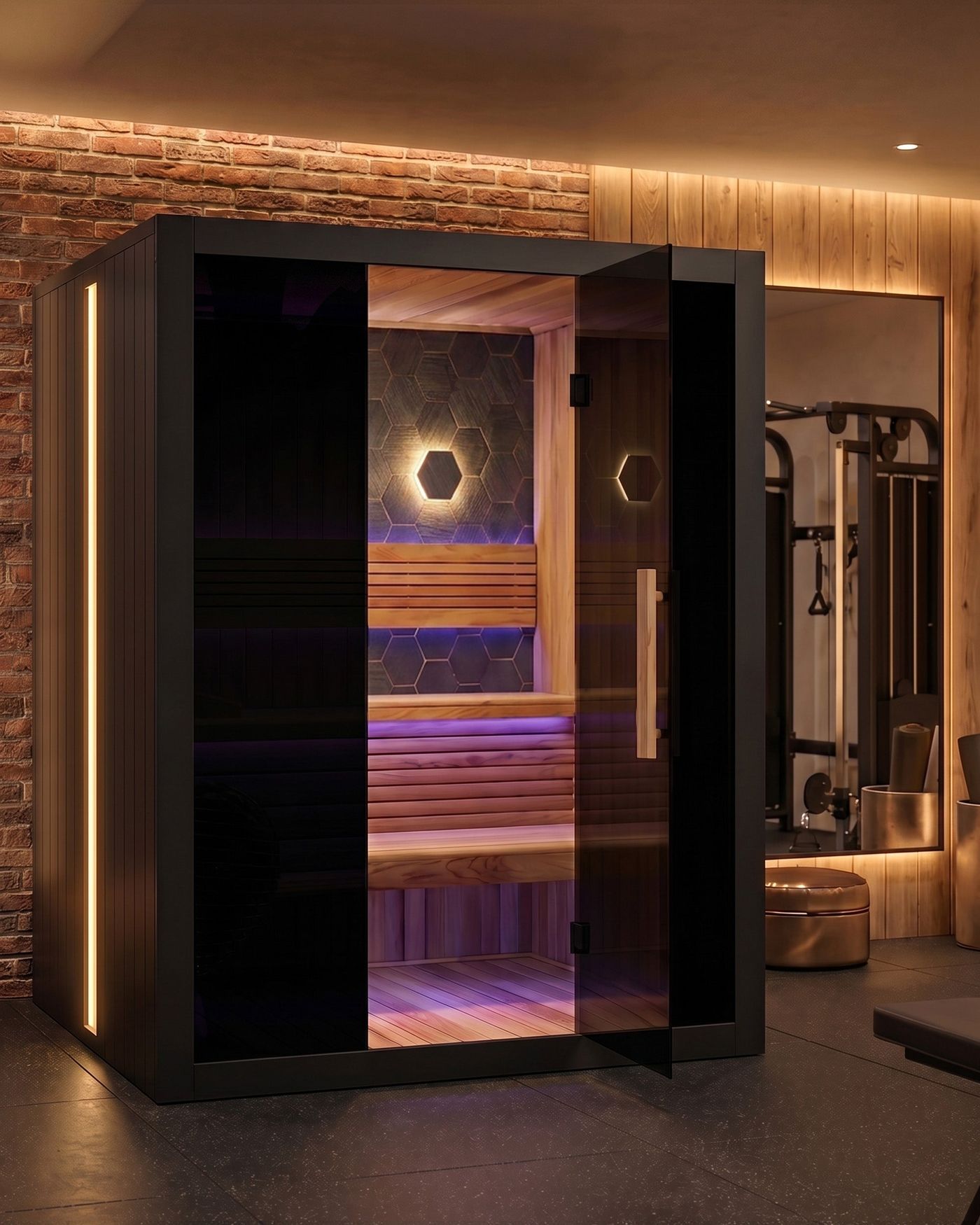
There is no single perfect protocol. The best protocol is the one you can repeat safely. A common beginner protocol is easy to remember: heat first, then cold, then rest, then repeat. Start with a warm shower or light movement for five minutes. This prepares your circulatory system. Then enter the sauna for 8 to 12 minutes. You want a comfortable but challenging heat. After the sauna, move directly to the cold plunge. Stay for 1 to 2 minutes. Focus on slow breathing.
After the cold plunge, rest for 2 to 5 minutes. Let your heart rate settle. Then repeat the cycle. Two to three rounds are enough for beginners. More rounds do not always mean more benefit. The quality of the contrast matters more than the number of cycles. You can follow a cold plunge protocol for beginners for more detail on pacing.
As you adapt, you can extend each phase. Some experienced users do 15 to 20 minutes of sauna followed by 2 to 3 minutes of cold water. They may complete three to four rounds. But this is not necessary for everyone. More time in the cold raises the risk of hypothermia and loss of dexterity. More time in the heat raises the risk of dizziness and dehydration. Build gradually over several weeks. Hydrate before and after each session. Add electrolytes if you sweat heavily in the sauna.
The table below gives three protocol options. Choose one based on your experience and how you feel that day. Never force a longer cold plunge if you are shivering uncontrollably. Never force longer heat if you feel lightheaded. The goal is contrast, not suffering.
- Begin with a 5 minute warm shower or light movement.
- Use the sauna for 8 to 12 minutes at 70 to 80 degrees Celsius (158 to 176 degrees Fahrenheit).
- Enter the cold plunge for 1 to 2 minutes at 10 to 15 degrees Celsius (50 to 59 degrees Fahrenheit).
- Rest for 2 to 5 minutes and repeat the cycle 2 to 3 times.
- End on cold if you want alertness or on heat if you want relaxation.
What Temperature Should You Use for Sauna and Cold Plunge?
Temperature matters more than time for most people. The sauna phase should be hot enough to make you sweat but not so hot that you feel faint. Traditional Finnish saunas often run between 70 and 90 degrees Celsius. That is 158 to 194 degrees Fahrenheit. Infrared saunas run cooler, usually between 45 and 60 degrees Celsius. The perceived heat is still strong because infrared warms the body directly. You can compare options in best infrared saunas 2026.
Cold plunge temperatures vary widely. Many cold plunges run between 10 and 15 degrees Celsius. That is 50 to 59 degrees Fahrenheit. This range is cold enough to trigger vasoconstriction without being unbearable. Some experienced users go colder, down to 5 degrees Celsius or lower. But colder is not always better. The hormonal response plateaus at a certain point. The risk of cold shock rises as temperature drops. For a detailed breakdown, see cold plunge temperature guide.
What about the contrast between the two? A larger temperature difference creates a stronger vascular response. But a bigger difference is also more stressful. Beginners should keep the difference moderate. For example, pair a 75 degree Celsius sauna with a 12 degree Celsius cold plunge. That is a large but manageable contrast. As you adapt, you can widen the gap. Never jump from a very hot sauna into icy water below 5 degrees Celsius without gradual acclimation. The cold shock response can cause rapid breathing and gasping. Mayo Clinic advises caution for people with heart conditions. You can review safety guidance from Mayo Clinic.
Your body will tell you if the temperature is wrong. Excessive shivering, numb fingers, or pain in the cold means it is too cold. Dizziness, nausea, or a racing heart in the sauna means it is too hot. Adjust the temperature before you adjust the time. A moderate temperature with a consistent protocol beats an extreme one that you cannot repeat.
Is Contrast Therapy Safe for Everyone?
Contrast therapy is safe for most healthy adults. But it is not for everyone. Heat and cold both stress the cardiovascular system. The rapid shift between them can cause blood pressure fluctuations. People with uncontrolled high blood pressure, heart disease, or a history of stroke should avoid contrast therapy unless cleared by a doctor. The same applies to people with arrhythmias or peripheral vascular disease. The cold plunge safety guide for beginners covers these risks in detail.
Pregnancy is another reason to be cautious. Sauna use during pregnancy can raise core body temperature. Cold plunging can cause sudden blood pressure shifts. Pregnant women should generally avoid contrast therapy. If you have Raynaud’s syndrome or cold urticaria, cold exposure can trigger flare-ups. These are not minor concerns. They are reasons to choose a different recovery method.
Alcohol and contrast therapy do not mix. Alcohol dilates blood vessels and impairs judgment. That can lead to overheating in the sauna or a dangerous fall near the cold plunge. Avoid alcohol before and after sessions. Hydration is also critical. You lose fluids through sweat in the sauna. Cold exposure can mask thirst. Drink water before, during, and after your session.
If you are new, do not start alone. Have someone nearby during your first few sessions. This is especially important if you have any medical history. Start with shorter exposures and moderate temperatures. You can track how you feel after each round. If you feel faint, dizzy, or confused, stop immediately. Seek medical attention if symptoms persist. Contrast therapy is a tool, not a competition. Build your tolerance slowly and respect your limits.
If you want to learn how often to use cold plunging safely, see how often should you cold plunge.
Frequently Asked Questions
How often should I do contrast therapy?
Most people can do contrast therapy 2 to 4 times per week. Allow at least one rest day between sessions to let your body adapt.
Can I do contrast therapy at home?
Yes. You need a sauna or hot shower and a cold plunge tub. A dedicated cold plunge makes the cold phase more consistent, but a cold shower can work when you are starting out.
Should I end on cold or heat?
End on cold if you want alertness and faster perceived recovery. End on heat if you want relaxation and better sleep.
How long should I stay in the cold plunge during contrast therapy?
Start with 1 to 2 minutes. You can build up to 3 minutes over several weeks. Never stay in longer than 5 minutes without experienced guidance.
Is contrast therapy good for muscle recovery?
Many users report less muscle soreness after contrast therapy. Research is preliminary, and the perceived benefit may come from reduced inflammation and improved circulation. More controlled trials are needed.
Can anyone do contrast therapy?
Most healthy adults can do it. Talk with a doctor first if you have heart disease, high blood pressure, Raynaud’s syndrome, or are pregnant. Avoid alcohol before sessions.
What Should You Remember?
- Contrast therapy alternates sauna heat and cold plunge to improve circulation and recovery.
- Start slow with 10 minutes of heat and 1 minute of cold, repeated 2 to 3 times.
- Research shows regular sauna use is linked to cardiovascular benefits in observational studies.
- Cold immersion triggers a strong hormonal response, including increased norepinephrine.
- Temperature matters so keep the sauna around 70 to 80 degrees Celsius and cold water around 10 to 15 degrees Celsius.
- Listen to your body and stop if you feel dizzy, faint, or too uncomfortable.
- Check with a doctor before starting if you have heart disease, high blood pressure, or are pregnant.
This article is for general information only and is not medical advice. Cold water immersion and sauna use can be risky for people with cardiovascular conditions, Raynaud’s disease, or who are pregnant. Always consult a physician before beginning cold therapy or heat therapy.