Train hard, recover harder sounds like gym wall advice until you try it. A full recovery station changes how your body handles repeated training days. Cold water immersion drives norepinephrine and reduces perceived soreness, while sauna heat improves heart rate recovery and sleep quality. The combination is more than a spa luxury. It is a repeatable performance tool. If you have been stacking ice bags in a bathtub, read our cold plunge benefits and see why a dedicated tub beats the bathtub. The right pairing also protects against the two biggest recovery mistakes: irregular temperature and sessions that are too long.
Temperature is the spec that separates a real station from a novelty. A chest freezer that hovers at 48°F is not the same as a chiller-driven tub holding 39°F. Heat side matters too. Infrared panels at 140°F and full-spectrum cabins at 170°F create different thermoregulatory stress. Before you choose a combo, decide what temperatures you will actually use each week. Our cold plunge temperature guide walks through the ranges. I also considered plumbing, electrical load, door clearance, and whether each brand ships replacement parts without a six-week wait.
We compared four practical setups rather than a list of single products. Each pairing includes a cold plunge and a heat unit, with real prices, dimensions, and limitations. I pulled current prices and specs from manufacturer pages including Sun Home Saunas, Plunge, and Ice Barrel. The goal is not to crown one winner. The goal is to show where each station fits: apartments, garages, backyard gyms, and basement recovery rooms. That means some picks are better for renters, while others fit homeowners with space to spare.
There is a hidden cost in any combo: the space between the two units. You want a clear path from sauna to plunge because contrast sessions are timed. If you have to walk across the house, the recovery habit falls apart. Budget also breaks into upfront cost, electrical work, and ongoing ice or filter replacement. Some setups look cheap until you price 40 pounds of ice per week. If you are still deciding between barrel or tub, read cold plunge vs ice bath. Then use the comparisons below to build the station that fits your weekly frequency.
How Do the Top Options Compare?
| Setup | Price Range | Cold Plunge Temp | Sauna Max Temp | Footprint | Best For |
|---|---|---|---|---|---|
| Sun Home Cold Plunge Pro + Luminar Sauna | Check price | 32°F | 170°F | 12x7 ft room recommended | Premium full recovery station |
| Plunge All-In + Plunge Sauna | Check price | 39°F | 170°F | 10x6 ft room recommended | One-brand simplicity |
| Ice Barrel 500 + Dynamic Barcelona Sauna | Check price | 40-45°F with ice | 140°F | 7x5 ft area | Budget without chiller |
| DIY Chest Freezer + Home Infrared Sauna | Check price | 37°F chiller controlled | 140°F | 10x6 ft space | Custom tinkerers |
Prices are retail estimates before shipping, taxes, and electrical work. Cold plunge temps assume ambient tap water, proper ice load, or chiller operation.
1. Sun Home Cold Plunge Pro + Sun Home Luminar 2-Person Sauna , Premium full-spectrum recovery
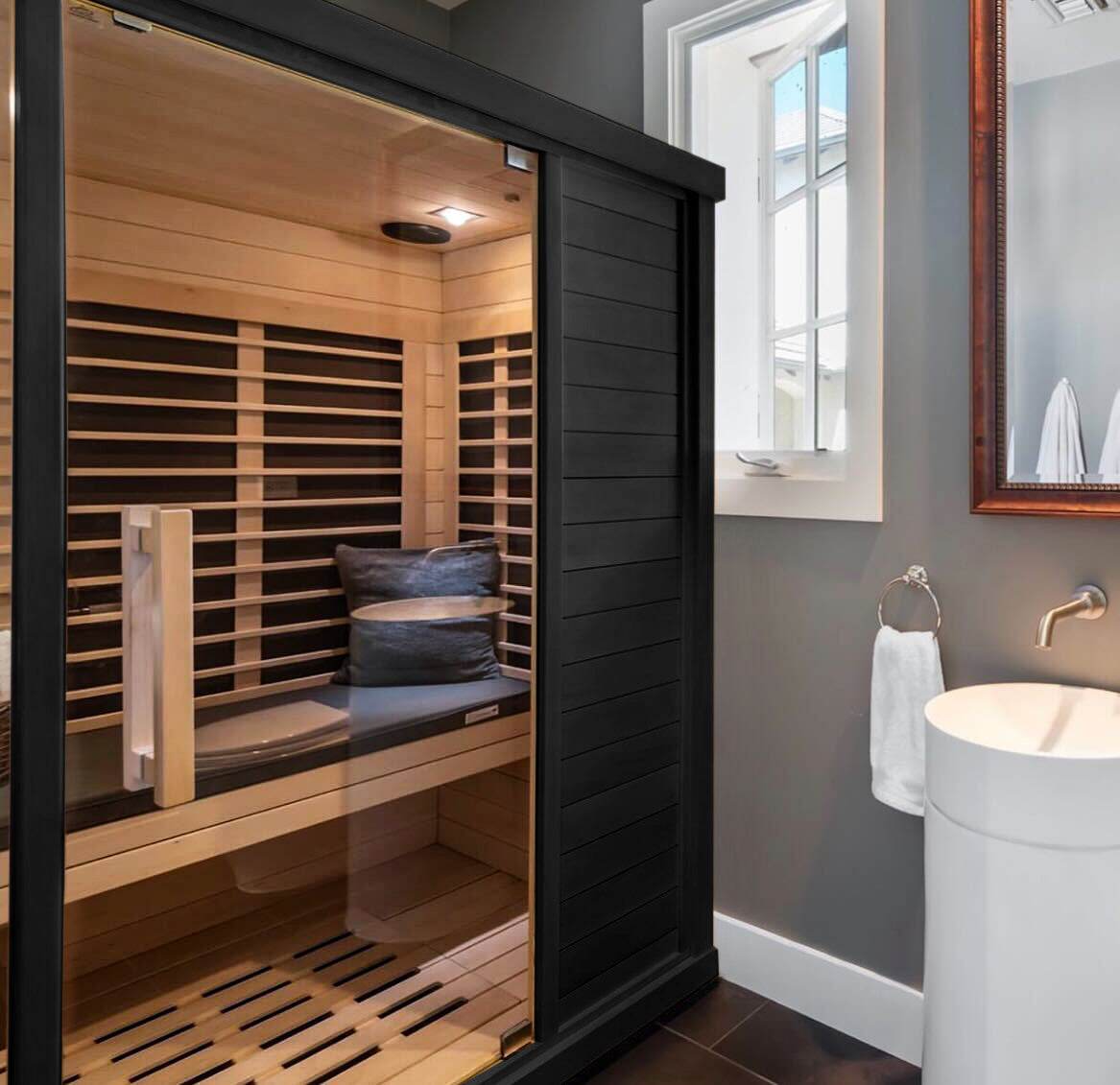
Chilling to 32°F without ice changes how you plan sessions. The Sun Home Cold Plunge Pro pairs a 1 HP chiller with a 20-micron filter and ozone sanitation. That means you fill it once, run a weekly sanitation cycle, and skip the ice runs. The tub holds about 100 gallons and fits most patios or garages. Pair it with the Luminar 2-person full-spectrum infrared sauna, which reaches 170°F and includes near, mid, and far infrared panels.
Footprint is real. The cold plunge measures roughly 67 by 34 inches. The Luminar sauna needs about 53 by 42 inches of floor space, plus clearance for the door. Total installed cost lands near $11,000 to $12,500 before shipping. You also need a dedicated 20-amp circuit for the chiller and a separate outlet for the sauna. If you are planning a multi-room recovery corner, read our best infrared saunas for layout ideas.
The Luminar sauna uses seven full-spectrum heaters, and you can run it at lower settings for longer sessions. At 170°F, the cabin gets hot enough for a solid sweat, but it is still an infrared unit rather than a traditional Finnish sauna. If you want a more aggressive heat spike, a steam or traditional sauna might be the better pair. Most athletes do not need more than this. They need consistent cold at 32°F and consistent heat at 170°F. This setup delivers both without requiring extra ventilation beyond standard door gaps and a nearby window.
Warranty is stronger than most bundle deals. Sun Home covers the cold plunge structure for one year and the sauna cabin for six years, with separate heater coverage. The downside is the total bill. You can absolutely build a cheaper stack. But if you want a matched pair that runs cold to 32°F and hot to 170°F, this is the benchmark.
Key strengths:
- ✅ Chills to 32°F without any ice or ice chest
- ✅ Full-spectrum infrared plus chromotherapy in the sauna
- ✅ Integrated 20-micron filtration and ozone sanitation
- ✅ Sauna cabin warranty runs six years
- ✅ One brand support for both units
- ❌ Combined cost exceeds $11,000 before shipping
- ❌ Needs a dedicated electrical circuit and separate outlets
- ❌ Large footprint may not work for apartments
Who it’s for: Athletes and high-end home recovery buyers who want the coldest plunge and full infrared heat with one brand.
2. Plunge All-In + Plunge Sauna , One-brand simplicity
The Plunge All-In removes ice and guesswork. Plunge rates the All-In at 39°F, with a 75-gallon tub, a 10-micron filter, and an insulated lid that cuts evaporation. The unit runs on a 120-volt, 20-amp circuit, so most garages can accept it without a panel upgrade. Pair it with the Plunge sauna, a compact two-person electric sauna that heats to about 170°F.
Price sits around $9,800 to $11,500 for the combo, depending on current bundles. That is not cheap, but the value is in one warranty path and one support team. You are not cross-shipping parts between two brands. For recovery frequency, see how often cold plunge to match your session load.
The Plunge All-In’s 75-gallon tub is big enough for users up to about six foot five. The insulated lid keeps overnight cooling from running the chiller constantly. Filter changes take about five minutes and cost less than most hot tub filters. The Plunge sauna uses vertical carbon heaters and fits in tighter corners. You still need a power source near the tub and another near the sauna, but both run on standard household current. That simplifies installation compared to a traditional 240V sauna.
The main knock is tub width. Taller users often say the All-In feels narrower than a barrel style. The sauna also requires assembly, and delivery times have been long during peak months. Still, if you want a clean setup without buying a chiller and a separate sauna from different vendors, this pair is the easiest premium choice.
Key strengths:
- ✅ One brand and one support line for both units
- ✅ No ice runs and a 10-micron filter included
- ✅ Cold plunge runs on a standard 120V 20-amp circuit
- ✅ Sauna heats to 170°F
- ✅ Insulated lid and pump are built in
- ❌ Combined price is near $11,000
- ❌ Smaller cold plunge interior may feel cramped
- ❌ Long delivery windows can disrupt install plans
Who it’s for: Buyers who want a premium paired setup with no DIY wiring or ice management.
3. Ice Barrel 500 + Dynamic Barcelona 2-Person Infrared Sauna , Budget full recovery station
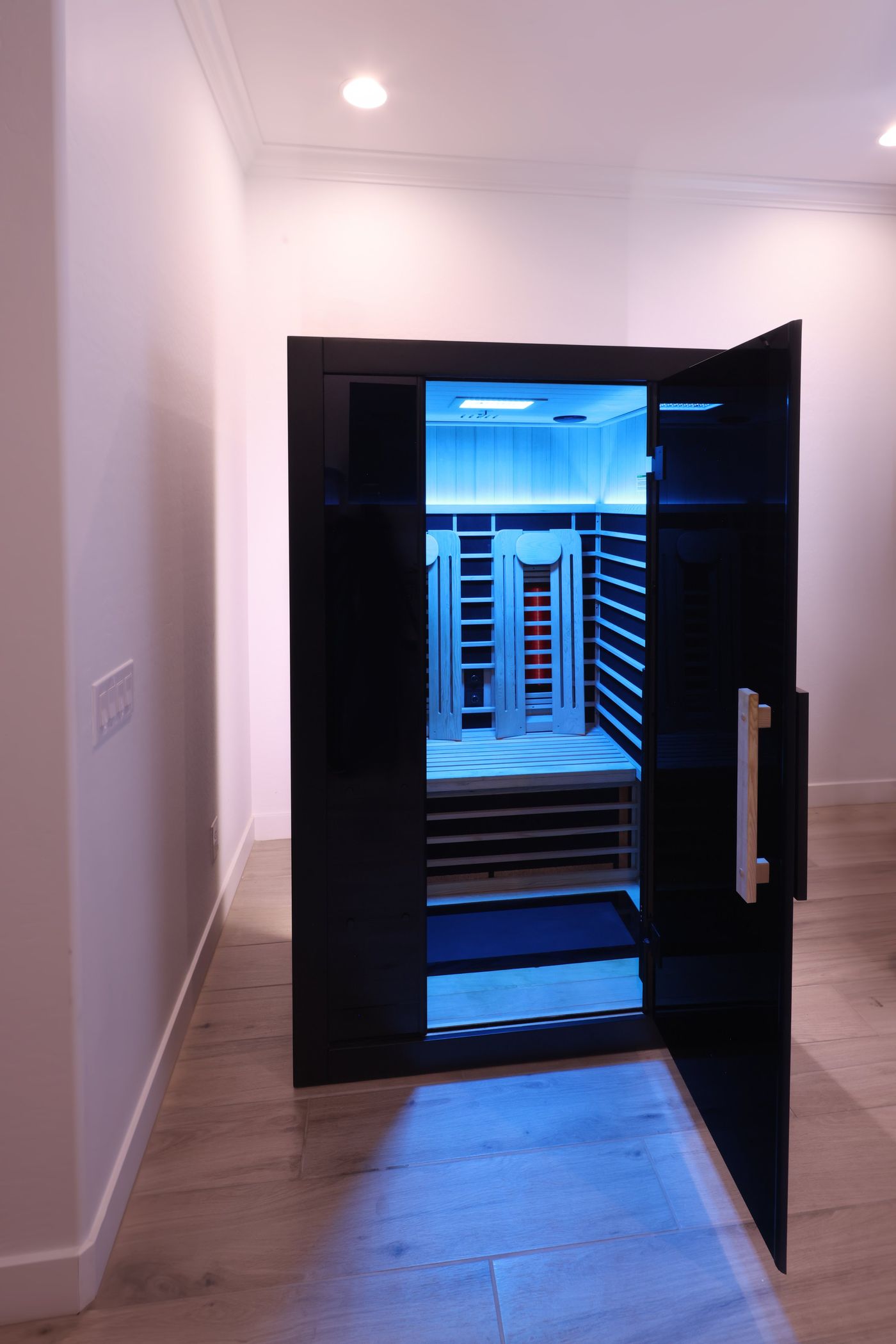
Start with the Ice Barrel 500. Ice Barrel builds a 105-gallon insulated barrel that costs about $1,999. It does not include a chiller, so you add 15 to 30 pounds of ice per session to reach 40°F to 45°F. The barrel is 42 inches wide and 40 inches tall, which makes it easy to fit in a backyard corner. Pair it with the Dynamic Barcelona two-person infrared sauna, which sells for about $2,200 to $2,800 depending on the retailer.
Total cost lands around $4,000 to $4,800. That is less than half of a premium combo. The tradeoff is labor. Ice runs become part of your workout, especially in summer. The infrared sauna maxes out near 140°F, lower than full-spectrum units. If you want deeper heat, the premium options pull ahead. But if you are new to contrast therapy, this setup lets you test the habit without a five-figure spend.
This is also the easiest station to move. The ice barrel drains quickly and rolls when empty. The sauna breaks into panels. Ice management is the real recurring cost. In warm climates, you might spend $15 to $25 per week on bagged ice, which adds $700 to $1,200 per year. That recurring expense closes the gap against some premium units over three to five years.
Still, for a first full recovery station, the Ice Barrel plus Dynamic Barcelona setup makes sense. You learn your actual usage before spending more. If you later upgrade to a chiller-driven tub, you can keep the sauna and sell the barrel.
Key strengths:
- ✅ Upfront cost stays under $5,000 for both units
- ✅ Ice Barrel holds 105 gallons and is simple to clean
- ✅ Infrared sauna plugs into a standard 120V outlet
- ✅ Small footprint fits yards, basements, or garages
- ✅ No chiller to maintain or winterize
- ❌ Ice cost and hauling add up over time
- ❌ Max sauna temperature is about 140°F
- ❌ No integrated filtration or ozone in the barrel
Who it’s for: Budget-conscious beginners who want real cold and sauna recovery without a large upfront investment.
4. DIY Chest Freezer Cold Plunge + Home Infrared Sauna Kit , Custom tinkerers
A DIY cold plunge chest freezer is the cheapest way to hit 37°F on demand. Start with a 7-cubic-foot chest freezer, add a cold plunge water chiller for warmer months, a separate thermostat controller, and waterproof sealant. Expect $1,200 to $1,800 for the tub once you are done. Add a two-person hemlock infrared sauna kit from a home improvement retailer for $2,200 to $3,000.
Total cost is usually $3,500 to $5,000, but the range depends on how much you scavenge and whether you pay an electrician. The payoff is control. You can size the freezer to your height, add a UV filter, or run the chiller only when needed. The sauna maxes around 140°F, which is enough for most home protocols.
This is the slowest route. Sealing a chest freezer takes time, and leaks are common if you rush. The warranty is split across the freezer, chiller, and sauna vendor. If you enjoy troubleshooting, this is a fun build. If you want plug-and-play, skip it.
One advantage is modular failure. If a chiller dies in year three, you replace only that part. If you move, you can sell the sauna and keep the freezer plunge. That flexibility appeals to people who treat recovery gear like a workshop project rather than an appliance purchase. For contrast session timing, keep cold sessions short and breathe slowly before stepping out.
Key strengths:
- ✅ Lowest total cost for a true 37°F plunge
- ✅ Fully customizable tub size, filtration, and chiller
- ✅ Modular repairs mean you only replace one component
- ✅ Sauna uses standard household electrical
- ✅ Can be built in stages over a few weekends
- ❌ Assembly and waterproofing can take 10 to 20 hours
- ❌ No single warranty across the whole station
- ❌ Leak or rust problems require DIY fixes
Who it’s for: Hands-on buyers willing to spend weekends building a budget setup with cold chiller control.
Frequently Asked Questions
Can I use a cold plunge and sauna on the same day?
Yes. Most contrast therapy protocols alternate 10 to 15 minutes of sauna with 1 to 3 minutes of cold water immersion. Repeat two to three cycles and finish on cold if you need alertness or heat if you want to relax.
Which order is better, cold plunge or sauna first?
Start with the sauna first for most recovery sessions. Heat raises tissue temperature and makes cold exposure more tolerable. Finish with a short cold plunge if you want a norepinephrine boost for mental clarity.
How much space do I need for a full recovery station?
Plan for at least 7 by 7 feet for a compact ice barrel and infrared sauna. Premium combos often need a 10 by 6 foot room with door clearance and a dedicated electrical circuit.
How much does a cold plunge and sauna combo cost?
Expect to spend $3,500 to $5,000 for a DIY or ice barrel setup. Premium one-brand bundles from Sun Home or Plunge run $9,800 to $12,500 before shipping and electrical work.
Do I need a 240V outlet for a home sauna?
Most two-person infrared saunas run on a standard 120V outlet, but some require a dedicated 20-amp circuit. Larger traditional saunas and some full-spectrum cabins may need 240V.
Is a chiller necessary for a cold plunge tub?
No. Ice barrels and chest freezer conversions can reach target temperatures without a chiller. A chiller automates cooling and holds temperature between sessions, which is useful for daily use.
What Should You Remember?
- Total spend ranges from $3,500 for DIY to $12,500 for premium one-brand bundles.
- Cold plunge temp should fall between 39°F and 45°F for most recovery sessions.
- Sauna max temp varies from 140°F infrared to 170°F full-spectrum models.
- Footprint and power usually matter more than brand names in small homes.
- Ice-based tubs trade upfront savings for ongoing ice runs and less temperature control.
- Filtration and sanitation cut maintenance in chiller-driven tubs.
This article is for general information only and is not medical advice. Cold water immersion and sauna use can be risky for people with cardiovascular conditions, Raynaud’s disease, or who are pregnant. Always consult a physician before beginning cold therapy or heat therapy.