Cold exposure has moved from the plunge tub to the bathroom counter. The Shark CryoGlow mask is the clearest example so far: an LED face mask with a chilled plate that presses against the skin under your eyes while red and blue lights do their work. If you already own a plunge tub or sit in a sauna three nights a week, this device raises a fair question. Does targeted facial cooling add anything to the recovery you already get from full-body cold immersion? Short answer: it does a different job. A plunge tub drops your core temperature and drives the cardiovascular and mood effects most people are chasing. A face mask works on the surface, on puffiness, redness, and skin comfort. Both can live in the same weekly routine without stepping on each other.
We compared the Shark CryoGlow against four alternatives you might buy instead: a plain LED face mask, a full cold plunge tub, a cryotherapy studio session, and a fifteen dollar ice roller. Every option was scored on the same five things. Temperature or intensity, session length, evidence behind the claim, upkeep, and total cost over two years. Skin claims get graded hard here because the marketing runs far ahead of the data. Light therapy has real published support for acne and surface inflammation, and cold facial tools have decent evidence for short-term puffiness. Neither one rebuilds a strained hamstring or lowers resting heart rate the way cold water does.
Timing matters more than most buyers expect. Heat and cold do opposite things to blood vessels. A sauna session pushes blood to the skin and raises surface temperature, so following it with a chilled mask feels good and calms visible flushing. The vascular response to heat and cold is well documented at that surface level. Cold immersion after heat is the classic contrast protocol, and recovery studios pair the two for exactly that reason. What you should not do is treat a mask as a stand-in for a plunge. The two tools sit on different scales. A mask chills a few square inches of skin, while a tub pulls heat out of a body weighing 150 pounds or more. Our cryotherapy comparison breaks down how those whole-body doses actually differ.
Price is the other split. The Shark CryoGlow sits in the premium tier of at-home beauty devices, well above a basic LED mask and far below a chiller-equipped tub. That gap is not a knock on the mask. It reflects what you get: a compact, rechargeable device that needs no water, no ice, and no drain. A plunge tub needs a filter change every few weeks, water chemistry, and a chiller that draws power all day. If your goal is skin, buy the mask. If your goal is recovery, sleep, and core temperature control, the tub is the only one of the two that will move the needle.
How Do the Top Options Compare?
| Option | Best For | Cold Source | Session Time | Typical Cost |
|---|---|---|---|---|
| Shark CryoGlow LED Face Mask | Chilled LED skin care | Powered cooling plate | Under 12 minutes | Premium beauty device tier |
| Sun Home LED Light Therapy Face Mask | Budget light therapy | None, light only | 10 to 20 minutes | Entry level |
| Sun Home Cold Plunge Tub | Full-body cold immersion | Chiller, 37 to 45°F | 5 to 15 minutes | Four figures plus filters |
| Whole-Body Cryotherapy Session | Extreme cold with no gear | Chamber air, -166 to -220°F | 2 to 3 minutes | Per-visit fee |
| Ice Roller / Chilled Facial Tool | Cheap facial cooling | Freezer, 32 to 40°F surface | 2 to 5 minutes | Under $25 |
Costs are approximate and swing with sales. Temperatures reflect typical operating ranges for each category, not guaranteed limits. Verify current specifications on the manufacturer page before you buy, since mask generations and chiller models refresh often.
1. Shark CryoGlow LED Face Mask , Best for chilled LED skin recovery at home
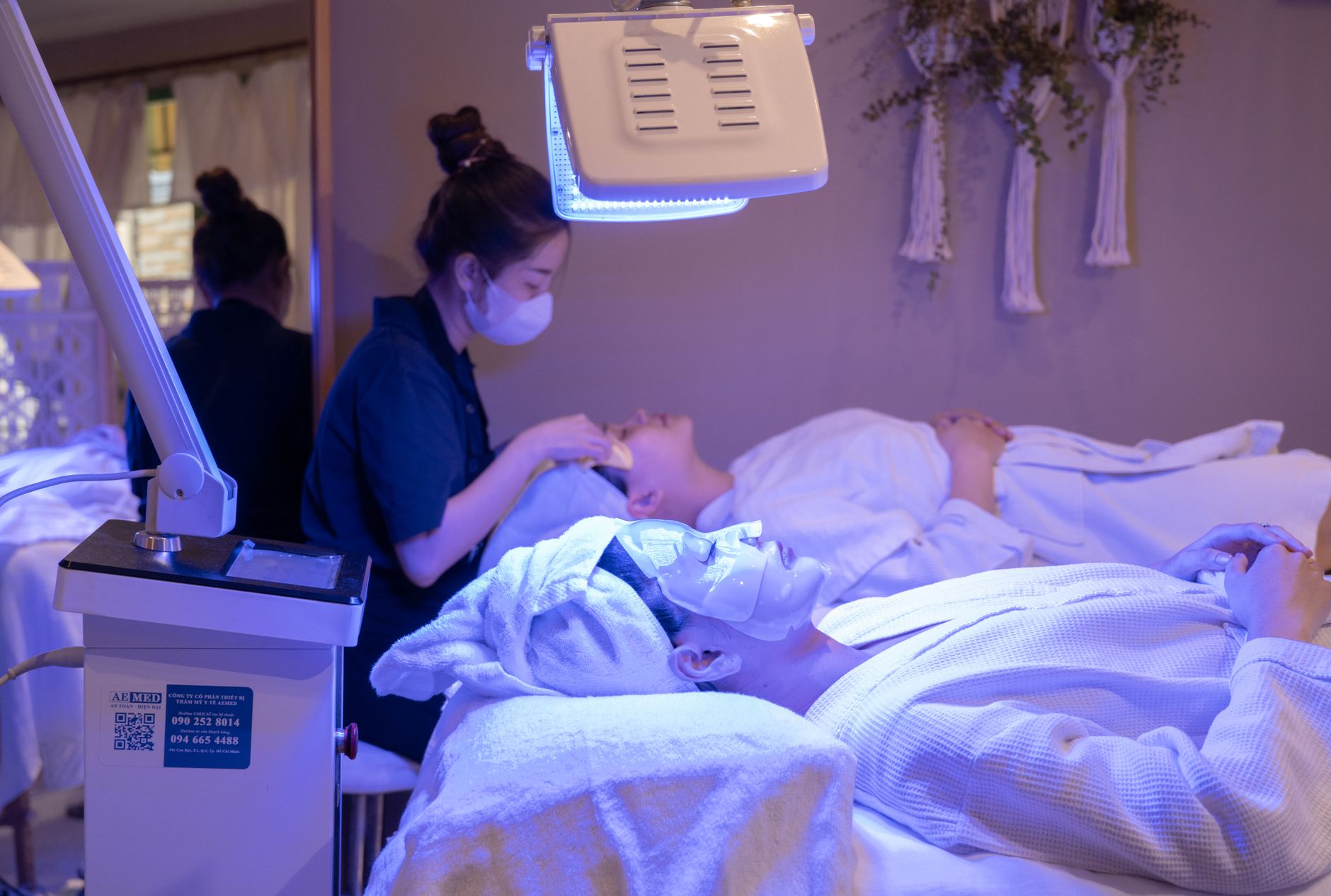
The CryoGlow is Shark’s entry into at-home light therapy, and it does two jobs at once. Red diodes run in the 633 nm range and blue diodes sit near 415 nm, the pair that dominates consumer skin devices. A separate plate at the under-eye area stays chilled for the length of a session. Shark publishes short treatment times, generally under 12 minutes, and the unit is rechargeable, so you can wear it on the couch or in a hotel room. Confirm the current spec sheet before you buy, because mask generations change wavelength, cycle length, and plate design.
Cold is the harder half to engineer. A freezer-chilled roller starts near 32 to 40°F and warms within a minute of touching skin. The CryoGlow holds a steadier chill because its plate is powered. It still will not come close to a plunge tub sitting at 39 to 45°F, and it is not built to. Surface cooling of a few degrees constricts superficial vessels, which is the mechanism behind the temporary drop in puffiness and redness people notice. Peer-reviewed work indexed on PubMed supports cold and light therapy for surface-level skin outcomes, not for athletic recovery.
What it cannot do is change your core temperature. That is the dividing line between a beauty device and a recovery tool. Ten minutes in 50°F water lowers skin and muscle temperature and drives the alertness and mood response most plungers chase. The mask does none of that. Judge it on skin, comfort, and whether you actually use it four nights a week.
Key strengths:
- ✅ Combines chilled contact and LED light in one rechargeable device, so you skip the freezer bag routine
- ✅ Sessions run under 12 minutes, which makes it easy to stack after a sauna or before bed
- ✅ No water, no ice, and no cleanup beyond wiping the plate and cushion
- ✅ Hands-free fit lets you walk around, read, or answer email while it runs
- ✅ Travel friendly, since it charges over USB and needs no chiller or drain
- ❌ Face only. It does nothing for muscle soreness, sleep, or core temperature
- ❌ Premium price for a device with a narrow job
- ❌ The chilled under-eye contact can feel intense on sensitive skin in the first two minutes
Who it’s for: Buy it if your goal is calmer, less puffy skin and you already handle whole-body recovery with a tub, a sauna, or both.
2. Sun Home LED Light Therapy Face Mask , Best value LED mask if you do not need cooling
Sun Home’s mask drops the cooling plate and keeps the light. It runs red and near-infrared modes for skin tone and collagen work, with sessions landing in the 10 to 20 minute range depending on the mode. The strap design is hands-free, and the shell is lighter than most rigid masks, which matters if you wear it lying down.
If you want the chilled feel, pair this with a freezer roller rather than paying for a powered plate. That combo lands well under the price of a premium cryo mask and covers the same two jobs: light for the skin, cold for surface puffiness. It is the route I point people toward when they are not sure they will stick with a device past the first month.
The trade-off is control. There is no electronic temperature management, no under-eye targeting, and no session data beyond a timer. You get light therapy and nothing else. For plenty of buyers that is enough, especially when cold exposure already comes from a tub or a post-sauna contrast routine.
Key strengths:
- ✅ Costs a fraction of a cryo mask while covering the light therapy side
- ✅ Red and near-infrared modes use the wavelengths seen in most skin studies
- ✅ Lightweight hands-free shell works while lying down or reading
- ✅ Simple care: wipe the cushion and store it on a counter
- ❌ No cooling at all, so puffiness control depends on adding a roller or cold spoon
- ❌ No under-eye plate or targeted treatment zone
- ❌ Build materials feel less premium than a four-figure device
Who it’s for: Choose this if you want light therapy on a budget and plan to get your cold exposure from a tub, shower, or freezer roller instead.
3. Sun Home Cold Plunge Tub , Best for real full-body cold exposure
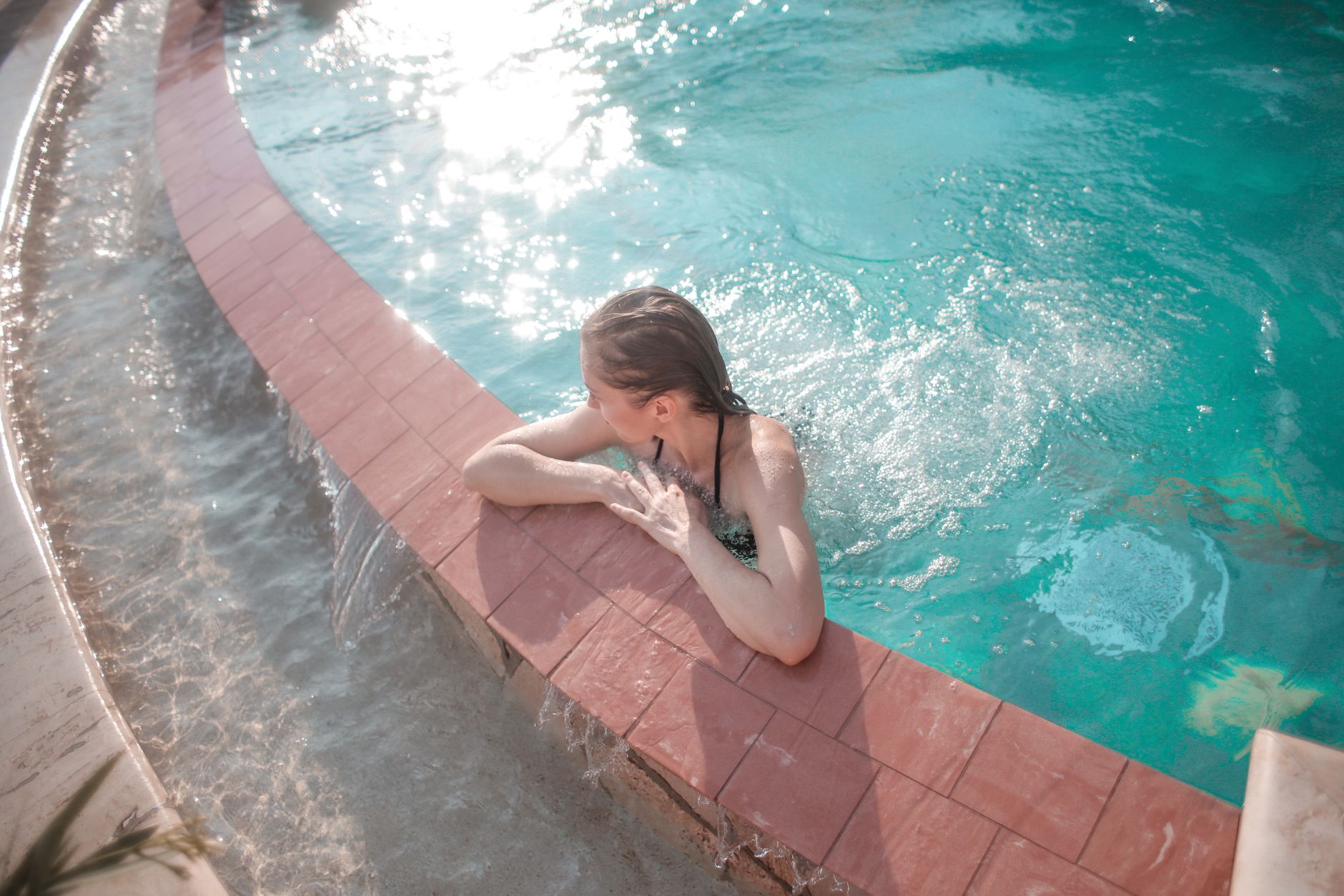
A plunge tub is the only option on this list that changes your physiology. Chiller-equipped models hold water in the high 30s to mid 40s°F, and most one-person tubs in this class run 30 to 34 inches deep with 70 to 100 gallons of water. You sit to the chest for 5 to 15 minutes depending on the temperature you choose. That dose is what produces skin and muscle cooling, the alertness spike, and the slow build of cold tolerance.
Upkeep is the real cost. Water needs sanitizing, filters need swapping on a schedule rather than when the water looks cloudy, and the standard cartridge for Sun Home units is a 10 inch by 2.5 inch filter. Our water maintenance guide walks through the full weekly routine. Budget about 20 minutes a week plus a filter cost that adds up across a year.
What a tub will not do is treat your face. No under-eye cooling, no LED light, no help with redness across the cheeks. If your goal is skin, this is the wrong purchase. If your goal is recovery, sleep, and mood, nothing on this page comes closer.
Key strengths:
- ✅ Full-body cold exposure that actually lowers skin and muscle temperature
- ✅ Chiller holds a set temperature instead of relying on ice that melts
- ✅ Supports a repeatable protocol with measurable temperature control
- ✅ Works as the cold half of a heat and cold contrast routine
- ✅ Insulated builds hold temperature overnight, which cuts chiller run time
- ❌ Four-figure cost plus ongoing filter and electricity expenses
- ❌ Needs weekly water care and a drain or hose nearby
- ❌ Takes floor space and is heavy once filled
Who it’s for: Buy it if recovery, sleep, and mood are the goals and you will use it at least three times a week.
4. Whole-Body Cryotherapy Session , Best for extreme cold without owning any gear
A cryo chamber drops air temperature to roughly -166°F to -220°F, which is -110°C to -140°C for the studios that publish metric figures. You stay in for 2 to 3 minutes. That is far colder than any plunge tub, and you are exposed for a fraction of the time. Sessions run about the price of a nice dinner, and you need no equipment, no water care, and no floor space at home.
Skin surface temperature falls fast, but the dose is short and the air is dry, so the cardiovascular response looks different from cold water immersion. Studios market it for soreness and inflammation. The evidence there is mixed at best. Cleveland Clinic guidance on cold therapy covers the general safety picture and is worth reading before your first appointment.
Practical notes. You wear gloves, socks, and clogs, and jewelry comes off. Most people tolerate it fine. The cold hits the face and hands first, and a small share of users report headaches or a rising heart rate. If you have Raynaud’s, uncontrolled blood pressure, or a heart condition, get a doctor’s sign-off first.
Key strengths:
- ✅ Colder air than any home setup can produce
- ✅ No equipment, maintenance, or storage
- ✅ Sessions take minutes, which fits inside a lunch break
- ✅ Staff supervise the exposure and control the chamber
- ❌ Per-visit pricing adds up fast if you go weekly
- ❌ Short exposure produces a different response than 10 minutes of cold water
- ❌ Requires a drive and an appointment, so adherence suffers
Who it’s for: Pick this if you want the coldest possible exposure a few times a month without buying or maintaining anything.
5. Ice Roller / Chilled Facial Tool , Best cheap first step for facial cooling
A face roller lives in the freezer and costs less than lunch. The roller head sits near 32 to 40°F when it comes out, and you glide it across the jaw, cheeks, and under-eyes for 2 to 5 minutes. It is the lowest-risk way to test whether facial cooling does anything for you before you spend real money on a device.
The catch is duration. Contact temperature climbs within 60 to 90 seconds, so the effect is brief and mostly about morning puffiness. It will not touch fine lines, acne, or collagen the way red light does. Compare the two categories side by side and the gap in evidence becomes obvious fast.
If you like the cold face feel, this is where I would start. If you want light therapy too, add a mask later. The two stack fine, and together they still cost less than one premium cryo device. Grab a basic stainless ice roller and keep it in the door of the freezer where you will actually see it.
Key strengths:
- ✅ Costs under $25 and needs no charging or setup
- ✅ Safe for most skin types, including sensitive skin, with light pressure
- ✅ Instant feedback on whether you enjoy facial cold at all
- ✅ Doubles as a tool for calming a flushed face after a hot shower
- ❌ Cold fades fast, so sessions have to stay short to do anything
- ❌ No light therapy and no collagen claims to speak of
- ❌ Freezer storage and regular washing are easy to forget
Who it’s for: Start here if you are curious about cryo skin care but not ready to spend premium device money.
Frequently Asked Questions
Does the Shark CryoGlow mask replace a cold plunge?
No. A face mask cools a few square inches of skin. A plunge tub pulls heat out of your whole body, which drives the core temperature drop tied to mood, alertness, and recovery. They solve different problems and can be used in the same routine.
How cold does the Shark CryoGlow mask get?
Shark does not publish a hard plate temperature for the CryoGlow. The cooling surface is designed to sit several degrees below skin temperature at the under-eye contact points, which is well above the 39 to 45°F water in a chillered plunge tub. Check the current spec sheet before buying, since the numbers shift between mask generations.
Can I use a cryo face mask right after a sauna?
Yes, and it feels great. Heat pushes blood to the skin and leaves your face flushed. A chilled mask calms that surface flushing quickly. Just do not count it as the cold half of a contrast protocol, because it will not lower your core temperature.
How often should I use a cryo LED mask?
Most users land on three to five sessions a week, usually in the morning or right after a sauna. Consistency matters more than session length. If your under-eye skin feels irritated or tight, cut back to every other day.
Is cryo facial cooling safe for everyone?
For most healthy adults, yes. Skip it if you have cold urticaria, Raynaud’s syndrome, or a history of cold-triggered headaches around the face and eyes. Anyone with a heart condition or uncontrolled blood pressure should check with a doctor before adding cold exposure of any kind.
Is the Shark CryoGlow worth it if I already own a plunge tub?
Only if your goal is skin. A tub does nothing for puffiness or redness across the face. Buy the mask for that narrow job, and keep the tub for recovery. If your budget only covers one, the tub does more for how you feel day to day.
What Should You Remember?
- Different tools, different jobs. A cryo mask works on skin surface only, while a plunge tub changes core temperature and drives recovery.
- Cold plus light is the mask’s edge. The Shark CryoGlow pairs a chilled under-eye plate with red and blue LED diodes in one rechargeable shell.
- Tub temperature beats plate temperature. Chiller-equipped tubs hold 37 to 45°F, far colder than any facial device can safely go.
- Cryotherapy studios are the extreme option. Chambers run -166°F to -220°F for 2 to 3 minutes, but you pay per visit and drive to get there.
- Start cheap if you are unsure. A $15 ice roller tells you in one week whether you enjoy facial cold before you spend on a premium device.
- Sauna first, cold second. A chilled mask after heat calms visible flushing, but it does not replace the cold half of a contrast protocol.
This article is for general information only and is not medical advice. Cold water immersion and sauna use can be risky for people with cardiovascular conditions, Raynaud’s disease, or who are pregnant. Always consult a physician before beginning cold therapy or heat therapy.