Red light therapy has moved from dermatology offices into home devices, LED masks, and recovery studios. The appeal is straightforward. You expose skin to specific wavelengths of red or near-infrared light. The goal is not heat. The goal is photobiomodulation, or light energy that cells can use. Many people who already use cold plunge tubs or saunas also ask about red light because visible skin changes can feel like a recovery milestone. Research is ongoing, but the evidence for modest skin improvements is stronger than the evidence for many wellness trends. This article separates what is known from what is still noise.
Understanding the difference between demonstrated biology and marketing is important. Red light therapy has a plausible cellular mechanism. It is not a magic laser that erases age. Studies suggest it can improve collagen density, reduce fine lines, and support skin repair in certain conditions. The effect size varies by wavelength, dose, device quality, and skin type. This article explains what red light therapy does at the cellular level, what clinical research shows, and how to think about it if you are considering a device.
We cover key wavelengths, how red light compares with saunas or topical retinoids, and what to ask before buying a panel or mask. The goal is not to push a product. The goal is to give you a clear, source-backed look at red light therapy for skin and collagen. If you already do contrast therapy, red light may be a useful addition. It can also be an unnecessary expense if your expectations are off. We rely on peer-reviewed studies and clinical guidance rather than product pages.
| Wavelength Range | Typical Device | Primary Skin Target |
|---|---|---|
| 630-660 nm red light | LED face mask or panel | Upper dermis, fine lines, skin tone |
| 810-850 nm near-infrared | Panel or clinical device | Deeper dermis, collagen support |
| 830 nm single wavelength | Lab and clinical studies | Fibroblast activity, wound healing |
What Is Red Light Therapy and How Does It Work on Skin?
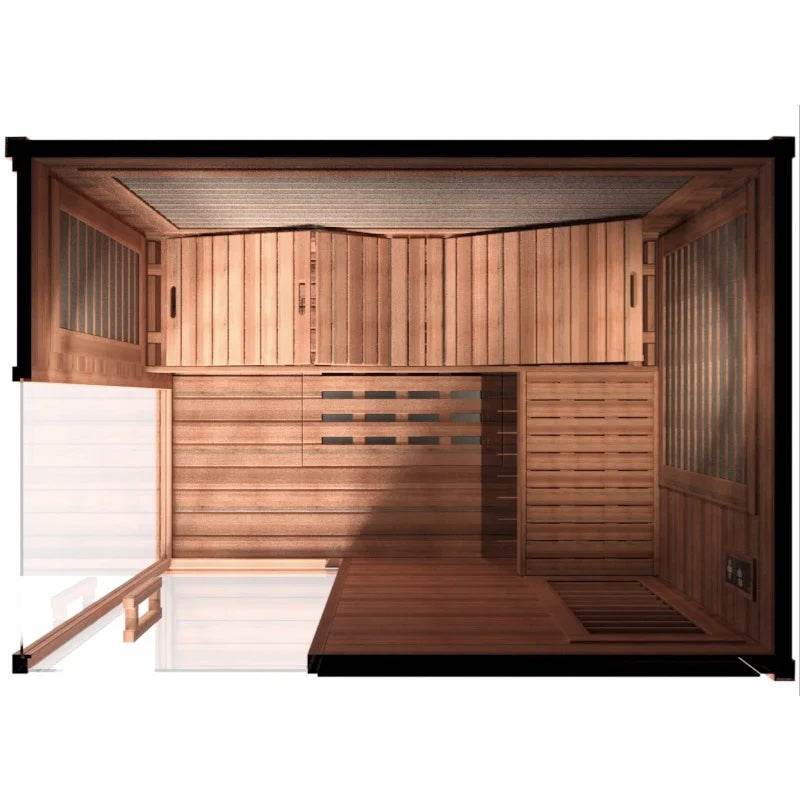
Red light therapy, sometimes called low-level laser therapy or photobiomodulation, uses light-emitting diodes or low-level lasers to deliver visible red and invisible near-infrared wavelengths. The range usually sits between 600 and 1000 nanometers. These wavelengths are longer than ultraviolet light and shorter than the infrared heat used in most saunas. For skin, the goal is not to heat tissue. The goal is to trigger a cellular response in the dermis.
When red light reaches the skin, it passes through the outer epidermis and into the dermis. Fibroblasts live in the dermis. These cells produce collagen, elastin, and other structural proteins. Red light is absorbed by chromophores inside mitochondria. The main one is cytochrome c oxidase. This enzyme participates in the electron transport chain that produces adenosine triphosphate, or ATP. When ATP rises, cells have more energy to perform repair and building functions.
This process is supported by cell culture and animal studies. Researchers have observed increased collagen gene expression after red light exposure. They have also seen reduced markers of oxidative stress. The evidence in humans is more variable, but many controlled studies show improvements in skin elasticity and texture. The effect is not instant. It accumulates over weeks because collagen production is slow.
Red light is different from infrared sauna panels. Saunas rely on heat and core temperature elevation. Red light therapy can produce a mild warmth from the device, but the mechanism is photochemical. For people who already use cold exposure, red light is not a replacement for cold plunge benefits. Cold plunges mainly influence circulation, mood, and muscle recovery. Red light has a more targeted skin biology role.
Can Red Light Therapy Really Boost Collagen and Reduce Wrinkles?
Collagen gives skin its firmness and structure. After age 25 or so, collagen production declines by roughly one percent per year. Sun exposure, smoking, and poor sleep can accelerate that loss. Red light therapy cannot stop time. It can, however, support the cells that build collagen. Fibroblasts exposed to red light have shown increased expression of collagen type I and type III in laboratory models. Some studies also show lower activity of matrix metalloproteinases, which are enzymes that break down collagen.
Clinical trials report moderate improvements, not dramatic transformations. In a 2014 study with 136 volunteers, researchers found that 90 percent of participants reported better skin tone and 87 percent reported smoother skin after completing 30 sessions over 15 weeks. Another controlled trial measured a 31 percent increase in collagen density after eight weeks of treatment. These numbers are real, but they come from specific protocols and equipment. Home devices may deliver lower irradiance.
Wrinkle reduction tends to be most visible in fine lines around the eyes and mouth. Deeper folds and sagging respond less. Red light therapy may improve overall skin quality and evenness. It is less effective for significant laxity. For some people, the greatest benefit is a smoother texture and softer appearance. That can still be meaningful when paired with basic skincare.
If you combine red light with a cold plunge routine, keep the goals separate. Cold water may reduce facial puffiness and redness for a short time. It does not stimulate collagen in the same way. A simple skincare routine with sunscreen remains non-negotiable. Red light supports the skin from below. Sunscreen prevents the damage that breaks collagen down.
What Does Peer-Reviewed Research Say About Anti-Aging Effects?
Peer-reviewed literature covers both low-level laser and LED phototherapy. A 2021 systematic review evaluated 11 randomized controlled trials on skin rejuvenation. The authors concluded that red light therapy significantly improved wrinkle depth in most studies. Another 2023 review in the Journal of Cosmetic Dermatology found that wavelengths between 630 and 660 nanometers were the most commonly studied and effective for surface skin changes.
The consistency of the evidence matters. PubMed lists dozens of controlled studies. Some show a 15 to 30 percent reduction in wrinkle depth after 12 weeks. Others show improvements in skin firmness and hydration. The effect size depends on session number, device power, and patient age. Near-infrared wavelengths around 810 to 850 nanometers appear in studies focused on deeper tissue and collagen remodeling.
Clinical sources also weigh in. Cleveland Clinic describes red light therapy as low risk and potentially useful for skin, but it warns that results vary. Harvard Health notes that home LED devices are not as tightly regulated as medical treatments. This means manufacturers can make broad claims without proving every one. Looking for third-party testing or published specifications can help.
More research is still needed. Many human studies are small. Some lack sham controls or long-term follow-up. The mechanism is plausible and the short-term safety profile is strong. For collagen and anti-aging, researchers generally agree that red light therapy can be a helpful adjunct. It is not a standalone cure for photoaging.
What Wavelengths and Devices Are Used for Skin and Collagen?
Wavelength matters because different wavelengths penetrate to different depths. Red light in the 630 to 660 nanometer range reaches the epidermis and upper dermis. It works well for fine lines, skin tone, and mild redness. Near-infrared light in the 810 to 850 nanometer range goes deeper into the dermis and possibly upper subcutaneous tissue. It is studied for collagen support, wound healing, and joint recovery.
Device types include LED face masks, handheld wands, and larger panels. LED masks are convenient for the face but often have lower irradiance. Panels can treat the face, neck, chest, and hands at once. Clinical devices use high irradiance and calibrated output. Home devices have improved, but output can vary. Some companies state irradiance at zero distance, which overstates what skin receives a few inches away.
Look for devices that list wavelength in nanometers and irradiance in milliwatts per square centimeter at a stated distance. A common home protocol for anti-aging is 10 to 20 minutes per treatment area, three to five times weekly for eight to twelve weeks. Maintenance sessions one to three times per week may follow. If you use an infrared sauna, check whether the red light panel is full-body or cosmetic grade. Heat and light can be combined, but skin benefits depend on the light output.
The table below summarizes common wavelength options. Notice that many devices combine red and near-infrared wavelengths. That approach may address both surface tone and deeper collagen support. Your choice should match your main skin concern and the area you want to treat.
How Does Red Light Therapy Compare to Other Skin Treatments?
Red light therapy sits between cosmetic skincare and medical dermatology. Retinoids have decades of randomized trial support for collagen synthesis and wrinkle reduction. Vitamin C and broad-spectrum sunscreen also have strong evidence. Red light therapy has a shorter evidence base but a favorable safety profile. It may be a good option for people who cannot tolerate retinoids or want an additional non-chemical tool.
Compared with laser resurfacing, red light is non-ablative. It does not remove the top layer of skin. This means less downtime but also less dramatic results. Fractional lasers can improve deep wrinkles and scars more substantially. Red light is more like a gradual, low-risk maintenance approach. It works best when combined with daily sun protection.
Sauna use and red light are often lumped together in recovery spaces. A sauna vs steam room comparison is about heat, humidity, and cardiovascular response. Red light therapy does not depend on heat. You can place red light before or after a cold plunge without a strict order. For skin, red light may be more directly relevant than either heat or cold exposure.
Cost is another factor. A quality LED mask may cost between 200 and 600 dollars. Panels can cost more. Professional sessions may be 50 to 150 dollars each. If you want measurable results, plan for three to five sessions per week for at least two months. Sporadic use will likely disappoint.
What Should You Know Before Trying Red Light Therapy at Home?
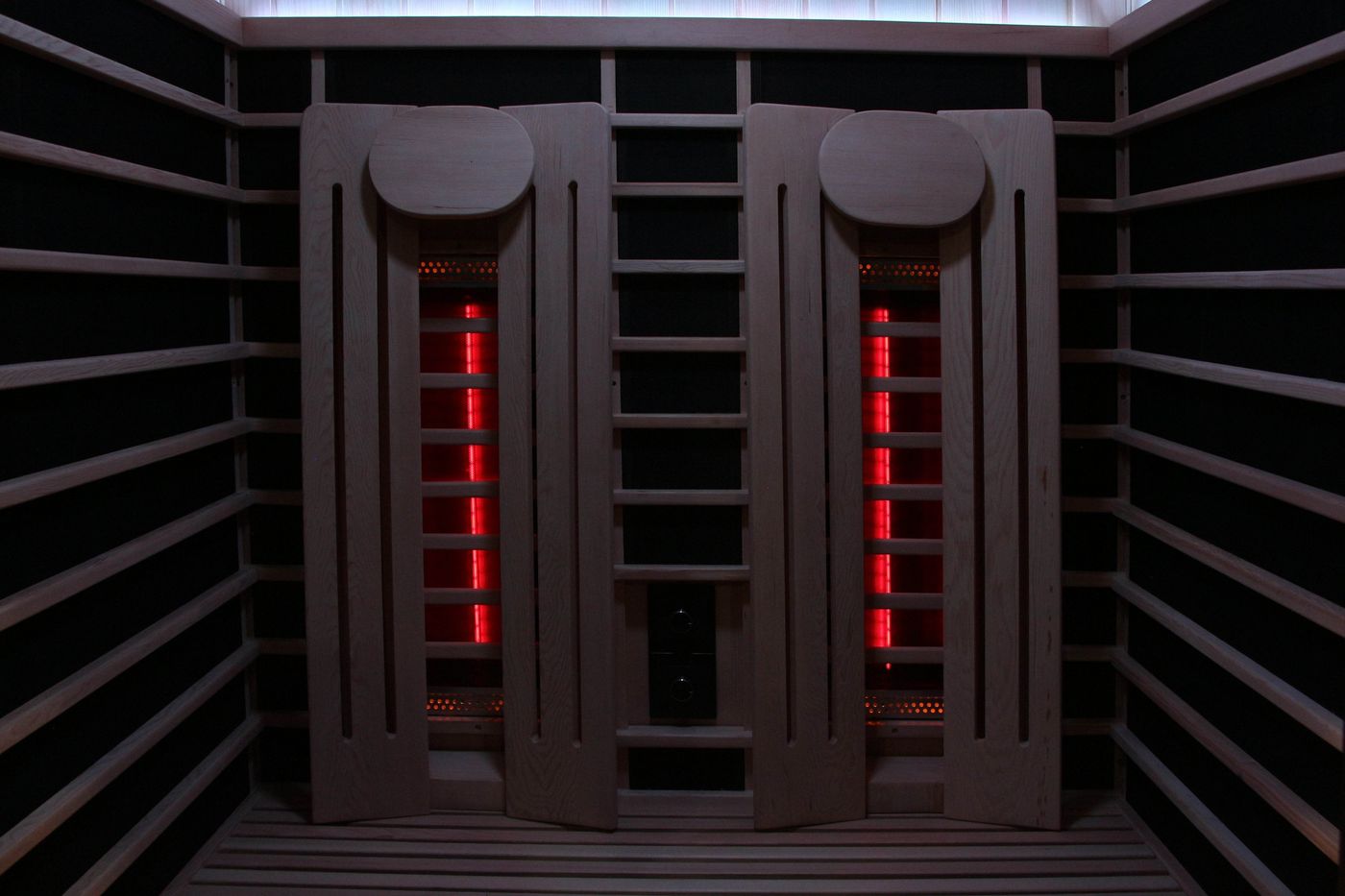
Red light therapy is generally safe for most people. Reported side effects include temporary redness, dryness, or eye strain. It is not UV light and does not tan or burn skin. Still, safety precautions apply. The Cleveland Clinic recommends eye protection for high-output panels. If you have a history of melasma or photosensitivity, check with a dermatologist first.
Start with clean, dry skin. Remove makeup, sunscreen, and heavy moisturizers. Then position yourself at the distance recommended by the manufacturer. If the device feels hot or uncomfortable, move farther away. More time under the light is not always better. Skin cells can only absorb so much energy before the response plateaus.
Consistency is the main predictor of results. Ten to twenty minutes per area on most days is common. Use a photo diary in consistent lighting. Take pictures at two-week intervals. This reduces the tendency to see changes that are not there. It also helps you decide if the device is working for you.
For people who use cold plunges, you can combine red light therapy with your recovery routine. Dry your skin first if you just finished a cold plunge. Cold, wet skin can feel irritated under a mask or panel. There is no proven order, so choose what feels comfortable. Avoid red light over active infections, open wounds, or suspicious lesions. See a dermatologist for any changing mole.
Frequently Asked Questions
Does red light therapy actually build collagen?
Studies suggest it may stimulate fibroblasts to produce more collagen, especially type I and type III. Results are modest and depend on wavelength, dose, and consistency. It does not add collagen directly to the skin.
How long does it take to see results from red light therapy for skin?
Most studies show visible improvements after 8 to 12 weeks of regular use. Some people notice smoother texture sooner. Deep wrinkles may take longer or show less change.
Is red light therapy safe for all skin types?
Red light therapy is generally safe for most skin types. It is not UV light and does not burn. People with photosensitivity disorders or certain medications should consult a dermatologist first.
Can I use red light therapy with retinol or vitamin C?
Yes, but introduce one change at a time. Red light may increase skin sensitivity in some people. Use sunscreen daily and stop if you notice irritation.
Which is better for skin: red light or near-infrared light?
Red light around 630 to 660 nanometers targets the upper dermis and fine lines. Near-infrared around 810 to 850 nanometers reaches deeper tissue and may support collagen. Many devices combine both.
Does red light therapy replace sunscreen or anti-aging creams?
No. Sunscreen, basic skincare, and proven topicals remain the foundation. Red light therapy can be a useful add-on but should not replace them.
What Should You Remember?
- Red light therapy uses specific wavelengths to support cellular energy production in skin cells.
- Clinical studies report improvements in fine lines, skin tone, and collagen density after 8 to 12 weeks.
- Red light around 630 to 660 nm targets the upper dermis; near-infrared around 810 to 850 nm goes deeper.
- Consistency and device quality matter more than occasional high-intensity sessions.
- It does not replace sunscreen, retinoids, or dermatology care for significant skin concerns.
- Pairing red light with cold plunge or sauna recovery is safe for most people, but benefits are separate.
This article is for general information only and is not medical advice. Cold water immersion and sauna use can be risky for people with cardiovascular conditions, Raynaud’s disease, or who are pregnant. Always consult a physician before beginning cold therapy or heat therapy.