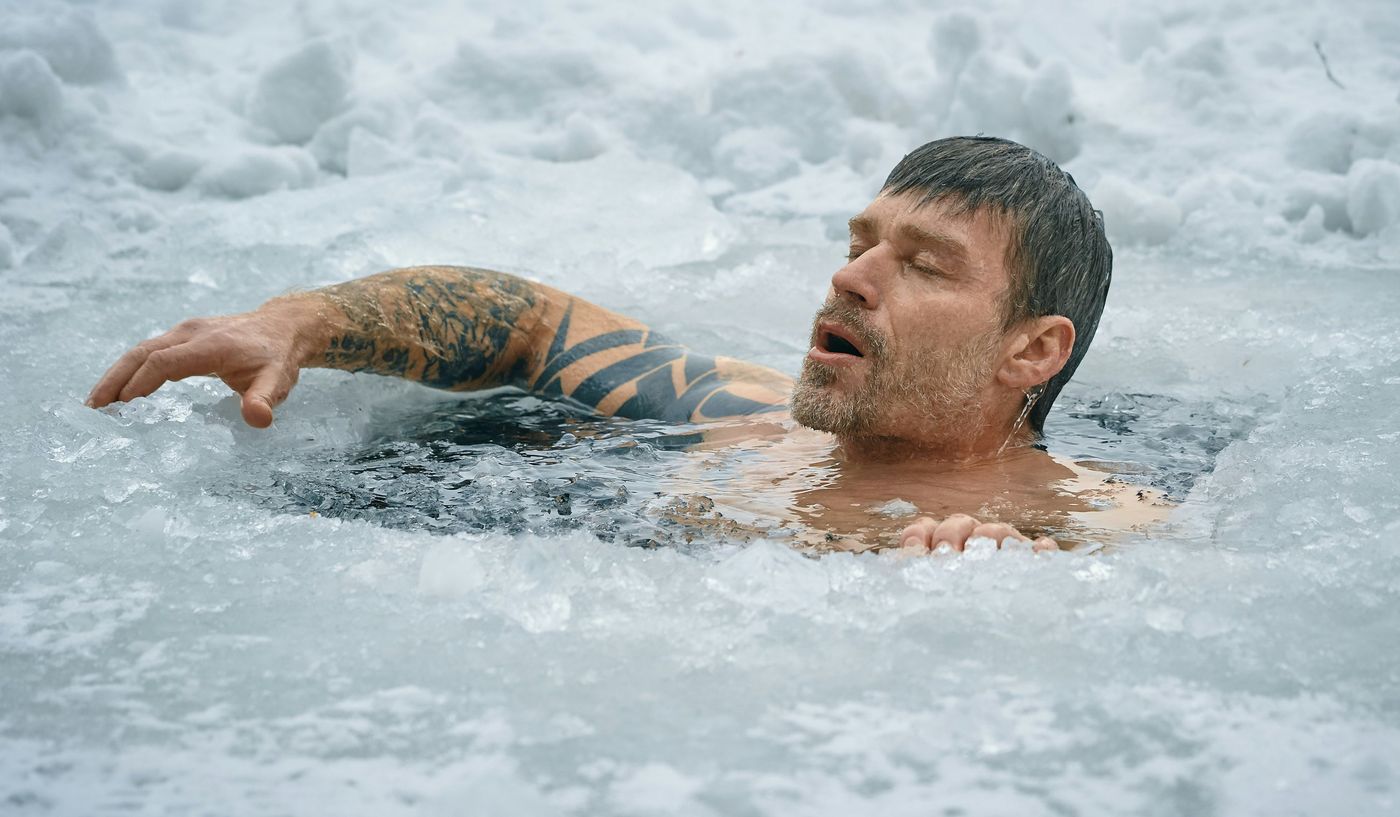
The order of sauna and cold plunge feels simple, but it changes how contrast therapy hits your body. Most recovery routines put the sauna first and the cold plunge second. This is not an arbitrary gym rule. It follows a basic vascular pattern: heat dilates blood vessels and cold constricts them. When you move from heat to cold, blood is pushed through tissues like a pump. Many athletes say this helps their legs feel fresher after training. You can learn the reasoning without needing a physiology degree. What matters is that the sequence influences core temperature, heart rate, and perceived recovery.
There is also a smaller group that prefers a cold plunge before the sauna. They use it to cool down, wake up, or make the sauna feel more tolerable. This can work for some people. However, cold water immersion before heat may blunt the vasodilation you want from a sauna. Your blood vessels stay tighter for a while after cold exposure. That does not make the practice unsafe for healthy users. It simply changes the stimulus. If you are new to contrast therapy, the standard hot first, cold second format is easier to follow and aligns with how most spas and recovery centers sequence their sessions.
This guide breaks down the physiological response, what peer reviewed research says, and how to build a session using the right temperature and time. You will also find safety reminders, because contrast therapy is not for everyone. By the end, you can decide whether to finish hot or cold, how many rounds to use, and when to skip the cold plunge entirely. We draw on cold plunge benefits and the cold plunge temperature guide to keep the advice grounded.
| Order | Best For | Physiological Effect | Typical Routine |
|---|---|---|---|
| Sauna first, cold plunge second | Recovery, circulation, traditional contrast therapy | Heat dilates vessels, cold constricts them, stronger pump | 10-15 min sauna, 1-3 min cold, repeat 2-3 rounds |
| Cold plunge first, sauna second | Alertness, cooling down, pre-heat reset | Cold constricts vessels before heat, slower warm up phase | 1-2 min cold, 10-15 min sauna, repeat if tolerated |
What Happens to Your Body During Heat and Cold Exposure?
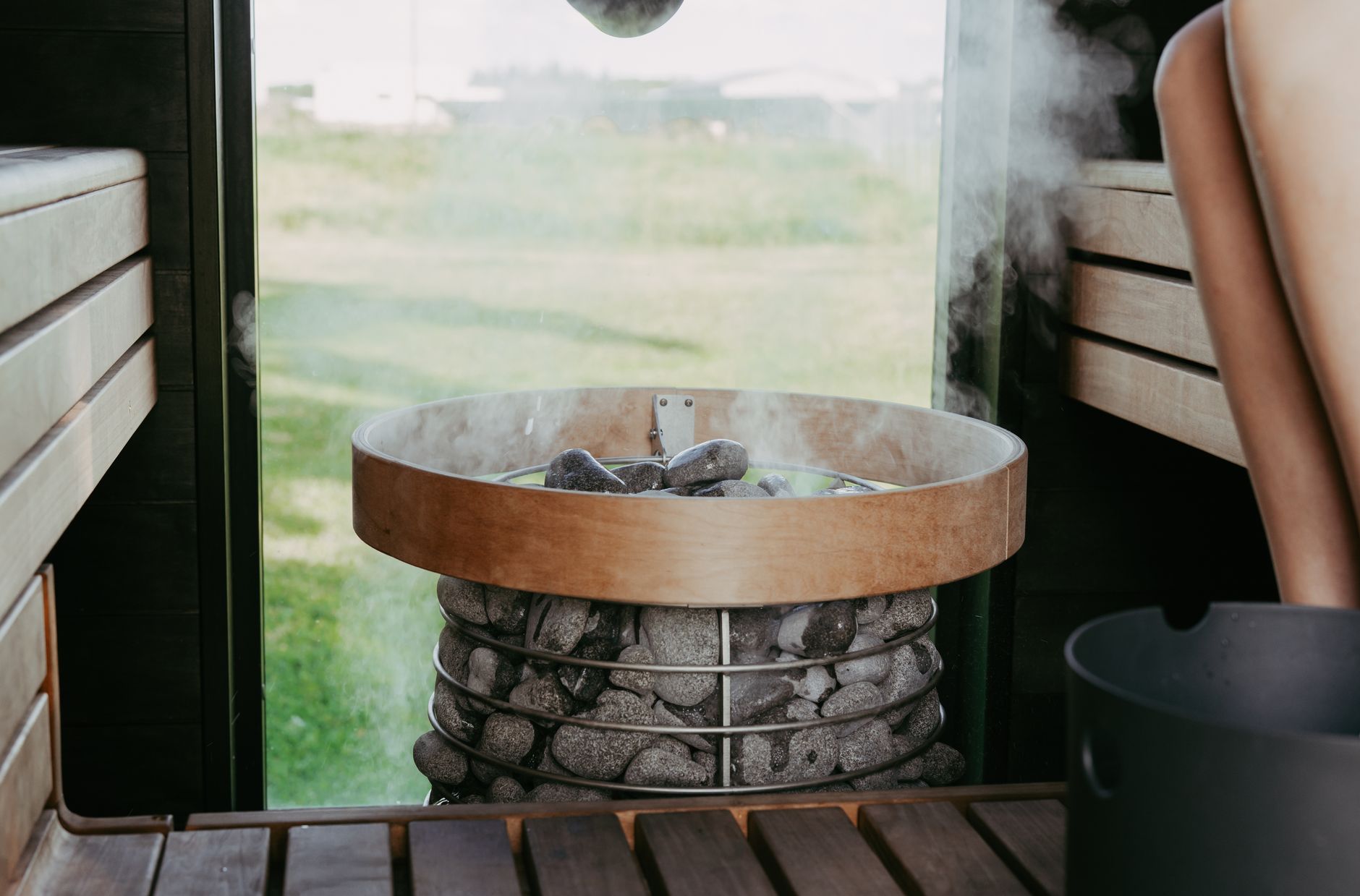
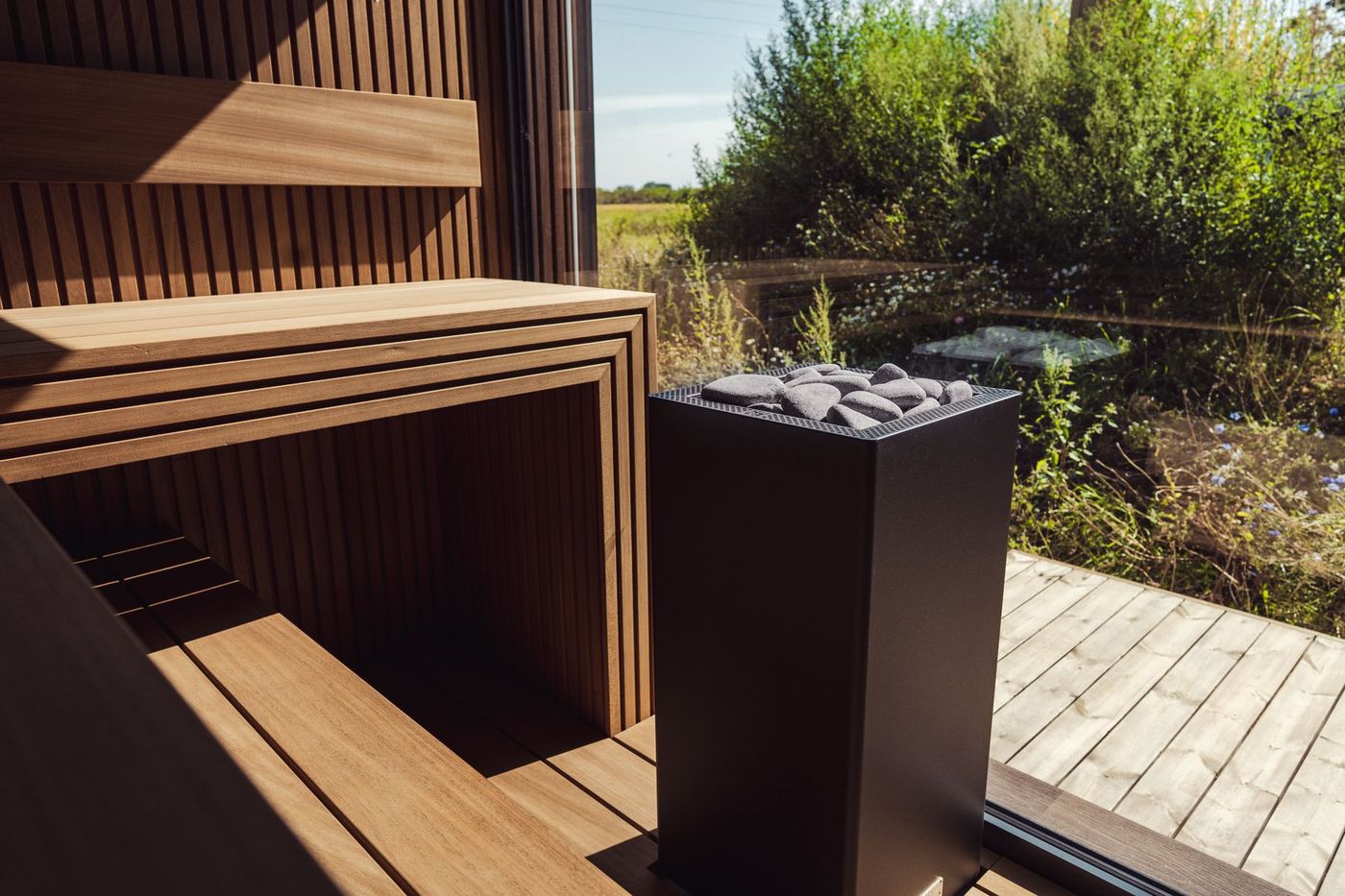
Sauna heat raises your skin temperature quickly. Blood vessels near the surface widen, a process called vasodilation. Heart rate increases, often reaching 100 to 150 beats per minute during a classic Finnish sauna session. Sweat output can reach half a liter to over one liter per hour depending on heat and personal adaptation. These are acute physiological responses. They are not the same as long term health outcomes, but they explain why you feel warm, flushed, and relaxed.
Cold water immersion triggers the opposite response. Blood vessels constrict, which shunts blood toward the core. The nervous system releases norepinephrine, a stress hormone that can increase alertness. Some cold plunge benefits research reports that cold exposure can raise norepinephrine by 200 to 300 percent, though individual responses vary. Skin temperature drops quickly, and heart rate may initially spike before settling. This is a sharp, controlled stressor.
Contrast therapy pairs these two states on purpose. The heat expands the plumbing, so to speak, and the cold squeezes it. That creates a mechanical pumping effect that may improve how your limbs feel after exercise. The evidence is still mixed on whether this pump speeds up true tissue repair. What is clear is that many people feel a reduction in perceived heaviness and soreness after alternating hot and cold. Harvard Health notes that heat and cold exposure both influence circulation, but they should be used with attention to individual tolerance.
- Heat response: vasodilation, increased heart rate, and heavy sweating.
- Cold response: vasoconstriction, core blood shift, and norepinephrine release.
- Contrast effect: alternating vessel dilation and constriction to create a circulatory pump.
Should You Cold Plunge Before or After the Sauna?

For most people, the answer is sauna first, cold plunge second. This is the traditional contrast therapy order. It starts with vasodilation, then triggers vasoconstriction. The rapid switch may create a stronger circulatory pump than doing it in reverse. A sauna first session also warms muscles and makes the cold feel more deliberate. If you want to improve recovery and follow the most common protocol, go hot then cold.
Cold before sauna is not wrong. It can be useful as a wake up tool or to lower core temperature before heat. But it changes the cardiovascular sequence. Your blood vessels are constricted at the start of the sauna. That may slow the warm up phase and reduce some of the heat driven blood flow you would otherwise get. Some people also report that a cold plunge before a sauna makes the heat feel more intense, not less, because the body has to work harder to rewarm. If you prefer that feeling, you can still use it.
Whatever order you choose, avoid extreme jumps if you have blood pressure concerns. The cold plunge temperature guide offers starting temperatures for beginners. If you are mostly chasing muscle recovery, end on cold to blunt inflammation signals and support alertness afterward. If you want to relax before bed, finish on heat. The order you begin with is often less important than the total contrast load and consistency.
- Sauna first, cold second: standard recovery format.
- Cold first, sauna second: more alerting, may slow warm up.
- End cold for post-training alertness.
- End hot for evening relaxation.
What Does the Research Say About Contrast Therapy Order?
Direct research on exact order is limited. Most studies use alternating immersion protocols rather than testing hot first versus cold first in isolation. That means the evidence base leans on physiology and practical outcomes more than fixed sequencing trials. One review published in PubMed noted that contrast water therapy may improve perceived recovery after exercise, but the mechanisms remain under investigation. Researchers have not established a single superior order for all goals.
Some data points are still useful. A 2015 JAMA Internal Medicine study followed Finnish men and found that those who used a sauna 4 to 7 times per week had a roughly 50 percent lower risk of cardiovascular death compared with once weekly users. That is an observational association, not proof that sauna caused the result. For cold exposure, studies on cold plunge benefits often report a meaningful reduction in perceived muscle soreness after cold water immersion, with some reviews showing around 20 percent less soreness at 24 hours compared with passive recovery. These results are about recovery perception, not direct tissue healing.
What does this mean for ordering? The hot first, cold second sequence is most consistent with the circulatory pump concept. The sauna widens vessels, then cold constricts them. This may assist the movement of fluid from limbs back toward the trunk. Cold first may still offer a contrast stimulus, but the body starts with constricted vessels, which can reduce the initial heat response. For now, the practical recommendation to try hot first is supported by physiology and common practice, while the exact effect size remains an open research question.
What Temperature and Timing Should You Use?
There is no universal prescription, but a safe starting range exists. For the sauna, use 150 to 175 degrees Fahrenheit for 10 to 15 minutes if you are new. Experienced users often go up to 190 degrees Fahrenheit for 15 to 20 minutes. For the cold plunge, a beginner range is 55 to 60 degrees Fahrenheit for 1 to 2 minutes. More conditioned users often use 45 to 50 degrees Fahrenheit for 2 to 3 minutes. The cold plunge temperature guide breaks down these ranges in more detail.
Timing matters more than chasing extreme numbers. A common contrast therapy format is 10 to 15 minutes of sauna, followed by 1 to 3 minutes of cold plunge, repeated for 2 to 3 rounds. You do not need to hit every round at maximum intensity. Many people benefit from just one hot and one cold cycle. The cold plunge protocol for beginners recommends starting with shorter cold exposure and shaking off the need to stay in too long.
Between rounds, you can rest for a few minutes or move directly from hot to cold if you feel steady. Hydrate before and between rounds. Your body loses fluid through sweat, and cold exposure can mask thirst. Avoid alcohol, because it alters blood vessel responses and increases risk of dizziness. If you are using a home setup, look for reliable temperature control so your sessions stay consistent.
- Sauna: 150 to 175 degrees Fahrenheit, 10 to 15 minutes for beginners.
- Cold plunge: 55 to 60 degrees Fahrenheit, 1 to 2 minutes for beginners.
- Repeat 2 to 3 rounds if tolerated.
- Hydrate before and between rounds.
How Do You Build a Safe Contrast Therapy Routine?
Safety starts with knowing your baseline. If you have heart disease, uncontrolled high blood pressure, pregnancy complications, or a history of fainting, speak with a clinician before using contrast therapy. Cleveland Clinic recommends caution with sudden cold water immersion for people with cardiovascular conditions. The cold shock response can sharply increase heart rate and blood pressure. That response is usually brief, but it can be dangerous in some cases.
Start with less intense conditions. Use a moderate sauna temperature and a cold plunge around 60 degrees Fahrenheit for 60 seconds. Build gradually. The cold plunge safety guide for beginners explains how to enter cold water safely and what warning signs to watch for. People with blood pressure concerns should also review sauna blood pressure and cold plunge blood pressure before starting. If you feel lightheaded, nauseated, or unusually short of breath, leave the heat or cold immediately and sit down.
Do not turn contrast therapy into an endurance test. The goal is a recoverable stress, not collapse. Keep sessions short at first. Hydrate with water and electrolytes after sweating. Use a buddy or tell someone when you plan to use a home sauna or cold plunge. If you are combining this with deep breathing before the cold, make sure you are seated or standing near a sturdy surface. Proper setup matters as much as the order.
- Check with a clinician if you have cardiovascular conditions.
- Start at 60 degrees Fahrenheit cold for 60 seconds.
- Step out if dizzy or short of breath.
- Hydrate and never combine with alcohol.
Frequently Asked Questions
Should I cold plunge before or after the sauna for muscle recovery?
For most people, sauna first and cold plunge second is the standard order for muscle recovery. It starts with vasodilation and follows with vasoconstriction, which may improve the perception of circulation and reduce soreness.
Is it better to end with cold or hot?
End with cold if you want post-session alertness and a reduction in perceived inflammation. End with hot if you want to relax, especially in the evening.
How long should I wait between sauna and cold plunge?
You do not need to wait long. Most protocols move from sauna to cold plunge within a minute or two. If you feel unsteady, rest for a few minutes, hydrate, and enter the cold slowly.
Can beginners do contrast therapy?
Yes, but start with moderate heat and colder temperatures around 60 degrees Fahrenheit for 60 seconds. Build gradually and stop if dizzy or short of breath.
Does cold plunge before sauna reduce benefits?
It may reduce the initial vasodilation response because your blood vessels are constricted before entering heat. It is not necessarily harmful for healthy people, but it changes the stimulus.
Who should avoid contrast therapy?
People with uncontrolled high blood pressure, heart conditions, pregnancy complications, or a history of fainting should speak with a clinician first. Cold shock can sharply raise heart rate and blood pressure.
What Should You Remember?
- Sauna first, cold plunge second is the standard contrast therapy order.
- Heat dilates blood vessels, and cold constricts them, creating a circulatory pump.
- Cold before sauna can increase alertness but may blunt the sauna’s early vasodilation.
- Use 150-175°F sauna heat for 10-15 minutes and 55-60°F cold for 1-2 minutes to start.
- Research on order is limited; most evidence covers alternating exposure, not a fixed sequence.
- Check with a clinician before starting if you have cardiovascular or blood pressure concerns.
This article is for general information only and is not medical advice. Cold water immersion and sauna use can be risky for people with cardiovascular conditions, Raynaud’s disease, or who are pregnant. Always consult a physician before beginning cold therapy or heat therapy.