Cold plunging has shifted from a niche recovery method into a mainstream wellness routine. Walk through any fitness community and you will hear claims about cold water, brown fat, and fat loss. The logic seems simple. Cold exposure makes your body work harder to stay warm. That work may burn extra calories and activate a special type of fat called brown adipose tissue. But simple logic does not always produce meaningful weight loss. Many of these claims start with real physiology and end with exaggerated promises. This article looks at the evidence for cold plunge weight loss, brown fat activation, and what you can realistically expect.
Brown fat is not a myth. Researchers have imaged it in adults, and they know it responds to cold. The problem is that brown fat activation does not automatically equal losing body fat. A short cold plunge might increase calorie burn for an hour or two, but the total effect is often modest. People who lose weight with cold plunging usually change other habits too. To understand what cold plunging can do, you need to see how brown fat works, what the studies measure, and where the evidence falls short. That distinction is the core of this guide. No single session tells the whole story.
Before you buy a tub or start daily dips, set clear expectations. Cold plunging can be a useful recovery practice. It can also become part of a routine that supports metabolic health. But it is not a shortcut to a lean body. The research on weight loss is mixed and often indirect. The safety guidance from clinical groups also warns that cold immersion stresses the cardiovascular system. You need to weigh the potential benefits against the risks. This is especially true if you have high blood pressure, heart disease, or Raynaud’s. The next sections explain the science and the practical limits.
| Method | Typical Energy Impact | Evidence for Body Fat Loss | Primary Role |
|---|---|---|---|
| 10-minute cold plunge | 15 to 40 extra calories per session | Weak, mostly observational | Recovery and metabolic stimulus |
| 30-minute brisk walk | 100 to 150 calories | Strong when combined with diet | Daily activity and fat loss |
| Strength training | 100 to 300 calories per session plus afterburn | Strong for body composition | Muscle retention and metabolic rate |
| Daily calorie deficit | 250 to 500 calories | Strongest direct evidence | Fat loss foundation |
What Is Brown Fat and Why Does Cold Exposure Matter?

Brown fat, also called brown adipose tissue, is a type of fat that burns calories to produce heat. White fat stores energy. Brown fat is packed with mitochondria that contain uncoupling protein 1, also called UCP1. UCP1 lets the body convert food energy into heat instead of storing it. Babies have a lot of brown fat because they need extra heat production. Adults keep smaller deposits in the neck, upper back, and near the collarbone. Research indexed on PubMed shows that cold exposure can increase brown fat activity and may even help recruit more brown fat over time.
A 2009 study of 1,972 adults found detectable brown fat in 7.5 percent of women and 3.1 percent of men on PET scans. Those numbers likely undercount the real prevalence because patients were scanned in warm conditions. When researchers expose people to mild cold before imaging, detection rates rise. This means many people have quiet brown fat that cold can unmask. That is the biological basis for the cold plunge and brown fat conversation. It is not that white fat turns into brown fat. Rather, existing brown fat becomes more active and may grow slightly with repeated cold exposure.
Still, brown fat is not a giant calorie furnace in most adults. Even active brown fat burns a small number of calories compared with what a person can eat. The potential for metabolic health is real, but it is limited. For the broader picture of what cold plunging does for recovery and circulation, see our guide to cold plunge benefits.
Does Cold Plunging Actually Increase Calorie Burn?
Cold water immersion forces the body to defend its core temperature. Heat production rises through shivering and through non-shivering thermogenesis. Brown fat contributes to non-shivering thermogenesis. The result is a measurable increase in energy expenditure during and shortly after exposure. The size of that increase is easy to overstate. A controlled study found that two hours of mild cold exposure at 19 degrees Celsius increased energy expenditure by about 48 calories in young men with active brown fat. A cold plunge is colder but much shorter, so total calorie burn is often similar or smaller.
Harvard Health notes that brown fat can burn calories when stimulated, but the total daily contribution is modest. Some cold immersion studies report a 10 to 30 percent increase in metabolic rate during exposure. That percentage sounds large. But 30 percent of a resting metabolic rate of 70 calories per hour equals only 21 extra calories. Once you leave the water, the effect fades as your body warms and shivering stops. A daily plunge might add up to a small weekly total, not a large one.
The more interesting path is adaptation. Repeated cold exposure over several weeks can increase brown fat capacity and shift the body toward non-shivering thermogenesis. That may lead to slightly higher energy expenditure across the whole day, not just during the plunge. However, the studies are small and short term. The calorie math remains modest. A cold plunge is not going to match the 500 to 700 calorie daily deficit needed for one pound of fat loss per week.
- Two hours at 19 degrees Celsius burned about 48 extra calories in one controlled study.
- A 10 minute cold plunge often burns 15 to 40 extra calories, depending on shivering.
- Metabolic rate may rise 10 to 30 percent during exposure, but the absolute number is small.
- The effect fades shortly after leaving the water.
Can Cold Water Immersion Help You Lose Body Fat?
The direct evidence that cold plunging reduces body fat is thin. Many claims come from observational studies of cold water swimmers. Some regular swimmers do have lower body fat, but they often exercise more and follow different diets. That makes cause and effect difficult to separate. There are few randomized controlled trials that isolate cold water immersion as a weight loss intervention. Without that design, you cannot prove the cold caused the fat loss.
Some studies have looked at metabolic health instead of weight. Cold exposure may improve insulin sensitivity and glucose metabolism in certain groups. Those changes matter for long term health and could make weight management easier. But better insulin sensitivity does not automatically mean less body fat. You can improve metabolic markers while the scale barely moves.
Cleveland Clinic and other clinical sources suggest caution before using cold plunging for weight loss. Cold immersion is a physical stressor. It can raise heart rate, blood pressure, and stress hormones within seconds. For some people, that stress response may work against the metabolic benefits they want. If body fat loss is your main goal, the evidence favors a modest calorie deficit built through food choices and daily movement. Cold plunging can support that plan. It should not replace it.
What Temperature and Duration Might Activate Brown Fat?
Brown fat activation does not require extreme cold, but colder water usually creates a bigger stimulus. Many lab studies use air temperatures of 15 to 16 degrees Celsius for several hours per day. A cold plunge, by contrast, often runs from 10 to 15 degrees Celsius for two to ten minutes. The shorter, colder exposure can still raise norepinephrine and trigger shivering. The trade off is comfort and safety. Beginners do not need to suffer in near-freezing water to get a response. Our cold plunge temperature guide explains how to find a safe range.
Duration matters, but consistency may matter more. A single plunge produces a short term effect. Repeated exposure over weeks appears to increase brown fat capacity. Most beginner protocols start with two to five minutes at a temperature you can tolerate. You can add time as your body adapts. Shivering is a sign that you have reached a strong cold dose. It does not need to happen every session, especially if you are new. See our cold plunge protocol for beginners for a step by step start.
For metabolic benefits, frequency may be more useful than extreme cold. Some small studies use daily cold exposure for ten days to observe brown fat changes. Others use several sessions per week over months. A reasonable approach is three to five short sessions per week. That matches the guidance in how often to cold plunge as a recovery habit. Consistency helps you adapt without turning every session into punishment.
- Start at 15 degrees Celsius or warmer for 2 to 5 minutes if you are new.
- Aim for 3 to 5 sessions per week for adaptation.
- Add time slowly, only after your body tolerates the current dose.
- Stop if you shiver uncontrollably or feel dizzy.
How Does Cold Plunge Compare to Other Weight Loss Tools?
Cold plunging sits low on the list of effective fat loss tools. A 30 minute brisk walk burns roughly 100 to 150 calories for many adults. A 10 minute cold plunge may burn 15 to 40 extra calories, depending on temperature and how much you shiver. That comparison is not exact, but it shows the gap. Resistance training and daily movement create more total energy expenditure and preserve muscle mass. Nutrition remains the strongest lever for fat loss.
Cold plunging can still add value through recovery and stress resilience. If a cold plunge helps you feel better, sleep better, or stay consistent with training, that indirect benefit can support fat loss. But that is different from cold water doing the fat burning itself. Some people use cold plunging after workouts. Others use it as a morning stimulus. The habit can be useful without being the main fat loss driver.
Heat exposure also has research behind it for cardiovascular and metabolic health. But neither sauna nor cold plunge will overcome a poor diet. If you enjoy both, you can alternate them for recovery and circulation. Just do not expect the scale to drop from cold exposure alone. For realistic outcomes, revisit our guide to cold plunge benefits.
What Is the Safest Way to Try Cold Plunging for Metabolic Health?
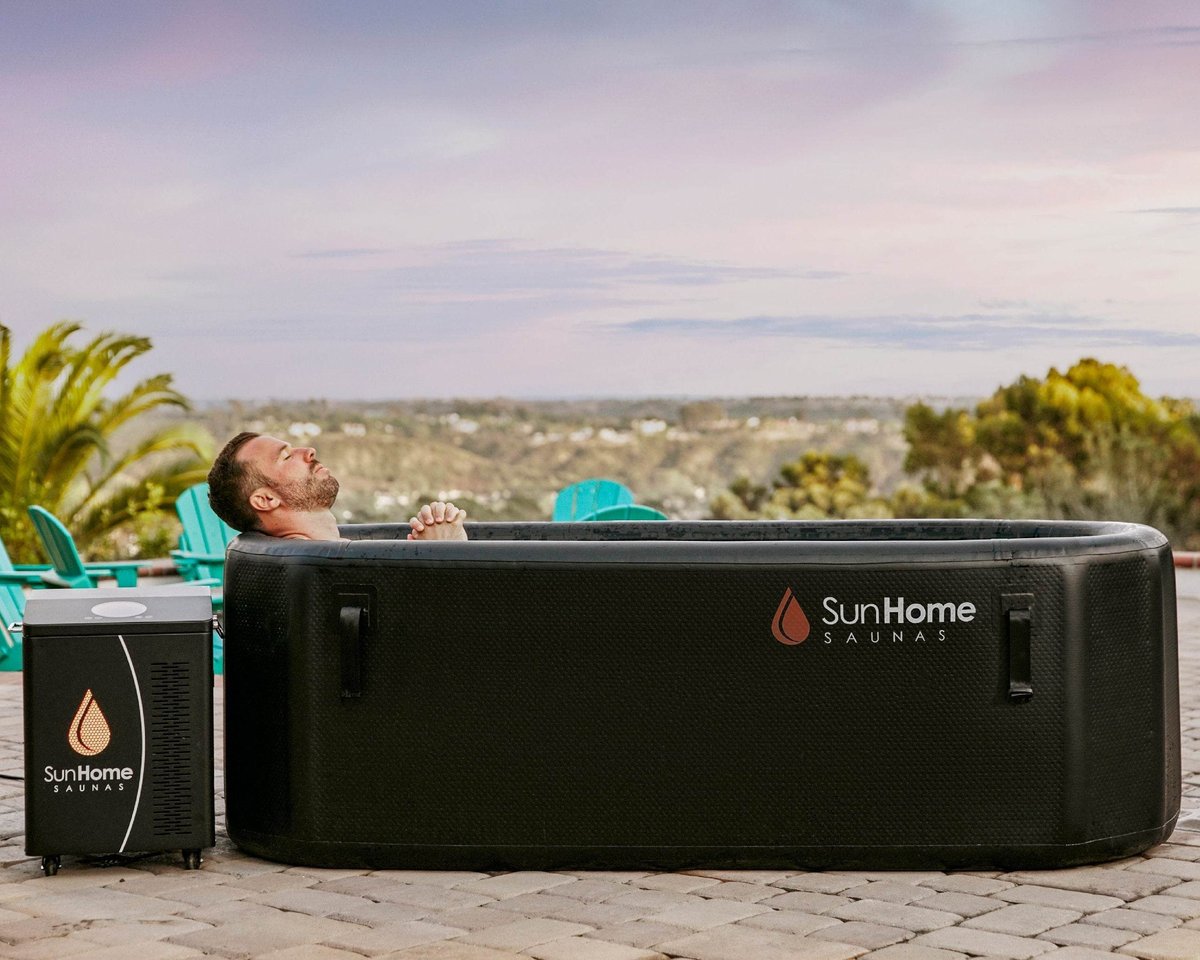
Cold plunging is not safe for everyone. If you have heart disease, uncontrolled high blood pressure, or a history of arrhythmia, speak with a clinician before starting. The cold shock response can spike heart rate and blood pressure within seconds. That stress can be dangerous in people with underlying cardiovascular issues. The cold plunge safety guide for beginners covers the full risk checklist.
Before you get in, warm up your body with light movement. Avoid jumping straight from bed into near-freezing water. Start at a milder temperature, around 15 degrees Celsius or warmer, and limit the first sessions to two or three minutes. Focus on slow, controlled breathing. Never hyperventilate before cold immersion because that can increase the risk of shallow water blackout. A calm entry and steady exhale make the experience safer.
After you exit, watch for afterdrop. Afterdrop happens when cold blood from your skin and limbs returns to your core. You may feel fine in the water and then start shivering minutes later. That is normal in mild cases. Warm up gradually with layers and a warm drink. Avoid a hot shower immediately after because rapid rewarming can cause blood pressure changes. If you decide to invest in a tub, compare options in our best cold plunge tubs 2026 guide.
Frequently Asked Questions
Does cold plunging specifically target belly fat?
No. Cold exposure can activate brown fat in the neck and upper back, not spot reduce belly fat. Fat loss happens across the body and requires a calorie deficit.
How many calories does a cold plunge burn?
Estimates vary, but a 10 minute plunge may burn roughly 15 to 40 extra calories. The effect is real but small.
How long does brown fat stay active after a cold plunge?
The thermogenic response may last minutes to a few hours, depending on cold dose. Repeated exposure can increase brown fat capacity over weeks.
Is cold plunging better than a sauna for weight loss?
Neither is a strong weight loss tool. Sauna mainly causes water loss, not fat loss. Cold plunging burns a small number of calories and may improve metabolic markers.
Can cold plunging cause weight gain?
Some people experience an increase in appetite after cold exposure. If you eat more than the small calorie burn, you will not lose weight.
How often should I cold plunge to see metabolic benefits?
Most protocols suggest 3 to 5 times per week for adaptation. But the research on frequency for fat loss is not settled.
What Should You Remember?
- Brown fat is real and responds to cold, but the total calorie burn is modest.
- Cold plunging alone is unlikely to produce meaningful weight loss.
- Specific studies show small acute increases in energy expenditure, often under 50 calories per session.
- Consistency matters more than extreme cold for brown fat adaptation.
- Safety first if you have heart or blood pressure concerns.
- Use cold plunge as a support for recovery, not a replacement for nutrition and movement.
- Expect metabolic health benefits more than rapid fat loss.
This article is for general information only and is not medical advice. Cold water immersion and sauna use can be risky for people with cardiovascular conditions, Raynaud’s disease, or who are pregnant. Always consult a physician before beginning cold therapy or heat therapy.