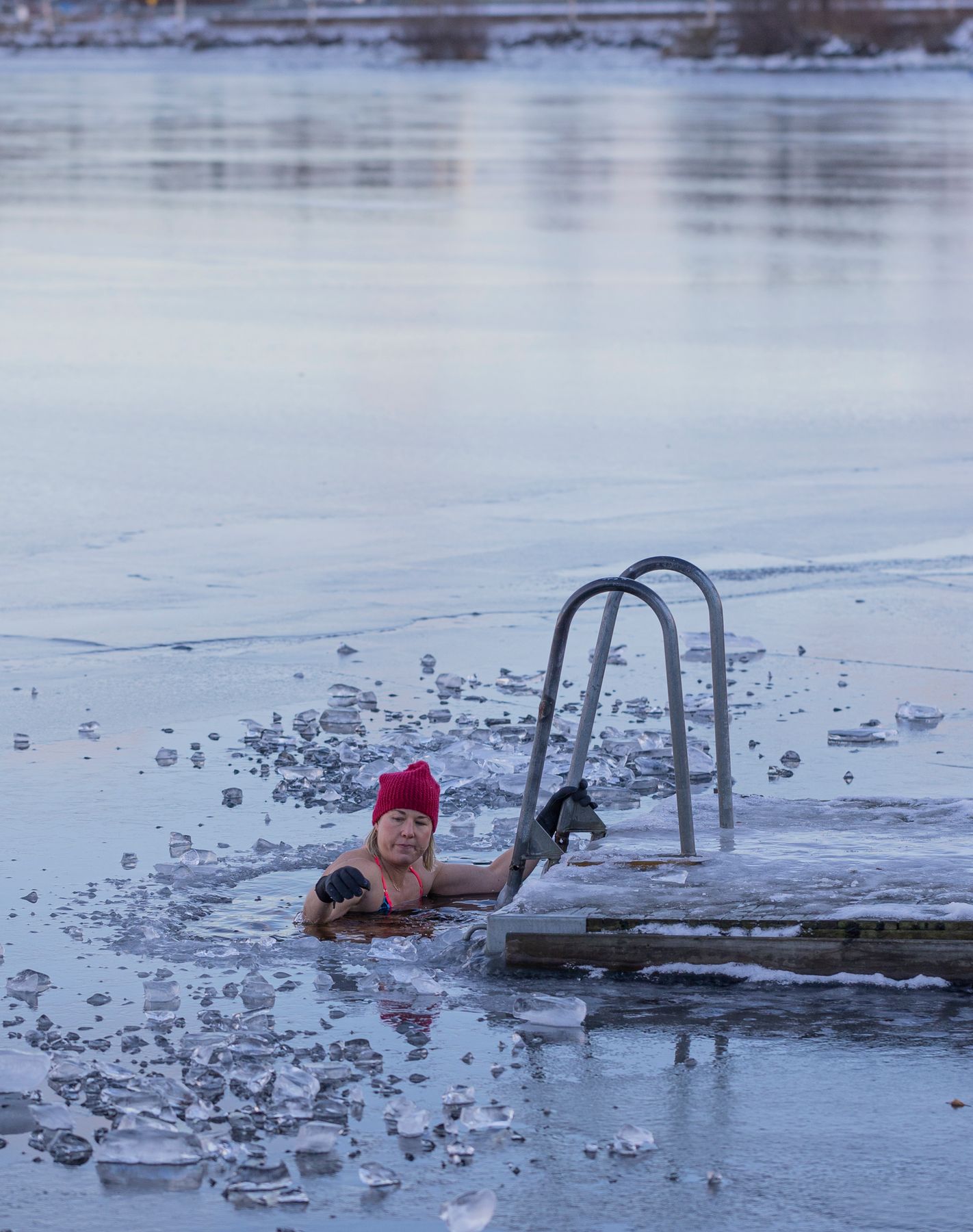
Cold plunging has moved from fringe recovery to mainstream wellness, and many women now ask whether the practice works differently in female bodies. Most cold water immersion research has used small groups, often male athletes, and rarely tracks hormonal phases. That gap matters because estrogen, progesterone, and thyroid hormone influence blood flow, cold perception, and core temperature. Before you buy a cold plunge tub, it helps to understand what cold exposure does and does not do for female physiology.
Cold water immersion triggers a fast sympathetic nervous system response. Heart rate and blood pressure rise, blood moves toward the core, and stress hormones change. For many healthy women, this acute stress can lead to improved mood and reduced soreness over time. But the same response can feel different depending on where you are in your cycle, whether you are perimenopausal, or if you have an underlying condition. A beginner protocol should be individualized rather than copied from generalized advice.
This guide explains the hormonal considerations around cold plunging for women and offers safe practice adjustments. You will find evidence from PubMed, Cleveland Clinic, and Mayo Clinic where available. We also link to more detailed cold plunge benefits and safety resources. The goal is not to scare you away from cold exposure. It is to help you use it in a way that respects female physiology.
| Cycle Phase | Typical Cold Tolerance | Suggested Adjustment |
|---|---|---|
| Follicular (after period) | Often higher | Use normal temperature and extend to 3 minutes if comfortable |
| Ovulation | Variable | Keep duration moderate and track energy levels |
| Luteal (before period) | Often lower and core temperature higher | Use warmer water or shorten the plunge |
| Menstrual (period) | Can be lower with fatigue | Do a short session or skip if cramping |
How Does Cold Plunging Affect Women’s Hormones?
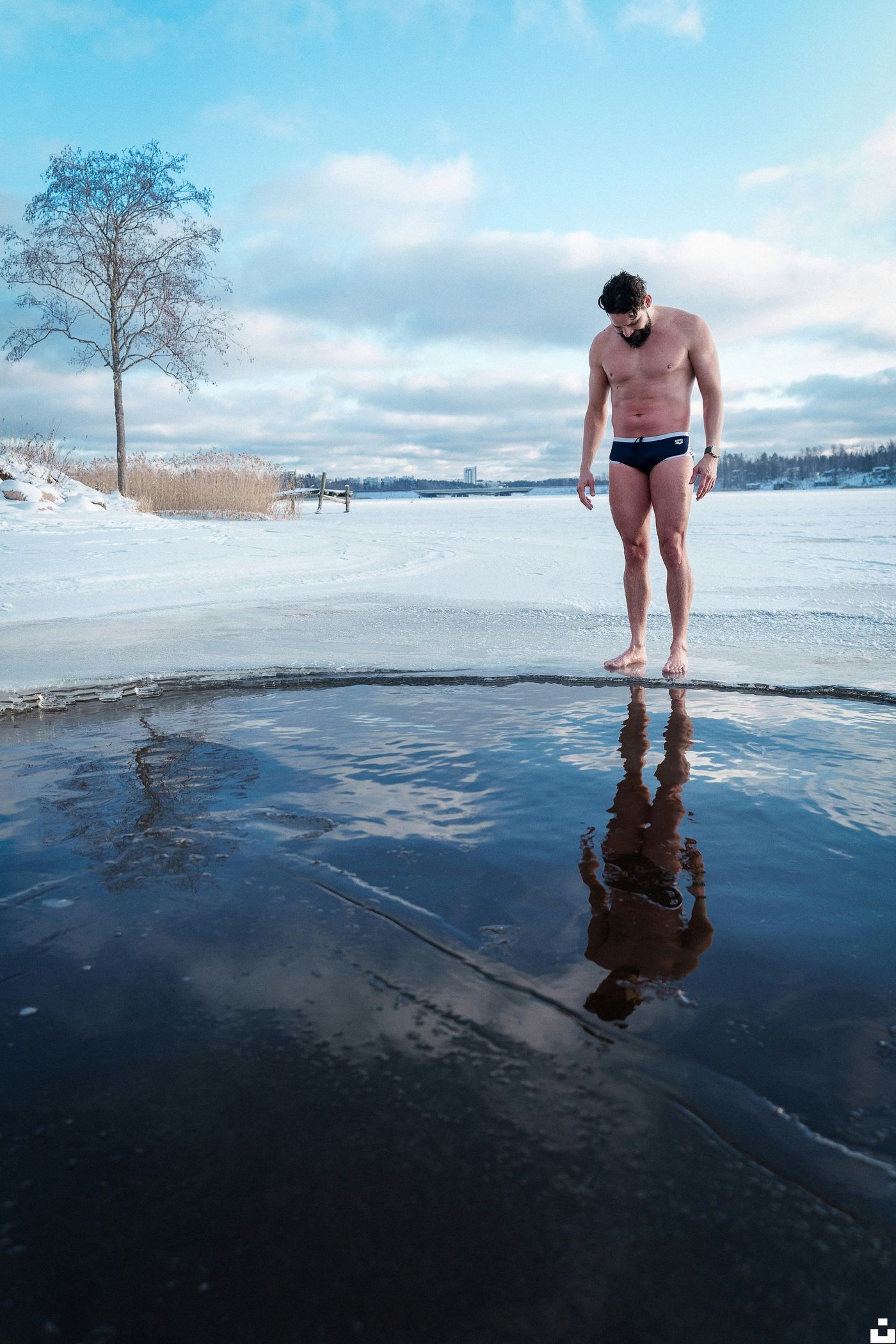
Cold water immersion activates the sympathetic nervous system. The body releases catecholamines, including noradrenaline and adrenaline, within seconds. This is a short-term stress response, not a permanent hormonal state. In one frequently cited study, plasma noradrenaline rose by about 530 percent and dopamine by about 250 percent after cold water exposure. You can read about the broader physiology through PubMed.
But context matters for women. Estrogen and progesterone shift across the menstrual cycle. Estrogen tends to promote blood vessel dilation and heat loss. Progesterone tends to raise core body temperature during the luteal phase. That means the same water can feel very different depending on the day. A plunge that feels manageable during the follicular phase may feel much colder after ovulation.
Chronic cold exposure may increase brown fat activity and improve insulin sensitivity, but the evidence in women is small and mixed. Most cold immersion studies have not controlled for cycle phase or hormonal status. For a deeper look at the potential recovery benefits, see cold plunge benefits. Do not assume that a hormonal shift from cold exposure will treat a medical condition.
- During the follicular phase, many women tolerate cold longer and report a smoother breathing response.
- During the luteal phase, core temperature is slightly higher and cold may feel sharper.
- Women in menopause often report more variable temperature sensitivity because estrogen is lower.
Can Cold Water Immersion Help With PMS or Menstrual Symptoms?
Some women report that cold water helps with premenstrual symptoms, but the evidence is mostly observational. Surveys of female cold-water swimmers suggest a range of responses. Some describe less menstrual pain and better mood. Others say cold worsens cramps or fatigue. These surveys are not randomized trials, so they cannot prove cause and effect.
Cold water can temporarily reduce pain perception. The strong sensory input from cold may distract the nervous system from cramps or breast tenderness. Endorphin release may play a role. However, no rigorous trial has established cold plunging as a treatment for PMS, PMDD, or dysmenorrhea. You can explore the general mood and recovery mechanisms in cold plunge benefits.
If you want to test it for premenstrual symptoms, track your response across two or three cycles. Record water temperature, duration, and symptom severity. This will help you see whether the plunge adds benefit beyond placebo or expectation. Frequency matters, so use the guide on how often to cold plunge to avoid overdoing it.
Do not stop prescribed treatment for PMDD or severe menstrual pain without medical advice.
- Keep a symptom diary rather than relying on memory.
- Compare premenstrual weeks with and without cold exposure.
- Keep sessions short during the late luteal phase if cramps or fatigue increase.
Should You Cold Plunge During Your Period?
Most healthy women can cold plunge during menstruation if they feel well and keep sessions short. There is no universal medical ban on cold water immersion during a period. However, some women feel colder, more fatigued, or more crampy on heavy flow days. If that is true for you, skip the plunge or choose a warmer contrast session.
Bleeding itself does not make cold plunging dangerous for a healthy person. But heat loss can be greater if you are already tired, dehydrated, or anemic. Have warm layers and a hot drink ready after the plunge. Do not stay in long enough to shiver uncontrollably or lose skin sensation.
If you have endometriosis, heavy bleeding, or suspected iron deficiency, ask a clinician first. Cold exposure constricts blood vessels and can increase cramping for some people. The cold plunge safety guide for beginners covers circulation, fainting, and cold water risks.
Some women find a short plunge on the first day of their period reduces the feeling of heaviness. Others find it makes cramping worse. Neither response is abnormal. Let your own symptoms guide the decision.
- Keep period day plunges under 2 minutes if you are new.
- Warm up with dry clothes and socks immediately after exiting.
- Avoid cold plunging if you feel faint, dizzy, or have very heavy flow.
What Temperature and Duration Are Best for Women?
Many cold plunge guides suggest 50 to 59 degrees Fahrenheit for beginners. That is a reasonable starting range for many women, but the best temperature is the one that lets you stay calm and breathe slowly. If 59 degrees still feels sharp, start at 60 to 65 degrees. You can gradually lower temperature over several weeks.
Duration matters more than extreme cold. Two to three minutes can create a clear stress response without unnecessary risk. Women who are new should start with 30 to 60 seconds and add time slowly. The cold plunge temperature guide explains how to progress safely from warmer to colder water.
Your cycle can shift your tolerance. In the first half of the cycle, many women tolerate slightly colder water. In the late luteal phase, the same water may feel much colder. Rather than forcing the same protocol every day, adjust by sensation. The article on how often to cold plunge covers frequency for recovery without overstressing the nervous system.
A simple rule is to stay in only as long as your breathing remains controlled. Once you start gasping or tensing against the water, it is time to exit.
- Beginners: 60 to 65 degrees Fahrenheit for 30 to 60 seconds.
- Intermediate: 50 to 59 degrees Fahrenheit for 1 to 3 minutes.
- Advanced only: below 50 degrees Fahrenheit with supervision and a warm-up plan.
How Does Menopause or Perimenopause Change Cold Plunge Practice?
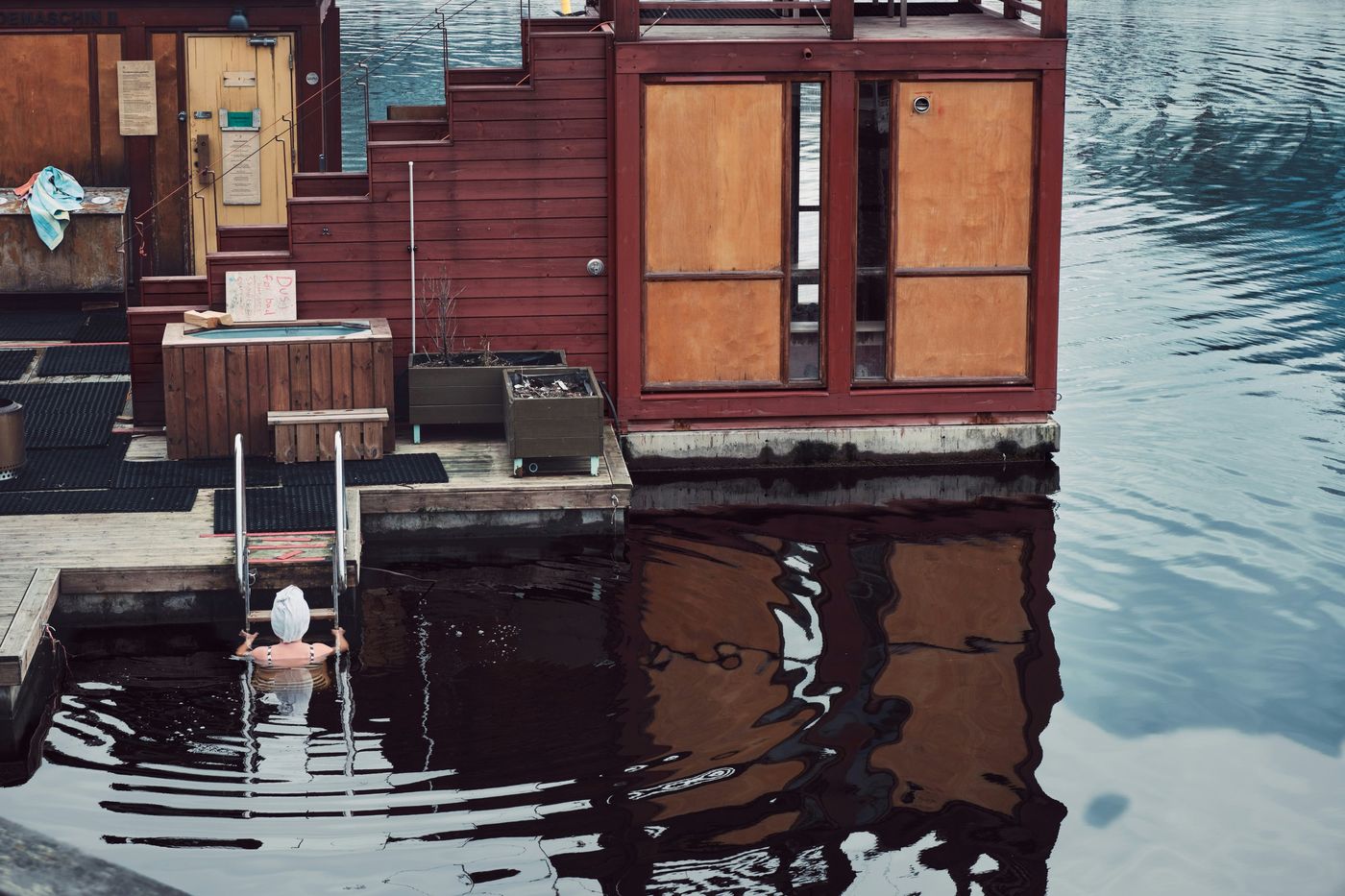
During perimenopause and menopause, estrogen levels decline. Many women experience hot flashes, night sweats, and a changed sense of temperature. Up to 80 percent of women report hot flashes during the menopause transition, according to Cleveland Clinic. Cold exposure can offer temporary relief from overheating, but it is not a proven treatment for vasomotor symptoms.
Cold plunging can still support mood and recovery. Some women find that a short cold plunge dampens the discomfort of a hot flash. Others find that the shock worsens heart palpitations or anxiety. There is no single rule. A short plunge, a controlled breathing pattern, and an immediate warm-up tend to work better than an aggressive cold session.
If you have high blood pressure, Raynaud’s phenomenon, or cardiac symptoms, get medical clearance first. Menopause changes vascular tone, and cold immersion increases blood pressure in the first minute. A beginner protocol can help you start gently.
The relationship between cold exposure and menopause symptoms is understudied. Use cold plunging as a supportive tool, not a primary therapy.
What Are the Safety Red Flags for Women Doing Cold Plunges?
Some conditions require a conversation with a doctor before you start. Cold immersion can trigger a strong vagal response, fainting, or blood pressure spikes. If you are pregnant, trying to conceive with a complicated history, or postpartum, get specific guidance. The cold plunge safety guide for beginners is a useful risk screening reference.
Red flags include chest pain, severe shortness of breath, confusion, numbness that does not resolve after warming, and intense shivering for more than 10 minutes. If you feel faint or lose vision, exit immediately and warm up. Do not cold plunge alone if you are new or have a history of fainting.
Women with Raynaud’s disease should avoid very cold water or use gloves and boots. Hypothyroidism can make it harder to rewarm after a plunge. Mayo Clinic cautions that cold water immersion can be dangerous for people with cardiovascular disease, especially without gradual adaptation.
Never treat cold plunging as a replacement for medical care. If a symptom worries you, stop the session and speak with a clinician.
- Pregnancy or possible pregnancy without medical clearance.
- Raynaud’s phenomenon or severe cold sensitivity.
- Uncontrolled high blood pressure.
- Heart rhythm problems or fainting history.
- Severe menstrual fatigue or heavy bleeding.
Frequently Asked Questions
Can cold plunging mess up my menstrual cycle?
For most healthy women, short cold plunging does not stop ovulation or change cycle length. Extreme cold stress, low energy availability, or frequent long sessions could contribute to cycle disruption in some people. If your cycle changes, track it and see a clinician.
Should I cold plunge if I have PCOS or endometriosis?
There is no strong evidence that cold plunging treats PCOS or endometriosis. Some women with endometriosis find cold worsens pelvic pain and cramping. Others feel temporary relief. Start with short, mild exposure and stop if symptoms increase.
Is cold plunging safe during pregnancy?
Medical guidance generally discourages starting intense cold exposure during pregnancy because it raises blood pressure and heart rate. Some women continue gentle cool water exposure under clinician supervision. Ask your provider before continuing or starting.
Does cold exposure lower estrogen?
Short-term cold exposure has not been shown to directly lower estrogen. Chronic stress can influence reproductive hormones, but a brief plunge is not a hormonal suppression tool. More research is needed in women.
Can cold plunges stop hot flashes?
Some women use cold plunges for temporary relief from hot flashes, but they are not a proven treatment. Menopause-related vasomotor symptoms are complex and often require medical management when severe.
How soon after ovulation should I change my cold plunge protocol?
After ovulation, progesterone rises and core temperature tends to increase. Some women feel colder afterward. You can reduce duration or use slightly warmer water during the late luteal phase if intensity feels too high.
What Should You Remember?
- Start with water between 50 and 59 degrees Fahrenheit and keep early sessions under two minutes.
- Adjust your plunge by menstrual cycle phase instead of forcing the same duration every day.
- Use shorter sessions on period days if you feel fatigued or crampy.
- Treat cold plunging for PMS or hot flashes as supportive, not as a proven cure.
- Track your symptoms, water temperature, and duration across several cycles.
- Get medical clearance before cold plunging if you have Raynaud’s, heart issues, or are pregnant.
This article is for general information only and is not medical advice. Cold water immersion and sauna use can be risky for people with cardiovascular conditions, Raynaud’s disease, or who are pregnant. Always consult a physician before beginning cold therapy or heat therapy.