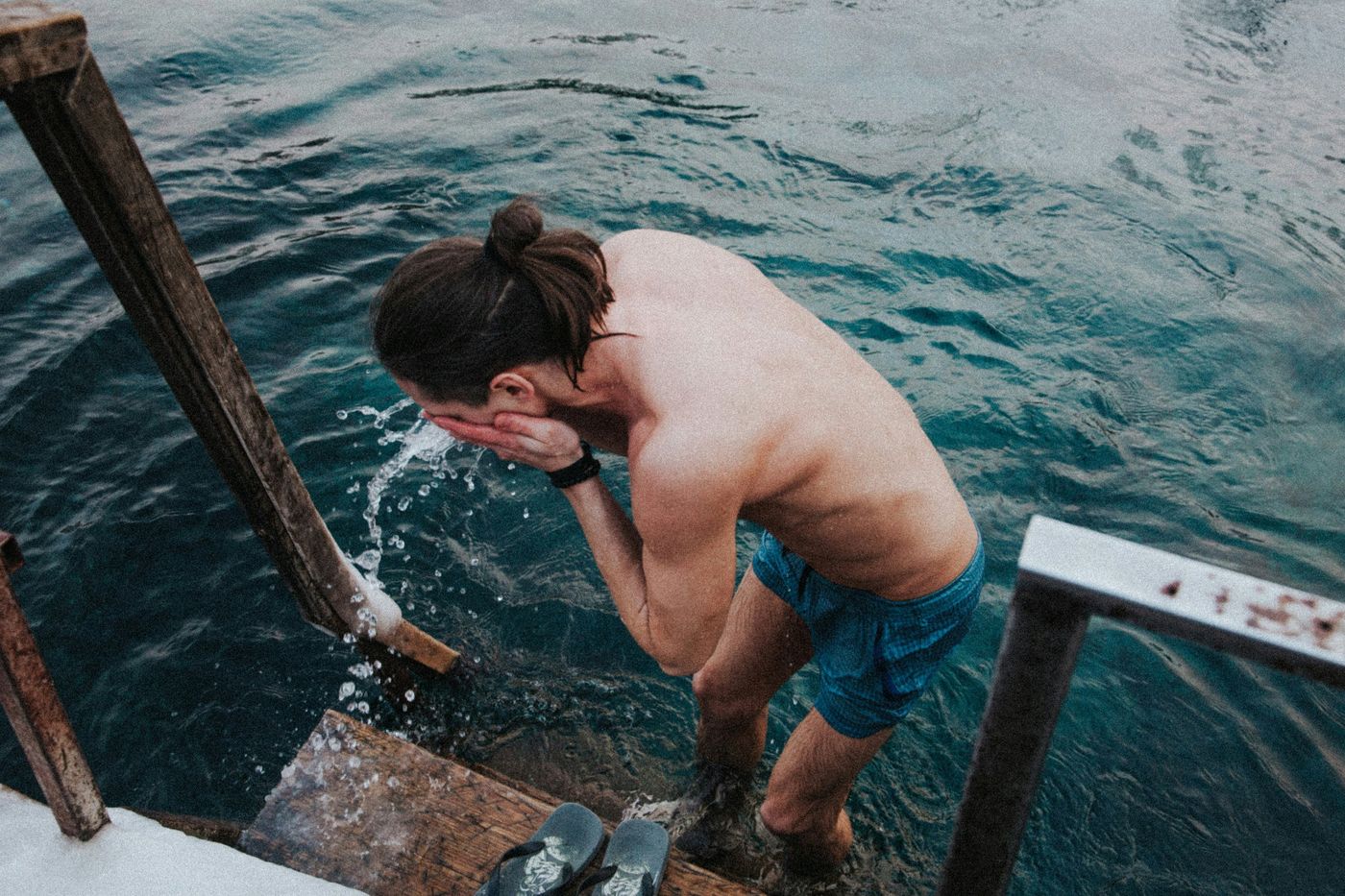
Cold plunging has moved from niche recovery tool to mainstream habit. Athletes, physical therapists, and everyday runners now use cold water immersion to manage soreness and support recovery. The appeal is straightforward. You step into water between 50 and 59 degrees Fahrenheit and stay for a few minutes. Many people report less stiffness and a sharper mental state afterward. But how much of that is physiological, and how much is just feeling refreshed? This article breaks down the science behind cold plunge for inflammation and recovery. We review what cold exposure does to blood flow and nerves. We also connect those responses to muscle damage and inflammatory signals. For a broader look at what cold plunging may do for your body, see our cold plunge benefits guide.
Cold water immersion is not a cure. It changes short term sensations and may alter recovery pathways. Some studies show meaningful reductions in perceived soreness. Others find limited effects on inflammatory markers such as interleukin 6. The evidence sits between those positions. A 2012 Cochrane review reported about a 20 percent reduction in muscle soreness after exercise. That is a specific finding. Yet the same review noted small sample sizes and variable protocols. You should treat cold plunging as one recovery tool, not a magic switch. If you are healthy, it may help you feel better between hard sessions. If you have cardiovascular conditions, get clearance from a clinician first. Our cold plunge safety guide for beginners covers contraindications in detail.
| Variable | Common Range | Notes |
|---|---|---|
| Water temperature | 50 to 59 degrees Fahrenheit (10 to 15 degrees Celsius) | Colder does not reliably improve recovery and may increase risk. |
| Duration per session | 5 to 15 minutes | Start with two minutes if new and build gradually. |
| Frequency | 2 to 4 times per week | More may blunt strength adaptations for some people. |
| Timing after exercise | 10 to 30 minutes after hard sessions | Avoid immediately before strength testing or skill work. |
What Happens to Your Body During a Cold Plunge?
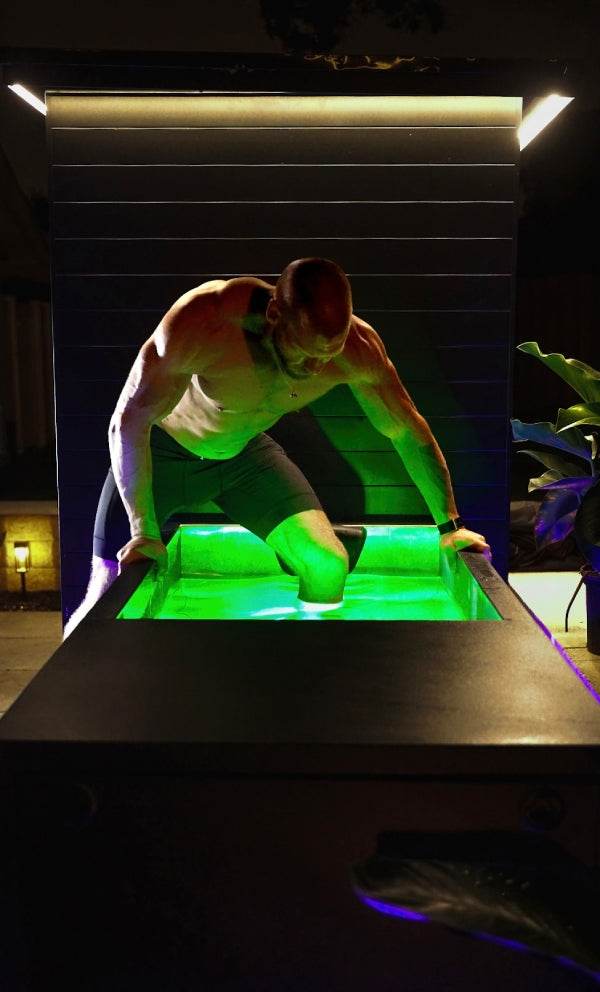
Within seconds of entering cold water, temperature receptors in your skin send rapid signals to the brain. Your sympathetic nervous system activates. Blood vessels in the skin and limbs constrict. This sends blood toward the core to protect vital organs. Heart rate and blood pressure rise. Breathing becomes faster and shallower. That collection of responses is called the cold shock response. It is normal, but it can be dangerous if you enter too fast or stay too long. This is why experienced users recommend slow, controlled breathing and a gradual entry. You can read more about safe entry in our cold plunge safety guide for beginners.
After the first minute or two, local blood flow in the cooled tissue drops. Tissue metabolism slows. Nerve conduction velocity decreases. That nerve cooling reduces pain signaling, which is one reason cold water feels numbing. The reduction in blood flow also limits fluid leaking from small damaged capillaries. Less fluid leakage means less swelling. Those local effects are well documented. They do not mean the whole body is less inflamed. They mean the exposed area is cooler, tighter, and less sensitive for a short period. Peer reviewed research supports this acute vasoconstriction response.
When you step out of the cold plunge, blood vessels begin to dilate. Blood flow returns to the skin and muscles. Some people describe this as a flush. The returning blood may help remove metabolic byproducts from exercised tissue, although the evidence for actual clearance is mixed. What is more consistent is a drop in perceived discomfort. That perceived change can support better movement quality and earlier return to training. Cold plunging also triggers a brief release of norepinephrine, a hormone linked to alertness and mood. That may explain the mental lift many users report after a plunge.
How Does Cold Plunging Affect Inflammation?

Inflammation after exercise is not always bad. Acute inflammation is part of the repair process. It brings immune cells, fluid, and nutrients to damaged muscle. Cold water immersion aims to reduce the excess part of that response. Vasoconstriction reduces fluid leakage from small blood vessels. That can reduce localized swelling in muscles and joints. This is a demonstrated local effect. For joint and soft tissue injuries, clinicians have long used cold therapy to limit early swelling. The cold plunge temperature guide can help you choose a safe range for that purpose.
The picture gets murkier at the systemic level. Blood markers of inflammation, such as C reactive protein and interleukin 6, do not consistently drop after cold plunging. Some studies report lower IL 6 after intense exercise. Others find no significant change. A review published in the Journal of Physiology noted that cooling may reduce muscle blood flow enough to delay clearance of inflammatory cells. That could blunt adaptation in some contexts. Harvard Health points out that cold water immersion may reduce perceived muscle soreness, but the mechanism may rely more on nerve cooling than on a true anti inflammatory effect. You can read more at Harvard Health.
Does that mean cold plunging is useless for inflammation? No. It means the benefit is likely local and perceptual first, systemic second. If your goal is to feel less stiff after a hard run, cold water may help. If your goal is to lower chronic inflammatory markers, cold plunging alone is not a proven medical treatment. Chronic inflammation responds better to sleep, nutrition, and regular moderate exercise. Athletes should view cold plunge as a short term recovery aid, not an anti inflammatory medication.
How Does Cold Water Immersion Support Muscle Recovery?
The strongest evidence for cold water immersion is in perceived muscle soreness. A 2012 Cochrane review of 17 trials with 366 participants found that cold water immersion reduced muscle soreness by about 20 percent at 24, 48, 72, and 96 hours after exercise compared with passive rest. That is a meaningful effect for people who train frequently. The same review found the evidence for improved muscle strength recovery was less consistent. Perceived recovery often improves even when blood markers do not change.
Several mechanisms may explain the recovery benefit. Cold reduces nerve conduction velocity, which dampens pain signals from sore muscles. Vasoconstriction limits swelling, which reduces pressure on pain receptors. Lower tissue temperature slows secondary muscle damage after intense eccentric exercise. There may also be a psychological component. Completing a cold plunge can create a sense of doing something active for recovery. That perception can influence how sore you feel later. These mechanisms are plausible and supported in part by laboratory studies.
However, cold plunging is not always superior to other recovery methods. Active recovery, compression, and light movement can produce similar reductions in soreness for some people. The advantage of cold plunging is convenience and the additional mental refresh. It also works well after high impact sessions when movement feels painful. If your primary goal is muscle growth, timing matters. Some resistance training studies suggest that cold immersion soon after lifting may reduce hypertrophy signaling. For that reason, many coaches separate cold plunge from strength work by several hours. Our how often cold plunge guide explains how to balance frequency with training goals.
What Temperature and Duration Work Best for Recovery?
Most research and real world protocols use water between 50 and 59 degrees Fahrenheit, or 10 to 15 degrees Celsius. Within that range, colder is not reliably better. The soreness reductions in studies appear similar whether the water is 50 or 59 degrees. What changes with colder water is risk. Lower temperatures increase the cold shock response and make it harder to control breathing. For new users, starting at 60 degrees Fahrenheit for two to three minutes is a sensible entry point. The cold plunge protocol for beginners walks through a step by step progression.
Duration also follows a curve of diminishing returns. Five to ten minutes captures most recovery benefits for healthy adults. Some protocols go to fifteen minutes, but longer sessions increase heat loss and discomfort without clear added benefit. If you are shivering uncontrollably or your lips turn blue, you have stayed too long. The goal is controlled stress, not survival. Our cold plunge temperature guide explains how to adjust based on body fat, experience, and water temperature.
The table below summarizes the main variables for recovery focused plunging.
How Often Should You Cold Plunge for Inflammation?

For general recovery, two to four cold plunge sessions per week is a common range. Some athletes use a plunge only after the hardest workouts. Others use short daily exposures for mood and alertness. The right frequency depends on your training volume and recovery capacity. If you are lifting heavy to build muscle, daily plunging may interfere with the inflammatory signals needed for adaptation. That concern is based on preliminary evidence from resistance training studies, not conclusive. Still, it is reasonable to separate cold exposure from strength sessions by several hours. Our how often cold plunge article has sample weekly schedules.
Consistency matters more than any single session. One cold plunge after a hard workout can reduce soreness that day. But the broader recovery habit includes sleep, protein, and stress management. Cold plunging can support those habits by improving perceived wellbeing. Many users find a regular plunge improves their mood and makes them more willing to move the next day. That indirect effect may be just as important as the direct effect on inflammation.
Watch how your body responds over time. If you feel chronically fatigued, sleep worse, or notice more joint stiffness, reduce frequency. Cold exposure is a stressor. Too much stress does not help recovery. For most people, two to four plunges per week is enough to get the soreness benefit without overdoing it. Use a training diary to track sleep, soreness, and performance. Adjust based on trends, not a single day.
Are Cold Plunges Safer Than Ice Baths for Recovery?
Cold plunges and ice baths use the same physiology. The difference is usually temperature control and setup. A dedicated cold plunge tub maintains a stable temperature, filters the water, and often includes a timer. An ice bath is a tub filled with water and ice. It can get colder than intended and may not maintain temperature. For recovery, both can work if used safely. The dedicated cold plunge tends to be more predictable. Our cold plunge vs ice bath comparison breaks down the practical differences.
Safety is the larger issue. Cold water immersion causes a rapid increase in heart rate and blood pressure. For healthy people, that is usually short lived. For people with heart disease, high blood pressure, or a history of arrhythmia, the cold shock response can be dangerous. The Cleveland Clinic recommends checking with a healthcare provider before starting cold water therapy if you have cardiovascular concerns. Pregnant women, people with Raynaud’s disease, and those with open wounds should also avoid unsupervised plunging. Our cold plunge safety guide for beginners covers these contraindications.
If you use an ice bath, monitor water temperature with a thermometer. Add ice gradually. Never plunge alone in very cold water. Have warm clothes and a towel nearby. If you use a home cold plunge, follow the manufacturer’s maintenance schedule. Clean water matters as much as temperature. A poorly maintained tub can cause skin infections. Starting with a shorter plunge at a milder temperature is the safest path. Once you know your response, you can extend time or lower temperature.
Frequently Asked Questions
Is cold plunging good for inflammation?
Cold plunging can reduce local swelling and perceived soreness after exercise. It constricts blood vessels and limits fluid leaking from damaged tissue. However, its effect on systemic inflammatory markers is mixed. It should not replace medical treatment for chronic inflammation.
How long after a workout should I cold plunge?
For recovery, aim to cold plunge within 30 minutes to a few hours after hard exercise. This timing targets early swelling and nerve sensitivity. If muscle growth is your main goal, consider waiting several hours after lifting.
What temperature is best for a cold plunge?
A range of 50 to 59 degrees Fahrenheit works for most people. Beginners can start at 60 degrees Fahrenheit. Colder does not reliably improve recovery and may increase risk.
How often should I cold plunge for recovery?
Two to four sessions per week is a common range for active people. Daily plunging may be fine for gentle recovery but could blunt strength adaptations if used too often after lifting. Adjust based on soreness, sleep, and performance.
Are cold plunges safe for everyone?
No. People with heart disease, high blood pressure, arrhythmia, Raynaud’s disease, or pregnancy should consult a clinician first. Never plunge alone in very cold water. Start short and mild.
Can a cold plunge reduce muscle soreness?
Yes. A Cochrane review found cold water immersion reduced muscle soreness by about 20 percent at 24 to 96 hours after exercise. The effect is larger for perceived soreness than for actual muscle strength recovery.
What Should You Remember?
- Cold plunge reduces perceived muscle soreness by about 20 percent after exercise.
- Vasoconstriction limits local swelling and nerve pain signals in cooled tissue.
- Water temperature of 50 to 59 degrees Fahrenheit works well for recovery.
- Duration of 5 to 15 minutes captures most benefits for healthy adults.
- Frequency of 2 to 4 sessions per week fits most training plans.
- Timing matters if muscle growth is the goal. Separate lifting and plunging by several hours.
- Safety first. Get medical clearance if you have heart or circulation issues.
This article is for general information only and is not medical advice. Cold water immersion and sauna use can be risky for people with cardiovascular conditions, Raynaud’s disease, or who are pregnant. Always consult a physician before beginning cold therapy or heat therapy.