Sauna marketing has a calorie problem. Walk through any trade show booth and you will see a sign claiming 600 calories burned in a single 30-minute session. That number comes from a small far-infrared study with a very specific protocol, and it gets repeated until people treat it as settled fact. The honest answer sits much lower. Estimates from indirect calorimetry put a traditional sauna session at roughly 60 to 100 calories for half an hour. Infrared cabins land closer to 40 to 80. Those are real numbers, and they are also small enough that a single banana outruns them. So why does the question keep coming up? Because the heat load on your heart is not small at all, and that mismatch between effort and fuel is what confuses everyone.
Methodology matters here more than usual. Researchers measure heat-related energy expenditure with indirect calorimetry, tracking oxygen consumption and carbon dioxide production while someone sits in a controlled chamber. A handful of peer-reviewed studies have done exactly that, and their findings cluster tightly. Sitting in dry heat at 176°F to 212°F raises core temperature slightly and pushes heart rate into the 100 to 150 beats per minute range, which the Harvard Health summary of sauna research compares to moderate-intensity aerobic work. What that does not produce is a large calorie deficit. The cardiovascular work is genuine. The metabolic cost stays modest, and anyone selling you a fat loss plan built on heat alone is stretching the evidence.
That gap between heart effort and calorie burn deserves a plain explanation. Your body has to move blood toward the skin to dump heat, and that circulation demand drives your pulse up. It does not require much fuel, because you are not contracting large muscle groups against resistance. Compare it to a brisk walk of the same duration. Both raise your heart rate into a similar range. Only one of them meaningfully burns fuel. Weight lost after a sauna is water, and you replace it with your next drink. If fat loss is the goal, heat is a supporting actor, never the lead.
Recovery athletes stack sauna with cold water for reasons that have nothing to do with calories. Heat adaptation improves plasma volume and sweat response over weeks of consistent use. Cold exposure triggers norepinephrine release and brown fat activity, which lifts metabolic rate for a while after you climb out. Together they form the contrast protocol many endurance coaches prescribe. The calorie math still does not add up to a diet strategy, but the cardiovascular and adaptation benefits do add up. Read our sauna vs steam room breakdown if you are still deciding which heat source fits your space and your goals.
How Do the Top Options Compare?
| Heat Format | Typical Temp | Calories per 30 Min | Cardiovascular Load | Best For |
|---|---|---|---|---|
| Traditional Finnish Sauna | 176-212°F | 60-100 | High | Strongest heat stimulus |
| Infrared Sauna | 120-150°F | 40-80 | Moderate | Small spaces and daily use |
| Steam Room | 100-115°F | 40-60 | Low to moderate | Respiratory relief |
| Sauna Plus Cold Plunge | 176-212°F then 32-50°F | 70-140 combined | High | Adaptation and recovery |
| Infrared Sauna Blanket | 120-140°F | 30-60 | Low | Portability and low cost |
Calorie ranges come from indirect calorimetry studies and manufacturer-adjacent estimates, and individual variation is large. Body weight, session length, hydration status, and air movement all shift the number. Treat these as ranges, not measurements. Water weight lost during a session is not fat loss. Anyone with cardiovascular disease, uncontrolled hypertension, or a history of heat intolerance should clear sauna and cold plunge use with a physician first.
1. Traditional Finnish Sauna , Best for the strongest heat load and the deepest research backing

Dry heat is the original format and still the hottest. A properly built Finnish sauna holds 176°F to 212°F at bench level with relative humidity between 10 and 20 percent. Throwing water on the rocks spikes humidity for a minute or two and raises the perceived temperature without touching the thermostat. Energy expenditure in that environment lands around 60 to 100 calories for a 30-minute session, based on PubMed indexed calorimetry work. Sweat production can reach a liter in a session, which is why the scale reads two pounds lighter afterward and why that reading means almost nothing.
The heart rate response is the interesting part. Core temperature climbs roughly 1°C to 2°C, cardiac output nearly doubles, and skin blood flow rises sharply. Finnish cohort data going back decades links four to seven sessions per week with lower cardiovascular mortality. Nobody argues the sauna burned enough calories to explain that. The benefit tracks with heat adaptation, improved endothelial function, and lower resting blood pressure instead. Those are adaptation effects. They build over months of consistent use, not in one heroic session.
Hardware matters more for safety than for calorie count. The Sun Home Nova 3-Person Indoor Traditional Sauna runs on a 240V circuit and holds steady bench-level heat, which makes sessions repeatable from week to week. Add a bucket and ladle if you want humidity control on demand. If you take blood pressure medication or have hypertension, read our sauna and blood pressure guide before your first session. Heat drops pressure quickly in some people, and standing up fast after 20 minutes is how people end up on the floor.
Key strengths:
- ✅ Highest heat load of any home option, which drives the strongest heart rate and sweat response
- ✅ Lowest cost per session once installed, since heaters use no proprietary parts
- ✅ Best evidence base, with decades of Finnish cohort data behind the cardiovascular claims
- ✅ Doubles as a social space, so sessions actually happen on a schedule
- ❌ Burns only 60 to 100 calories per 30 minutes, roughly one slice of bread
- ❌ Requires 240V wiring, ventilation, and floor space, so install costs can exceed the cabin price
- ❌ Dehydration and post-session dizziness are real risks, especially with alcohol or blood pressure medication
Who it’s for: Someone with dedicated indoor space who wants the strongest cardiovascular stimulus and the deepest research backing for long-term use.
2. Infrared Sauna , Best for small spaces and daily sessions at lower heat

Infrared cabins heat your body with radiant panels instead of the air around you. Set points usually run 120°F to 150°F, far below a Finnish room, and sweating starts earlier because the skin warms directly. Calorie estimates land between 40 and 80 for 30 minutes. That is lower than traditional sauna in most comparisons, though a few small studies show similar heart rate responses at much lower air temperatures. The radiant heat penetrates a couple of centimeters into tissue, which is why sore muscles often feel better after an infrared session than after dry heat.
The claim that infrared burns 600 calories per session traces back to one small study with an unusual protocol. The Cleveland Clinic has pushed back on the number directly, noting that sweat loss is water and that heat sessions burn calories at roughly the rate of a slow walk. Repeat that to anyone selling you an infrared cabin as a weight loss device. The honest pitch is comfort, accessibility, and daily consistency, not caloric deficit.
For home use, footprint decides more than wattage. A one-person cabin like the Sun Home Solstice 1-Person Infrared Sauna takes up roughly a 3-by-4-foot patch of floor and plugs into a standard 120V outlet, so no electrician visit. Two-person models run closer to 4 by 5 feet. If you are comparing heater types, carbon panels, and cabin sizes, our best infrared saunas of 2026 roundup breaks the specs down side by side.
Key strengths:
- ✅ Lower air temperature allows longer, more comfortable sessions for people who cannot handle 200°F
- ✅ Standard 120V plug on most one-person models, so no dedicated circuit or electrician
- ✅ Radiant heat reaches deeper into muscle tissue, which many users find eases soreness
- ✅ Compact footprint fits apartments, bedrooms, and converted closets
- ❌ Burns fewer calories than traditional sauna in most head-to-head measurements
- ❌ Manufacturer claims of 600 calories per session are not supported by the research
- ❌ Heater panels degrade over years, and thin-walled budget cabins leak heat
Who it’s for: Renters and small-space owners who want a daily heat habit without 240V wiring or a construction project.
3. Steam Room , Best for respiratory comfort rather than calorie burn
Steam rooms sit at 100°F to 115°F with humidity near 100 percent. Heat transfer through wet air is efficient, so the room feels hotter than the thermostat suggests even though the air is cooler than any sauna. Calorie burn lands in the 40 to 60 range for a 30-minute session, the lowest of the three heat formats. Sweat pours off you, which is exactly why the calorie number gets overestimated so often. Volume of sweat tells you nothing about energy spent.
Where steam wins is respiration. Moisture loosens mucus, and plenty of people with exercise-induced asthma report easier breathing afterward. Where it loses is cardiovascular load. Heart rate climbs more slowly than in dry heat, and the environment does not drive the same plasma volume adaptation a Finnish sauna produces. If you want the heart and blood vessel benefits, steam is the weaker tool.
Practically, steam rooms live in gyms and commercial spas. Residential steam generators exist, but they need a sealed tile enclosure, a floor drain, and a dedicated water line, which puts install cost well above a plug-in infrared cabin. Use the one at your gym if respiration is your goal. Do not remodel a bathroom for a 40-calorie session.
Key strengths:
- ✅ Best heat format for respiratory comfort and post-illness congestion
- ✅ Cooler air temperature makes it tolerable for people who dislike dry heat
- ✅ Common in commercial gyms, so access usually costs nothing extra
- ✅ Short sessions feel satisfying because sweat starts within minutes
- ❌ Lowest calorie burn of the three heat formats at 40 to 60 per session
- ❌ Near-100 percent humidity limits session length and can leave you lightheaded
- ❌ Residential installation is expensive, permanent, and requires sealed tile work
Who it’s for: People chasing respiratory relief who already have gym or spa access and do not care about calorie count.
4. Sauna Plus Cold Plunge Contrast Protocol , Best for adaptation and recovery, with a small calorie bonus

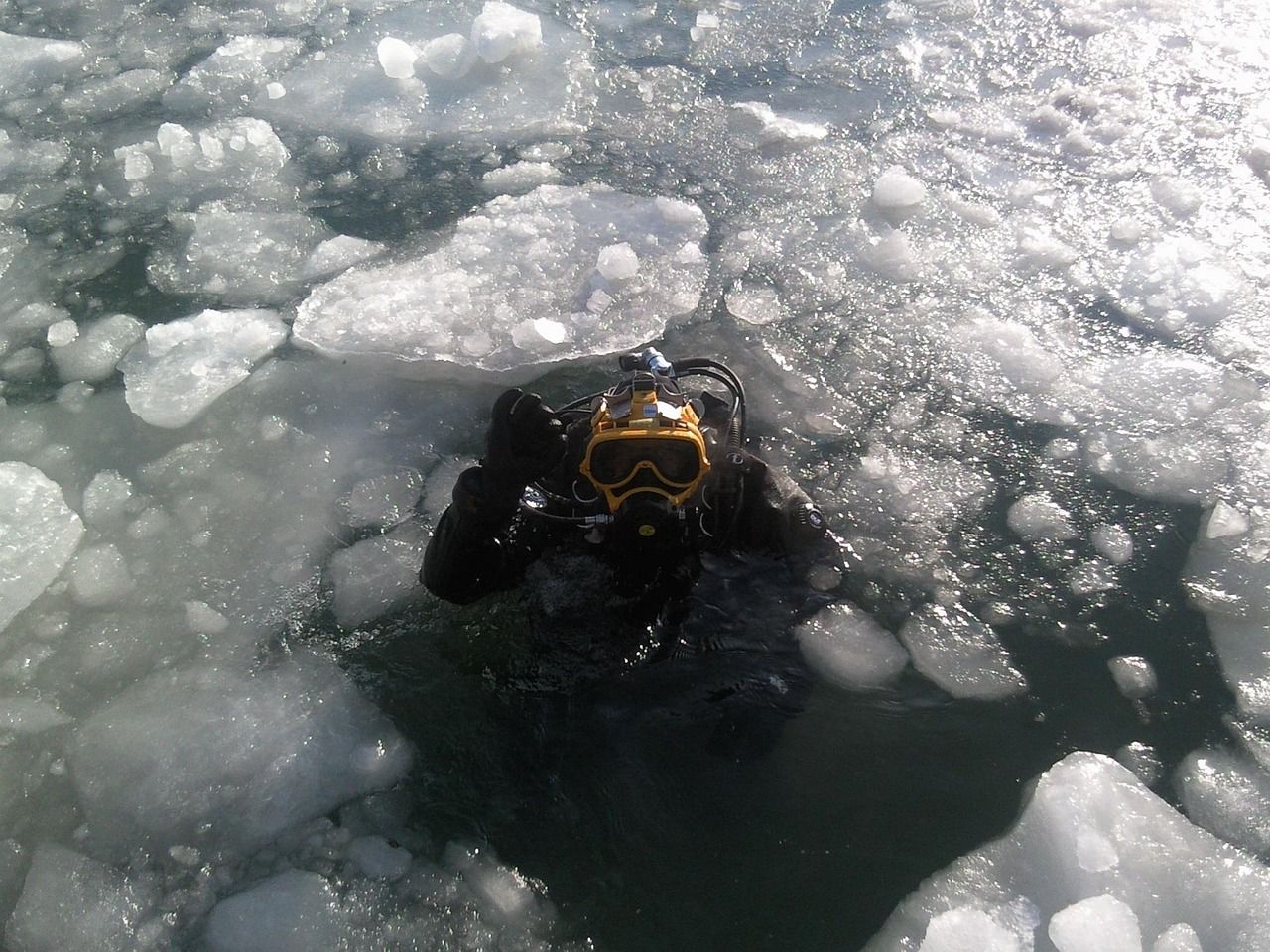
This is where the calorie conversation gets more interesting. Cold water immersion triggers shivering thermogenesis in some people and non-shivering thermogenesis in others. Shivering can burn 300 to 400 calories per hour in cold conditions, but most plunge protocols last three to five minutes, so the total stays small. Norepinephrine rises two to three times above baseline, which raises resting metabolic rate for an hour or two after you get out. Add that to the sauna session and you are looking at roughly 70 to 140 calories combined, depending on duration and how hard you shiver.
The order matters more than the temperature. Most coaches recommend heat first, then cold, because finishing cold blunts the inflammatory response and leaves you alert instead of sluggish. Our sauna then cold plunge guide walks through the timing and the reasoning. Cold exposure also raises brown fat activity over weeks of consistent practice, and brown adipose tissue burns fuel specifically to generate heat. That adaptation is small but real.
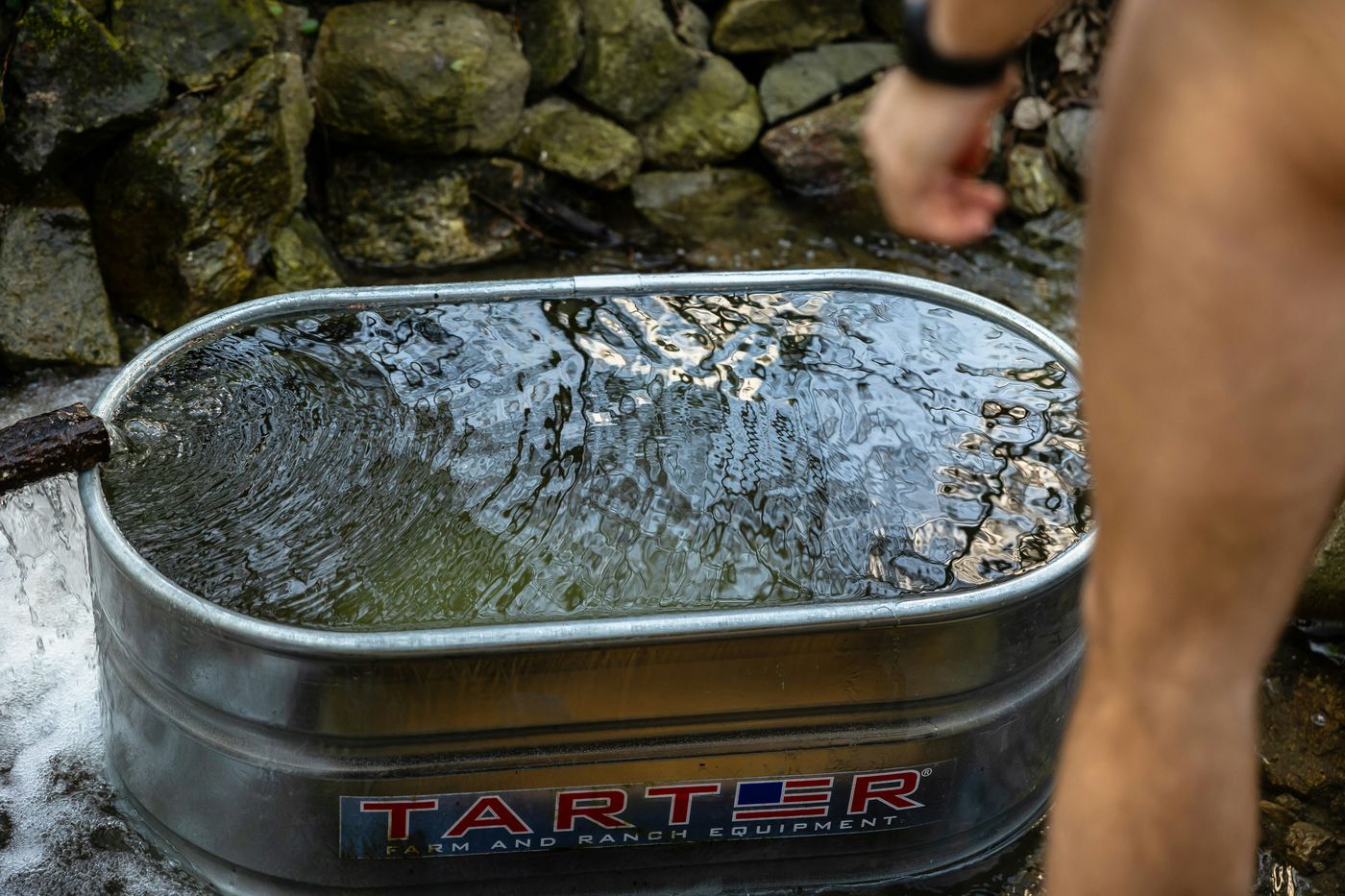
Hardware for the cold half has its own specs worth checking. A tub like the Sun Home Cold Plunge Pro Apex holds water between 32°F and 41°F with a chiller running, and the filter cartridge is a 10-by-2.5-inch element you swap every few weeks. Skip maintenance and the water turns cloudy within days. If you are new to the cold side entirely, start with our cold plunge benefits overview before you buy anything at all.
Key strengths:
- ✅ Adds cold-induced thermogenesis on top of the heat session for a small calorie bump
- ✅ Norepinephrine surge lifts mood and alertness for hours after a plunge
- ✅ Combined heat and cold adaptation improves sweat response and cold tolerance together
- ✅ Sore muscle relief is the most reported outcome among athletes using contrast protocols
- ❌ Extra calorie burn from the cold half is small, roughly 20 to 50 calories
- ❌ Requires two pieces of equipment and roughly twice the time commitment
- ❌ Cold shock carries genuine risk for people with heart conditions or uncontrolled blood pressure
Who it’s for: Recovery-focused athletes who already train hard and want adaptation benefits, not people looking for a diet shortcut.
5. Infrared Sauna Blanket , Best for portability and the lowest entry price
A sauna blanket wraps the body in low-temperature infrared heat at 120°F to 140°F. Sessions run 30 to 45 minutes and burn an estimated 30 to 60 calories, the smallest number on this list. What you get instead is portability and a price point under $600 in most cases. Nothing else here fits in a closet.
The Sun Home Infrared Sauna Blanket folds flat and works on a couch or bed with no install at all. Heat distribution is less even than a cabin, and you cannot throw water for humidity control. Sweat volume runs high because the blanket traps moisture against your skin, which some people love and others find uncomfortable. Wipe it down after every session or it gets ripe fast.
Use it as a maintenance tool during travel weeks or as a starter before you commit floor space to a cabin. Do not expect the cardiovascular stimulus of a 190°F Finnish room. Heart rate stays lower, core temperature rises less, and the thermoregulation challenge is mild, so the adaptation benefits are proportionally smaller. It is a convenience product, and it is honest about that.
Key strengths:
- ✅ Cheapest entry point into heat therapy, often under $600
- ✅ Folds for storage and works in apartments with no spare floor space
- ✅ Long sessions stay comfortable because the heat is mild
- ✅ No wiring, plumbing, or installation of any kind
- ❌ Lowest calorie burn and smallest cardiovascular load of any option here
- ❌ Uneven heat across the body compared with a full cabin
- ❌ Traps sweat against the skin, so it needs cleaning after every single session
Who it’s for: Travelers, renters, and anyone testing heat therapy before spending money on a permanent cabin.
Frequently Asked Questions
How many calories does a 30-minute sauna burn?
Estimates from indirect calorimetry put a traditional dry sauna at roughly 60 to 100 calories for 30 minutes. Infrared cabins land lower, around 40 to 80 calories. Individual numbers swing with body weight, temperature, and how long you stay in.
Can sauna use help with weight loss?
Only marginally. The calorie cost of a session is smaller than a single snack, and any weight you lose is water that returns once you rehydrate. Sauna supports cardiovascular health and recovery, but it is not a fat loss tool.
Is the claim that a sauna burns 600 calories true?
No. That figure traces back to a small far-infrared study with a specific protocol, and it gets repeated far beyond what the data supports. The Cleveland Clinic has pushed back on it directly, noting that sweat loss is water, not fat.
Does a sauna burn more calories than exercise?
No. A 30-minute jog burns well over 300 calories for most adults. A sauna session burns a fifth of that. The heart rate response feels intense, but you are not contracting large muscle groups, so the fuel cost stays low.
Does cold plunge burn more calories than sauna?
Per minute, cold water can burn slightly more because shivering thermogenesis is costly. Sessions are short, though, so a three-minute plunge adds roughly 20 to 50 calories. The bigger effect is a norepinephrine spike that lifts resting metabolic rate for an hour or two.
Does sweating more mean I burned more calories?
No. Sweat rate tracks heat, humidity, fitness, and hydration status, not energy expenditure. Two people in the same sauna can sweat very different amounts while burning nearly identical calories.
What Should You Remember?
- Calorie burn is modest. A 30-minute traditional sauna burns about 60 to 100 calories, while infrared cabins land at 40 to 80.
- Heart rate is not calorie burn. Heat pushes your pulse into the 100 to 150 bpm range without the fuel cost of running.
- Sweat weight is water. You can drop a pound or two in a session, and you gain it back with your next glass of water.
- Cold exposure adds a little. Shivering and norepinephrine release can add roughly 20 to 50 calories per plunge.
- Adaptation beats calorie math. Consistent heat exposure improves plasma volume, sweat rate, and resting blood pressure over weeks.
- Match the format to the goal. Steam helps respiration, infrared fits small spaces, and Finnish dry heat delivers the strongest stimulus.
This article is for general information only and is not medical advice. Cold water immersion and sauna use can be risky for people with cardiovascular conditions, Raynaud’s disease, or who are pregnant. Always consult a physician before beginning cold therapy or heat therapy.