Fifteen minutes feels fine. Thirty minutes feels like a mistake. That gap is the entire safety question with sauna bathing, and the answer shifts depending on whether you are sitting in a 190 degree Fahrenheit Finnish cabin or a 130 degree Fahrenheit infrared room. Most clinical guidance lands on sessions between 5 and 20 minutes, with a hard ceiling around 20 minutes for a single traditional round. The reason is cardiovascular, not comfort. Heat exposure raises heart rate, shifts blood flow to the skin, and pushes core temperature upward, and every one of those effects scales with time. Our breakdown of sauna use and blood pressure explains what repeated heat does to vascular function over months of consistent use.
The research base behind sauna bathing is unusually deep for a recovery practice. Finnish cohort studies have followed thousands of middle-aged men for two decades, tracking how often they bathed and how long they lived. Frequency shows up as the dominant variable in almost every analysis. People who sauna four to seven times per week do better than people who sauna once a week, and the difference holds after adjusting for smoking, fitness, and income. Session length barely moves the needle. That single finding reframes the whole question. You do not need a longer sit, you need a repeatable one.
The type of heat changes your safe window more than anything else. A dry Finnish sauna at 190 degrees Fahrenheit gives you roughly 10 to 15 minutes before your body is working hard to stay cool, while a steam room at 110 degrees Fahrenheit with near-total humidity cuts that window shorter still because sweat cannot evaporate. Infrared cabins sit at the opposite end. Our sauna vs steam room comparison walks through how humidity, temperature, and air movement interact, and it is worth reading before you assume all heat rooms behave the same way.
Individual variables matter just as much as the room. Body weight, fitness level, hydration status, sleep, alcohol use, and prescription medication all shift how fast you heat up. Beta blockers and diuretics change the heart rate response. Pregnancy makes heat regulation harder. Instead of guessing, plug your body weight, sauna type, and target temperature into the sauna temperature and duration calculator and start with the number it gives you. The five protocols below cover the realistic range, from a cautious first session to a full multi-round athlete routine.
How Do the Top Options Compare?
| Sauna Type | Air Temperature | Session Length | Rounds | Best For |
|---|---|---|---|---|
| Traditional Finnish dry sauna | 176-212°F (80-100°C) | 10-15 min, 20 min max | 2-3 | Research-backed heat exposure |
| Infrared sauna | 120-150°F (49-65°C) | 20-40 min | 1-2 | Longer, gentler daily sessions |
| Steam room | 100-120°F, near 100% humidity | 10-15 min | 1-2 | Humidity lovers with a short window |
| Beginner protocol | 150-170°F, lowest bench | 5-10 min | 1 | Your first ten sessions |
| Heat-adapted multi-round | 176-194°F | 15 min x 3 | 2-4 | Trained athletes and heat adaptation |
Ranges assume healthy, non-pregnant adults who do not take heat-sensitizing medication. Session length counts time inside the hot room only, not cool-down periods between rounds. Total heat exposure across all rounds should stay under 45 minutes for most people.
1. Traditional Finnish Dry Sauna: 10 to 15 Minutes Per Round , Best for research-backed heat exposure
Traditional Finnish saunas run 176 to 212 degrees Fahrenheit (80 to 100 degrees Celsius) with relative humidity between 10 and 20 percent. At those temperatures the air does the work and your body absorbs heat quickly. Ten to fifteen minutes is the sweet spot for most adults, and 20 minutes is the practical ceiling for a single round. Push past that and you are not buying extra benefit. You are just driving core temperature into territory where nausea and lightheadedness become likely.
The evidence base here is stronger than any other heat modality. A 2015 study indexed on PubMed tracked 2,315 middle-aged Finnish men for a median of 20.7 years. Men who took four to seven sauna sessions per week had a 40 percent lower risk of all-cause mortality than men who took one session per week. Frequency drove that result, not duration. Meanwhile our sauna longevity and heart health data pulls apart the cohort studies that keep getting cited, and it is clear that nobody earned those outcomes by sitting for 45 minutes.
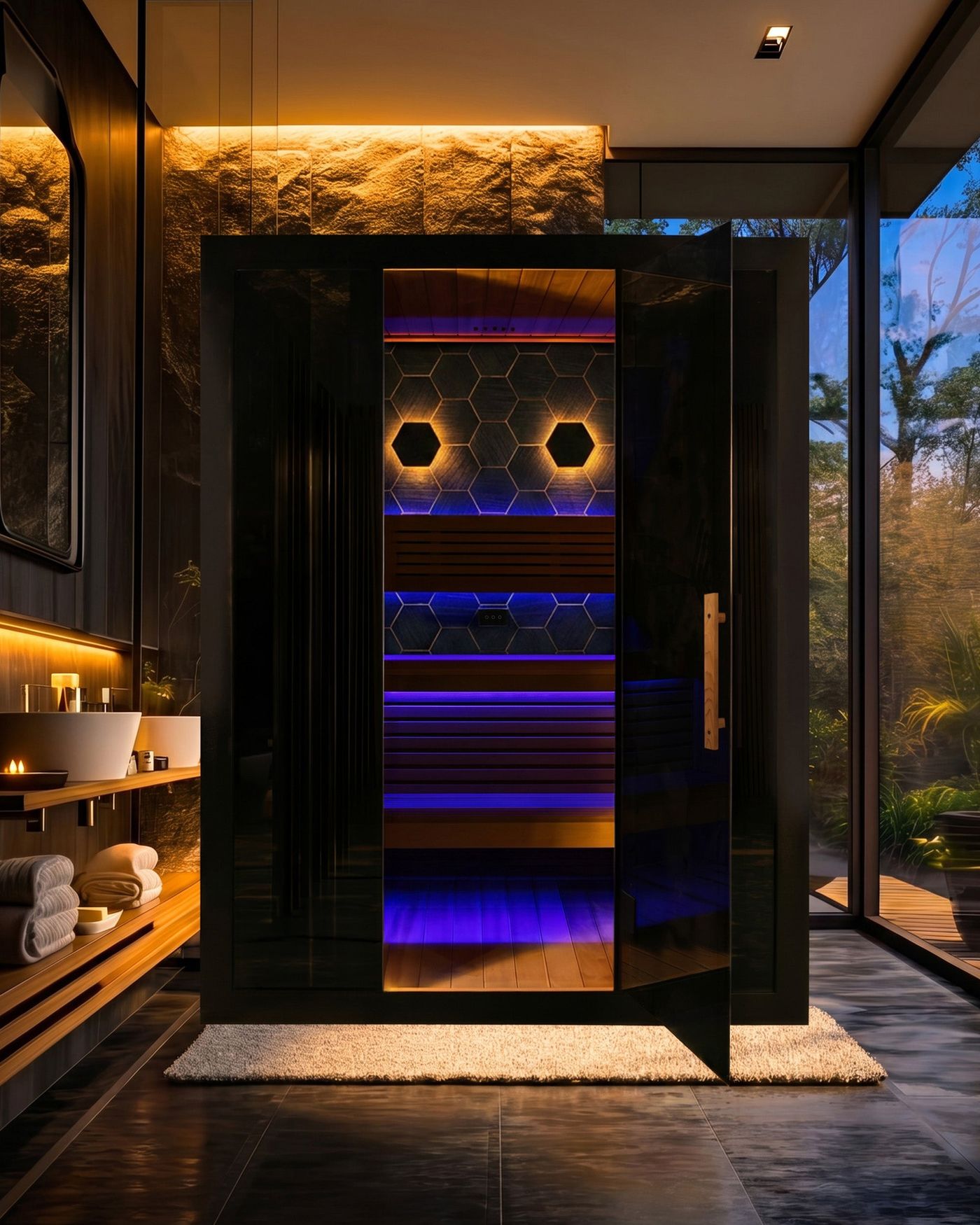
Practically, run two or three rounds of 10 to 15 minutes with a 5 to 10 minute cool-down between them. Drink 16 to 24 ounces of water in the hour before you start. A cheap wall hygrometer tells you more about a session than any timer, because 190 degrees Fahrenheit at 15 percent humidity feels completely different from 190 degrees Fahrenheit at 40 percent. A basic sauna thermometer and hygrometer costs less than dinner. If you are shopping for hardware, the best home saunas guide compares heater sizing and cabin construction, and the Sun Home Nova 3-Person Indoor Traditional Sauna is a traditional heater setup built for the full Finnish range. Adding a traditional sauna bucket and ladle gives you direct control over humidity by pouring water on the stones.
The honest downside is that Finnish saunas are the least forgiving format for beginners. Air at 190 degrees Fahrenheit hits you within the first 90 seconds. Heart rate can climb to 120 to 150 beats per minute, which is why clinicians treat heat bathing as cardiovascular exercise rather than passive relaxation. If you take beta blockers, diuretics, or blood pressure medication, that response changes and your safe window shrinks. Sit low, sit short, and move up only after a week of comfortable sessions.
Key strengths:
- ✅ Shortest time commitment of any format: 15 minutes delivers the full stimulus
- ✅ Strongest research base, with Finnish cohort data covering more than 20 years of follow-up
- ✅ Dry air is easier on the lungs than steam, which matters for people with mild asthma
- ✅ Humidity is user-controlled, so a ladle of water tunes the session up or down
- ✅ Bench height creates a clear heat gradient: start low, climb as you adapt
- ❌ 190 degree air feels brutal in the first minute, so beginners must start on the lower bench
- ❌ Heart rate spikes fast, making it a poor fit for uncontrolled hypertension
- ❌ Sweat loss per minute is higher than in infrared, so dehydration risk climbs quickly
Who it’s for: Experienced sauna users and anyone who wants the strongest evidence base in the shortest possible session.
2. Infrared Sauna: 20 to 40 Minutes Per Session , Best for longer, gentler daily sessions
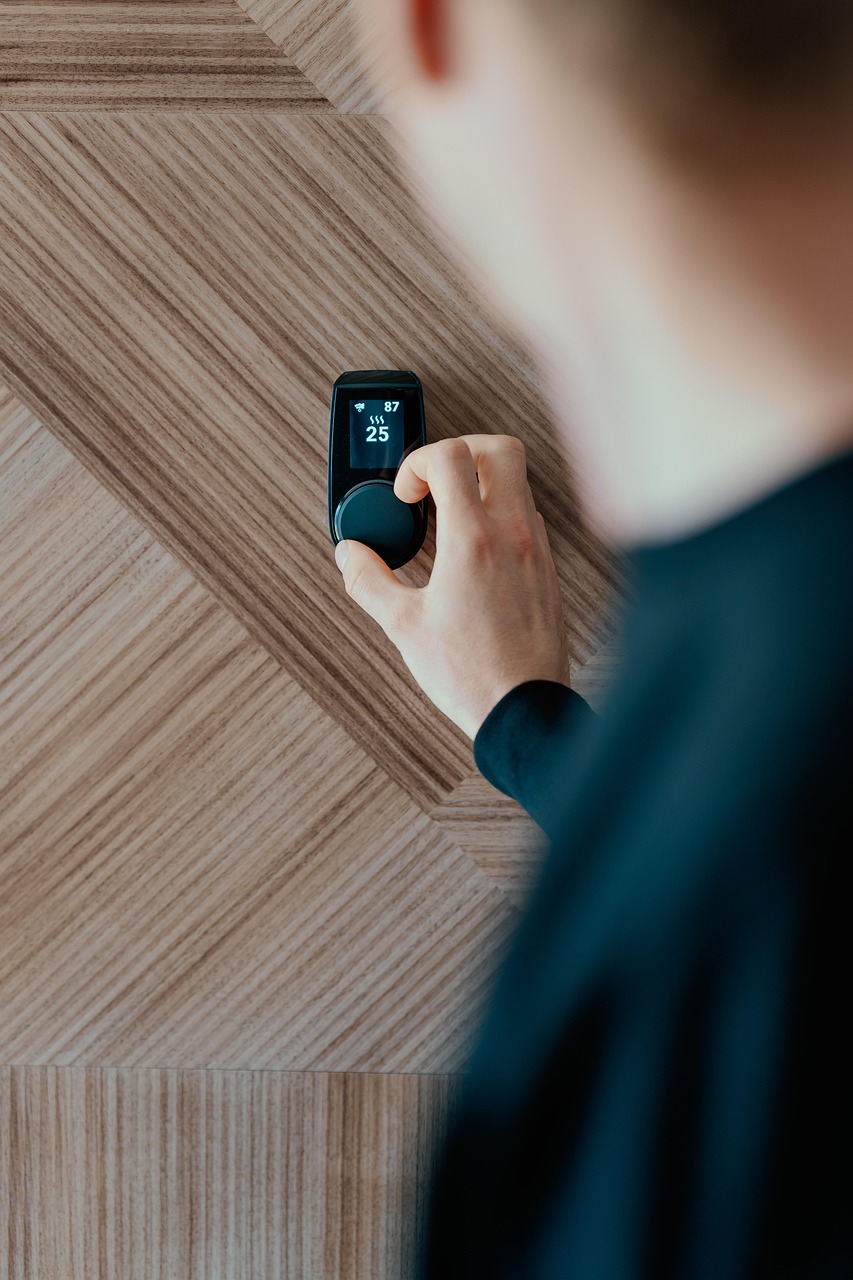
Infrared cabins typically operate between 120 and 150 degrees Fahrenheit (49 to 65 degrees Celsius). The heaters emit radiant energy that warms your body directly while the air stays comparatively cool. That is why a 30-minute infrared session feels roughly as demanding as a 12-minute Finnish one. Standard guidance puts infrared sessions at 20 to 40 minutes, with 40 minutes as the ceiling for healthy adults.
The longer window exists because evaporative cooling still functions. In a 130 degree infrared cabin you sweat freely and that sweat evaporates instead of pooling on your skin. In a 190 degree dry sauna the same mechanism is running at capacity within four or five minutes. Our best infrared saunas guide breaks down heater types, and the practical difference is real: lower-temperature carbon panel units sit at the gentle end while full-spectrum ceramic heaters push closer to 150 degrees. The Sun Home Solstice 1-Person Infrared Sauna is a single-person cabin sized for daily 30-minute sessions without heating an entire room.
One honest limitation: the research base is thinner. Most long-term outcome data comes from Finnish dry saunas, and infrared studies tend to be smaller and shorter in duration. Claims that infrared delivers identical cardiovascular benefit to traditional sauna outrun the evidence. Infrared is easier to tolerate, which is genuinely useful for people who cannot handle 190 degree air. It is not the same stimulus, and anyone selling it as equivalent is overselling.
Watch for the false-comfort trap. Because the air feels mild, people stay in for an hour without noticing they are dehydrating. If your heart rate stays above 140 beats per minute, or you stop sweating entirely, the session is over regardless of what the timer says. Set a timer and respect it.
Key strengths:
- ✅ Lower air temperature allows 30 minute sessions without the cardiovascular spike of dry heat
- ✅ Radiant heat reaches muscle tissue directly, which many users find better for stiffness
- ✅ Sessions fit into a lunch break without a full cool-down cycle afterward
- ✅ Breathable air means people who hate steam can still get consistent heat exposure
- ❌ Weaker evidence base than traditional Finnish sauna for long-term health outcomes
- ❌ Longer sessions mean more total weekly time for similar perceived benefit
- ❌ Mild air temperature makes it easy to overshoot and dehydrate without noticing
Who it’s for: People who want daily heat exposure but cannot tolerate 190 degree Fahrenheit air.
3. Steam Room: 10 to 15 Minutes Per Session , Best for humidity lovers with a short window

Steam rooms sit between 100 and 120 degrees Fahrenheit but run near 100 percent humidity. That combination shuts down evaporative cooling almost completely. You feel far hotter at 110 degrees in a steam room than at 140 degrees in dry air, and your body has almost no way to dump heat. Ten to fifteen minutes is the standard recommendation, and 20 minutes is where most people should stop.
The safety margin is narrower than the thermometer suggests. Because sweat cannot evaporate, core temperature climbs faster per degree of air temperature than it does in a dry sauna. Cleveland Clinic lists dizziness, nausea, headache, and rapid heartbeat as signals to exit immediately, and those signs arrive quickly in wet heat. If you have never used a steam room, sit for five minutes on your first visit. Our sauna vs steam room comparison covers the full differences in humidity, temperature, and recovery use so you can pick the right room for your goal.
Steam is also the worst format for anyone with respiratory conditions. High humidity combined with eucalyptus oils can trigger bronchospasm in people with asthma. The floors are wet, the benches are wet, and slipping is a genuine risk, especially for older users or anyone with balance issues. If you install a home steam generator, mold and biofilm management takes real monthly maintenance, which is a chore most buyers do not factor into the purchase.
Key strengths:
- ✅ Feels intensely relaxing and is the easiest format for most people to enjoy
- ✅ Shorter sessions mean a full steam session fits inside a 15 minute break
- ✅ Humidity soothes sinuses and dry airways in low-humidity climates
- ✅ Lower air temperature means less radiant heat on the skin surface
- ❌ Highest humidity of any format means the smallest margin between comfortable and dizzy
- ❌ Wet, slippery surfaces make falls more likely for older users
- ❌ Not appropriate for people with asthma or reactive airway conditions
Who it’s for: People who want a short, humid heat session and have no respiratory issues.
4. Beginner Protocol: 5 to 10 Minutes, One Round , Best for your first ten sessions
If you have never used a sauna, your first session should last 5 to 8 minutes. Sit on the lowest bench, which runs 20 to 30 degrees cooler than the top bench in most cabins. Get out when the timer hits 8 minutes whether you feel done or not. Feeling fine at minute 8 is not evidence that you would have felt fine at minute 20, because heat strain accumulates faster than your subjective sense of it.
The progression rule is simple. Add two minutes every third or fourth session, and never add time on a day when you slept badly, drank alcohol the night before, or trained hard. Mayo Clinic guidance on heat illness is blunt about this: heat tolerance drops with dehydration, fatigue, and certain medications, and it drops faster than most people expect. That is why the same 15 minute session can feel easy on Tuesday and genuinely bad on Friday.
Track sessions in a note on your phone. Temperature, minutes, how you felt at minute 5, and whether you got lightheaded. After ten sessions you will have a personal curve that no generic chart can match. Beginners rarely regret going too short. They frequently regret minute 22.
Key strengths:
- ✅ Almost zero risk of heat exhaustion when first sessions are capped at 8 minutes
- ✅ Builds heat acclimation, which raises sweat rate and lowers heart rate response within two weeks
- ✅ Short sessions let you test whether you actually enjoy sauna before buying equipment
- ✅ Low bench placement gives you an easy temperature dial for gradual progression
- ❌ Feels unsatisfying if you expect the long, dramatic sit you see on social media
- ❌ Progress is slow, and impatient users jump ahead and end up dizzy
Who it’s for: Anyone in their first ten sauna sessions, or anyone returning after a long break.
5. Heat-Adapted Multi-Round Protocol: 3 x 15 Minutes , Best for trained athletes chasing heat adaptation
Experienced users run two to four rounds of 10 to 15 minutes at 176 to 194 degrees Fahrenheit with 5 to 10 minute cool-downs between them. Total time in heat lands around 30 to 45 minutes, with 75 to 90 minutes of total session time. That is the format used in most Finnish bathing culture and in heat acclimation protocols for endurance athletes preparing for hot races.
The cool-down between rounds is not optional. It is where a lot of the adaptation happens. Getting out, cooling your skin, and letting heart rate drop below 100 beats per minute before round two is what makes the whole protocol repeatable the next day. Adding a cold plunge between sauna rounds is a popular version of this, though the evidence for the exact ordering is thinner than the enthusiasm around it. Cold immediately after heat blunts some heat acclimation adaptations if your goal is performance in hot conditions.
The costs are honest ones. Ninety minutes is a real commitment, and most people will not sustain it daily. You will lose one to two liters of sweat across three rounds, so electrolytes matter as much as water. Late evening multi-round sessions wreck sleep for a lot of people because core temperature stays elevated for 60 to 90 minutes after you finish. If sleep is your priority, do this protocol in the morning.
Key strengths:
- ✅ Highest total heat exposure, which drives the strongest heat acclimation response
- ✅ Repeated rounds let you accumulate 30 to 45 minutes of heat without one punishing sit
- ✅ Pairs naturally with cold exposure for a full contrast therapy routine
- ✅ Cool-down breaks give you time to hydrate and check in on how you feel
- ❌ Takes 75 to 90 minutes start to finish, which is more than most people sustain daily
- ❌ Electrolyte loss across three rounds is significant and water alone does not replace it
- ❌ Evening sessions commonly delay sleep by an hour or more
Who it’s for: Trained athletes and experienced sauna users who want maximum heat adaptation.
Frequently Asked Questions
How long is too long in a sauna?
Anything past 20 minutes in a traditional 176 to 212 degree Fahrenheit sauna is beyond what most clinical guidance recommends for a single round. Total heat exposure across all rounds should generally stay under 45 minutes. If you feel dizzy, nauseated, or stop sweating, you have already gone too long.
Is 30 minutes in a sauna safe?
In an infrared sauna at 120 to 150 degrees Fahrenheit, 30 minutes is a normal session length. In a traditional Finnish sauna at 190 degrees Fahrenheit, 30 minutes in one sitting is not advisable for most people. The air temperature decides the safe window, not the clock alone.
How long should a beginner stay in a sauna?
Start with 5 to 8 minutes on the lowest bench. Add two minutes every third or fourth session. Beginners almost never regret cutting a session short and frequently regret pushing to minute 20 on their first visit.
Is it safe to do multiple sauna rounds?
Yes, for healthy and heat-adapted adults. Two to three rounds of 10 to 15 minutes with a 5 to 10 minute cool-down between them is the standard Finnish pattern. The cool-down is what makes the protocol repeatable, since it lets heart rate drop before the next round.
Can you stay in an infrared sauna longer than a traditional sauna?
Yes. Infrared cabins run 120 to 150 degrees Fahrenheit, so evaporative cooling still works and sessions commonly run 20 to 40 minutes. A 30-minute infrared session can feel roughly as demanding as a 12-minute Finnish one.
Should you sauna every day?
Daily sauna use is common in Finland and the long-term cohort data links four to seven sessions per week with the strongest outcomes. Frequency appears to matter more than session length. If you are new, build to four sessions per week before going daily.
What Should You Remember?
- Cap traditional sauna rounds at 15 to 20 minutes. Air temps of 176 to 212 degrees Fahrenheit drive core temperature fast, and extra minutes do not add benefit.
- Match duration to sauna type. Infrared cabins at 120 to 150 degrees Fahrenheit support 20 to 40 minute sessions; steam rooms at 100 to 120 degrees Fahrenheit do not.
- Start at 5 to 8 minutes. Sit on the lowest bench for your first sessions and add two minutes every third or fourth visit.
- Count total heat time, not just one round. Three 15-minute rounds equals 45 minutes of heat exposure, which is the ceiling for most adults.
- Exit on the first warning sign. Dizziness, nausea, headache, or a sudden stop in sweating means the session is over.
- Hydrate 16 to 24 ounces before you start. Multi-round sessions can cost 1 to 2 liters of sweat, and electrolytes matter as much as water.
- Use a calculator instead of guessing. Body weight, sauna type, and target temperature all shift your safe window.
This article is for general information only and is not medical advice. Cold water immersion and sauna use can be risky for people with cardiovascular conditions, Raynaud’s disease, or who are pregnant. Always consult a physician before beginning cold therapy or heat therapy.