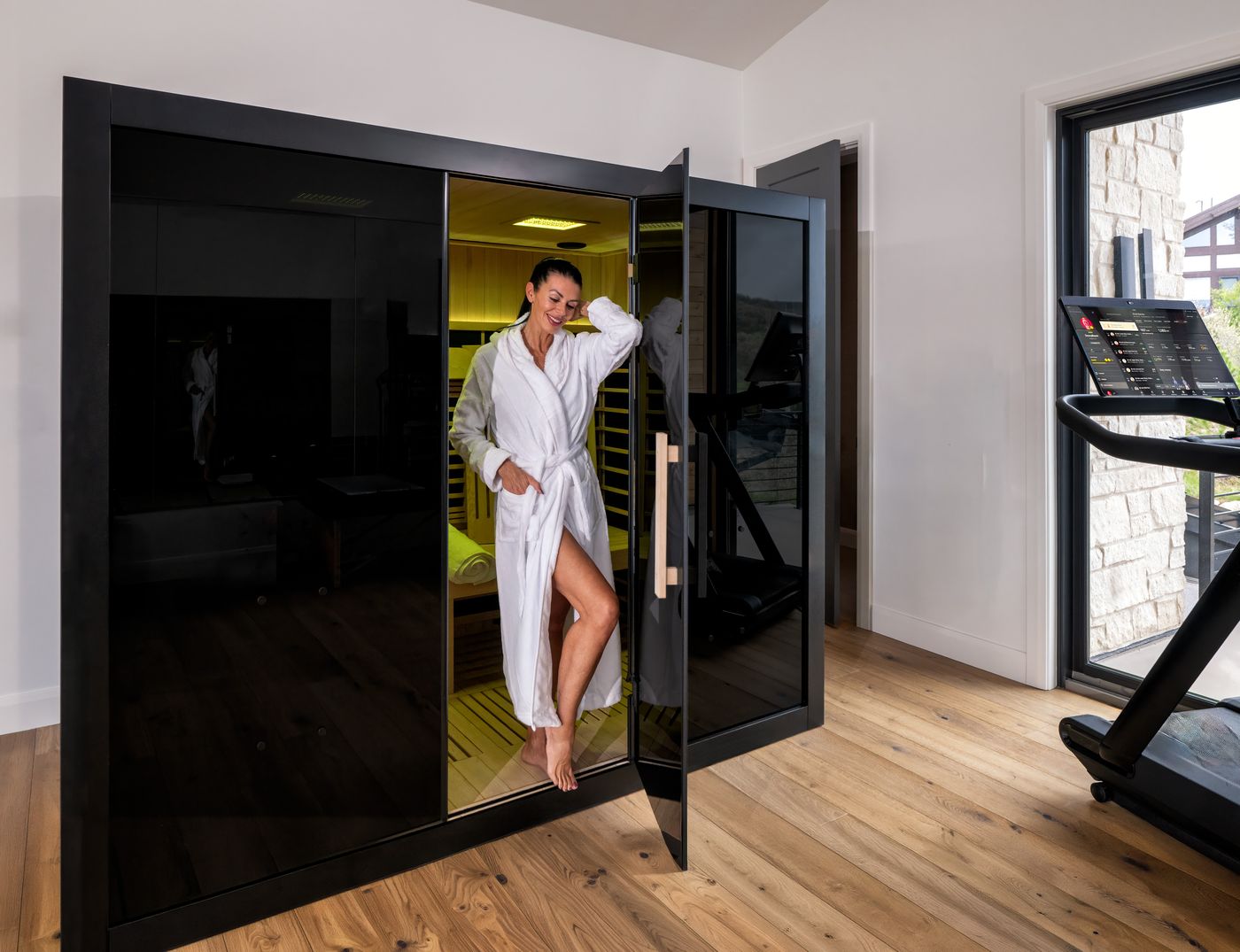
Most people group saunas and steam rooms together. They are both heated rooms. They both make you sweat. The experience is not identical. A sauna typically uses dry heat from a stove or electric heater. A steam room fills the space with thick, humid vapor. The difference in moisture changes how hot the air feels, how much you sweat, and how your body responds. Choosing between them matters for recovery, especially if you already use cold plunge practices. cold plunge benefits can pair with either, but the heat side changes the session. Your heat choice influences the entire recovery sequence, not just the sweat part.
Some athletes alternate heat and cold. The heat portion can be a sauna or steam room. The cold side is often a cold plunge or ice bath. If you want to build a complete recovery routine, start with the right heat exposure. A sauna session may feel more tolerable because sweat evaporates in low humidity. A steam room may feel more intense even at a lower temperature because moisture prevents evaporation. These small details influence heart rate, blood flow, and perceived exertion. Understanding them helps you train smarter. It also helps you avoid common mistakes like staying too long in humid heat.
Research on heat therapy is promising but not magical. Studies show both sauna and steam exposure can raise heart rate and skin blood flow. Some observational data link frequent sauna use to a lower risk of cardiovascular events. For recovery, the evidence is still developing. Most experts recommend starting short, hydrating well, and listening to your body. This guide compares the two methods, the science behind them, and practical protocols. Use it to decide which heat style fits your recovery routine. No single study should make the decision for you. Your tolerance and goals matter more than the headline findings. Start with the basics and adjust over time.
| Feature | Sauna | Steam Room |
|---|---|---|
| Temperature | 160 to 200 degrees Fahrenheit | 110 to 120 degrees Fahrenheit |
| Humidity | Low, usually 10 to 20 percent | Near 100 percent |
| Heat feel | Dry and tolerable for longer | Wet and intense even at lower heat |
| Sweat evaporation | Evaporates quickly | Drips, evaporation slows |
| Best for | Longer heat exposure and dry heat tolerance | Airway moisture and shorter intense heat |
| Caution | Can feel harsh on airways | May worsen some breathing conditions |
How Does Dry Heat Differ From Humid Heat?
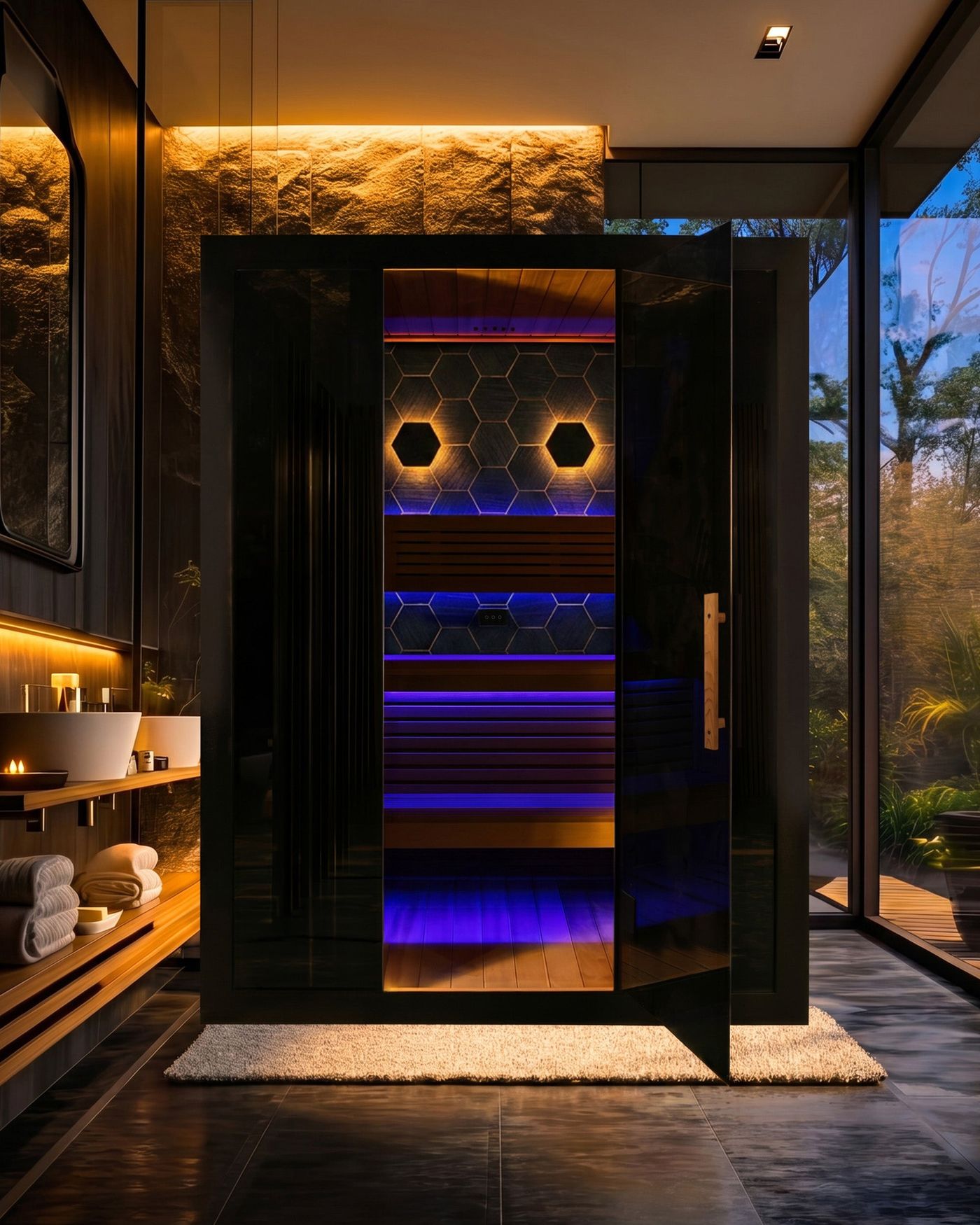
A traditional Finnish sauna usually operates between 160 and 200 degrees Fahrenheit. Humidity stays low, often around 10 to 20 percent. A steam room typically stays near 110 to 120 degrees Fahrenheit. Humidity reaches close to 100 percent. The difference is more than a setting. It changes how your body cools itself. In a sauna, sweat evaporates quickly. That evaporation helps cool the skin and can make the heat feel more manageable. In a steam room, sweat cannot evaporate into already saturated air. Sweat drips instead of evaporating, so you feel hotter and wetter.
This explains why a steam room can feel more challenging at a lower temperature. Your body relies on evaporation for cooling. When air is saturated, that cooling process slows. Your skin temperature may rise faster even though the air is cooler. The Mayo Clinic advises that humid heat can feel more intense and may not suit everyone. That does not make steam rooms better or worse. It makes them different.
For recovery, dry heat often allows longer sessions. You can stay in a sauna for 15 to 20 minutes without feeling overwhelmed. A steam room may produce a similar physiological response in a shorter window. Many athletes choose the sauna for longer cardiovascular exposure. Others prefer steam for upper airway comfort. The best option depends on your goals and how you tolerate humidity.
What Does the Research Say About Cardiovascular Health?
The strongest evidence for heat therapy involves traditional sauna use. A long-running Finnish study followed middle-aged men for about 20 years. Men who used a sauna four to seven times per week had a 63 percent lower risk of sudden cardiac death than men who used one once per week. They also had a 50 percent lower risk of cardiovascular disease mortality. The peer-reviewed data are available through PubMed. This was observational work, so it cannot prove cause and effect. Still, the pattern is notable.
Steam rooms have less long-term research. They likely produce lower heart rates and blood pressure responses because temperatures are cooler. But the high humidity still challenges the body. A single session can raise heart rate and widen blood vessels. Some small studies report improved arterial stiffness after moist heat exposure. The research is preliminary. We should avoid claiming steam rooms duplicate every sauna benefit.
For recovery, the cardiovascular response matters. Heat exposure increases heart rate similar to light or moderate exercise. That may support circulation without joint impact. But people with heart conditions should get medical clearance before using either. The Cleveland Clinic recommends caution with high heat and dehydration. Start short. Stop if you feel dizzy.
Which Option Is Better for Muscle Recovery and Soreness?
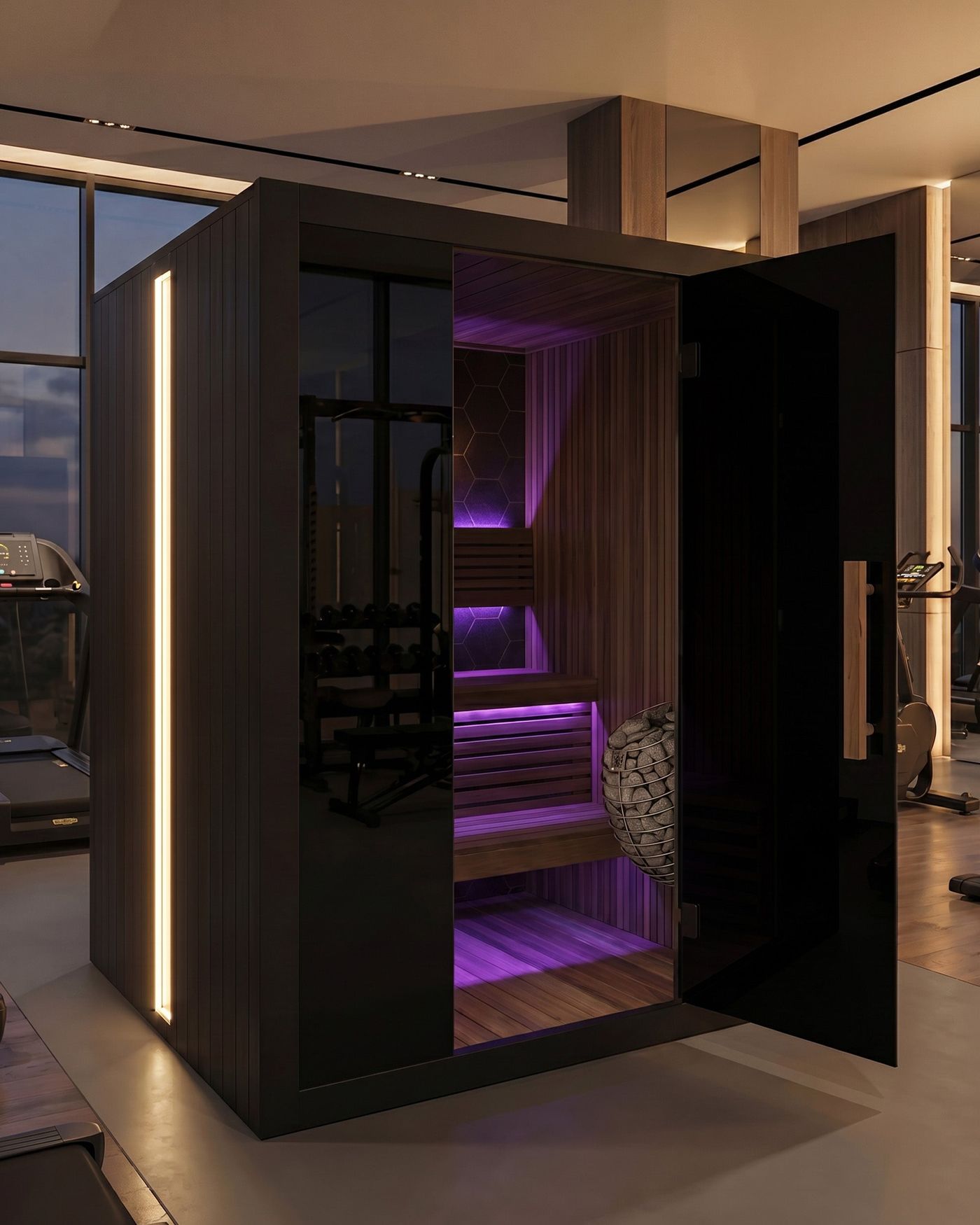
Both options increase skin and muscle temperature. That can boost local blood flow and may help muscles relax after training. A 2018 review found heat therapy may reduce delayed onset muscle soreness when applied soon after exercise. The effect was modest and varied by heat type. Most studies used warm packs or baths, not saunas. We can apply the principle, but direct evidence for sauna and steam recovery is limited.
Heat may also trigger heat shock proteins, which help cells manage stress. This process is part of adaptation. Researchers still do not know the ideal dose for muscle repair. A dry sauna may be easier to use for 15 to 20 minutes after a workout. A steam room may provide similar relaxation in less time. If you pair heat with cold, see our cold plunge benefits guide. The common order is heat first, then a short cold plunge, then light rest.
For acute injuries or significant swelling, heat is not the first choice. Ice or cold water may be better in the first 24 to 48 hours. After that window, heat can help ease stiffness and improve movement. This is why many recovery routines combine both. Your body, not a single study, should guide the choice.
- After lifting: 15 minutes of sauna, then a 2 minute cold plunge near 50 to 59 degrees Fahrenheit.
- After endurance work: 10 minutes of steam for airway comfort, then a cool shower.
- On rest days: 20 minutes of sauna followed by a 5 minute cold plunge.
How Do Hydration and Breathing Compare?
Sweat loss is real in both spaces. A 15 to 20 minute sauna session can cause 0.5 to 1 liter of fluid loss in some people. A steam room may produce similar or even greater visible sweat because it does not evaporate. That does not mean it causes more total fluid loss. It just looks and feels wetter. You must replace fluids and electrolytes. If you plan to cold plunge after, hydration affects cold tolerance too.
Breathing is another key difference. Dry sauna air can feel harsh for people with asthma or sensitive airways. Steam rooms add moisture, which may feel soothing for nasal passages and lungs. Some people report easier breathing in a steam room. The Mayo Clinic notes that humid air can temporarily relieve congestion but may worsen asthma for some. If you have a respiratory condition, ask your doctor first.
Listen to your body. If the air feels choking or you feel lightheaded, leave. For beginners, our cold plunge safety guide for beginners also applies to heat exposure: start short, have a plan, and never push through severe discomfort.
Can You Combine Sauna, Steam, and Cold Plunge in One Session?
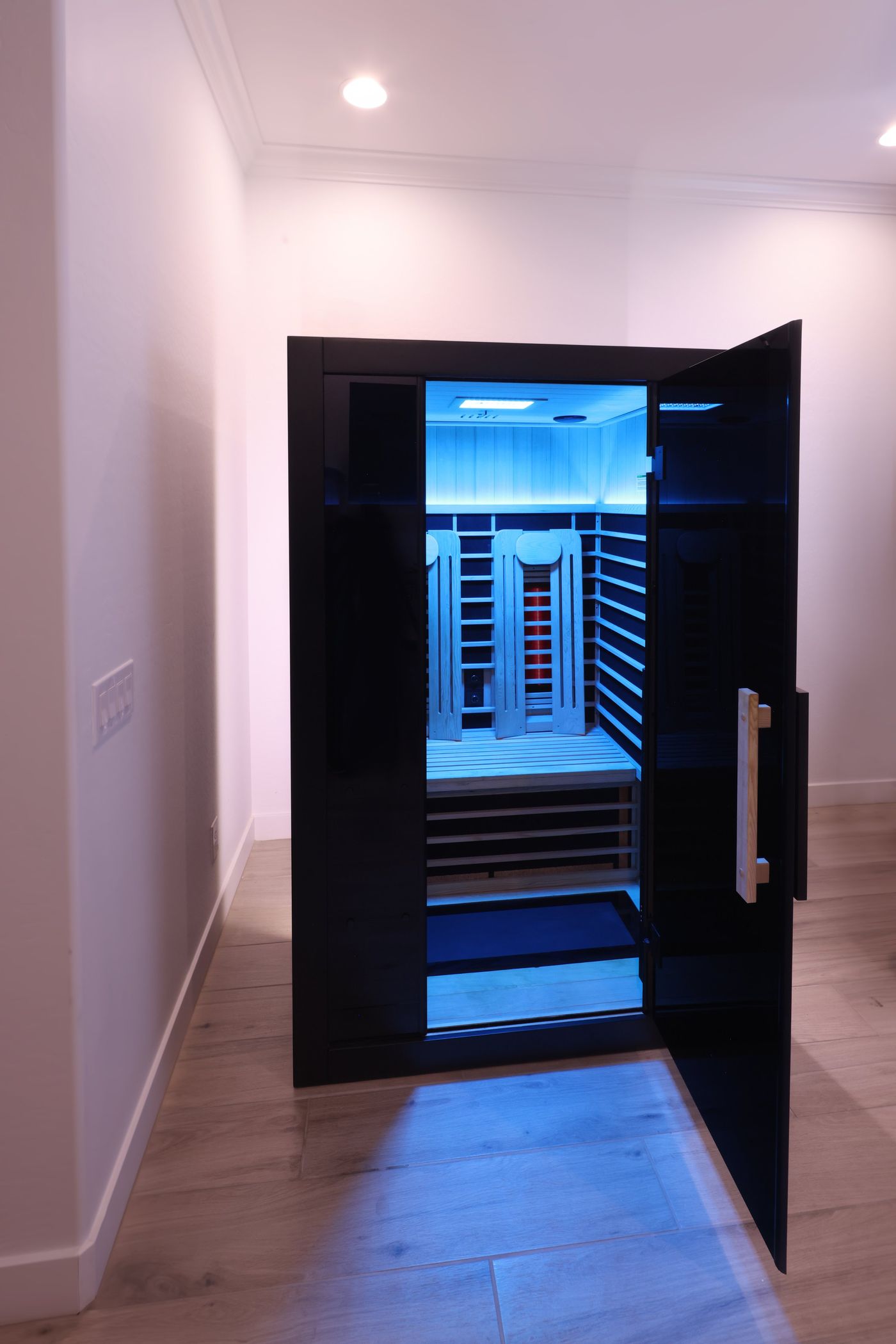
Yes, many athletes combine them. A common protocol is heat first, cold second, then rest. Heat opens blood vessels and raises heart rate. Cold plunging constricts blood vessels and may reduce perceived soreness. This contrast can feel invigorating. But it is not a proven performance enhancer. Research on contrast water therapy shows small effects on muscle soreness. The evidence is mixed. Follow a structured plan like our cold plunge protocol for beginners.
If you have access to both a sauna and steam room, try using the sauna as the main heat exposure. Then use the steam room for a shorter transition if you enjoy moist heat. Finish with a cold plunge if you are cleared for cold exposure. The order matters less than total time and comfort. For home setups, see best home saunas and best cold plunge tubs 2026.
Do not combine multiple heat sources in one long session if you are new. Ten to fifteen minutes of total heat is enough. Then one to three minutes of cold water around 50 to 59 degrees Fahrenheit. Check our cold plunge temperature guide for exact ranges. Hydrate before and after. Stop if you feel faint or nauseous.
Frequently Asked Questions
Is a sauna or steam room better for sore muscles?
Neither is clearly better. Both increase skin temperature and blood flow, which may reduce soreness. Saunas allow longer sessions. Steam rooms may feel more intense at lower heat. Choose what you can tolerate and stay hydrated.
What temperature is a sauna vs a steam room?
A sauna usually runs 160 to 200 degrees Fahrenheit with low humidity. A steam room usually stays 110 to 120 degrees Fahrenheit with near 100 percent humidity.
Can I use a steam room if I have asthma?
It depends. Moist air may soothe some airways but can trigger symptoms in others. Ask a doctor before using a steam room if you have asthma or another respiratory condition.
How long should I stay in a sauna or steam room?
Start with 10 to 15 minutes. Experienced users may go up to 20 minutes. Leave if you feel dizzy, nauseous, or lightheaded. Hydrate before and after.
Can I use a sauna and steam room back to back?
Yes, if you tolerate heat well. Keep total heat time short at first. Use the sauna first, then the steam room, then finish with cool water if desired.
Is heat therapy safe for everyone?
No. Pregnant people, people with unstable heart conditions, and those with certain conditions should avoid or modify heat exposure. Talk to a healthcare provider first.
What Should You Remember?
- Sauna heat is dry and hotter, usually 160 to 200 degrees Fahrenheit. Steam room heat is humid and cooler, around 110 to 120 degrees Fahrenheit.
- Both raise heart rate and skin blood flow, but humid air feels more intense because sweat cannot evaporate.
- A Finnish cohort study linked frequent sauna use to a 63 percent lower sudden cardiac death risk, but cause and effect is not proven.
- For muscle recovery, choose based on breathing comfort, hydration, and how long you can stay safely.
- Start with 10 to 15 minutes, drink water, and stop if you feel dizzy or nauseous.
- Pair heat with cold carefully using a structured cold plunge protocol and the right temperature guide.
This article is for general information only and is not medical advice. Cold water immersion and sauna use can be risky for people with cardiovascular conditions, Raynaud’s disease, or who are pregnant. Always consult a physician before beginning cold therapy or heat therapy.