Cold plunging is a form of cold water immersion that many people use for recovery. A beginner needs a clear plan before stepping into cold water. The right protocol helps you avoid dangerous mistakes. You do not need to suffer for a long time or use extreme cold. This guide offers a safe, step by step path. You can learn more about the main cold plunge benefits before you begin. The goal is to build tolerance slowly and listen to your body.
The best beginner water temperature is 50 to 60 degrees Fahrenheit. That range is cold enough to trigger the nervous system and blood flow changes you want. It is also safer than the near freezing water you see online. The Cleveland Clinic warns that sudden cold immersion can stress the heart. Start on the warmer end if you are new. This cold plunge temperature guide breaks down exactly how to dial in your setup. A simple thermometer will help you stay honest about the water.
Many beginners think they need to stay in for five or ten minutes. That is a mistake. The safe starting dose is 30 seconds to two minutes. Your first sessions should feel uncomfortable but manageable. You can increase time by 15 to 30 seconds per week. This gradual approach reduces the risk of cold shock and afterdrop. It also helps your brain associate cold with calm. Read this cold plunge safety guide for beginners before your first session. It covers the red flags in more detail.
Cold exposure is not just about toughness. It is a physical stress with real responses in your body. A PubMed review of cold water immersion notes that brief exposure may reduce muscle soreness after exercise. Still, the same research warns that people with heart problems face higher risk. That is why a protocol matters. The steps below cover setup, breathing, entry, time, and warm up. If you want to compare options, see cold plunge vs ice bath for practical differences. Now let’s get into the safe beginner sequence.
What You’ll Need
- Cold plunge tub or clean container
- Water thermometer
- Waterproof timer or phone in dry bag
- Towel and warm layers
- Spotter or family member nearby
How Do You Cold Plunge for Beginners?
- Get medical clearance before your first cold plunge.
Cold water immersion is a stressor. Your heart rate and blood pressure rise within seconds. If you have a heart condition, high blood pressure, or a history of stroke, talk to a doctor first. The Mayo Clinic notes that cold water can cause dangerous heart rhythms in some people. This step is not a delay. It is the foundation of a safe practice. Do not skip it, especially if you are over 40 or have any chronic illness. The cold plunge safety guide for beginners has a checklist you can review with your doctor.
A quick check can save your life. Tell your doctor you plan to start with 50 to 60 degree water for less than two minutes. Ask about any medications that affect blood flow or heart rate. Beta blockers, for example, can blunt your heart’s response to cold. That means your body may not regulate temperature as well. Also mention any breathing problems like asthma. Cold air and water can trigger bronchospasm. If you get the all clear, move to step two.
Common mistake: beginners think cold plunging is natural and safe for everyone. It is not. The shock response can be severe even in healthy people. By getting clearance, you set a serious tone for the whole protocol. You also learn your own limits. Once cleared, focus on your setup.
- Set up a cold plunge you can enter and exit safely.
You do not need an expensive tub. A clean stock tank, a dedicated chest freezer conversion, or a purpose built tub all work. The key is safe entry and exit. You want a non slip mat under your feet. You want a sturdy step or ladder if the sides are high. Keep a towel and warm clothes within arm’s reach. If you are using a DIY setup, read this DIY cold plunge chest freezer guide for safety tips. A weak or wobbly tub is a fast way to get hurt.
The water should be clean and filtered. Change it regularly or use a small pump and sanitizer. Dirty water can cause skin infections. If you buy a ready made tub, check the manufacturer’s weight limit and setup instructions. Some of the best cold plunge tubs in 2026 have built in chillers and filters. Still, a basic tub and a thermometer can be enough. You can get a simple cold plunge thermometer on Amazon if your tub does not have a gauge. This cold plunge thermometer is a non negotiable tool for beginners.
Place your tub in a location where you can get help if needed. A backyard is fine if a family member is home. A basement with a drain is even better. Avoid setting up on a second floor without checking the weight. Water is heavy. One gallon weighs about 8.3 pounds. A 100 gallon tub holds over 800 pounds. That can damage a floor. Set up near a door so you can move quickly from cold to warm.
- Set the water temperature between 50 and 60 degrees Fahrenheit.
The number one beginner error is going too cold. Social media often shows people in 35 degree water. That is not a starting point. For your first two weeks, keep the water between 50 and 60 degrees Fahrenheit. That is about 10 to 15 degrees Celsius. This range is cold enough to activate the dive reflex and blood flow benefits. It is also far less likely to cause cold shock. Use this cold plunge temperature guide to understand exactly how temperature changes the experience.
A reliable thermometer is essential. Guesswork leads to water that is either too warm or dangerously cold. Place the thermometer in the middle of the tub, not just the surface. Wait a few minutes for a stable reading. If the water is above 60, you can add a few bags of ice. If it is below 50, add some warm water or wait for the sun to warm it. For a beginner, colder is not better. The goal is controlled stress, not maximum suffering.
Some people ask if they can start at 65 degrees and work down. Yes, that is smart. The 50 to 60 range is a general target, but you can start at 62 or 63. The important thing is to track the exact number. Without a thermometer, you are guessing. And guessing in cold water is dangerous. Later, when you have built tolerance, you can experiment with lower temperatures. But for now, stay in the safe beginner band.
- Start with 30 seconds and never exceed two minutes.
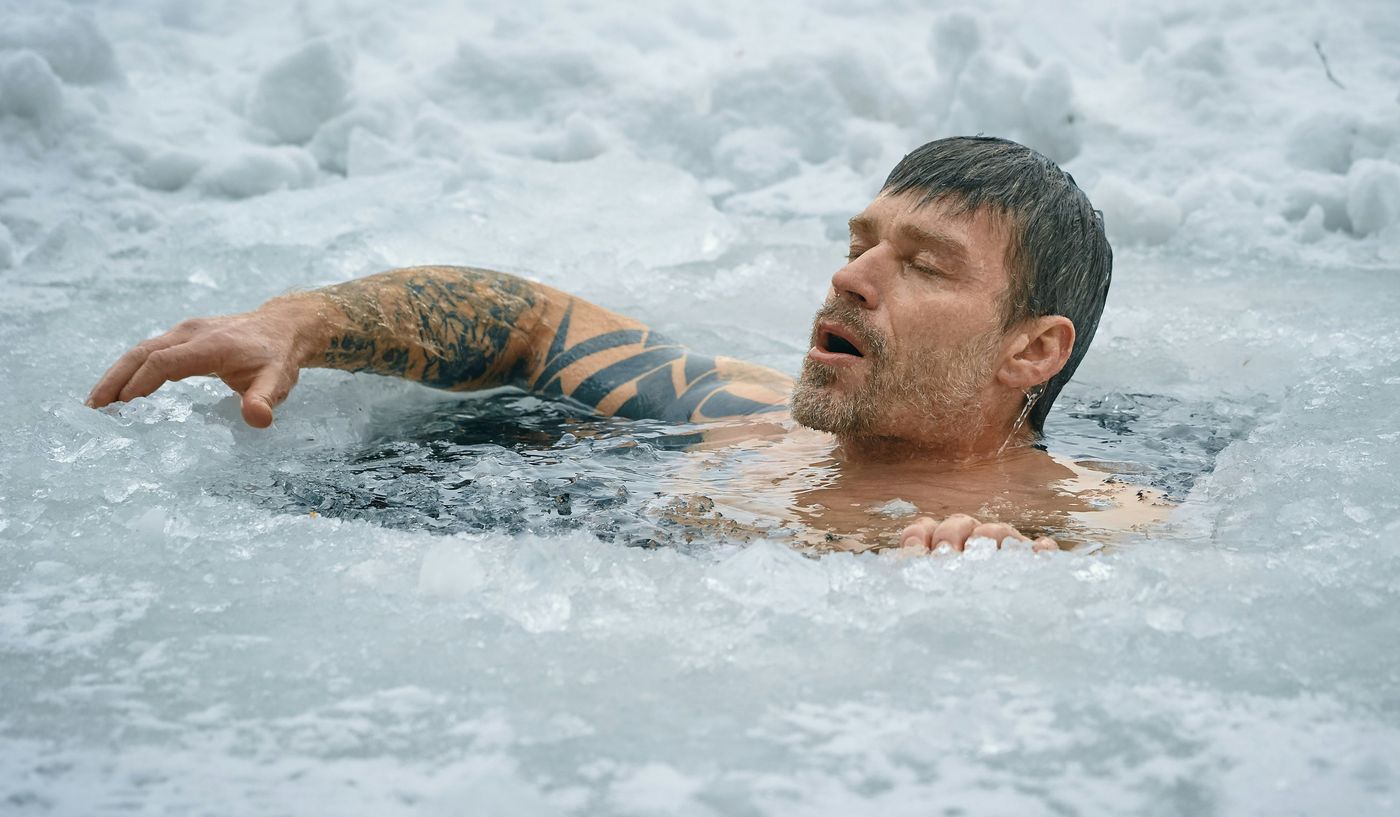
Time in the water matters more than most beginners think. Your first few sessions should last 30 to 60 seconds. That is enough to get a strong cold response without pushing into hypothermia territory. Set a timer before you enter. Do not rely on your own sense of time. Cold water can distort your thinking. A simple waterproof timer or your phone in a dry bag works well. Start the timer the moment your shoulders go under.
If 30 seconds feels easy, you can add 15 seconds in your next session. But do not jump to five minutes. The body needs time to adapt. Sudden long exposures can cause a dangerous afterdrop, where your core temperature continues falling after you get out. That is why the two minute cap is important for your first month. This how often cold plunge guide explains frequency and duration progression in more detail.
Common mistake: beginners count from the moment they start getting in. That can double your real exposure. Count only the time you are fully submerged up to your neck. If you only go waist deep, that is not a full plunge. Your goal is to immerse your torso. That triggers the strongest cold response. If you start shivering hard before the timer ends, get out. Shivering is normal, but violent shivering means you are done.
- Control your breathing before you enter.
Cold water triggers a gasp reflex. That sharp inhale can feel scary. You can reduce it by practicing slow breathing before you step in. Sit at the edge and take five or six slow breaths. In through your nose for four seconds. Out through your mouth for six seconds. This calms your nervous system and lowers your heart rate a little. It also prepares your mind for the shock. You can use the Wim Hof breathing guide as one option, but simple slow breathing is enough for beginners.
Do not hyperventilate before entering cold water. Rapid deep breathing can make you dizzy and increase the risk of fainting. You want calm, controlled breathing, not extreme breath holds. The goal is to enter the water with a steady rhythm. Some people like to exhale slowly as they lower in. That helps fight the urge to gasp. Practice this on land first. Then apply it during entry.
Your breath will naturally quicken once the cold hits. That is normal. But you should never be gasping uncontrollably. If you cannot slow your breath after five seconds, get out. Cold shock peaks in the first 30 seconds. If you breathe calmly through that window, the rest of the session feels easier. This is why step five comes before entry. The breathing sets the tone.
- Enter the water slowly and keep your shoulders under.
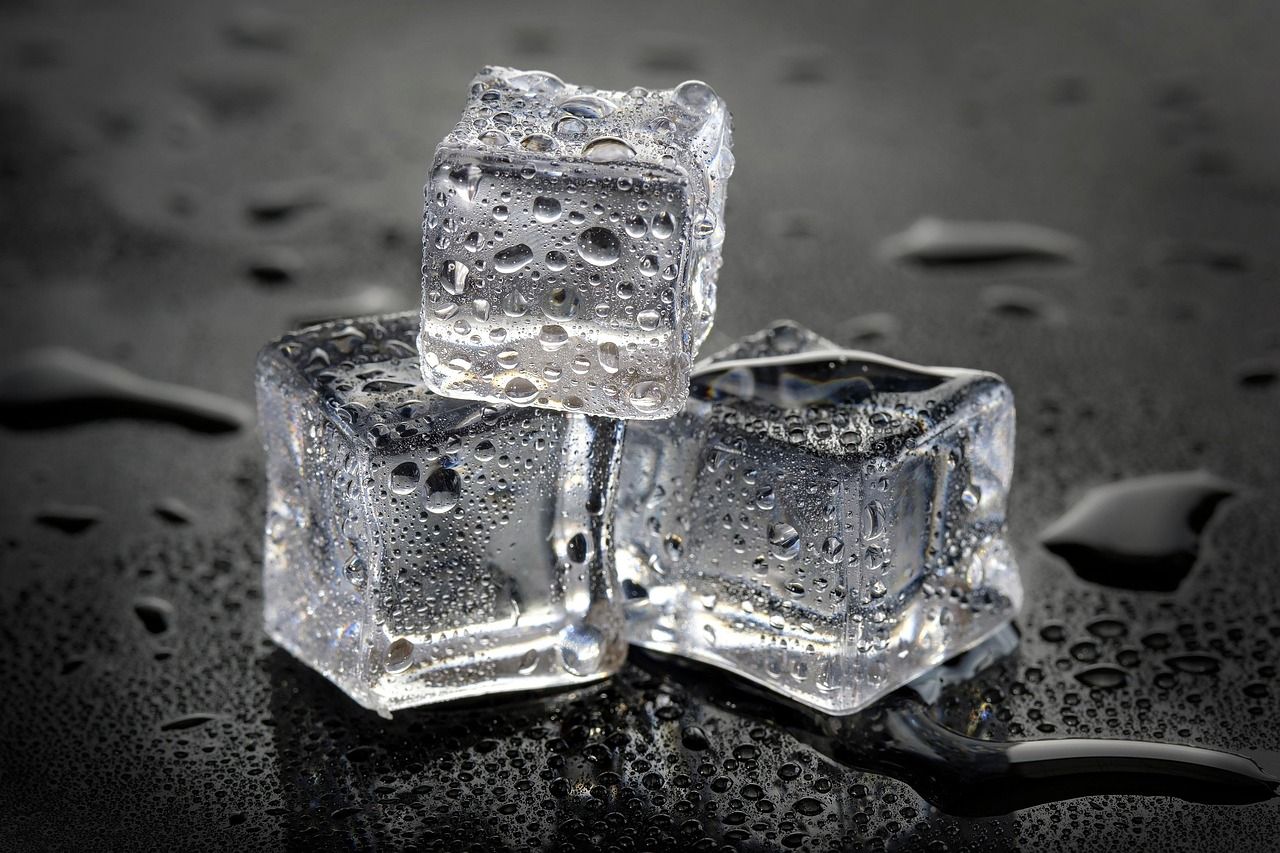
Do not jump or dive into a cold plunge. That sudden full body immersion can trigger a massive cold shock response. Instead, lower yourself in a controlled way. Step in one foot at a time. Then sit down and bring your chest and shoulders under. Exhale slowly as the water rises. This method gives your body a few seconds to adapt at each stage. It is safer and less mentally jarring.
Your hands and feet may ache. That is normal in the first minute. The pain usually fades as blood vessels constrict. Try to keep your hands on your thighs or at your sides. Do not hold your breath for long. Keep the breathing pattern from step five. If you feel a strong urge to jump out, take three slow breaths. Then decide. If the urge remains, end the session. There is no shame in a 20 second first plunge. This cold plunge vs ice bath article explains why shorter controlled exposure beats a painful long soak.
Stay still in the water. Moving around stirs the warmer layer of water next to your skin. That makes the water feel colder. It also costs you body heat faster. Sit quietly and focus on slow exhales. Keep your shoulders under. If you lift your chest out, you lose the cold exposure effect. Your mind will want to escape. That is the practice. You train your ability to stay calm under controlled stress.
- Warm up gradually after you get out.
Your first instinct after a cold plunge is to jump into a hot shower. Do not do that. The rapid shift from cold to hot can cause a sudden drop in blood pressure and make you faint. Instead, dry off with a towel and put on warm layers immediately. Start with a hat and socks. Your body loses a lot of heat from your head and feet. Then do light movement like walking or gentle squats. This helps your core temperature rise naturally.
Afterdrop is real. Even after you get out, your core temperature can keep falling for several minutes. That is because cold blood from your skin moves back into your core. You want to warm slowly from the inside. A warm drink like herbal tea can help. Avoid alcohol. It dilates blood vessels and makes afterdrop worse. Wait at least 20 to 30 minutes before taking a warm shower. If you shiver, that is okay. Shivering is your body generating heat.
A common mistake is to end the session and immediately sit in a hot sauna. Some people love the contrast, but it is not for beginners. The temperature swing puts extra strain on your heart. If you want to try heat after cold, do it after several weeks of consistent plunging. Start with a mild sauna session and watch for dizziness. This guide to the best infrared saunas 2026 can help if you decide to add heat later. For now, focus on towel, layers, and light movement.
- Build frequency to two or three sessions per week.
Consistency beats intensity for cold adaptation. Start with two sessions per week. Space them out with at least one rest day in between. Your body needs time to recover and adapt. After two weeks, you can add a third session. Do not plunge every day as a beginner. Daily cold immersion increases the risk of accumulated fatigue and cold stress. This how often cold plunge article has a more detailed schedule. But for the first month, two or three times per week is plenty.
Each session should have a clear goal. You might aim for a little more time or slightly lower temperature. But do not change both at once. For example, if you dropped the temperature by two degrees, keep your time the same. If you added 15 seconds, keep the temperature stable. Small changes allow you to track what works. Also keep a simple log. Write down the water temp, time, and how you felt after. Data helps you avoid pushing too hard.
After four to six weeks, you can consider longer sessions or colder water. Some experienced users work down to 40 degrees for three to five minutes. That is not a beginner goal. You have years to explore. The real benefit for recovery comes from repeated exposure, not from a single heroic plunge. If you want to revisit the science, this cold plunge benefits overview ties it together. Now go build the habit safely.
Red Flags & Warnings
- 🚨 Never plunge alone if you have a heart condition, high blood pressure, or are new to cold exposure. Always have a spotter nearby.
- 🚨 Do not stay in the water past severe shivering, numbness, confusion, or slurred speech. Those are signs of hypothermia or dangerous afterdrop.
- 🚨 Avoid a hot shower or sauna immediately after a plunge. Rapid temperature change can cause a sudden blood pressure drop and fainting.
- 🚨 Never jump into water below 40 degrees Fahrenheit as a beginner. Cold shock risk rises sharply at that temperature.
- 🚨 Do not cold plunge after drinking alcohol or a heavy meal. Alcohol impairs temperature regulation and can worsen hypothermia.
- 🚨 If you feel dizzy, very short of breath, or chest pain during a plunge, get out immediately and seek medical help if symptoms persist.
Frequently Asked Questions
What temperature should a beginner cold plunge be?
A beginner should use water between 50 and 60 degrees Fahrenheit. That range is cold enough to trigger benefits but safer than near freezing water. You can start at 62 or 63 degrees and work down gradually.
How long should a beginner stay in a cold plunge?
Start with 30 to 60 seconds and never exceed two minutes during your first month. Use a timer and count from full shoulder submersion. Add 15 seconds per week if you tolerate the current time well.
How often should a beginner cold plunge?
Two or three times per week is best for beginners. Space sessions with at least one rest day in between. Daily cold immersion can increase fatigue and cold stress before your body has adapted.
Is cold plunging safe for everyone?
No, cold immersion is not safe for everyone. People with heart conditions, uncontrolled high blood pressure, or certain respiratory conditions should get medical clearance first. The cold shock response can be risky even for healthy people.
Can I cold plunge at home without a special tub?
Yes, you can use a clean stock tank, a chest freezer conversion, or a large plastic container. The key is safe entry and exit, clean water, and a reliable thermometer. A sturdy non slip setup matters more than the brand.
What should I do if I feel dizzy or very cold during a plunge?
Get out of the water immediately. Dry off, put on warm layers, and do light movement. If you feel faint, sit or lie down. Seek medical help if dizziness, chest pain, or confusion does not improve.
What Should You Remember?
- Start at 50 to 60 degrees Fahrenheit. This range is cold enough for benefits but much safer than near freezing water.
- Limit early sessions to 30 seconds to two minutes. Use a timer and increase time slowly by 15 seconds per week.
- Get medical clearance first. Heart conditions and some medications raise the risk of cold shock and dangerous rhythms.
- Control your breathing before entry. Slow exhales reduce the gasp reflex and help you stay calm.
- Warm up gradually after. Avoid hot showers right away and focus on towel, layers, and light movement.
- Aim for two or three sessions per week. Consistency beats daily extreme plunges for long term adaptation.
- Never plunge alone as a beginner. A spotter and a safe exit plan can prevent a bad outcome.
This article is for general information only and is not medical advice. Cold water immersion and sauna use can be risky for people with cardiovascular conditions, Raynaud’s disease, or who are pregnant. Always consult a physician before beginning cold therapy or heat therapy.