There is no single best frequency for cold plunging. Your ideal schedule depends on your goal, training load, sleep, stress, and how adapted you are to cold water. Some people benefit from a daily one minute plunge. Others do better with three short sessions per week. The key is matching frequency to your recovery demand and your tolerance. This guide uses research and clinical guidance to help you choose a routine that fits your body.
Cold water immersion creates a sharp but temporary stress response. It constricts blood vessels, raises heart rate, and releases neurotransmitters. Those changes can reduce perceived muscle soreness and improve alertness. But they also create a training load for your nervous system. That is why more cold plunging is not automatically better. You need to recover from the cold stress too. We will explain how frequency changes by goal.
If you are new, start conservatively and build up. Pair your cold routine with the right equipment and safety habits. You can find our favorite setups in this best cold plunge tubs 2026 guide. Then use the frequency guidelines below.
| Goal | Weekly Frequency | Typical Temperature | Typical Duration | Key Note |
|---|---|---|---|---|
| General exercise recovery | 3-5 sessions | 10-15°C | 5-15 minutes | Use after hard sessions, not every easy workout |
| Muscle growth priority | 2-3 sessions | 12-15°C | 3-5 minutes | Separate from lifting if possible |
| Beginners | 2-3 sessions | 15-18°C | 1-3 minutes | Build frequency slowly over 3-4 weeks |
| Mood and morning energy | 5-7 sessions | 10-15°C | 1-3 minutes | Short daily plunges are common for healthy adults |
| Stress resilience and habit | 4-6 sessions | 12-16°C | 2-5 minutes | Match frequency to sleep and stress load |
How Does Cold Plunging Affect Recovery and Adaptation?
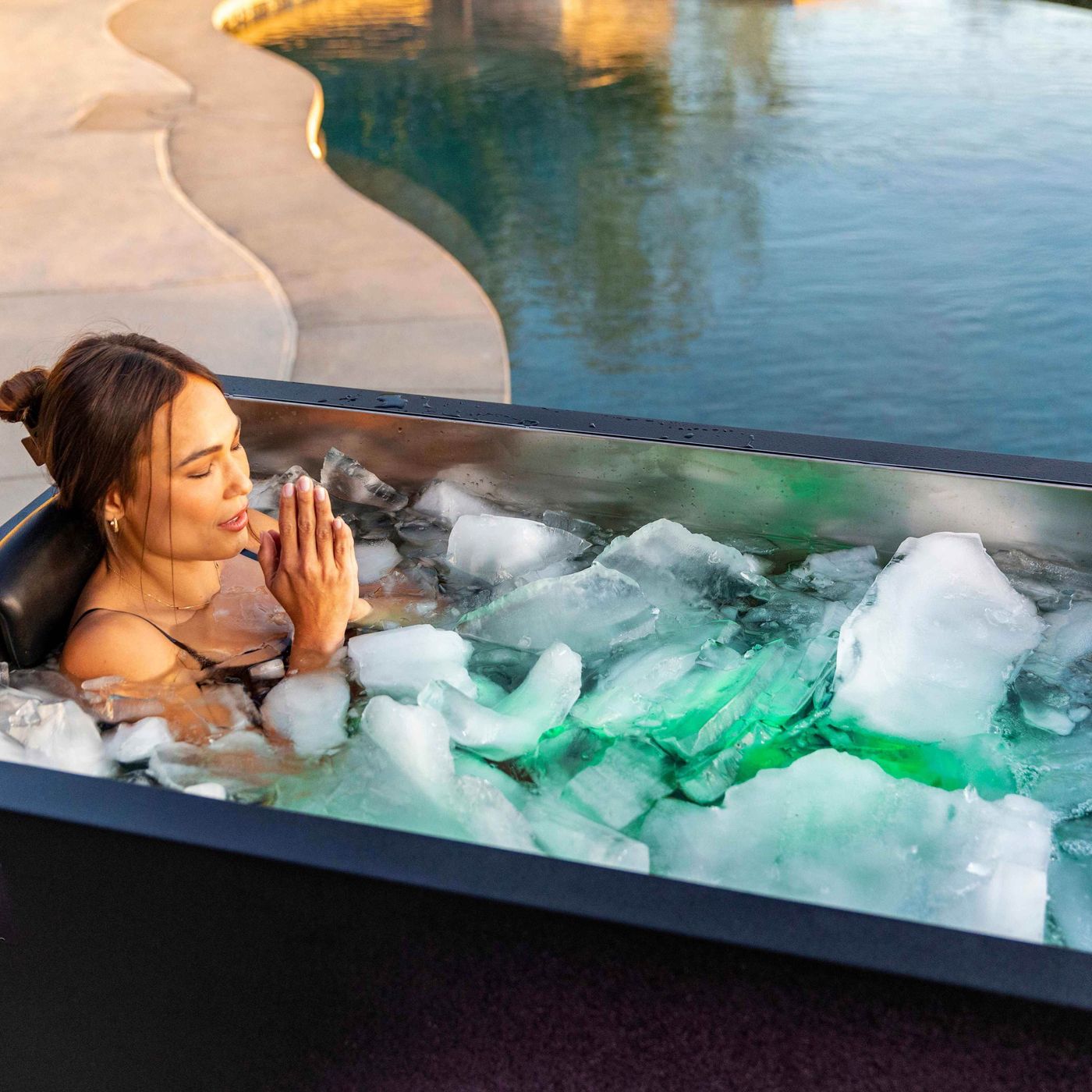
Cold water immersion triggers a rapid cold shock response. Blood vessels in the skin constrict. Heart rate and blood pressure rise for a few seconds. After you exit, blood flow returns to the skin and muscles. Researchers have measured large increases in neurotransmitters after cold exposure. One frequently cited study reported a 530 percent increase in norepinephrine and a 250 percent increase in dopamine after cold water immersion. You can find that work referenced in PubMed studies. These chemical shifts likely explain the short term boost in alertness and mood that many people report.
Repeated cold plunging changes how your body responds. Over several sessions, the cold shock response becomes smaller. Your breathing may stay calmer. Your heart rate may not spike as much. This adaptation is useful, but it also means the acute hormonal response may be less dramatic over time. That is one reason frequency should be adjusted. You may need a slightly longer or colder session after weeks of practice, or you may not. Most people do not need to constantly increase the dose.
For recovery, cold water immersion has a small but measurable effect on perceived muscle soreness. The evidence for improved muscle repair or next day performance is mixed. Some meta-analyses show small effect sizes, around 0.3, for soreness at 24 to 72 hours. That is a real but modest benefit. Cold plunging should therefore support recovery rather than replace sleep, food, and smart training. If you want a deeper look at the science, see this cold plunge benefits guide.
- Norepinephrine and dopamine rise sharply after cold water immersion, which may explain the alertness boost.
- Repeated sessions reduce the cold shock response, so frequency may need small changes over time.
- Soreness improvements are usually small, with an effect size near 0.3 in some reviews.
What Temperature and Duration Should You Use Before Setting Frequency?
Before you decide how many days to plunge, lock in temperature and duration. Most recovery studies use water between 10 and 15 degrees Celsius. That is cold enough to trigger the response but not so cold that it becomes dangerous for a healthy person. Beginners often feel more comfortable starting at 15 to 18 degrees Celsius. The exact range matters because colder water demands a shorter session. This cold plunge temperature guide breaks down the ranges by goal and experience.
Duration should match the temperature. For general health and mood, one to three minutes is plenty. For post exercise recovery, research protocols often run five to fifteen minutes. Those longer sessions are usually done in controlled settings with supervision. If you are new, a three minute plunge at 15 degrees Celsius is a reasonable start. A longer session is not automatically more effective. The Mayo Clinic notes that cold water stress can be risky for people with heart or blood pressure conditions. So start short and build time before adding frequency.
Once temperature and duration are set, frequency becomes easier to plan. A short daily plunge is less stressful than a longer recovery plunge. You might do three long sessions for recovery or five short sessions for mood. The two are not interchangeable. A purpose built tub can make this easier than using a basic ice bath. Choose the setup that lets you repeat the same conditions.
How Often Should You Cold Plunge for Muscle Recovery After Training?
For muscle recovery after training, a practical frequency is three to five sessions per week. Use cold water after the hardest workouts rather than after every easy session. The goal is to reduce perceived soreness and help you feel fresh for the next training day. Water at 10 to 15 degrees Celsius for five to fifteen minutes is common in research. But that dose can be lowered if you are new. A shorter plunge may still help with perceived recovery. Follow the steps in this cold plunge protocol for beginners if you need a session by session plan.
There is an important tradeoff for strength athletes. Some studies suggest that cold water immersion immediately after resistance training may reduce long term muscle growth. The cold may blunt the inflammatory signals that help muscle repair and adaptation. This does not mean you must avoid cold plunges entirely. It means you should be strategic. If hypertrophy is your primary goal, limit cold plunges to two or three days per week. Separate them from heavy leg or full body days by at least a few hours. If your goal is general recovery or sport performance, the risk is less relevant.
For endurance athletes, frequency can lean higher. Four or five short cold plunges per week may support perceived freshness and reduce exercise induced soreness. Pay attention to sleep and resting heart rate. If you feel flat or your legs feel heavy, reduce the frequency. Cold is a stressor. More stress does not always equal more recovery.
- Use three to five post training plunges per week for general recovery.
- If muscle size is the main goal, limit plunges to two or three days and avoid immediate cold after lifting.
- Endurance athletes often do four or five short sessions per week.
How Often Should Beginners Cold Plunge Each Week?
New cold plungers should start with two to three sessions per week. Your first sessions should be short, around one to two minutes, and water temperature should start around 15 to 18 degrees Celsius. This gives your nervous system time to adapt without creating too much stress. You may be surprised by the cold shock in the first week. The goal is to build comfort and consistency. Review this cold plunge safety guide for beginners before your first session.
After two or three weeks, you can add one session per week. Move from three to four, then four to five, if sleep and energy stay stable. Some people tolerate daily plunges well. Others feel better with three or four. Do not copy someone else’s schedule. Your training volume, stress level, and cold tolerance are unique. A good rule is to increase frequency before you increase time or lower temperature. That progression feels easier for most people.
If you miss a week, do not try to catch up with longer or colder sessions. That is a common mistake. Cold adaptation returns gradually. Resume at a slightly lower frequency and rebuild. The point is to make cold plunging a long term recovery habit, not a short term shock.
What Is the Optimal Cold Plunge Frequency for Mood, Alertness, and Energy?
For mood, alertness, and mental energy, short daily plunges are common. Many people use a one to three minute plunge in the morning as part of a wakeup routine. The cold triggers a sharp rise in norepinephrine and dopamine. That can make you feel alert and clear for an hour or more. One randomized trial found that people who added cold showers had 29 percent lower self reported sickness absence over 60 days. The effect on illness was modest, but it suggests frequent cold exposure may support stress resilience. You can read more context in this Wim Hof breathing guide if you pair cold with breathwork.
Daily frequency works best when sessions are short. A three minute plunge at 12 degrees Celsius is a low enough dose for many healthy adults. Five to seven mornings per week is reasonable if you feel good. If you notice poor sleep, increased anxiety, or exhaustion, drop back to three or four sessions. Harvard Health describes the cold shock response as a stressor that may improve stress regulation over time. That does not mean more is always better.
For mental health benefits, consistency matters more than duration. A daily thirty second plunge may be better than one long weekly session. The habit itself can create a sense of control. But cold plunging is not a replacement for professional mental health care. It is one tool among many.
Can You Cold Plunge Too Often? What Are the Risks?

Yes, you can cold plunge too often. More sessions do not always mean better recovery. Cold is a stressor, and your body needs time to adapt. If you plunge every day for long durations, you may feel fatigued, irritable, or sleep worse. Some research suggests frequent cold water immersion after strength training may blunt muscle growth. That is a performance cost, not a safety emergency. The right frequency is the lowest one that gives you the recovery or mood benefit you want.
There are also medical risks. Cold water immersion can cause dangerous heart rhythms in people with underlying heart conditions. It can worsen Raynaud’s phenomenon and cold urticaria. The Cleveland Clinic recommends caution with cold exposure if you have cardiovascular disease, high blood pressure, or nerve problems. If you feel lightheaded, short of breath, or extremely cold after a session, stop and warm up. Do not use cold plunging to push through pain or illness.
Signs that your frequency is too high include poor sleep, increasing morning fatigue, worsening joint pain, and loss of motivation to train. Reduce frequency before you add more cold. If symptoms continue, talk to a healthcare provider. Use this cold plunge safety guide for beginners as a checklist. A responsible frequency guide always leaves room for individual variation.
Frequently Asked Questions
Can I cold plunge every day?
Yes, if you are healthy and use short durations. Many people do daily one to three minute plunges. Watch for fatigue, poor sleep, or worsening soreness. Reduce frequency if those appear.
How many times per week should a beginner cold plunge?
Start with two to three sessions per week. Use warmer water around fifteen to eighteen degrees Celsius for one to three minutes. Add one session weekly only when it feels easy.
Does cold plunging after lifting hurt muscle growth?
Some studies suggest immediate cold water immersion after resistance training may blunt hypertrophy signals. If muscle size is your main goal, limit cold plunges to two or three sessions per week and separate them from heavy lifting.
What is the best time of day to cold plunge?
Morning is popular for alertness. After training is useful for recovery. Choose a consistent time that does not interfere with sleep.
How long should a cold plunge session last?
For most people, one to three minutes is enough. Recovery protocols sometimes use ten to fifteen minutes, but those are for experienced users in controlled settings.
Can I cold plunge too much?
Yes. Excess frequency can increase fatigue, cold stress, and may reduce training adaptations. Use the lowest frequency that gives you the recovery or mood benefit you need.
What Should You Remember?
- Match cold plunge frequency to your primary goal, not a one size fits all rule.
- Beginners should start with two to three short sessions per week.
- For muscle recovery, three to five post training sessions weekly is a practical range.
- If hypertrophy is the goal, limit cold plunges and separate them from lifting.
- Daily one to three minute plunges are common for mood and alertness.
- Colder and longer is not better. Let temperature and duration guide frequency.
- Reduce frequency if sleep, energy, or soreness worsens.
This article is for general information only and is not medical advice. Cold water immersion and sauna use can be risky for people with cardiovascular conditions, Raynaud’s disease, or who are pregnant. Always consult a physician before beginning cold therapy or heat therapy.