The most common mistake with ice baths is not the cold. It is the guesswork. People climb into 38°F water for ten minutes because a social media clip made it look easy. That approach can feel awful and may even raise risk. A clear temperature and time guide removes the guesswork. This article gives you safe ranges, research based timing, and a beginner path to progress.
Cold water immersion is not one size fits all. Water temperature, body mass, acclimation, and recent training all change your response. A 50°F plunge may feel routine for one person and dangerous for another. So you need a framework, not a single magic number. The goal is to get recovery benefits without crossing into pain or cold injury. Use the ranges below as a starting point, then adjust.
We reviewed guidance from the Cleveland Clinic and peer reviewed studies on PubMed. The takeaways line up with what many athletes use in practice. If you are new, read the full cold plunge benefits guide and the beginner protocol article before you fill the tub.
| Temperature Range | Suggested Duration | Who It Suits |
|---|---|---|
| 45°F to 49°F | 30 seconds to 2 minutes | Experienced users only, short exposure |
| 50°F to 59°F | 1 to 5 minutes | Most healthy people for recovery |
| 60°F to 65°F | 3 to 10 minutes | Beginners and active recovery days |
What Temperature Is Best for an Ice Bath?
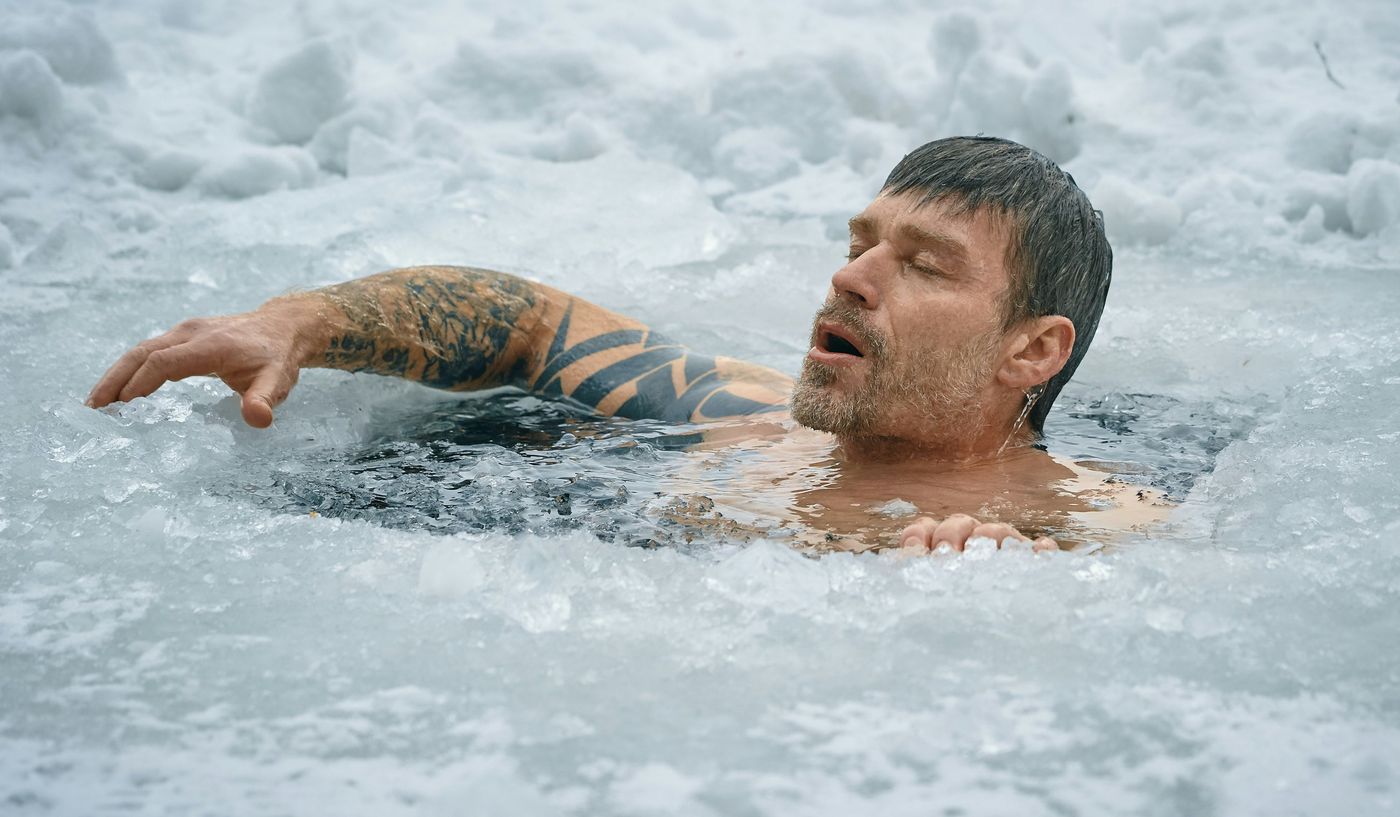
The practical sweet spot for most people is between 50°F and 59°F, which is 10°C to 15°C. This range is cold enough to trigger strong physiological responses but not so cold that you cannot stay safely for a few minutes. Water below 45°F quickly becomes more about grit than recovery. Above 60°F, you get some cooling but far less of the vasoconstriction and norepinephrine response that cold immersion is known for.
A 2022 review on PubMed noted that cold water immersion at temperatures around 11°C to 15°C reduced muscle soreness by roughly 20% at 24 hours after exercise compared with passive recovery. That finding matters because it gives a realistic expectation. You are not erasing soreness. You are blunting it enough to train again sooner. Many plungers and portable tubs can hold water in this range, including options in best cold plunge tubs.
For comparison, an ice bath vs cold plunge setup may use ice to lower water from tap temperature. A dedicated chiller holds the set point more precisely. If you only have ice, aim for 50°F to 59°F and check with a waterproof thermometer. Avoid going under 39°F for your first several months. That is close to freezing water, and it is not needed for the recovery benefit most people seek.
- 45°F to 49°F: short exposure only, 30 seconds to 2 minutes, for experienced users.
- 50°F to 59°F: the standard recovery range, 1 to 5 minutes.
- 60°F to 65°F: beginner or active recovery range, 3 to 10 minutes.
How Long Should You Sit in an Ice Bath?

Time matters as much as temperature. The often cited research protocol from cold adaptation work uses 11 minutes total per week, split across sessions, at water around 11°C or 52°F. That does not mean one 11 minute session. Most people do better with two to four shorter dips. For a 50°F to 59°F bath, start with 1 to 2 minutes and add 30 seconds per week as you adapt.
Longer is not automatically better. After roughly 10 to 15 minutes in very cold water, the risk of afterdrop, where core temperature continues falling after you exit, increases. Your limbs lose dexterity first, then your judgment can get foggy. If you are new, set a timer on your phone and get out when the timer ends. Do not negotiate with the water. The how often to cold plunge guide covers weekly frequency in more detail.
A safe target is 3 minutes at 52°F to 55°F. This is long enough to trigger noticeable norepinephrine release and short enough to keep risk low. If you shiver hard, get out. Shivering is a sign that your body is losing more heat than it can produce comfortably. The goal is cold exposure, not a willpower contest.
- First week: 1 minute at 60°F, two to three times.
- Second week: 2 minutes at 55°F to 58°F.
- Third week: 3 minutes at 52°F to 55°F.
- Ongoing: 3 to 5 minutes, three to four times weekly.
What Does Cold Water Actually Do to Your Body?
When you get into cold water, blood vessels in your skin constrict. Your heart rate may rise for a moment, then settle. Your body releases norepinephrine, a hormone and neurotransmitter linked to alertness and pain modulation. One study found a 250% increase in norepinephrine after 20 minutes in water around 4°C. That is far colder than most people need, but it shows how strong the hormonal response can be.
Short term, cold immersion reduces muscle swelling and lowers tissue temperature. That may help you feel less sore after hard training. Harvard Health describes cold exposure as a way to reduce muscle soreness, though they note that not all performance effects are proven. In other words, you may feel better faster, but cold plunging is not a replacement for sleep, food, or rest days. See the cold plunge benefits article for a fuller breakdown.
There is also a mental effect. Many people report a mood lift after cold plunge. The norepinephrine spike and the brief stress of cold likely play a role. But the research here is mixed. Some small studies show reduced symptoms of depression over time, while others show only a short term boost. Treat the mental benefit as a useful side effect, not a guaranteed treatment.
What Is a Safe Beginner Ice Bath Protocol?
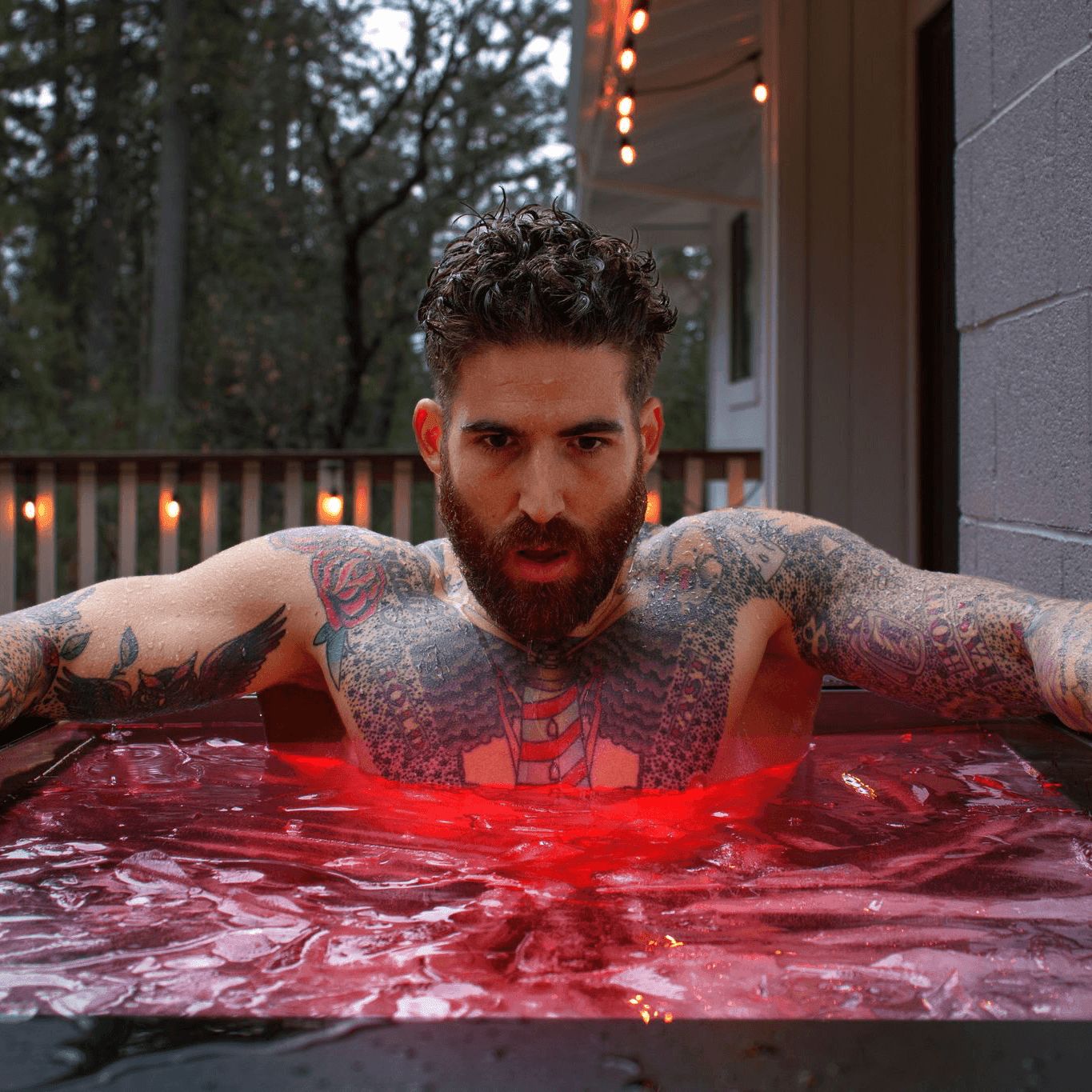
Start warmer, shorter, and more conservative than you think. Fill the tub or plunge to 60°F, not 45°F. Sit in the water up to your shoulders, but keep your hands on the edge if you need stability. Set a timer for 1 minute. Breathe slowly through your nose and exhale through your mouth. Do not force hyperventilation. This is the core of the beginner cold plunge protocol.
After a few sessions, drop the temperature by 1°F to 2°F each week and add 30 seconds of time. This gradual build lets your blood vessels and nervous system adapt. If you wake up the next day feeling drained or your sleep gets worse, back off. More cold is not better. The safety guide for beginners covers contraindications like high blood pressure, heart issues, and pregnancy.
Always have a warm towel, dry clothes, and a plan to warm up. After you exit, do not jump straight into a hot shower. Let your body warm itself partly through gentle movement. Then dress warmly and sip a warm drink. This helps reduce the odd dizzy feeling that can happen after cold immersion.
How Does Timing Change for Recovery vs. Performance?
If your main goal is muscle recovery, do the ice bath within an hour after training. The cooling effect is most useful when tissue is still warm and inflamed. Aim for 3 to 5 minutes at 50°F to 55°F. That window helps reduce next day soreness. Avoid doing it immediately before bed if it leaves you wired. Some people find cold plunges too activating for late evening use.
If you train for strength or muscle growth, timing changes. Cold immersion right after lifting may blunt some of the muscle protein synthesis signal. That can matter if your primary goal is hypertrophy. The research is not huge, but it is enough to be thoughtful. A better approach if you lift for size is to separate lifting and cold plunging by at least six hours, or do cold exposure on rest days. The cold plunge vs ice bath article explains how different setups may affect your routine.
For general health and mood, the timing is flexible. Morning plunges can replace coffee for some people. Midday plunges work well as a reset. The key is consistency. Use a temperature and duration you can repeat three or four times a week without dreading it.
What Are the Risks and How Do You Stay Safe?
Cold water immersion is generally safe for healthy people, but it is not risk free. The cold shock response can cause gasping and a rapid heart rate in the first 30 seconds. That is why you should enter slowly and never dive or jump into cold water. People with heart conditions, high blood pressure, or circulatory issues should get medical clearance first. The Mayo Clinic notes that cold water can stress the heart and blood vessels, especially in at-risk groups.
Afterdrop is a real risk. Your core temperature can continue falling for several minutes after you get out. Shivering, confusion, pale skin, and clumsiness are warning signs. Get dry, get dressed, and warm up gradually. Do not drive or operate complex equipment until you feel normal. Keep sessions short, especially in cold ambient air. The cold plunge safety guide details these risks and red flags.
Do not plunge alone if you are new or experimenting with longer sessions. A spotter can help if you get dizzy. Keep a phone nearby. Avoid alcohol before or after a plunge. Alcohol changes blood flow and can disguise how cold you are. Never plunge with an open wound or after a fever. Use common sense and a thermometer every time.
Frequently Asked Questions
How cold should an ice bath be for beginners?
Start at 60°F (15.5°C) for 1 to 2 minutes. After a few sessions, gradually drop to 50°F to 55°F as your body adapts. Never start below 50°F without experience.
Is 10 minutes in an ice bath safe?
For most people, 10 minutes is too long for water below 50°F. At 50°F to 59°F, 3 to 5 minutes is sufficient. Ten minutes raises afterdrop risk and is rarely needed for recovery.
How often should I take an ice bath?
Three to four times per week is a common goal. Some research suggests a total of 11 minutes per week at 52°F. Rest days are fine. More frequency is not always better.
Can I take an ice bath every day?
Some people tolerate daily plunges, but start with three to four days weekly. Watch for poor sleep, lingering coldness, or fatigue. Those are signs you need rest days.
What is the best time of day for an ice bath?
For recovery, within an hour after training works well. For alertness, morning is popular. Avoid late evening plunges if they leave you feeling wired or disrupt sleep.
Should I take a warm shower right after an ice bath?
It is safer to warm up gradually. A hot shower can cause a rapid blood vessel shift that may make you lightheaded. Dry off, dress warmly, and let your body warm itself first.
What Should You Remember?
- Aim for 50°F to 59°F for most recovery plunges.
- Start at 60°F for 1 to 2 minutes if you are new.
- Cap sessions at 5 minutes until you have months of experience.
- Use a total of 11 minutes per week at 52°F as a research based benchmark.
- Never plunge alone in very cold water or if you have heart issues.
- Get medical clearance before starting cold immersion if you have cardiovascular risk.
- Warm up gradually after exiting to avoid afterdrop.
This article is for general information only and is not medical advice. Cold water immersion and sauna use can be risky for people with cardiovascular conditions, Raynaud’s disease, or who are pregnant. Always consult a physician before beginning cold therapy or heat therapy.