Cold plunging has moved from locker room tradition to a mainstream recovery tool. Athletes, coaches, and weekend exercisers now use cold water immersion to reduce soreness, wake up the nervous system, and build mental toughness. The practice is simple. You sit in water between roughly 50 and 59 degrees Fahrenheit for a few minutes after training or on a rest day. The body responds with changes in blood vessels, hormones, and nerve activity. Some responses are well documented. Others are still being studied. This guide explains what the research actually shows about cold plunge benefits, muscle recovery, and more. Understanding the evidence helps you use cold plunging safely.
The strongest evidence supports cold plunging for delayed onset muscle soreness, often called DOMS. A PubMed review of cold water immersion trials found that cold water immersion after exercise reduced muscle soreness by about 20 percent compared with passive recovery. That is a meaningful but modest effect. It does not repair muscle tissue instantly or erase fatigue. It changes how sore you feel and may limit swelling. For many people, that improvement is enough to make the next workout or workday easier. Temperature, timing, and session length all shape the result. Let’s examine each factor.
Beyond muscles, cold water may influence mood and metabolism. One frequently cited study reported that cold water immersion increased norepinephrine by 530 percent and dopamine by 250 percent. Those neurotransmitters play a role in alertness and mood regulation. Other research points to possible changes in insulin sensitivity and brown fat activity, but those findings are preliminary. Harvard Health notes that cold exposure activates the sympathetic nervous system and may support stress resilience when practiced carefully. This guide separates what is known from what is still emerging. You will learn how to apply cold plunging without overclaiming its effects.
| Outcome | What Research Shows | Practical Notes |
|---|---|---|
| Muscle soreness | Reduced by about 20 percent after exercise compared with passive rest | Use 50 to 59 degrees Fahrenheit after hard sessions |
| Circulation | Blood vessels constrict then dilate after exit | May improve perceived recovery and alertness |
| Neurotransmitters | One study found norepinephrine rose 530 percent and dopamine 250 percent | Acute effect; not a reason for long sessions |
| Inflammation | May limit swelling and soreness | Could blunt strength adaptation if overused |
| Mood | Small preliminary studies show possible mood support | Consistency may matter more than duration |
What Are the Proven Cold Plunge Benefits for Muscle Recovery?
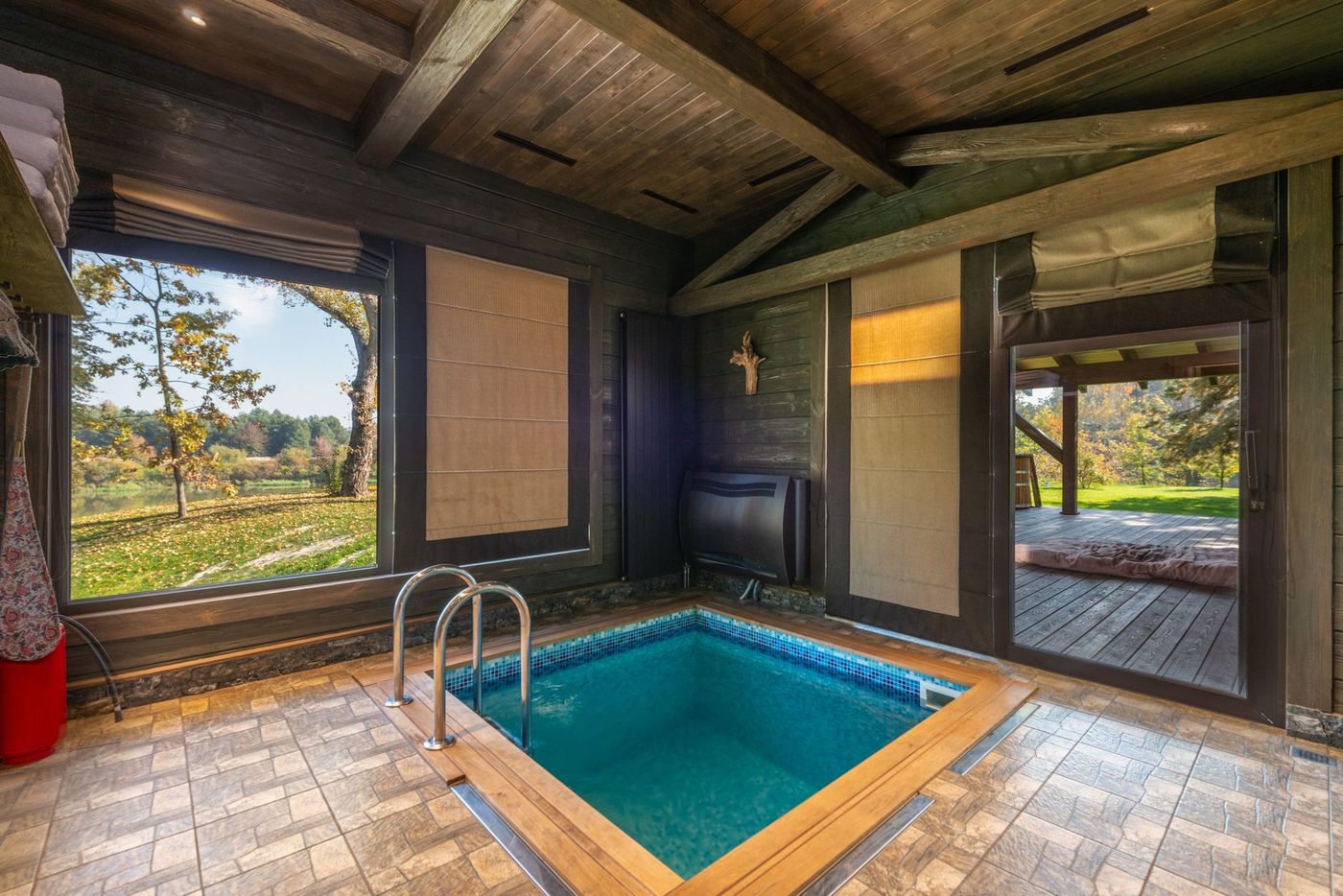
The strongest cold plunge evidence is for muscle recovery after exercise. Cold water immersion constricts blood vessels in the limbs and skin. When you get out, blood flows back as vessels reopen. This flush may help clear metabolic waste products that build up during hard training. A Cleveland Clinic overview of cold water immersion describes this as a possible mechanism for reducing local swelling and soreness. The effect is not automatic. It depends on exercise type, water temperature, and how soon you get in. For many recreational athletes, the perceived recovery boost is the main draw.
A Cochrane review of cold water immersion after exercise found that participants who used cold water reported about 20 percent less muscle soreness at 24 to 96 hours after training compared with passive rest. That is one of the most reliable numbers in cold plunge research. The same review found less consistent evidence for faster strength recovery. In plain terms, cold plunging may make you feel better, but it may not always restore performance faster. That distinction matters if you train hard on consecutive days.
For strength training, some researchers caution that cold water immersion may blunt the inflammatory signal needed for muscle growth. The evidence is not settled. If your main goal is muscle size, you may want to separate cold plunges from hypertrophy-focused lifting by several hours. For endurance athletes and recreational exercisers, the soreness reduction often outweighs that concern. If you want a regular setup, our guide to the best cold plunge tubs in 2026 compares at-home options across budgets.
How Does Cold Water Immersion Affect Inflammation and Circulation?
Cold exposure activates the sympathetic nervous system. Heart rate and blood pressure rise briefly. Blood vessels in the skin narrow to conserve core heat. Once you leave cold water, those vessels dilate. This contrast effect may improve blood flow and reduce fluid accumulation. Health sources describe cold water as a short-term stressor that can improve circulation when used carefully. The response is more than just skin deep. It also triggers the release of stress hormones that make you feel alert.
Inflammation is not always bad. Acute inflammation after training is part of adaptation and repair. Cold plunging may reduce swelling and perceived soreness, but that does not mean it eliminates all inflammation. If you plunge after every single session, you might dampen some of the signals your body uses to get stronger. That is why frequency should match your goals. Recovery-focused athletes can plunge more often. Hypertrophy-focused lifters may want to use cold plunging on rest days or lighter training days.
Some people combine cold plunging with heat. Contrast therapy alternates cold and warm water to create repeated blood vessel changes. Direct evidence for contrast therapy is mixed, but many users find it feels restorative. If you are weighing heat options, sauna and steam room protocols differ in humidity and temperature. The key is to use cold as one tool, not as a replacement for sleep, nutrition, and gradual training load management.
Can Cold Plunging Improve Mood and Mental Resilience?

Cold plunging is a deliberate stressor. The first 30 seconds are hard. You breathe faster, your heart rate jumps, and your mind wants out. Staying in requires slow breathing and a decision to tolerate discomfort. Over time, that practice may carry over into daily stress. Some people report feeling alert and calm after a plunge. The feeling is partly neurochemistry. A widely cited study found cold water immersion at 57 degrees Fahrenheit for one hour raised norepinephrine by 530 percent and dopamine by 250 percent. Those levels returned to baseline afterward, but the acute shift is substantial. Those numbers are not a reason to stay in too long.
Most people do not need an hour in 57 degree water. Short sessions of two to five minutes produce a strong response with less risk. The mood benefits may also come from learning to breathe under stress. Structured breathing before a plunge can help you stay calm. Some research links cold exposure to improved symptoms of depression, but the studies are small and preliminary. A single plunge rarely changes mental health. A repeated practice might support mood and stress tolerance. It is not a replacement for therapy or medical care.
Cold exposure also activates cold receptors in the skin, which may indirectly influence the vagus nerve and help slow heart rate during recovery. More research is needed, but the subjective effect is common. Many users describe a cold plunge as a reset. That sense of reset may be one reason the habit has grown. If you want to add it to a broader recovery plan, start with short exposures and build gradually. The mental win comes from consistency, not from freezing longer.
What Temperature and Duration Work Best for Recovery?
Most cold plunge protocols sit between 50 and 59 degrees Fahrenheit. That range is cold enough to trigger the shock response but warm enough to tolerate for a few minutes. The cold plunge temperature guide breaks down different zones for beginners, intermediate users, and advanced plungers. A common starting point is 55 degrees Fahrenheit for two to three minutes. If the water is colder, shorten the time. If it is warmer, you may need a few more minutes to feel the same effect.
The research does not point to one perfect temperature. Many muscle recovery studies use water between 50 and 59 degrees Fahrenheit for 10 to 15 minutes. But those protocols are often done in controlled settings. At home, shorter sessions are safer. Clinical guidance says to limit cold water immersion time to reduce hypothermia risk. Listen to your body. Shivering is normal at first, but uncontrollable shivering, dizziness, or numbness means it is time to get out.
Frequency matters more than intensity for most people. Some plunge daily. Others use it only after hard workouts. Our guide to how often you should cold plunge explains how to fit sessions into a training week. For recovery, a good rule is to plunge on the same day as hard training or the morning after. If you are chasing performance in strength sports, avoid cold plunging immediately before or after lifting when the goal is maximum muscle growth.
- Beginner: 55 to 59 degrees Fahrenheit for 1 to 3 minutes
- Intermediate: 50 to 54 degrees Fahrenheit for 3 to 5 minutes
- Advanced: 45 to 49 degrees Fahrenheit for up to 10 minutes with supervision and gradual adaptation
Is Cold Plunging Safe for Beginners?
Cold plunging is generally safe for healthy adults when sessions are short and the water is not extremely cold. But the first 30 seconds can cause heavy breathing and a spike in heart rate. People with heart conditions, high blood pressure, Raynaud’s, or pregnancy should talk with a clinician first. The cold plunge safety guide for beginners covers red flags and setup tips. Never plunge alone in very cold water. Always have a way to get out quickly.
The cold shock response is real. It makes you gasp. If your face goes under during that gasp, you can inhale water. That is why controlled entry matters. Step in slowly, keep your head above water, and focus on slow exhales. Start with 30 to 60 seconds. Add time only when you can stay calm. A beginner protocol should not feel like an endurance test. It should feel like a controlled stress.
Hypothermia and afterdrop are risks if you stay too long. Afterdrop happens when cold blood from the skin returns to the core after you exit, lowering core temperature. To reduce risk, get out while you still feel in control. Dry off, put on layers, and move around to warm up. Do not use a hot shower immediately if you feel unsteady. Gradual rewarming is safer.
If you use a tub, keep the water clean and check the temperature before each session. Even an affordable stock tank can work if you manage safety. The principles stay the same: short sessions, controlled breathing, and a plan for warming up. Safety is not about being tough. It is about being consistent without injury.
How Does Cold Plunge Compare to Ice Baths and Saunas?
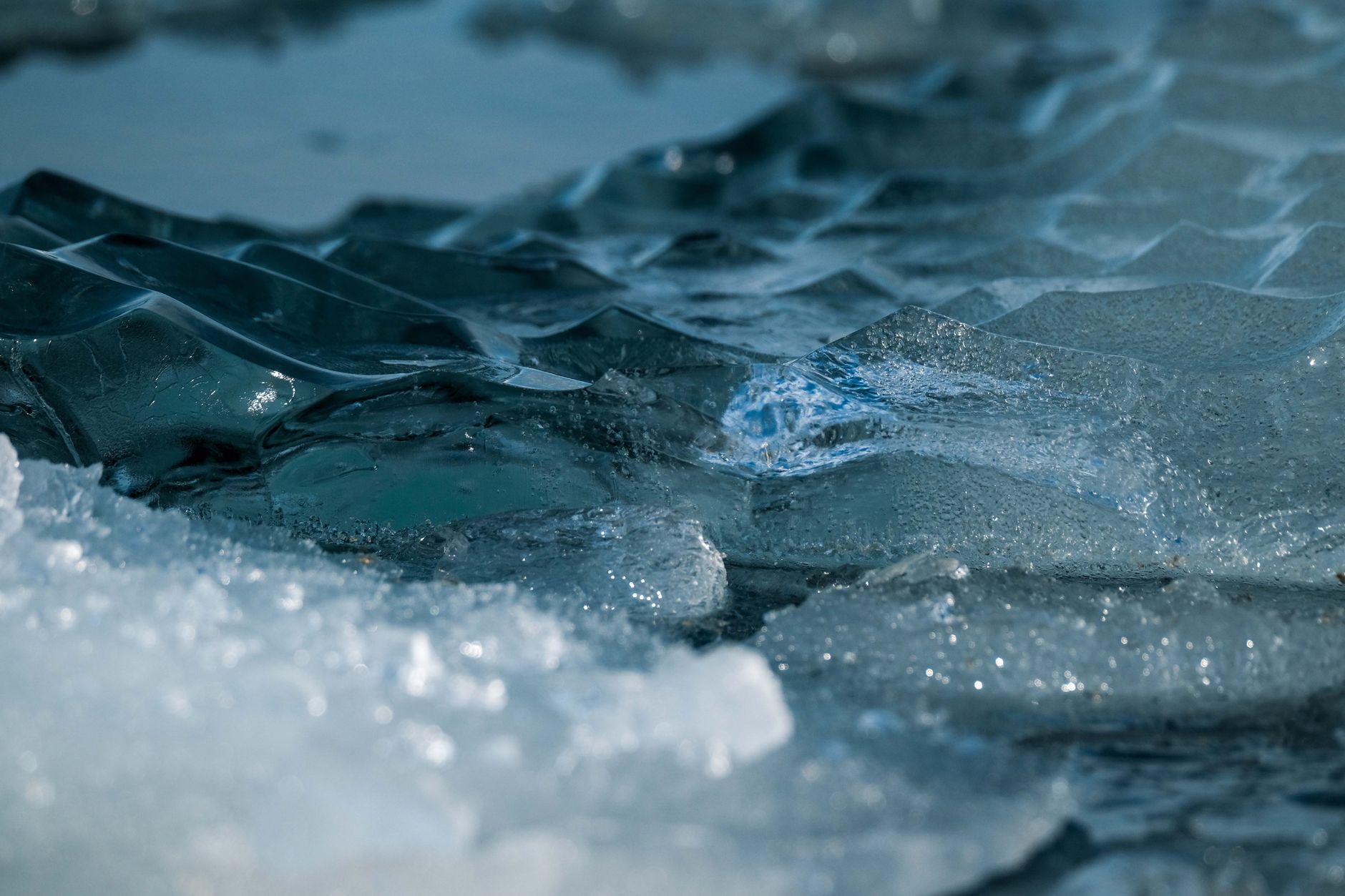
Cold plunge and ice bath are often used as synonyms, but there are differences. A cold plunge tub is usually a dedicated unit with filtration and temperature control. An ice bath is a simpler setup, often a stock tank filled with water and ice. The physiological effects are similar because the water temperature is similar. But consistency and convenience can differ. Our cold plunge vs ice bath comparison breaks down cost, maintenance, and temperature stability.
Compared with sauna use, cold plunging works in the opposite direction. Sauna heat dilates blood vessels and increases heart rate. Cold immersion constricts blood vessels and triggers a stress response. Many recovery routines combine both, moving from hot to cold. The evidence for contrast therapy is mixed, but some users find it helps them feel refreshed and less stiff. If you are choosing one, think about your primary goal. Cold may be better for acute soreness and alertness. Heat may be better for relaxation and joint mobility.
The best approach depends on your training and lifestyle. Cold plunging is not inherently better than other recovery tools. It is one input among many. Sleep, nutrition, and training load management still matter more. Use cold plunging to support recovery, not to replace the basics.
Frequently Asked Questions
How long should I stay in a cold plunge?
Start with 1 to 3 minutes at 50 to 59 degrees Fahrenheit. Add time gradually only if you stay calm and stop shivering uncontrollably. Most at-home users do not need more than 5 to 10 minutes.
Can cold plunging speed up muscle recovery?
Research suggests it can reduce perceived muscle soreness by about 20 percent after exercise. It does not always restore strength faster. Use it as one part of a recovery plan that includes sleep and nutrition.
Is cold plunging safe every day?
Many healthy adults can plunge daily if sessions are short and water is not extremely cold. Your goals matter. Hypertrophy-focused lifters may want to avoid daily post-lifting plunges. Stop if you feel dizzy, numb, or unusually cold.
What temperature is best for a cold plunge?
A range of 50 to 59 degrees Fahrenheit works for most recovery goals. Beginners often start near 55 degrees for 2 to 3 minutes. Colder water requires shorter sessions and more caution.
Who should avoid cold plunging?
People with heart conditions, uncontrolled high blood pressure, Raynaud’s disease, or pregnancy should consult a clinician first. Anyone with cold urticaria or poor circulation should also seek medical advice before starting.
Should I cold plunge before or after a workout?
After a workout is more common for muscle soreness. If your main goal is strength or muscle size, separate cold plunging from lifting by several hours. Some people use short cold exposure before training for alertness, but that can reduce muscle temperature and performance.
What Should You Remember?
- Cold plunge benefits are strongest for reducing perceived muscle soreness after exercise.
- Research shows cold water immersion can reduce soreness by roughly 20 percent compared with passive rest.
- Water temperature between 50 and 59 degrees Fahrenheit is practical for most home users.
- Short sessions of 1 to 3 minutes are safer and still trigger a strong nervous system response.
- Mood effects include an acute rise in norepinephrine and dopamine, but long term mental health evidence is preliminary.
- Safety first means controlled entry, a clear exit plan, and gradual rewarming after each plunge.
This article is for general information only and is not medical advice. Cold water immersion and sauna use can be risky for people with cardiovascular conditions, Raynaud’s disease, or who are pregnant. Always consult a physician before beginning cold therapy or heat therapy.