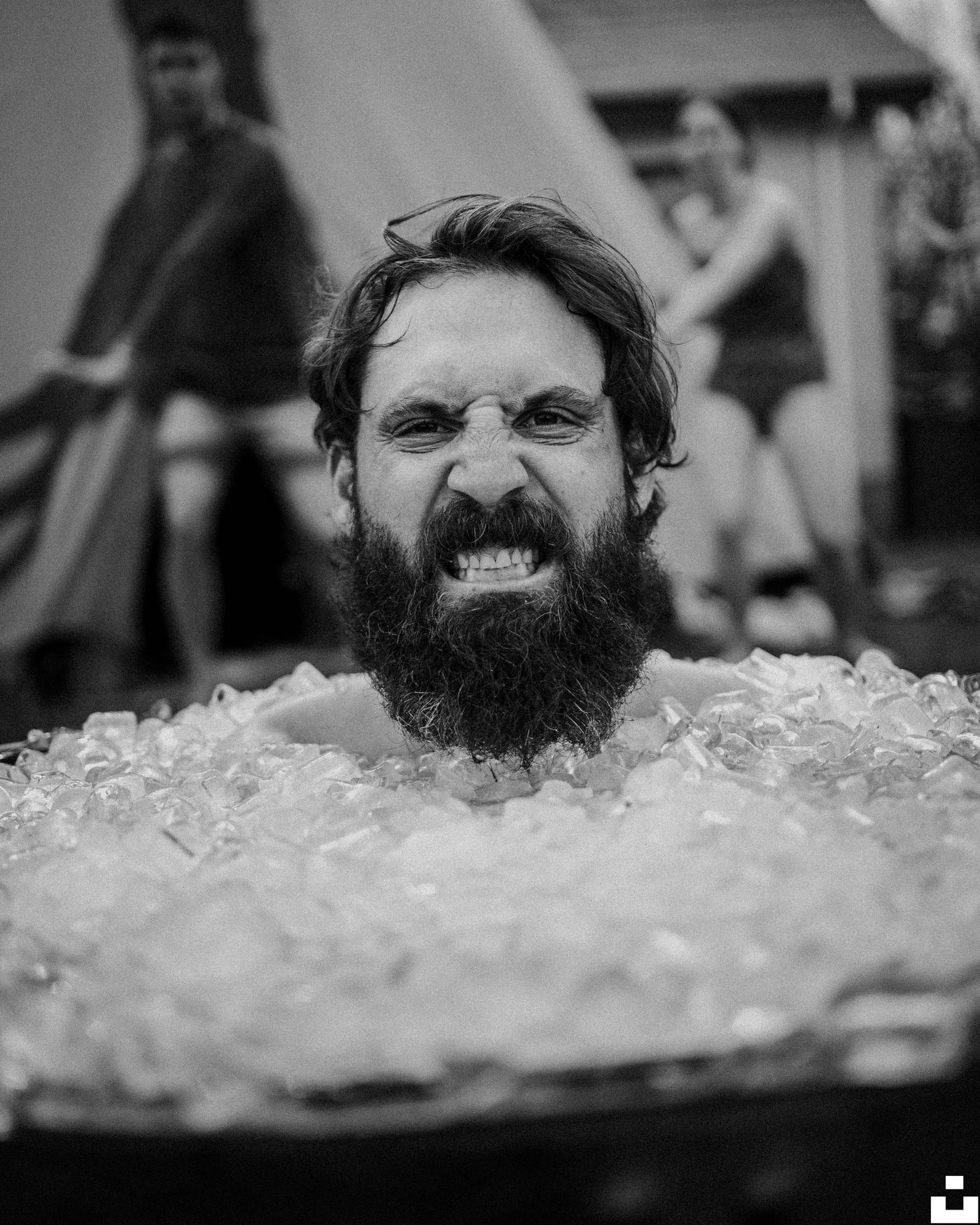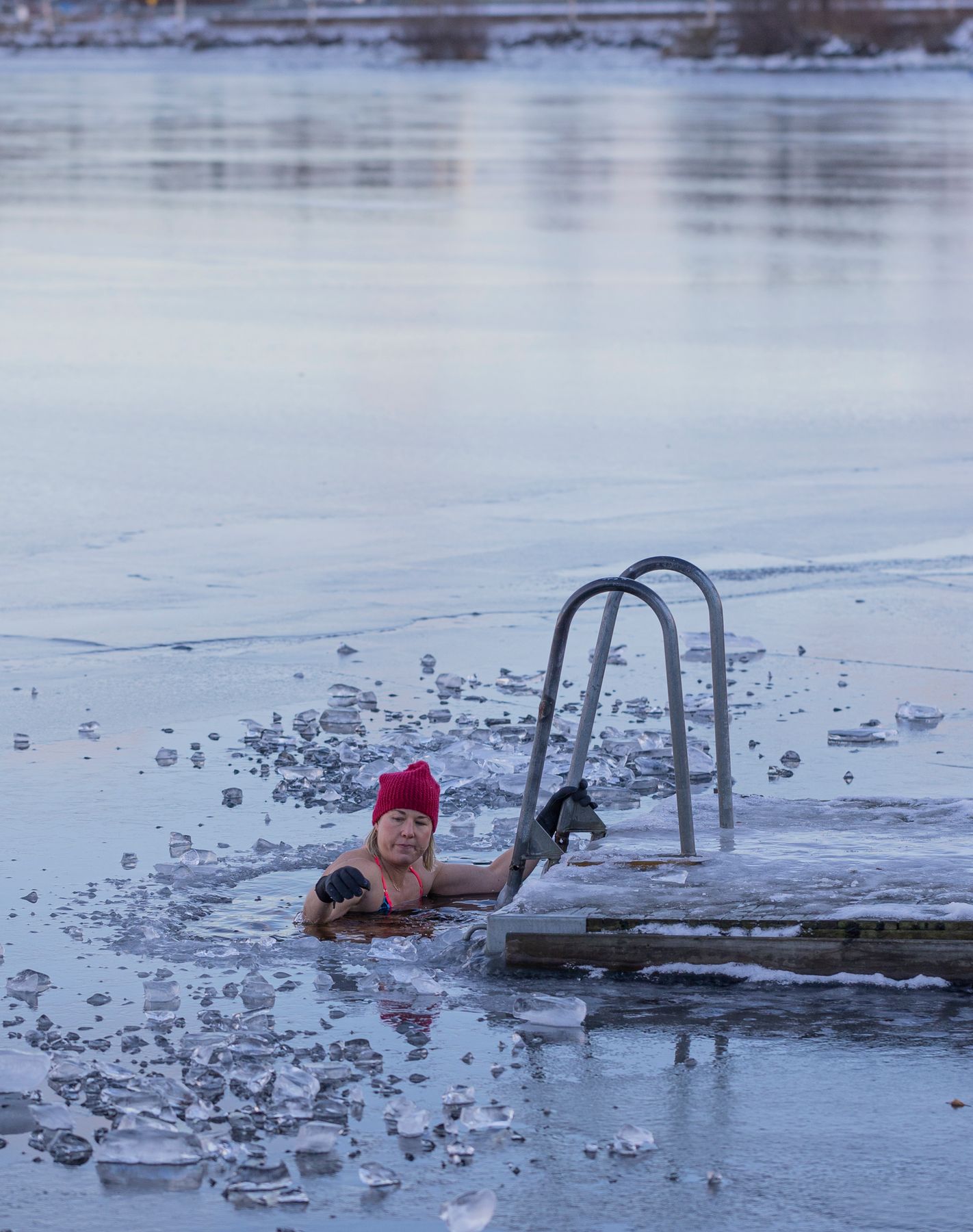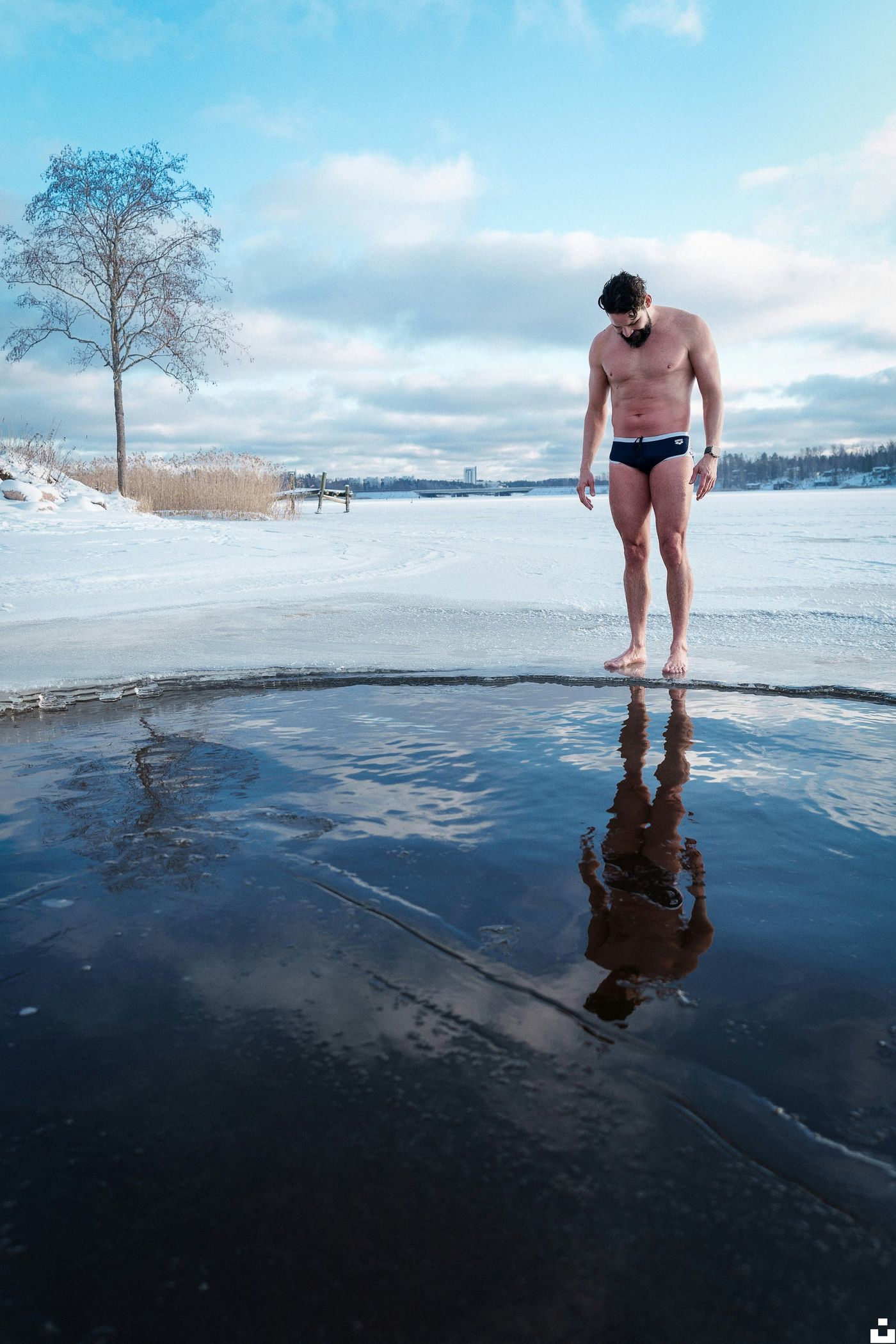
Cold water immersion is a popular recovery tool among athletes, lifters, and casual exercisers. The habit can take two main forms. An ice bath is usually a simple tub filled with cold water and bags of ice. A cold plunge is a purpose built system with a chiller, filter, and temperature controls. Both methods expose your body to very cold water for a few minutes. The goal is to reduce muscle soreness, lower perceived inflammation, and improve recovery. See cold plunge benefits for the full list. Understanding the differences helps you pick the right setup for your budget and routine.
Many people use the terms ice bath and cold plunge interchangeably. That is understandable because both involve cold water immersion. However, the equipment and experience differ. An ice bath requires no electricity or plumbing. You fill a bathtub, stock tank, or barrel with water and add ice. The temperature drops quickly but then rises as the ice melts. A cold plunge keeps water cold with a built in chiller. It also circulates and filters the water. These differences affect repeat use, hygiene, and long term cost. A cold plunge is more convenient for daily users. An ice bath is more accessible for occasional use.
The better choice depends on how often you plan to use cold therapy. It also depends on your space, budget, and tolerance for maintenance. A ten dollar bag of ice can work for a single session. But daily ice runs become expensive and inconvenient. A cold plunge costs more upfront. Over time, it may save money and effort. This article breaks down the key differences. We review the research on recovery, safety, and practical home setups. You will also find temperature guidance, cost comparisons, and a simple decision framework. By the end, you can decide which method fits your recovery routine best.
| Factor | Ice Bath | Cold Plunge |
|---|---|---|
| Setup | Basic tub plus ice | Dedicated tub with chiller and filter |
| Temperature control | Manual, drifts as ice melts | Automatic, holds set point |
| Upfront cost | Check price | Check price |
| Per session effort | High; buy and add ice | Low; press a button |
| Water hygiene | Poor if reused | Good; pump and sanitizer |
| Best for | Occasional use, beginners | Frequent use, home gyms |
What Is an Ice Bath and How Does It Work?
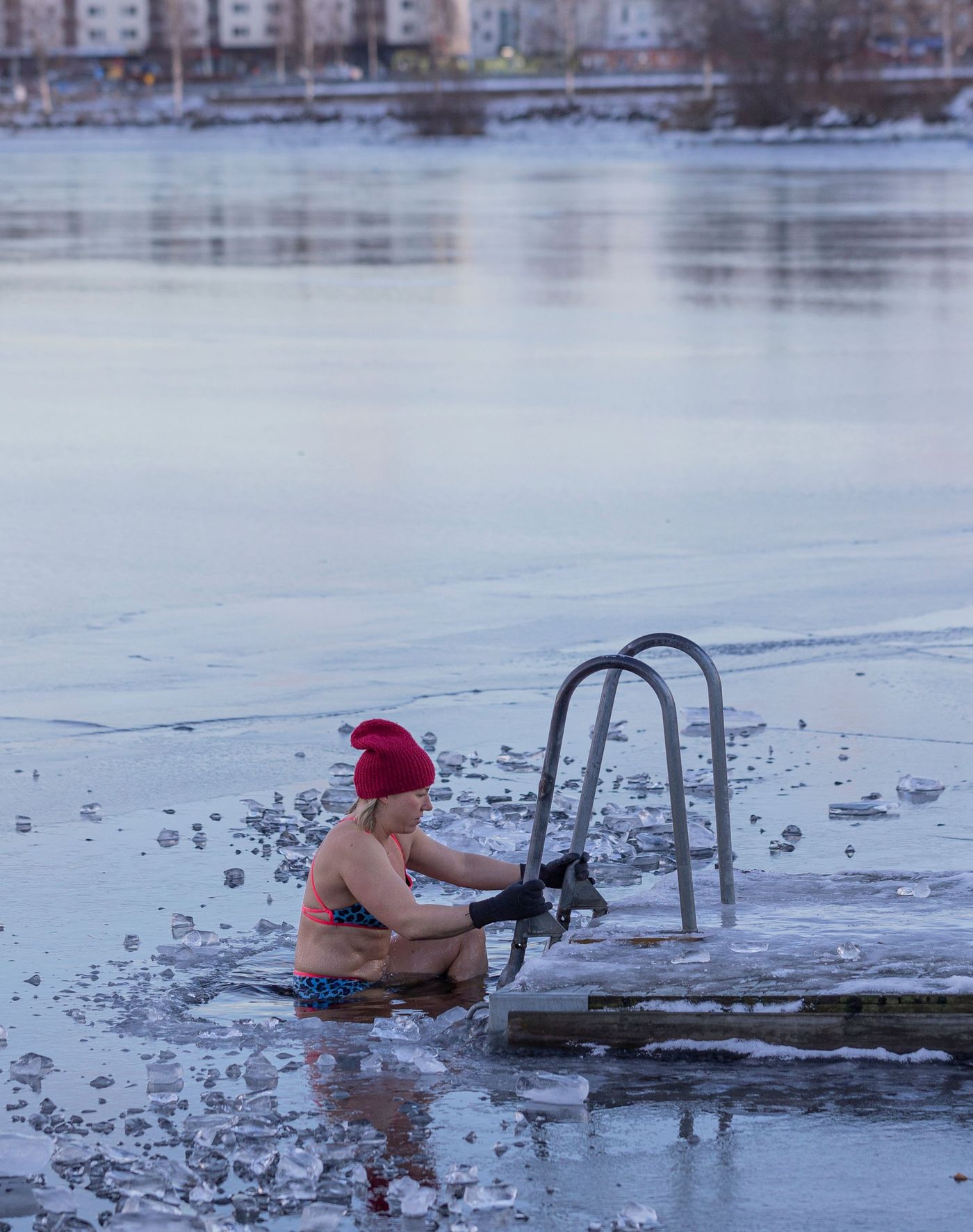
An ice bath is the simplest form of cold water immersion. You fill a bathtub, stock tank, barrel, or even a large trash can with cold water. Then you add bags of ice to bring the temperature down. Most people aim for water between 45 and 59 degrees Fahrenheit. You sit in the water for two to ten minutes. The body responds with vasoconstriction, which reduces blood flow to the skin and muscles. This is one reason people report less soreness after a hard session.
The main appeal of an ice bath is its low barrier to entry. There is no pump, filter, or chiller to maintain. You can try cold exposure tonight with a bathtub and a few bags of ice. But there is a catch. The temperature is hard to control. Ice melts quickly, especially if you add warm tap water first. You may need 20 to 60 pounds of ice for one session. At roughly $0.20 per pound, that is four to twelve dollars per session. That cost adds up over weeks.
An ice bath may be a good starting point if you are new to cold therapy. It lets you test the experience before spending hundreds or thousands of dollars. For occasional use, it works fine. But for daily recovery, the prep work and ice cost can become a burden. See our cold plunge protocol for beginners for a structured start.
What Is a Cold Plunge and What Makes It Different?
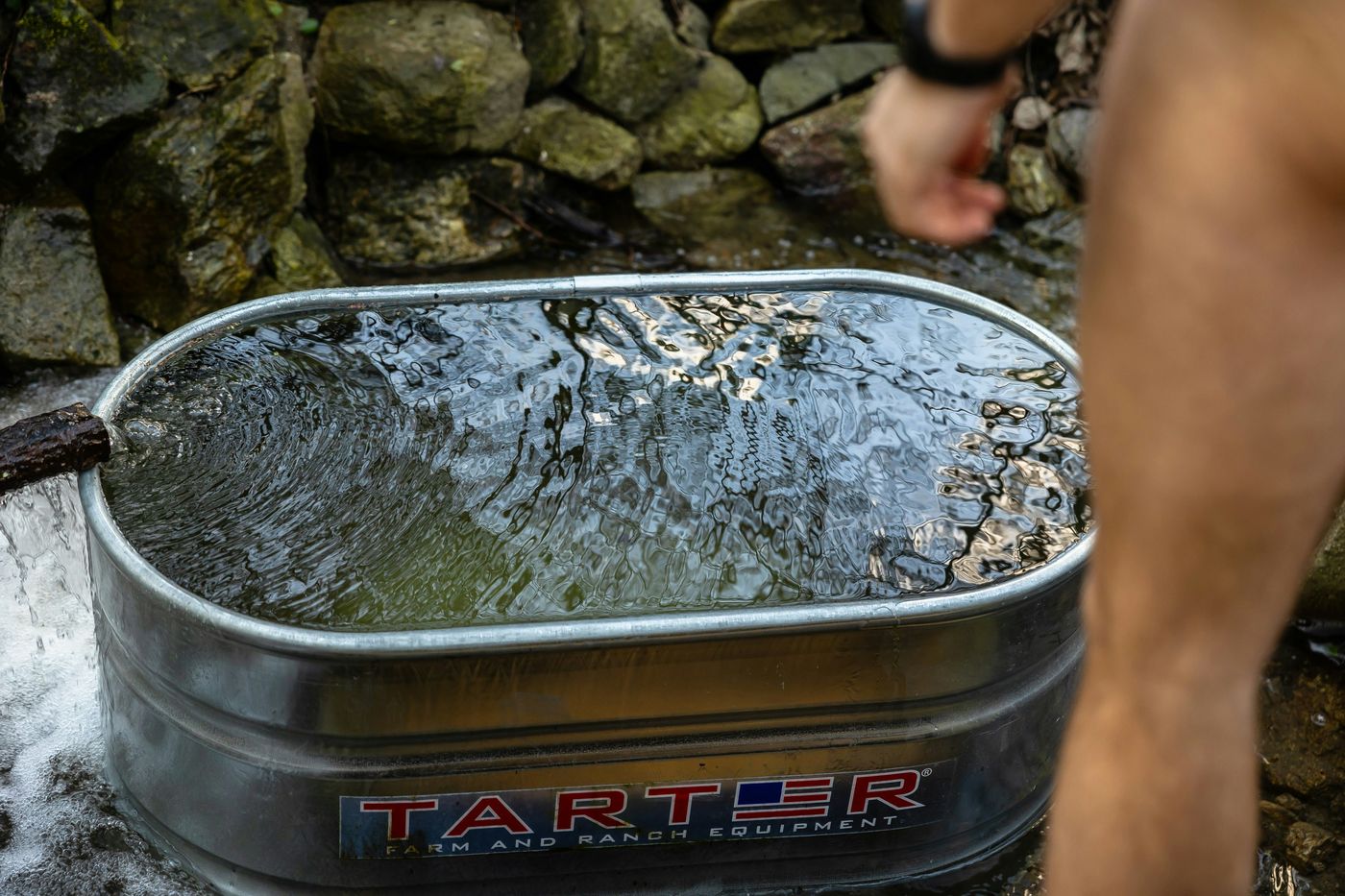
A cold plunge is a dedicated tub with a built in cooling system. It uses a refrigeration unit or chiller to keep water at a set temperature. Most cold plunges also include a pump, filter, and sometimes ozone or UV sanitation. You set the temperature on a control panel or app. Then you step into the same clean water day after day. This is the biggest practical upgrade from an ice bath.
Cold plunge tubs range from inflatable and portable units to insulated acrylic or wooden tubs. Some are designed for indoor use. Others live outside in a backyard or garage. The chiller can hold temperatures from about 37 degrees to 60 degrees Fahrenheit. That consistency matters for a protocol. You do not need to guess how much ice to add. See our cold plunge temperature guide for exact ranges.
The downside is cost. A quality cold plunge usually starts around two thousand dollars. High end models can exceed ten thousand. There are budget options and DIY builds. A DIY cold plunge chest freezer can cut costs. But it still requires plumbing, electrical work, or careful setup. If you plan to plunge several times a week, the convenience may justify the price. See our best cold plunge tubs to compare current models.
What Temperature and Duration Work Best for Recovery?
Most protocols use water between 45 and 59 degrees Fahrenheit. A cold plunge can sit at 50 degrees indefinitely. An ice bath often starts around 55 degrees and warms to 60 or higher within 20 minutes. Beginners should start closer to 55 or 60 degrees. Stay in for two to three minutes. Then build to five or ten minutes over several weeks. Start with a short session and track how you feel the next day.
Duration matters more than people think. More is not always better. Very cold water can cause numbness, pain, and afterdrop. Afterdrop is a continued drop in core temperature after you exit the water. A short session at 50 degrees can trigger the desired physiological response. You do not need to force 15 minutes. The Cleveland Clinic notes that cold plunge sessions are usually brief and should not be extended without guidance.
Research suggests that 10 to 15 minutes at 50 to 59 degrees is a common upper limit for experienced users. But for muscle recovery, even 5 to 10 minutes may be enough. The temperature should feel very cold but not unbearable. If you are shivering hard or losing feeling, end the session.
Which Option Is Safer and More Practical for Home Use?
Both methods carry the same core safety risks. Cold water shock can spike heart rate and blood pressure. People with heart disease, high blood pressure, or circulation problems should consult a doctor first. The Mayo Clinic advises caution with any rapid cold exposure. Never cold plunge alone if you are new. Keep a towel, warm clothing, and a way to warm up quickly nearby.
A cold plunge has some safety advantages. The temperature is stable, so you are less likely to get an accidental deep cold shock from an overly icy tub. Filtration also keeps the water cleaner between sessions. An ice bath gets dirty quickly if you reuse the water. You may need to drain and refill it often. A cold plunge with a filter and sanitizer can go weeks or months between water changes.
Practicality depends on your space and schedule. Ice baths are portable and cheap. You can set one up in a bathroom or backyard in minutes. A cold plunge needs a dedicated spot, an electrical outlet, and a plan for maintenance. Our cold plunge safety guide for beginners explains the risk factors in more detail.
What Does the Research Say About Cold Water Immersion and Recovery?
The research on cold water immersion is promising but not a magic fix. A 2012 Cochrane review published on PubMed found that cold water immersion reduced muscle soreness by about 20 percent at 24 to 96 hours after exercise compared with passive recovery. That is a meaningful but modest effect. It does not mean you will recover twice as fast. It means you may feel less sore.
Other studies show mixed effects on muscle growth and strength. Cold water immersion after resistance training may blunt some long term muscle adaptations. The effect appears small and may depend on timing and temperature. For general recovery, the evidence supports short cold plunges. For athletes seeking maximum hypertrophy, cold exposure immediately after lifting may not be ideal. This is an active area of research.
Observational data also links regular cold exposure to improved mood and resilience. Some people report better sleep and lower stress. These benefits are not fully proven in large controlled trials. Use cold water as one recovery tool, not the only one.
Which Should You Choose: Cold Plunge or Ice Bath?
The right answer depends on frequency and budget. If you plan to plunge once or twice a month, an ice bath is likely enough. You can spend under one hundred dollars on a stock tank and buy ice as needed. It is a simple way to test cold exposure. Start with two or three minutes and see how your body responds.
If you want daily or near daily use, a cold plunge makes more sense. The chiller, filter, and sanitation reduce the daily hassle. You also get a consistent temperature, which makes tracking progress easier. The upfront cost is higher. But it replaces repeated ice purchases and water changes. Many users find the convenience worth it.
For home gyms and serious recovery routines, a cold plunge is often the better long term investment. For first timers and budget conscious athletes, an ice bath is a smart entry point. Whichever you choose, start slow. Warm up gradually after your session and monitor how you feel the next morning.
Frequently Asked Questions
Is a cold plunge colder than an ice bath?
Not necessarily. Both usually run between 45 and 59 degrees Fahrenheit. A cold plunge holds a set temperature. An ice bath often starts colder but warms as ice melts.
Can I use my bathtub as an ice bath?
Yes. A standard bathtub works for an ice bath. Fill it with cold water, add ice, and follow the same safety steps. It is a low cost way to try cold water immersion.
How long should I stay in a cold plunge or ice bath?
Beginners should start with two to three minutes at 50 to 60 degrees Fahrenheit. Experienced users may build up to ten minutes. Stop if you feel intense shivering, numbness, or pain.
Which is cheaper: cold plunge or ice bath?
An ice bath is much cheaper upfront. A basic setup can cost under one hundred dollars. A cold plunge typically starts around two thousand dollars, though DIY builds cost less.
Do cold plunges have filters?
Most cold plunge tubs include a pump, filter, and sometimes ozone or UV sanitation. Ice baths do not. You may need to drain and refill an ice bath after every few uses.
Is cold plunging safe for beginners?
It can be safe if you start at a moderate temperature and keep sessions short. People with heart conditions, high blood pressure, or circulation problems should check with a doctor first.
Does cold water immersion actually reduce muscle soreness?
Yes, research suggests a modest effect. A 2012 Cochrane review found cold water immersion reduced soreness by about 20 percent compared with passive recovery after exercise.
What Should You Remember?
- Cold plunge uses a chiller and filter. Ice bath uses water plus ice in a basic container.
- Temperature consistency is the biggest difference. Cold plunges hold a set point.
- Cost separates them. Ice baths can cost under $100. Cold plunges often start around $2,000.
- Research shows cold water immersion may reduce muscle soreness by about 20 percent compared with passive recovery.
- Frequency matters. Occasional users do fine with ice baths. Daily users benefit from a cold plunge.
- Safety starts with short sessions at 50 to 60 degrees Fahrenheit. Check with a doctor if you have heart risks.
This article is for general information only and is not medical advice. Cold water immersion and sauna use can be risky for people with cardiovascular conditions, Raynaud’s disease, or who are pregnant. Always consult a physician before beginning cold therapy or heat therapy.