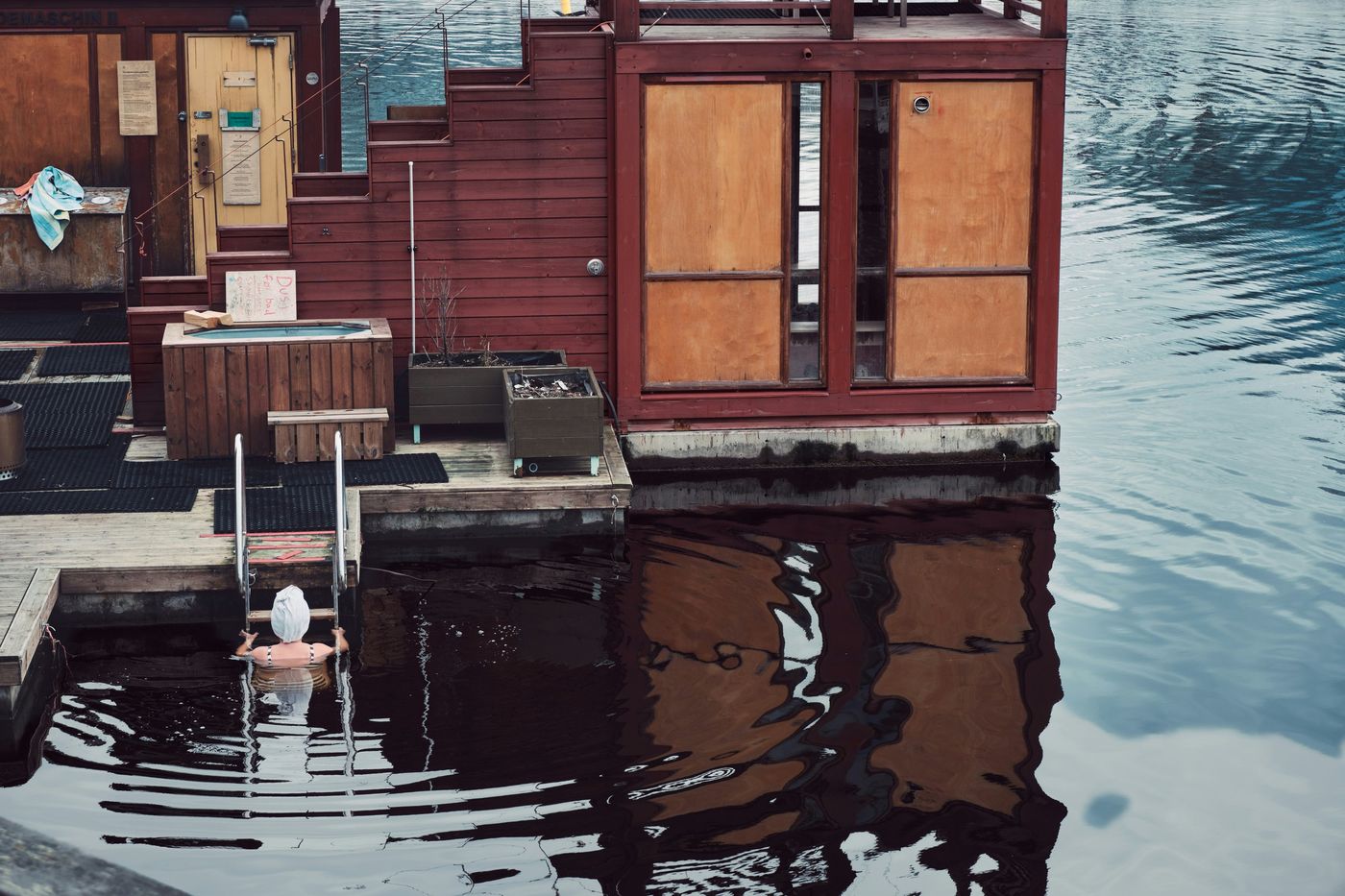
Cold plunge and hot tub combos are becoming the default recovery tool for athletes who want more than a standalone ice bath. Contrast therapy uses a hot soak to open blood vessels, then a cold plunge to constrict them. The rapid switch acts like a pump for blood and lymph fluid. If you are buying one unit anyway, pairing the two sides often costs less than two separate premium systems. Most buyers do not need a custom built contrast suite. You can get 90 percent of the benefit with a purpose built cold plunge and an inflatable hot tub. Our testing looked at real pricing, filtration, temperature minimums, and warranty coverage. We prioritize setups you can install without a contractor. Read our cold plunge benefits guide to understand why the cold side matters.
Methodology: we compared systems that hold water below 50°F on the cold side and at least 100°F on the hot side. According to the cold plunge temperature guide, 50°F to 59°F works for beginners, but experienced users often want 39°F or lower. The hot tub side does not need to be exotic. An inflatable hot tub with a 104°F thermostat and 100-plus jets handles contrast work. We also checked filtration specs, because alternating between hot and cold water can load the cold side with sweat and debris. A 20-micron filter and ozone or UV sanitation reduce how often you have to dump water. We gave extra points to systems that include a chiller, not just ice bags. Chillers keep the water at a stable temperature, which matters if you plunge daily.
Health context matters. A PubMed search on contrast water therapy shows consistent reductions in delayed onset muscle soreness, though the effect is often small. Harvard Health notes that cold water immersion can help with muscle soreness and mood. The combination is not magic. You still need to follow a sensible protocol. The cold plunge protocol for beginners gives a safe starting point. Heat exposure has its own risks. If you have high blood pressure or a heart condition, check with a doctor before alternating extremes. The Cleveland Clinic recommends caution with hot tubs during pregnancy and with alcohol. We include safety notes in each item.
One thing we learned quickly: all-in-one hot and cold units are rare and often overpriced. Most brands sell the cold side, and you pair it with a hot tub you choose. That is not a bad thing. It lets you replace a worn inflatable hot tub without replacing the chiller. The tradeoff is plumbing. For inflatable hot tubs, you fill them with a garden hose and plug them into a standard outlet. Dedicated cold plunges need a dedicated 15-amp or 20-amp circuit. Before buying, read our cold plunge safety guide for beginners for placement and electrical tips. Also check whether your floors can handle the combined weight. A 100-gallon cold plunge plus a 250-gallon hot tub weighs over 2,900 pounds. That is real structural load.
How Do the Top Options Compare?
| Setup | Best For | Cold Side | Heat Side | Temperature Range | Key Specs |
|---|---|---|---|---|---|
| Ice Barrel 500 + Bestway SaluSpa Helsinki | Budget contrast therapy | Check price | Check price | Cold: ice-dependent, Hot: up to 104°F | 105 gal cold, 242 gal hot, 1-year warranty |
| Plunge All-In + Intex PureSpa Plus 6 | Mid-range daily use | Check price | Check price | Cold: 39°F, Hot: up to 104°F | 75 gal cold, 290 gal hot, 20-micron filter + ozone |
| Sun Home Cold Plunge Pro + Bestway SaluSpa Madrid | Premium cold side with compact hot tub | Check price | Check price | Cold: 32°F, Hot: up to 104°F | 96 gal cold, 177 gal hot, 20-micron filter + ozone/UV |
| DIY chest freezer cold plunge + Bestway SaluSpa Miami | Tinkerers on a tight budget | Check price | Check price | Cold: 32°F with thermostat, Hot: up to 104°F | 14 cu ft freezer, 177 gal hot, external thermostat required |
Prices are manufacturer list at time of writing. Installation, electrical, and water treatment costs are not included.
1. Ice Barrel 500 + Bestway SaluSpa Helsinki AirJet Hot Tub , Budget contrast therapy under $2,000
The Ice Barrel 500 is the simplest cold side we tested. It holds 105 gallons and stands 42 inches tall, so you can sit upright with water up to your shoulders. The barrel itself does not chill. You add ice or keep it in a cold garage. That is the main tradeoff. In summer, you will burn through 40 to 60 pounds of ice per session. If you are still deciding between a barrel and a tub, read our cold plunge vs ice bath article.
Pair it with the Bestway SaluSpa Helsinki AirJet Hot Tub. This 4-6 person inflatable tub heats to 104°F and holds 242 gallons. Its pump doubles as the heater and filter. The combination gives you a true hot cold sequence for about $1,900 before tax. The cold barrel has no filtration, so you will need to change water every 1-2 weeks if you plunge daily. The hot tub uses a replaceable cartridge filter. One downside is condensation. Running a hot tub next to an uninsulated barrel can create mold on a wood deck, so use a mat.
Key strengths:
- ✅ Cold side costs only $1,199 with no electrical needs
- ✅ Hot tub heats to 104°F and seats up to 6 adults
- ✅ Total setup under $2,000 leaves room for ice and maintenance
- ✅ Upright barrel design supports full shoulder immersion
- ❌ Ice-dependent cold side gets expensive in warm months
- ❌ No chiller or filtration on the Ice Barrel 500
- ❌ Inflatable hot tub takes 24-36 hours to reach 104°F on a cold start
Who it’s for: Anyone who wants a low-cost contrast therapy setup and does not mind buying ice during summer.
2. Plunge All-In + Intex PureSpa Plus 6 Person , Daily use without ice runs
The Plunge All-In is a standalone cold plunge that chills to 39°F and holds 75 gallons. It uses a 20-micron filter and ozone sanitation, which means the water stays clean through multiple sessions. The footprint is compact enough for a garage or large bathroom, and it runs on a 120-volt outlet. Plunge lists a 1-year warranty on the tub and chiller. Installation is simpler than a chest freezer conversion because the chiller is integrated. You fill it with a hose, set the thermostat, and wait for it to cool. The chiller will cycle on and off; expect a moderate hum.
The heat side is an Intex PureSpa Plus 6 Person. This 290-gallon inflatable hot tub reaches 104°F and includes 170 bubble jets. It has a hard water treatment system and a filter cartridge. Total cost for this combo runs about $6,100. That is not cheap, but you get true thermostat control on both sides. The main drawback is that the Plunge All-In does not heat. If you want to use the tub for warm soaks in winter, you cannot flip it to hot. This combo is two separate bodies. You need two outlets, ideally on different circuits.
Key strengths:
- ✅ Cold side holds 39°F without ice
- ✅ 20-micron filter plus ozone reduces water changes
- ✅ Hot tub has 170 jets and 290-gallon capacity
- ✅ Both units run on standard 120-volt outlets
- ❌ Combined price over $6,000 puts it out of budget range
- ❌ Plunge All-In cannot heat above cold range
- ❌ Two large containers need significant floor space
Who it’s for: Athletes who plunge four to seven times a week and want a controlled cold side plus a full-size hot tub.
3. Sun Home Cold Plunge Pro + Bestway SaluSpa Madrid AirJet Hot Tub , Premium cold side with a compact hot tub
The Sun Home Cold Plunge Pro chills to 32°F, colder than the Plunge All-In. It holds 96 gallons and measures about 66 inches long, so taller users can extend their legs. Sun Home uses a 20-micron filter with ozone and UV purification. The chiller is more powerful, but you will need a dedicated 15-amp circuit. Sun Home lists a 1-year warranty on parts. At $4,999, it is the most expensive cold side in this guide. But the colder minimum is meaningful if you have been plunging for more than a year and want to push intensity. Not everyone needs 32°F. Most people do fine at 45°F to 50°F.
Pair it with the Bestway SaluSpa Madrid AirJet Hot Tub. This 4-person inflatable hot tub is smaller than the Intex, which saves floor space. It heats to 104°F and holds about 177 gallons. The Madrid runs on a standard outlet and inflates in under 10 minutes. Together, this setup costs about $5,600. The tradeoff is that the cold side is overbuilt compared to the hot side. If you only take 20-minute hot soaks, that is fine. If you want a deep 6-person hot tub, this heat side will feel small. We still recommend it for solo or two-person contrast sessions.
Key strengths:
- ✅ Cold side reaches 32°F for experienced users
- ✅ 96-gallon capacity fits taller bodies
- ✅ Ozone plus UV sanitation keeps water cleaner longer
- ✅ Hot tub is compact and easy to inflate
- ❌ Premium cold side costs nearly $5,000
- ❌ Requires a dedicated circuit for the chiller
- ❌ Hot tub capacity is only 4 adults
Who it’s for: Experienced cold plungers who want the coldest home setup and do not need a large hot tub.
4. DIY chest freezer cold plunge + Bestway SaluSpa Miami AirJet Hot Tub , Tinkerers comfortable with a thermostat override
A DIY chest freezer cold plunge is the least expensive way to hit 32°F. Use a 14 cubic foot chest freezer, a digital temperature controller, and a waterproof seal. Our DIY cold plunge chest freezer guide walks through the build. The total cold side cost can stay under $600 if you find a used freezer. The catch is safety. You must unplug the freezer before every plunge. A chest freezer is not designed to be a bathtub, and the liner can crack over time. Do not skip the GFCI outlet.
The heat side can be a Bestway SaluSpa Miami AirJet Hot Tub. This 2-4 person inflatable tub heats to 104°F and holds 177 gallons. At around $599, it is one of the cheapest reliable hot tubs with a digital thermostat. Combined cost runs $1,100 to $1,300 depending on the freezer. That is less than an Ice Barrel 500 alone with a chiller. The tradeoff is labor. You will need to seal the chest freezer seams, mount the controller, and test for leaks. This setup is not turnkey. But for weekend tinkerers, it is the best value.
Key strengths:
- ✅ Cold side can reach 32°F for under $600
- ✅ Digital thermostat gives precise temperature control
- ✅ Total combo cost stays under $1,300
- ✅ Hot tub is simple and plugs into a standard outlet
- ❌ Chest freezer liner can crack and leak over time
- ❌ Must unplug the freezer before each cold plunge
- ❌ No integrated filtration on the cold side
Who it’s for: Handy users who want maximum temperature control for the lowest price and will follow electrical safety procedures.
Frequently Asked Questions
What temperature should a cold plunge be for contrast therapy?
50°F to 59°F for beginners, 39°F or lower for experienced users. Start at the warmer end and reduce only after consistent sessions.
How long should I stay in the hot tub before the cold plunge?
5 to 15 minutes in hot tub at 100-104°F, then 1 to 3 minutes in cold plunge. Repeat 2 to 3 cycles, ending on cold.
Can I use an inflatable hot tub as the hot side of a contrast therapy setup?
Yes. Inflatable hot tubs with a digital thermostat and 104°F max work well. They are slower to heat but cost far less than built-in spas.
Do I need a chiller for the cold side?
Not if you use ice or a cold garage. A chiller keeps the water stable and saves ice costs, but adds $2,000 to $4,000 to the total price.
How much does a cold plunge and hot tub combo system cost?
Budget DIY combos run $1,100 to $2,000. Mid-range packaged setups cost $5,000 to $6,500. Premium combos exceed $6,500.
Is contrast therapy safe for everyone?
No. People with heart conditions, high blood pressure, or pregnancy should check with a doctor first. Avoid alcohol and stay hydrated.
What Should You Remember?
- Budget combos: You can build a contrast therapy setup for under $2,000 with an Ice Barrel 500 and an inflatable hot tub.
- Chiller control: A dedicated cold plunge chiller holds 39°F or 32°F and eliminates ice runs.
- Filtration matters: Look for 20-micron filters plus ozone or UV to reduce water changes.
- Heat side flexibility: Inflatable hot tubs work well and cost $500 to $1,200.
- Warranty check: Most cold plunge and hot tub units carry a 1-year warranty, so register your product.
- Safety first: Check with a doctor if you have cardiovascular conditions before alternating hot and cold.
- DIY option: A chest freezer cold plunge can save thousands, but unplug it before every session.
This article is for general information only and is not medical advice. Cold water immersion and sauna use can be risky for people with cardiovascular conditions, Raynaud’s disease, or who are pregnant. Always consult a physician before beginning cold therapy or heat therapy.