Red light therapy has moved from high-end clinics to home panels and wearable devices. The practice involves exposing skin to low-wavelength red and near-infrared light for short sessions. Unlike ultraviolet light, red light does not burn or tan the skin. Instead, it targets cells in a different way. Many athletes and recovery-focused people use it before or after training. Some also pair it with cold plunging or sauna use. The goal is to support the body’s natural repair processes. But what does the actual evidence say? This article explains red light therapy benefits with research, not hype.
At PlungeHQ, we cover cold water immersion and heat therapy in depth. Red light therapy often appears in the same conversations. It is marketed for skin aging, muscle soreness, joint pain, and even mood. Some claims are early and not fully proven. Others have stronger backing from controlled trials. We reviewed studies indexed on the National Institutes of Health PubMed database and guidance from Cleveland Clinic. We also checked how red light sessions might fit with cold plunge protocols and sauna use. This article separates demonstrated effects from preliminary observations.
A word on expectations before we dive in. Red light therapy is not a miracle. It does not replace sleep, nutrition, or active recovery. Some benefits show up only after consistent sessions over weeks. Others appear as small improvements in soreness or skin texture. The dose, wavelength, and device quality all matter. If you are new to recovery tools, start with basics. Read our cold plunge safety guide or compare cold plunge vs ice bath before adding more. Still, red light therapy has enough research to deserve a closer look.
| Modality | Primary mechanism | Best evidence | Typical session | Key limitation |
|---|---|---|---|---|
| Red light therapy | Cellular energy and tissue repair | Small to moderate trials for skin and soreness | 10-20 minutes, 3-5 times per week | Dose and device quality vary widely |
| Cold plunge | Vasoconstriction and reduced soreness | Stronger for perceived recovery | 2-5 minutes in cold water | Not for everyone; cold shock risk |
| Sauna | Heat stress and blood flow | Good for cardiovascular and mood markers | 15-20 minutes at moderate heat | Dehydration and overheating risk |
What Is Red Light Therapy and How Does It Work?
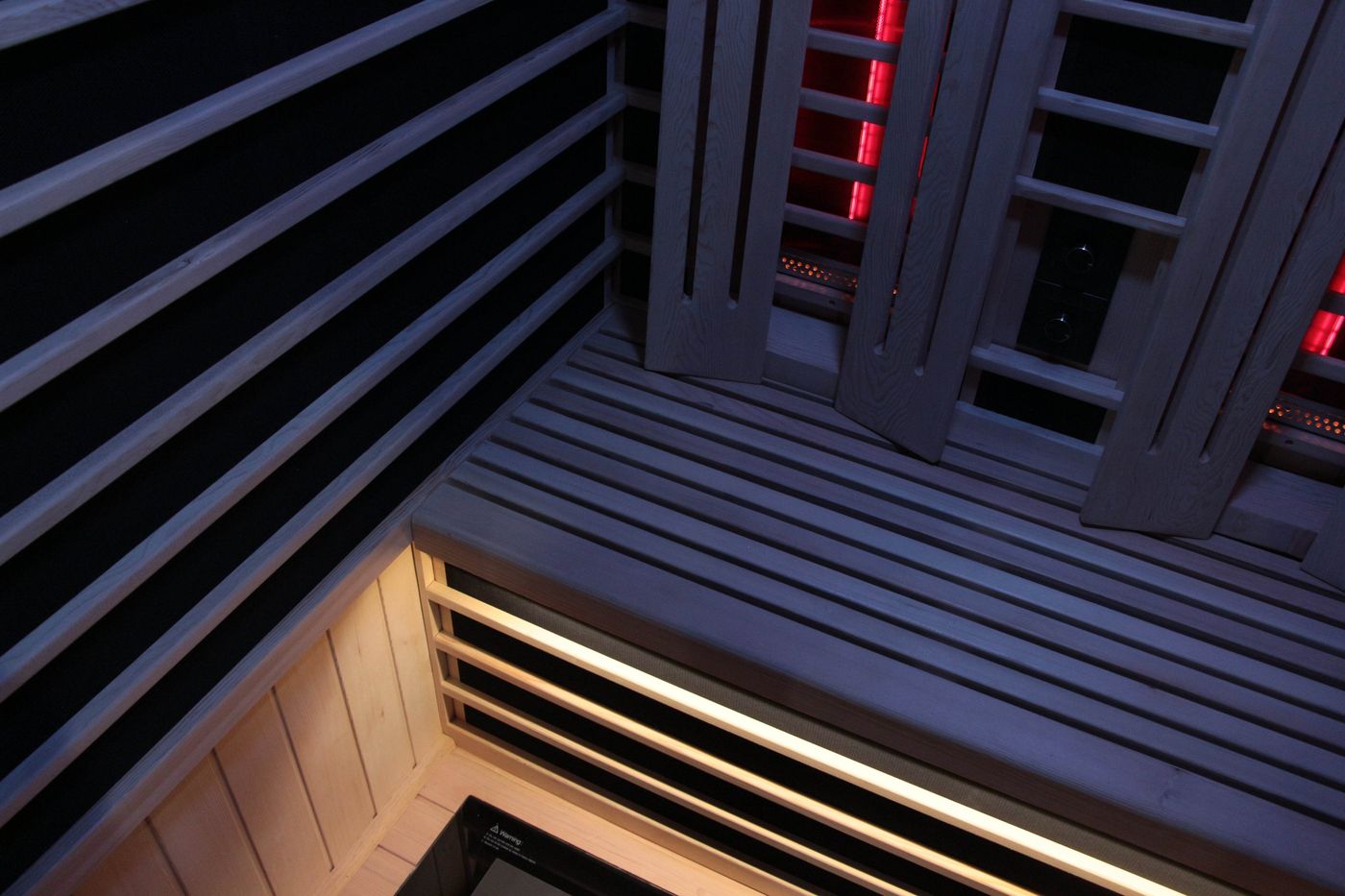
Red light therapy uses visible red light and sometimes invisible near-infrared light. Most devices emit wavelengths between 600 and 1000 nanometers. The light is low level, so it does not generate meaningful heat. This separates it from lasers used in surgery. The clinical term is photobiomodulation, or PBM. According to Cleveland Clinic, the light is thought to affect mitochondria, the energy centers inside cells. More cellular energy may help tissues repair and reduce oxidative stress. That is the core theory. Researchers are still working out the exact pathways.
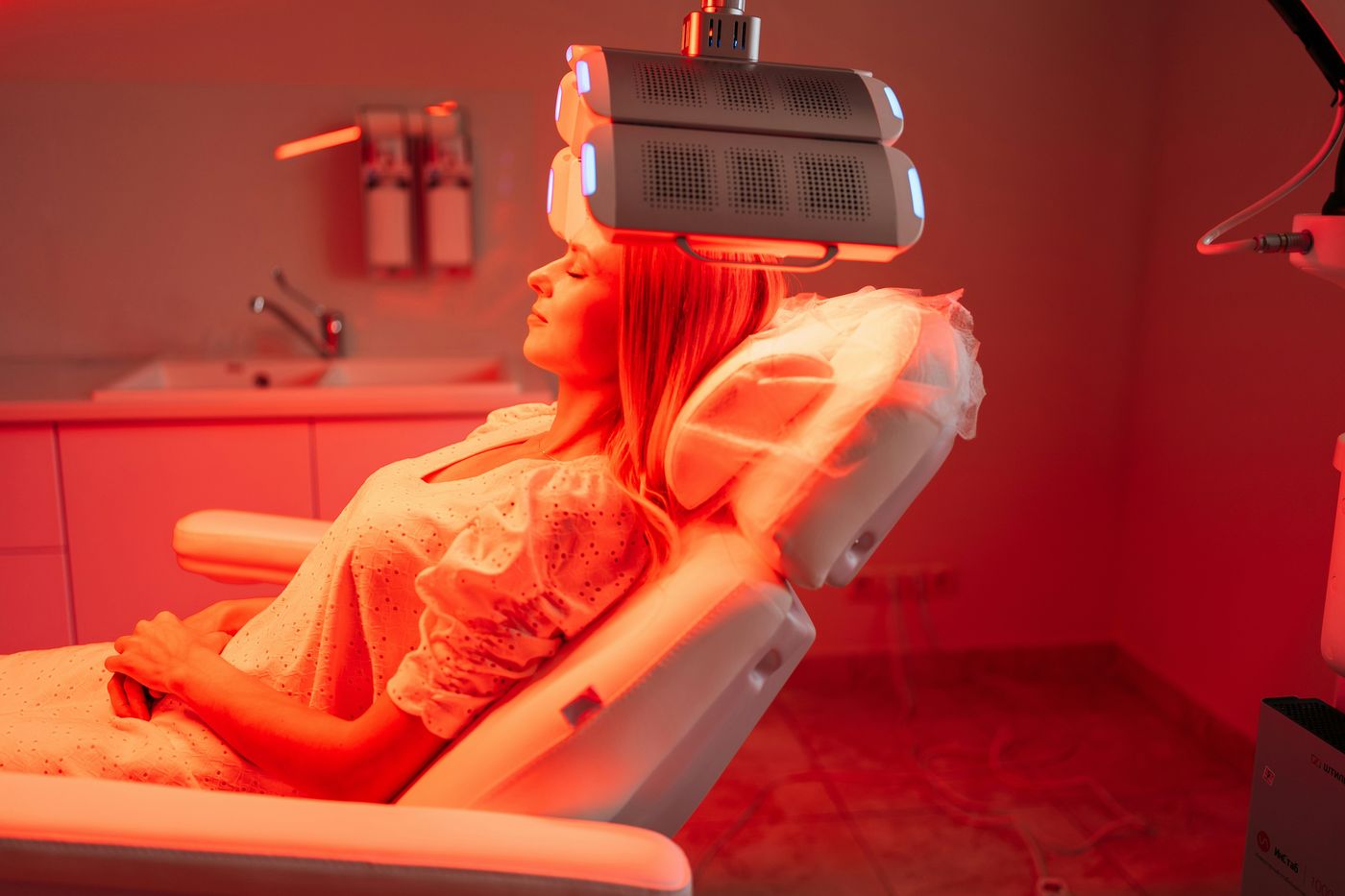
In a typical session, you sit or stand near a panel. The light reaches the skin and underlying tissue. Near-infrared light penetrates deeper than visible red light. That is why many devices combine both ranges. A session may last 5 to 20 minutes. Frequency ranges from a few times per week to daily. There is no single protocol that works for everyone. But researchers have tested specific wavelengths in controlled settings. You can find many peer-reviewed trials through the National Institutes of Health PubMed database. They often report outcomes for skin, muscle, and joints.
One important detail is dose. Light therapy is not just about time. It depends on wavelength, power density, and distance from the device. Too much light may not add benefit. Some studies suggest a biphasic response. Too little does nothing. A moderate dose helps. A very high dose may blunt the response. This is why home devices need clear instructions. It also explains why clinical devices can differ from budget panels. The basic mechanism is supported, but optimal dosing is still an open question.
- Red light wavelengths: 600 to 700 nanometers, mostly absorbed by skin.
- Near-infrared wavelengths: 800 to 1000 nanometers, penetrate deeper into muscle and joint tissue.
- Typical home session: 10 to 20 minutes, three to five times per week.
- Clinical treatments: may use higher irradiance for shorter duration.
What Does the Research Say About Skin Health and Collagen?
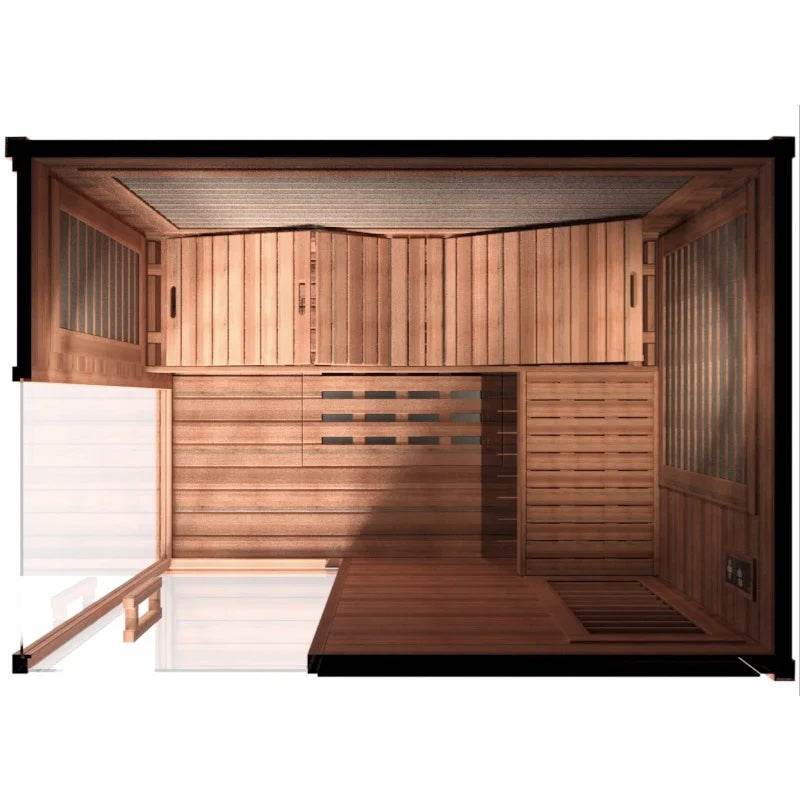
Skin health is the most studied area for red light therapy. Many trials focus on wrinkles, skin texture, and collagen density. One randomized controlled trial with 136 participants tested red light at home for 30 sessions. The researchers reported improvements in skin complexion and collagen density compared to baseline. You can read the study through PubMed. It was not fully blinded for every outcome. That matters because skin appearance can change with lighting, mood, and season. Still, the collagen finding is notable because it used ultrasound measurement.
Other studies have looked at red light for acne and skin inflammation. Blue light is more commonly used for acne bacteria. Red light may help with inflammation linked to breakouts. Some small trials suggest that red light combined with blue light reduces inflammatory acne lesions. The effect is modest. Harvard Health notes that low-level light treatments are generally safe, but anti-aging benefits are often variable. That is a fair summary. Results depend on the device, the dose, and the individual.
Collagen is a key protein for skin firmness. Red light may stimulate fibroblast activity. Fibroblasts are cells that produce collagen. The 136-person trial measured collagen density with ultrasound. Participants saw a statistically significant increase after treatment. However, the magnitude was not dramatic. For most people, red light works slowly. You may notice smoother skin after 8 to 12 weeks of consistent use. Pairing red light with good sun protection and hydration supports better results. We also discuss heat therapy and skin recovery in our infrared sauna guide. Infrared saunas use a different type of heat-based light.
Can Red Light Therapy Reduce Muscle Soreness After Training?
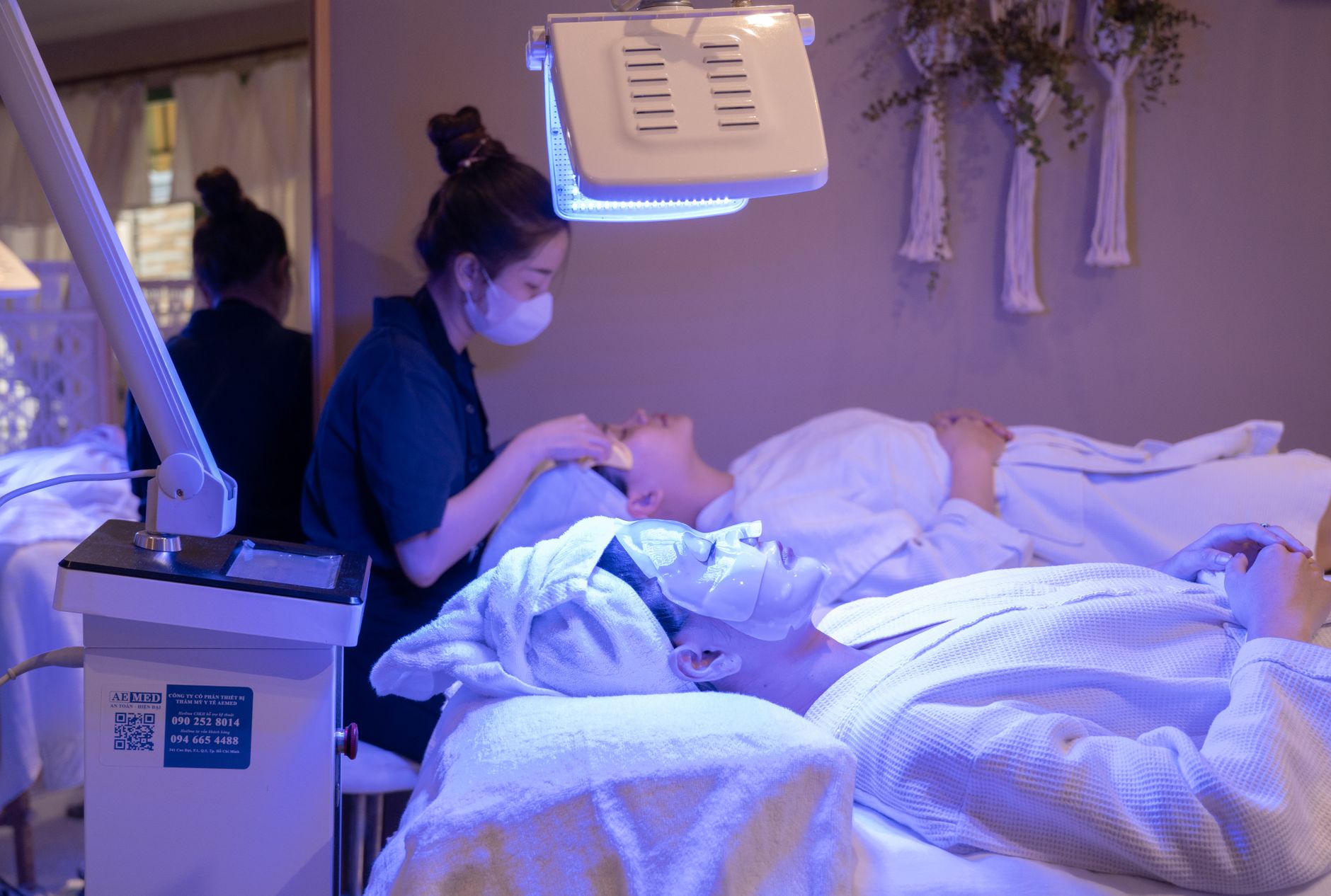
Athletes often use red light before or after exercise to reduce soreness. The research here is mixed but encouraging. A 2016 meta-analysis of 16 randomized trials looked at photobiomodulation for muscle performance and recovery. It found small but significant improvements in muscle function and reduced markers of muscle damage. The analysis is available on PubMed. The effect size was modest. That means red light may help, but it is not as powerful as sleep or proper training load. Many studies used specialized laser or LED devices in lab settings.
How might this work? Red and near-infrared light may improve mitochondrial respiration. That can support adenosine triphosphate, or ATP, production in muscle cells. More ATP may help muscles contract and repair. Some researchers also think light reduces oxidative stress after exercise. This is a demonstrated physiological response in cell and animal studies. Human trials are less consistent. Some show lower creatine kinase and less soreness. Others show no difference. Cleveland Clinic notes that light therapy for muscle recovery is an active research area, but not all devices meet clinical standards.
For cold plunge users, red light can be part of a stacked routine. Cold water immersion reduces perceived soreness through vasoconstriction and numbing. Red light targets cellular energy. They may be complementary. But do not assume that more tools always equal more benefit. Recovery is about balance. Read our guide on how often to cold plunge to avoid overloading your nervous system. If you add red light, keep a simple log. Track soreness, sleep, and performance. That will tell you more than any single study.
Does Red Light Therapy Support Joint Pain and Inflammation?
Joint pain is another common reason people try red light. The theory is that red and near-infrared light reduce local inflammation and support cartilage cell metabolism. Studies in knee osteoarthritis show mixed results. Some trials report less pain and better function. Others show no meaningful difference from a sham device. A 2019 systematic review indexed on PubMed concluded that photobiomodulation may reduce pain and improve function in knee osteoarthritis, but the quality of evidence was low to moderate. That means the signal is there, but we need larger trials.
Inflammation is complex. Red light does not work like ibuprofen. It is not a direct anti-inflammatory drug. Instead, it may modulate oxidative stress and cellular signaling. This can reduce some inflammatory markers in the treated area. But the effect depends on dose and depth. Superficial joints like the hands respond differently than deep hips. A handheld device may not reach a deep joint. A large panel with near-infrared wavelengths can penetrate further. That is why device specs matter. If you are managing a joint condition, talk to a clinician. Red light should support, not replace, prescribed care.
At PlungeHQ, we often see people combining red light with heat and cold. Sauna heat increases blood flow and may ease joint stiffness. Cold plunging reduces acute swelling. Red light may add a cellular-level support. But there is no single recovery tool that fixes chronic pain. A consistent routine, strength work, and medical guidance still matter. Compare your options before buying more gear. Focus on the basics first.
How Does Red Light Therapy Compare to Sauna and Cold Plunge Recovery?
Red light therapy, sauna, and cold plunge all support recovery, but through different pathways. Cold water immersion constricts blood vessels, reduces swelling, and dampens perceived soreness. The evidence for cold plunging is strongest for perceived recovery after intense exercise. Red light therapy targets mitochondria and may support tissue repair at the cellular level. Sauna and infrared heat increase circulation and may improve cardiovascular markers. They also promote relaxation. Each tool has a different role, so they can complement each other.
One key difference is heat. Traditional saunas use high ambient heat. Infrared saunas use light wavelengths that heat tissue more directly. Red light therapy panels use even lower power light and are not designed to heat you. This is a common source of confusion. An infrared sauna may include red light panels inside, but the main effect is still heat. A standalone red light panel does not make you sweat. If you want passive heat and cardiovascular conditioning, choose a sauna. If you want targeted light exposure without heat, choose red light.
Recovery stacking is popular. You might use a sauna in the evening and red light before bed. Or cold plunge in the morning and red light after training. There is no rigorous research proving a perfect stack. But there is also no evidence that using these tools together is harmful for healthy adults, provided you follow basic safety. Start with one tool. Master the basics. Then add another if your body responds well. Track how you feel and adjust.
Frequently Asked Questions
Is red light therapy safe for daily use?
Red light therapy is generally safe for healthy adults when used as directed. Most side effects are mild, like temporary redness or eye strain. Avoid staring at bright panels and follow the device manual. People with light sensitivity or certain medical conditions should check with a doctor first.
How soon can I expect results from red light therapy?
Some people notice less muscle soreness after one or two sessions. Skin changes usually take 8 to 12 weeks of consistent use. Joint comfort may take several weeks. Results depend on dose, device quality, and the condition being treated.
Can red light therapy replace cold plunging or sauna use?
No. Red light therapy targets cellular energy, while cold plunging and saunas alter circulation and body temperature. They are complementary. Red light does not create the same heat stress or cold shock response.
What wavelength is best for muscle recovery?
Near-infrared wavelengths between 800 and 850 nanometers penetrate deeper into muscle tissue. Red light around 660 nanometers is more surface oriented. Many recovery devices combine both ranges. The best dose depends on your goal and the device power.
Does red light therapy work through clothing?
Red and near-infrared light can pass through thin fabric, but clothing reduces the dose. For best results, expose clean bare skin to the light. Remove lotions or oils that may block absorption.
Are home red light therapy devices effective?
Some home devices can be effective if they deliver adequate power and wavelength. Budget panels may underdeliver. Look for devices that list irradiance and treatment distance. Clinical trials often use higher power than cheap consumer panels.
What Should You Remember?
- Red light therapy uses low-level red and near-infrared light to support cellular energy and tissue repair.
- Strongest evidence exists for skin texture and collagen, but improvements are often modest and gradual.
- Muscle recovery studies show small but significant reductions in soreness and muscle damage markers.
- Joint pain evidence is preliminary. It may help some people, but it is not a proven cure.
- Dose matters more than time alone. Wavelength, power, and distance change the outcome.
- Combine tools wisely. Red light can complement cold plunges and saunas, but it does not replace them.
- Home devices vary widely. Check irradiance, wavelength, and third-party testing before buying.
This article is for general information only and is not medical advice. Cold water immersion and sauna use can be risky for people with cardiovascular conditions, Raynaud’s disease, or who are pregnant. Always consult a physician before beginning cold therapy or heat therapy.