Most people know that a hot bath before bed can help you feel sleepy, but fewer consider the opposite: a deliberate cold plunge. Sleep depends heavily on a drop in core body temperature that begins in the evening and continues into the early part of the night. When that temperature drop is delayed or blunted, falling asleep can feel harder and nighttime wake-ups can become more frequent. Cold water immersion is one way to give that natural cooling process a nudge. The key is understanding how to time and pace the plunge so it supports sleep instead of leaving you alert.
Cold plunging is best known for muscle recovery and mood, but interest in its sleep effects has grown. A brief cold plunge can lower skin and core temperature, trigger a release of norepinephrine, and create a parasympathetic rebound after you step out. These shifts may help some people fall asleep faster and feel more rested. However, the research is still emerging, and the benefits depend on water temperature, duration, and how close to bedtime you plunge. This guide breaks down what the evidence says, what is plausible, and how to apply it safely.
We will cover how cold plunging affects sleep quality, what timing and temperature ranges are most practical, and who should be cautious. You will also find links to deeper guides on cold plunge benefits and safe beginner protocols throughout. Whether you are new to cold exposure or already own a tub, the goal is to help you use cold water as a sleep tool without overdoing it. A consistent evening plunge routine may become one part of your broader sleep hygiene, but it should not replace basic habits like a regular bedtime and a cool, dark bedroom.
| Variable | Sleep-Oriented Recommendation | Why It Matters |
|---|---|---|
| Timing | Late afternoon or early evening, 1-2 hours before bed | Allows core temperature to drop after the initial cold shock |
| Water temperature | 50-60°F (10-15°C) | Cold enough to trigger parasympathetic rebound without excessive shivering |
| Duration | 2-5 minutes total; 1-2 minutes for beginners | Long enough for cooling response, short enough to avoid prolonged stress |
| Frequency | 2-4 sessions per week | May support consistent sleep adaptation without overstressing recovery |
| Contraindications | Avoid if you have uncontrolled heart disease, Raynaud’s, or cold urticaria | Cold shock can raise blood pressure and heart rate |
How Does Cold Plunging Affect Sleep Quality?

Your body runs on a daily temperature rhythm. Core temperature rises during the afternoon and then falls by roughly 0.5 to 1 degree Celsius in the hours before sleep. That natural cooling signal helps the brain shift into sleep mode. Cold water immersion speeds up the cooling process from the outside in. When you enter cold water, blood vessels in the skin constrict and blood moves toward the core. When you step out, the surface vessels open again and heat leaves the body, which can deepen the post-plunge drop in core temperature. For many people, this is the main sleep-relevant effect.
Cold plunging also changes the nervous system. The cold shock activates the sympathetic nervous system and releases norepinephrine. Research indexed on PubMed suggests that cold water immersion can raise norepinephrine levels by 200 to 300 percent in some cases. That sounds counterproductive for sleep, but the effect is time-dependent. Shortly after the plunge, the body often rebounds toward parasympathetic activity. Heart rate and breathing slow, and some people report a calm, heavy feeling that resembles the pre-sleep state.
The connection to sleep quality is still being studied. Many users report fewer nighttime awakenings and a deeper feeling of rest after regular evening plunges. Some small trials have noted improvements in subjective sleep quality after cold water immersion, but objective sleep architecture changes are less consistent. For now, the evidence supports a plausible physiological pathway rather than a guaranteed result. If you want a broader look at how cold water therapy supports recovery and mood, see our cold plunge benefits guide.
What Does the Research Say About Cold Water Immersion and Sleep?
Most sleep research on temperature has used warm water rather than cold water. A well-known line of evidence shows that a warm bath 1 to 2 hours before bed can reduce the time it takes to fall asleep by about 10 minutes in some studies. The mechanism is indirect: the warm bath brings blood to the skin, and after you leave the bath, heat dissipates and core temperature drops more sharply. Harvard Health describes a similar cooling effect as one reason evening body temperature matters for sleep. Cold plunging may provide a more direct version of that cooling signal, but controlled studies are fewer.
What exists suggests that cold water immersion after exercise may improve how people rate their sleep, even if laboratory sleep stages do not shift dramatically. One small crossover trial found that participants who did cold water immersion at 14 degrees Celsius in the evening reported less restless sleep than those who did passive recovery. Another study reported a core temperature reduction of a few tenths of a degree Celsius that lasted long enough to overlap with the early sleep window. These are modest effects, and the research base is still small. You can browse the peer-reviewed literature on PubMed to track newer trials.
The 200 to 300 percent increase in norepinephrine is one of the more consistent physiological findings in cold exposure research. Norepinephrine can make you feel alert, which is why timing matters. If you plunge too close to bed, the alerting effect may outweigh the cooling effect. That is why the practical guidance in this article leans toward finishing your plunge well before lights out. The evidence is not strong enough to say that cold plunging treats insomnia or replaces sleep hygiene. It is best viewed as an adjunct that may work for some people.
What Is the Best Time of Day to Cold Plunge for Sleep?

Morning cold plunges have real benefits for alertness and mood, but they are less directly tied to nighttime sleep. The late afternoon or early evening window tends to line up with the body’s natural temperature rhythm. Core temperature peaks in the late afternoon and then begins its evening decline. A cold plunge at that time can speed up the decline and amplify the cooling signal that prepares the brain for sleep. Many people find that plunging between 4 p.m. and 7 p.m. works well.
Exercise timing also matters. If you train in the evening, a short cold plunge after your workout may help bring your core temperature down faster than sitting in a warm gym. That cooling effect can be useful because evening exercise can delay the natural temperature drop. However, intense exercise and cold plunging both activate the sympathetic nervous system, so you should still allow a buffer before bed. For more on frequency and workout timing, see how often you should cold plunge.
The worst timing for many people is immediately before bed. A cold plunge right before you lie down can leave you shivering, alert, and mentally wired. The norepinephrine surge can feel like a mild stress response, even if it later fades. If you only have time late at night, use warmer water, keep the plunge very short, and follow it with a gradual rewarming rather than a hot shower. You may also want to compare a morning plunge for overall sleep quality over two weeks. Individual responses vary more than social media makes it seem.
What Water Temperature and Duration Support Sleep?
For sleep, the goal is not to be as cold as possible. Most practitioners and beginners do well in the 50 to 60 degrees Fahrenheit range, which is about 10 to 15 degrees Celsius. This is cold enough to trigger the cooling and parasympathetic response without causing prolonged shivering or a large adrenal spike. If you are new, start closer to 60 degrees Fahrenheit and spend one to two minutes in the water. If you already cold plunge regularly, you may prefer the lower end of that range for two to five minutes. More detail on temperature ranges is available in our cold plunge temperature guide.
Duration matters as much as temperature. A very short plunge may not produce a meaningful cooling response, while a very long plunge may leave you chilled and uncomfortable at bedtime. For sleep-oriented sessions, two to five minutes is a common target. Beginners should build up slowly and focus on calm breathing rather than chasing a specific number. Our beginner cold plunge protocol walks through the first weeks of acclimation.
Some people wonder whether an ice bath works better than a cold plunge. In practice, both involve cold water immersion, but ice baths tend to run colder and require more setup. You can read about the differences in our cold plunge vs ice bath comparison. For sleep, the difference between 40 degrees Fahrenheit and 55 degrees Fahrenheit is less important than finishing the session at a time that lets your body settle. Choose a temperature you can tolerate with slow, controlled exhales.
How Close to Bedtime Should You Cold Plunge?
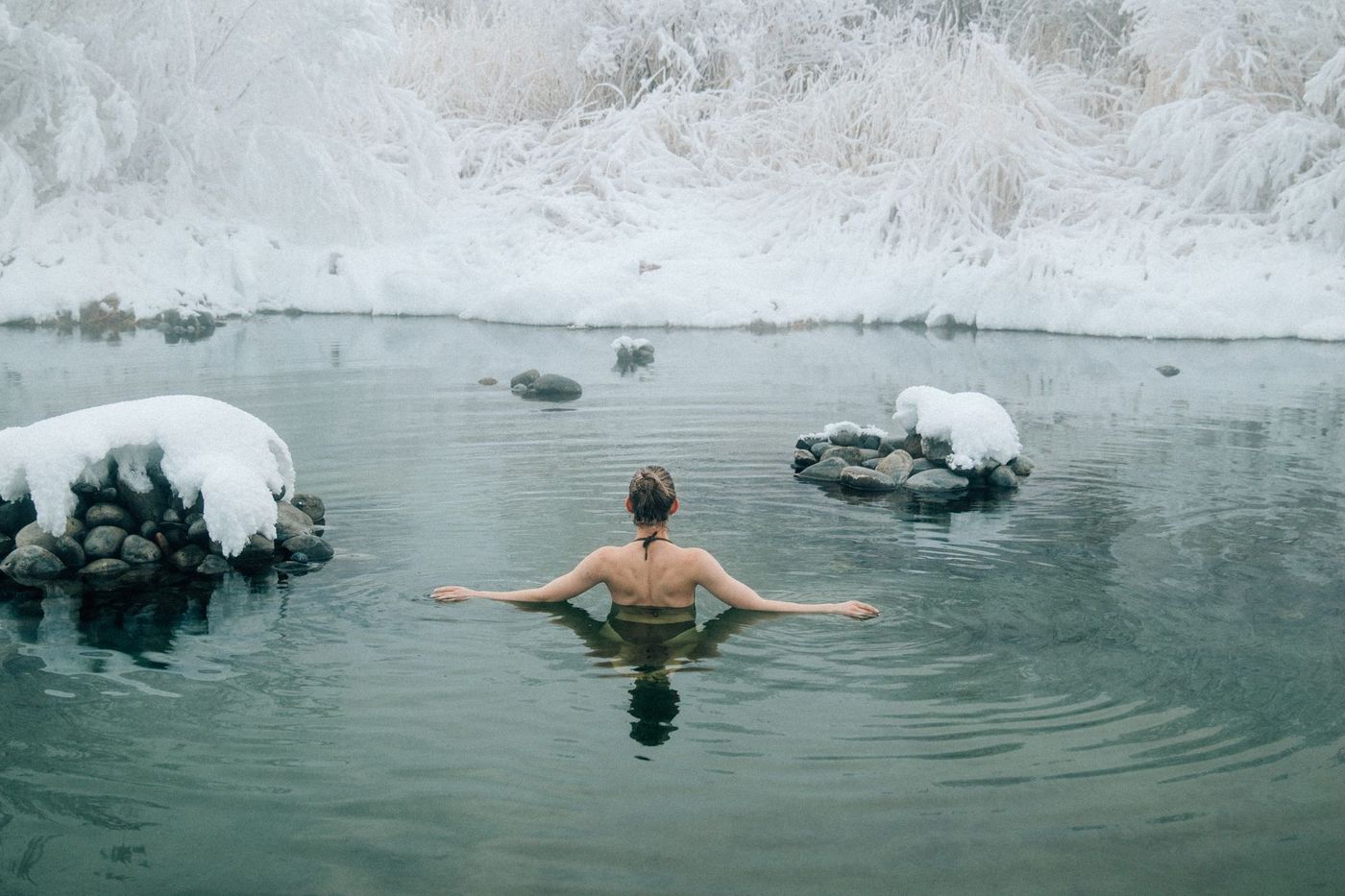
The most commonly recommended window is to finish your cold plunge one to two hours before bed. That gives the initial cold shock time to fade and allows the rebound cooling and parasympathetic shift to develop. If you finish at 9 p.m. and aim to sleep at 10:30 p.m., your body may be in a calmer, cooler state by lights out. Some people need closer to three hours, especially if cold exposure makes them feel wired. Others can plunge 45 minutes before bed and sleep well. Your own response is the best guide.
Why does the buffer matter? During the plunge, your body releases stress hormones and increases alertness. That is useful earlier in the day but problematic right before sleep. After you step out and dry off, heart rate variability often improves and core temperature continues to fall. This rebound effect may be more sleep-promoting than the cold exposure itself. If you plunge too close to bed, you risk lying down during the alerting phase rather than the calming phase.
To test your personal window, track how long it takes you to fall asleep on nights after a plunge and how you feel in the morning. Start with a two-hour buffer, then adjust earlier or later in 30-minute increments. Also consider your bedroom environment. A cold plunge cannot overcome a hot room, a bright screen, or a noisy space. Use the plunge as one layer of sleep support, not a replacement. For guidance on how to avoid cold exposure mistakes, see our cold plunge safety guide.
Who Should Approach Cold Plunging for Sleep With Caution?
Cold plunging causes a strong cardiovascular response. Blood pressure and heart rate rise sharply when you enter cold water. For most healthy people, this resolves quickly, but it can be risky if you have uncontrolled hypertension, heart disease, or a history of arrhythmias. Cleveland Clinic recommends checking with a healthcare provider before starting cold water immersion if you have cardiovascular concerns. The same applies to people with Raynaud’s disease, cold urticaria, or nerve damage that affects temperature sensation.
Pregnant people should also be cautious with cold exposure, especially in later pregnancy, because blood pressure and thermoregulation already shift. If you have a diagnosed sleep disorder such as obstructive sleep apnea or chronic insomnia, cold plunging is not a treatment. It may help you feel calmer, but it should not delay a proper evaluation. The Mayo Clinic offers guidance on sleep disorders and when to seek medical advice.
Finally, use common sense around shivering. Shivering is a sign that your body is working hard to stay warm, and it can raise core temperature and disturb the sleep you are trying to improve. If you are shivering long after a plunge, shorten the duration, raise the temperature, or move the session earlier. Cold plunging should feel challenging but manageable. The safest approach is to build your routine gradually and pay attention to how you feel over the following nights.
Frequently Asked Questions
Can a cold plunge replace sleep medication?
No. Cold plunging may support relaxation and core cooling, but it is not a medical treatment for insomnia or sleep disorders. Talk to your doctor before changing any prescribed sleep medication.
How cold should the water be for sleep?
A practical range is 50 to 60 degrees Fahrenheit. Beginners should start near 60 degrees for one to two minutes. Colder is not automatically better for sleep.
Is a morning cold plunge better than an evening one?
Morning plunges can improve alertness, but evening plunges may align better with the body’s natural pre-sleep temperature drop. Many people prefer late afternoon or early evening.
Can I cold plunge right before bed if I feel hot?
It is usually better to finish one to two hours before bed. A plunge immediately before bed can leave you alert or shivering, which may delay sleep even if you felt hot beforehand.
How often should I cold plunge to notice sleep changes?
Two to four sessions per week is a reasonable starting point. Some people notice subjective sleep improvements within one to two weeks, but individual responses vary.
Do I need a sauna after a cold plunge for sleep?
No. A sauna can feel relaxing, but adding heat close to bedtime may raise core temperature and work against the cooling signal you want for sleep. If you use one, allow extra time to cool down.
What Should You Remember?
- Core temperature drop: Finish your plunge one to two hours before bed so the post-plunge cooling response can support sleep onset.
- Best timing: Late afternoon or early evening is more sleep-friendly than right before bed for most people.
- Water range: Use 50 to 60 degrees Fahrenheit for two to five minutes; beginners can start at 60 degrees for one to two minutes.
- Autonomic rebound: The calming effect often comes after the initial cold shock, so do not judge the first 30 seconds.
- Frequency: Two to four sessions per week may improve subjective sleep quality more than occasional extreme plunges.
- Track your response: Record sleep latency, night awakenings, and morning energy for two weeks to find your best window.
- Safety first: Clear cold plunging with a doctor if you have heart disease, Raynaud’s, cold urticaria, or are pregnant.
This article is for general information only and is not medical advice. Cold water immersion and sauna use can be risky for people with cardiovascular conditions, Raynaud’s disease, or who are pregnant. Always consult a physician before beginning cold therapy or heat therapy.