Cold plunging is no longer fringe. Athletes, trainers, and wellness enthusiasts use cold water to reduce soreness and sharpen focus. But one detail matters more than ice volume: water temperature. A plunge at 65°F feels different from one at 40°F. Your body responds differently too. The goal is enough cold to trigger recovery signals without overwhelming your nervous system. This guide covers the optimal cold plunge temperature for recovery, based on clinical guidance and peer reviewed research.
The most commonly recommended recovery range is 50°F to 59°F (10°C to 15°C). That range appears in clinical guidance and athlete protocols. It is cold enough to constrict blood vessels, reduce inflammation signaling, and lower tissue temperature. It is also warm enough to avoid the sharpest cold shock response. But individual tolerance, health status, and training load matter. A temperature that helps one person may be too intense for another. That is why the guide includes progressions.
We will answer key questions about cold plunge temperature. What does the research say? How long should you stay in? When is water too cold? How does temperature compare with ice baths and saunas? You will also find a comparison table and FAQ. Whether you are new or experienced, the information here will help you set your tub with confidence.
| Temperature Range | Who It Is For | Typical Duration | Key Notes |
|---|---|---|---|
| 39°F to 44°F (4°C to 7°C) | Experienced users only | 30 to 90 seconds | Intense cold shock; not needed for most recovery |
| 45°F to 49°F (7°C to 9°C) | Intermediate users | 1 to 3 minutes | Strong vasoconstriction; use after very hard sessions |
| 50°F to 59°F (10°C to 15°C) | Most healthy adults | 2 to 10 minutes | Optimal recovery range; balance of benefit and risk |
| 60°F to 65°F (16°C to 18°C) | Beginners and lighter days | 5 to 15 minutes | Gentler cold stimulus; good for adaptation |
What Is the Optimal Cold Plunge Temperature for Recovery?
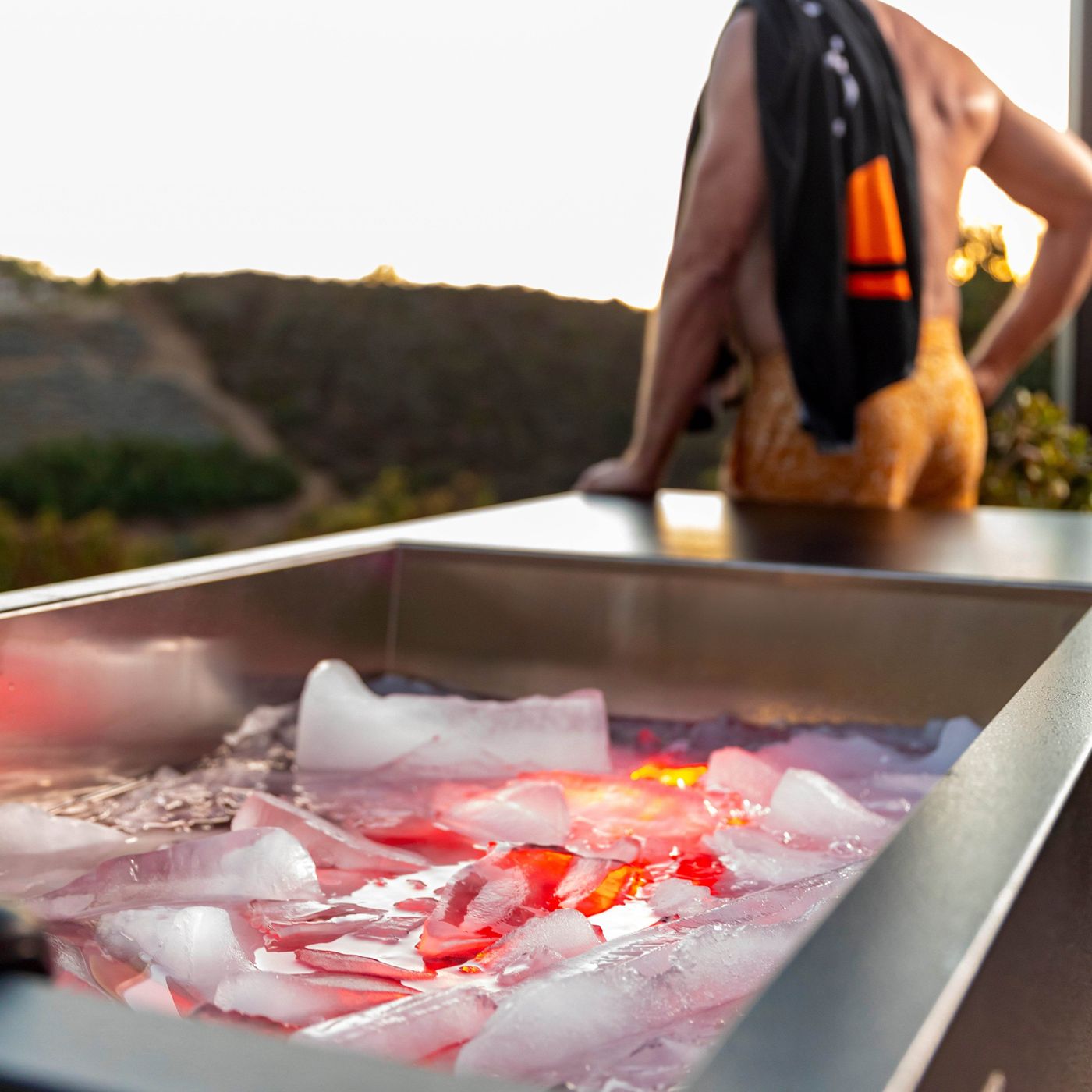
Most clinical guidance points to 50°F to 59°F (10°C to 15°C) as the sweet spot for post-exercise recovery. The Cleveland Clinic notes that cold plunge or ice bath sessions typically range from 50 to 59 degrees Fahrenheit and last 10 to 15 minutes, although beginners may need less. This range lowers skin and muscle temperature enough to reduce perceived soreness without requiring extreme cold. It also allows a longer session than near-freezing water, which can trigger faster cold shock and make breathing control harder.
A 2012 Cochrane review of cold water immersion for muscle soreness found that post-exercise cold water immersion reduced perceived soreness by about 20 percent at 24 to 96 hours compared with passive recovery. The interventions in those studies often used water between 10°C and 15°C. That aligns with the practical range many recovery coaches use. The review did not establish one exact degree as best, but the pattern supports a moderate cold range over ice water extremes.
If you have a precise target, 55°F (13°C) is a reasonable default. It sits in the middle of the optimal band. Some athletes prefer 50°F after hard leg days, while others choose 59°F for daily maintenance. Your perceived effort matters. The water should feel very cold but still allow controlled nasal breathing within 15 to 30 seconds. If you are gasping, shivering hard, or losing control, the water is too cold for your current adaptation.
- 50°F to 59°F (10°C to 15°C) for most recovery goals
- 55°F (13°C) as a balanced default
- Start at 59°F if you are new
- Prioritize controlled breathing over a lower number
How Does Cold Plunging Affect Muscle Recovery?
Cold water causes blood vessels in the skin and muscles to constrict. This reduces blood flow to the cooled area. After you exit, the body rewarms and blood flow increases. That flushing effect may help clear metabolic byproducts. However, the exact recovery mechanism is still debated. Some research suggests cold water immersion reduces muscle soreness by lowering tissue temperature and slowing inflammatory signaling. It may also reduce nerve conduction velocity, which can temporarily lower pain perception. For a broader look at the evidence, read cold plunge benefits.
A widely cited study indexed on PubMed found that immersion in 14°C (57°F) water for one hour increased norepinephrine by 530 percent and dopamine by 250 percent. These neurotransmitters are linked to alertness, mood, and pain modulation. That study used a longer exposure than typical recovery protocols, so it is not a direct prescription. But it shows that cold water can trigger strong hormonal responses even in the upper part of the optimal temperature range. Other research shows even shorter cold plunges may improve self-reported energy and focus.
For muscle soreness, the Cochrane review remains a key reference. It reported that cold water immersion reduced delayed onset muscle soreness by about 20 percent compared with passive recovery after exercise. The effect was measured across multiple follow-up periods. That is meaningful but modest. Cold plunging is not a replacement for sleep, nutrition, or gradual training progression. It is one tool. Using the right temperature can help you get that benefit with less stress.
- Vasoconstriction reduces local blood flow during immersion
- Rewarming increases blood flow after exiting
- Cold may reduce pain signaling and perceived soreness
- Hormonal responses include norepinephrine and dopamine release
What Temperature Ranges Are Too Cold or Too Warm?
Water below 45°F (7°C) is very cold for most people. It produces intense cold shock, rapid breathing, and a large spike in heart rate and blood pressure. The Mayo Clinic warns that sudden cold water immersion can cause dangerous cardiovascular responses in susceptible individuals. For recovery, you do not need near-freezing water. The added risk usually outweighs any extra benefit. If you see ice forming on the surface or your tub reads under 40°F, warm it up or shorten the plunge to under one minute only if you are highly experienced and cleared by a doctor.
At the other end, water above 65°F (18°C) may not be cold enough to produce a strong recovery response. It can still be refreshing and may support active recovery, but it will not lower muscle temperature as quickly. The optimal band is often quoted as 50°F to 59°F, but some coaches accept 60°F to 65°F for beginners or as a taper week option. The key is your own perception. A 60°F plunge can be useful if it still makes you breathe faster and want to get out. If it feels like a cool pool, the recovery stimulus is likely weaker.
People with cardiovascular disease, Raynaud’s syndrome, or uncontrolled high blood pressure should be cautious at any cold temperature. Check with a healthcare provider before starting. Even healthy beginners should read our cold plunge safety guide for beginners before dropping the temperature. The goal is a controlled stressor, not a shock.
- Below 45°F: high cold shock risk, only for experienced users with caution
- 50°F to 59°F: optimal for most recovery sessions
- 60°F to 65°F: beginner-friendly or lighter recovery
- Above 65°F: less effective for muscle recovery
How Long Should You Stay at Each Temperature?
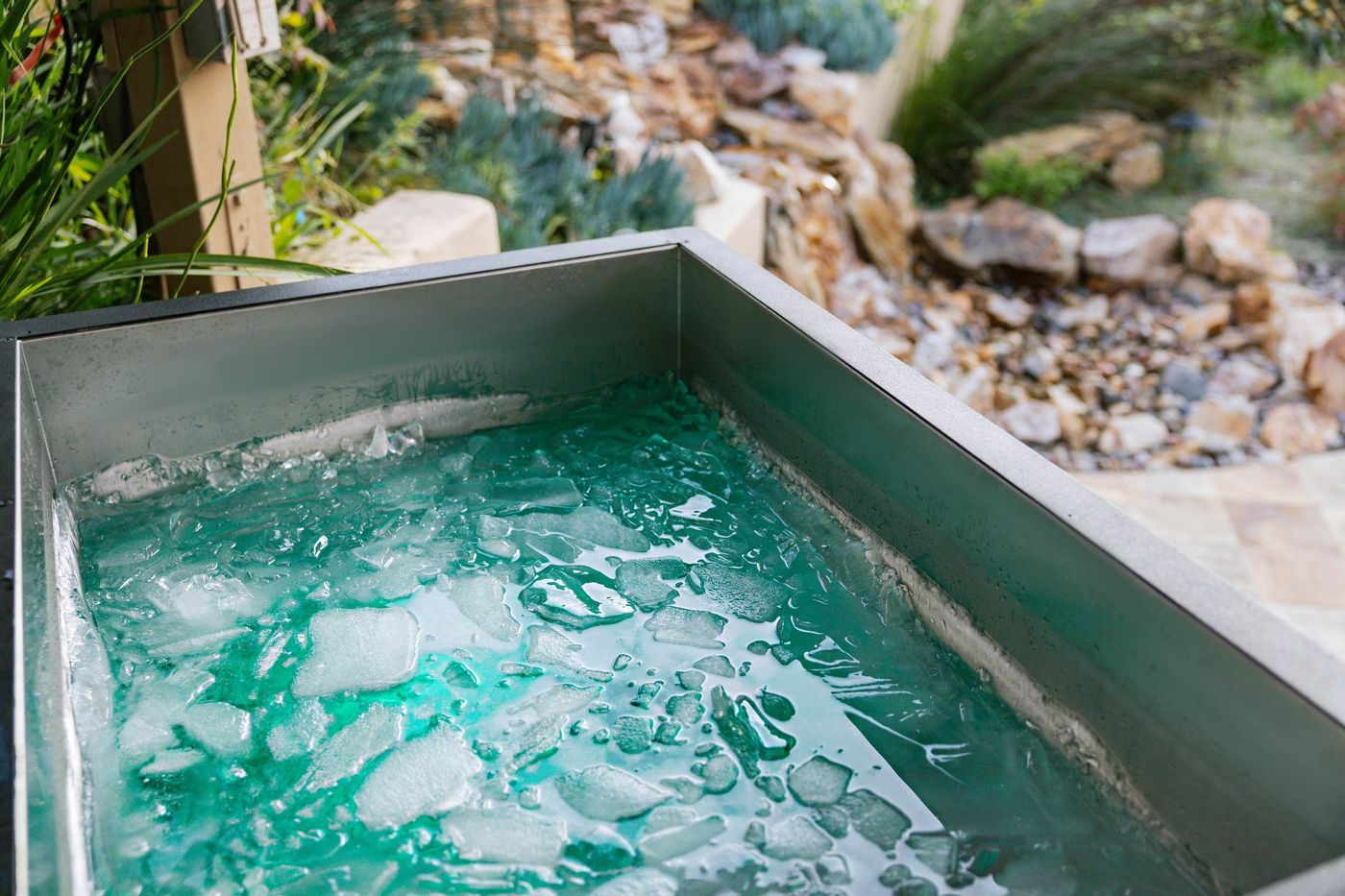
Duration depends on water temperature and experience. In the optimal 50°F to 59°F range, most healthy adults can start with 1 to 3 minutes. Over weeks, you might progress to 5 to 10 minutes. Clinical guidance often cites 10 to 15 minutes for ice baths, but that is not necessary for everyone. Longer is not always better. The body’s cold stress rises with time. If you are shivering uncontrollably, get out. Our cold plunge protocol for beginners has a step by step progression.
In colder water, keep sessions very short. At 45°F to 49°F, one to three minutes is enough for most. At 39°F to 44°F, even one minute can be intense. In milder water around 60°F to 65°F, you can often stay longer, sometimes 10 to 15 minutes, but the recovery stimulus is less potent. The table below summarizes temperature bands, who they are for, and typical duration. Use it as a starting point, not a rigid rule.
Frequency matters too. Many people ask how often they should plunge. For general recovery, 2 to 4 sessions per week is common. Some athletes use daily cold plunges after hard sessions. But daily use may interfere with strength adaptations if done immediately after lifting. For a more detailed look at cadence, see how often to cold plunge. Temperature and frequency should match your training load. On light recovery days, a warmer and shorter plunge is enough.
- 50°F to 59°F: 2 to 10 minutes for adapted users
- 45°F to 49°F: 1 to 3 minutes
- 39°F to 44°F: under 2 minutes, advanced only
- 60°F to 65°F: 5 to 15 minutes for lighter stimulus
Should Beginners Use a Different Cold Plunge Temperature?
Yes. Beginners should start warmer, around 58°F to 60°F (14°C to 16°C). That is cool enough to be uncomfortable but less likely to trigger panic. The first goal is breath control. Get in, exhale slowly, and try to breathe through the nose. If you cannot control your breathing after 20 seconds, the water is too cold for now. You do not need to prove anything. A structured beginner progression can help, but the core rule is simple: start warmer and build slowly.
Over 10 to 14 sessions, you can lower the temperature by one or two degrees each week. Many people reach the 50°F to 55°F range within a month. Others stay near 58°F for months. Both are fine. Adaptation is driven by consistency, not by suffering. A 2022 narrative review in the International Journal of Environmental Research and Public Health noted that individualized cold exposure protocols may improve adherence and safety, while extreme protocols often lead to dropout. That is why a temperature you can tolerate repeatedly is often better than a shock you dread.
If you build a DIY tub, you can control temperature with a chest freezer conversion. But if you prefer a ready-made tub, check best cold plunge tubs 2026. Either way, start at the warm end of the range and use a thermometer. Guessing by feel can be misleading, especially when outdoor temperatures change.
- Start at 58°F to 60°F
- Lower by 1°F to 2°F per week if breathing stays controlled
- Consistency beats extreme cold
- Always use a thermometer
How Does Cold Plunge Temperature Compare with Ice Baths and Saunas?
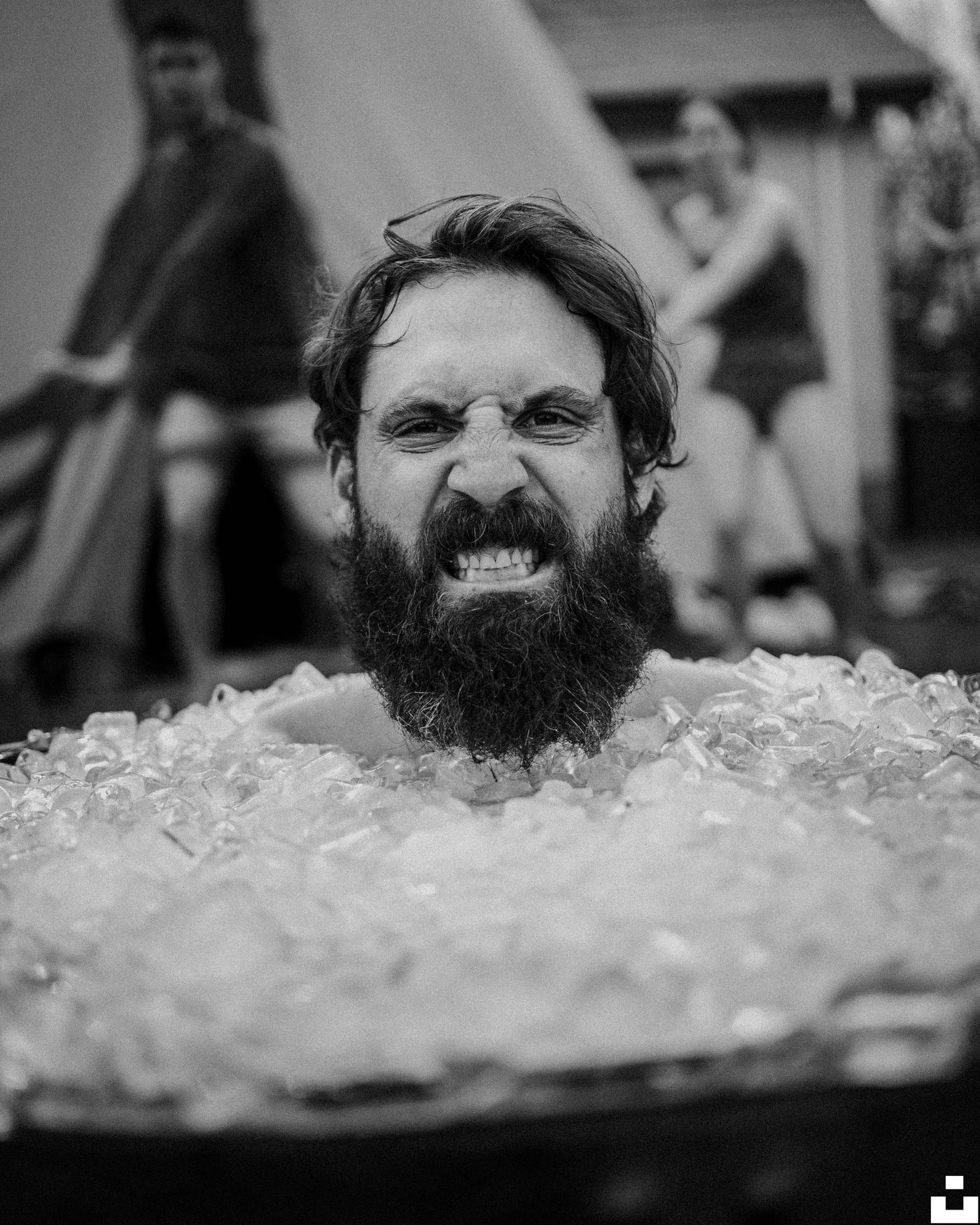
Cold plunge and ice bath are often used interchangeably, but there is a difference. An ice bath is usually a tub filled with water and ice, often around 50°F to 59°F once the ice melts. A cold plunge tub can be mechanically chilled and held at a consistent temperature. That consistency helps you avoid temperature drift. For a more complete breakdown, read cold plunge vs ice bath. The same temperature principles apply to both. The optimal recovery range remains roughly 50°F to 59°F.
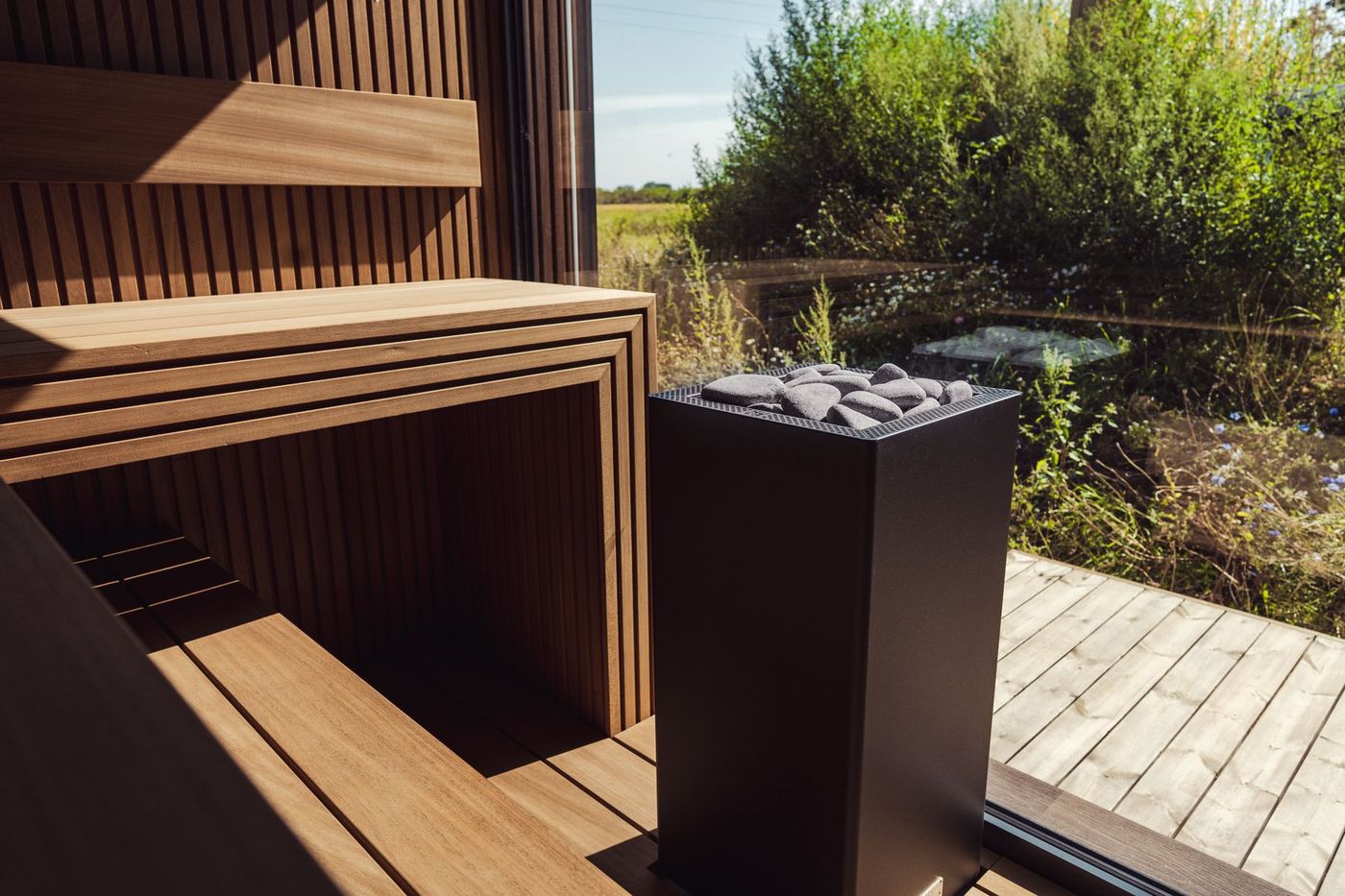
Saunas and cold plunges often appear together in contrast therapy routines. Heat dilates blood vessels and raises skin temperature. Cold then constricts vessels and drops skin temperature. The swing can feel invigorating, but the recovery benefits of contrast therapy are still preliminary. A typical protocol alternates 10 to 15 minutes in a sauna with 1 to 2 minutes in cold water. If you are pairing them, use a cold plunge near 55°F to 59°F rather than ice water. That is usually enough after heat.
The key difference is heat versus cold. Sauna therapy has its own evidence for cardiovascular and mood benefits, often at temperatures of 170°F to 190°F. Cold plunge recovery centers more on muscle soreness and perceived recovery. Combining them does not multiply the temperature effect. It creates a sequence of physiological stress and recovery. If your main goal is muscle recovery, keep the cold plunge in the optimal range and use the sauna as a separate relaxation or cardiovascular tool.
- Ice baths rely on ice; cold plunges use mechanical cooling
- Contrast therapy alternates heat and cold
- Use 55°F to 59°F for contrast routines
- Sauna and cold have different primary benefits
Frequently Asked Questions
What is the best cold plunge temperature for muscle recovery?
Aim for 50°F to 59°F (10°C to 15°C). This range reduces muscle soreness and supports recovery without the extreme cold shock of near-freezing water.
Can I cold plunge at 40°F?
Yes, if you are experienced and have no cardiovascular concerns. Limit it to under one minute and watch for gasping or loss of breath. Most people do not need water that cold for recovery.
How long should I stay in a 55°F cold plunge?
Start with 1 to 3 minutes. Over weeks, you may build up to 5 to 10 minutes if you can keep your breathing controlled. Get out if you start shivering hard or feel dizzy.
Is 60°F too warm for a cold plunge?
60°F can work for beginners or light recovery days. It is less potent than 50°F to 59°F but still provides a cold stimulus. If it feels like a cool pool, lower the temperature gradually.
Should I cold plunge before or after a workout?
For acute muscle soreness, use cold plunge after exercise. Avoid cold immersion immediately before strength training because it can temporarily reduce muscle power. Separate strength training and cold plunges by a few hours if possible.
How often can I use the optimal recovery temperature?
Most people can use it 2 to 4 times per week. Daily use is possible, but pay attention to sleep, mood, and soreness. If you feel drained, reduce frequency or shorten sessions.
What Should You Remember?
- Optimal range: Aim for 50°F to 59°F (10°C to 15°C) for most recovery sessions.
- Start warmer: Beginners should begin near 59°F and lower by 1°F to 2°F per week.
- Watch duration: Limit colder plunges to 1 to 3 minutes; extend only with controlled breathing.
- Use a thermometer: Do not guess; outdoor conditions and tub settings shift temperature.
- Respect cold shock: Below 45°F adds risk without much extra recovery benefit for most people.
- Pair wisely: Use 55°F to 59°F in contrast therapy and avoid very cold water after heat if you are new.
- Consistency wins: A tolerable protocol done 2 to 4 times per week beats an extreme one you skip.
This article is for general information only and is not medical advice. Cold water immersion and sauna use can be risky for people with cardiovascular conditions, Raynaud’s disease, or who are pregnant. Always consult a physician before beginning cold therapy or heat therapy.