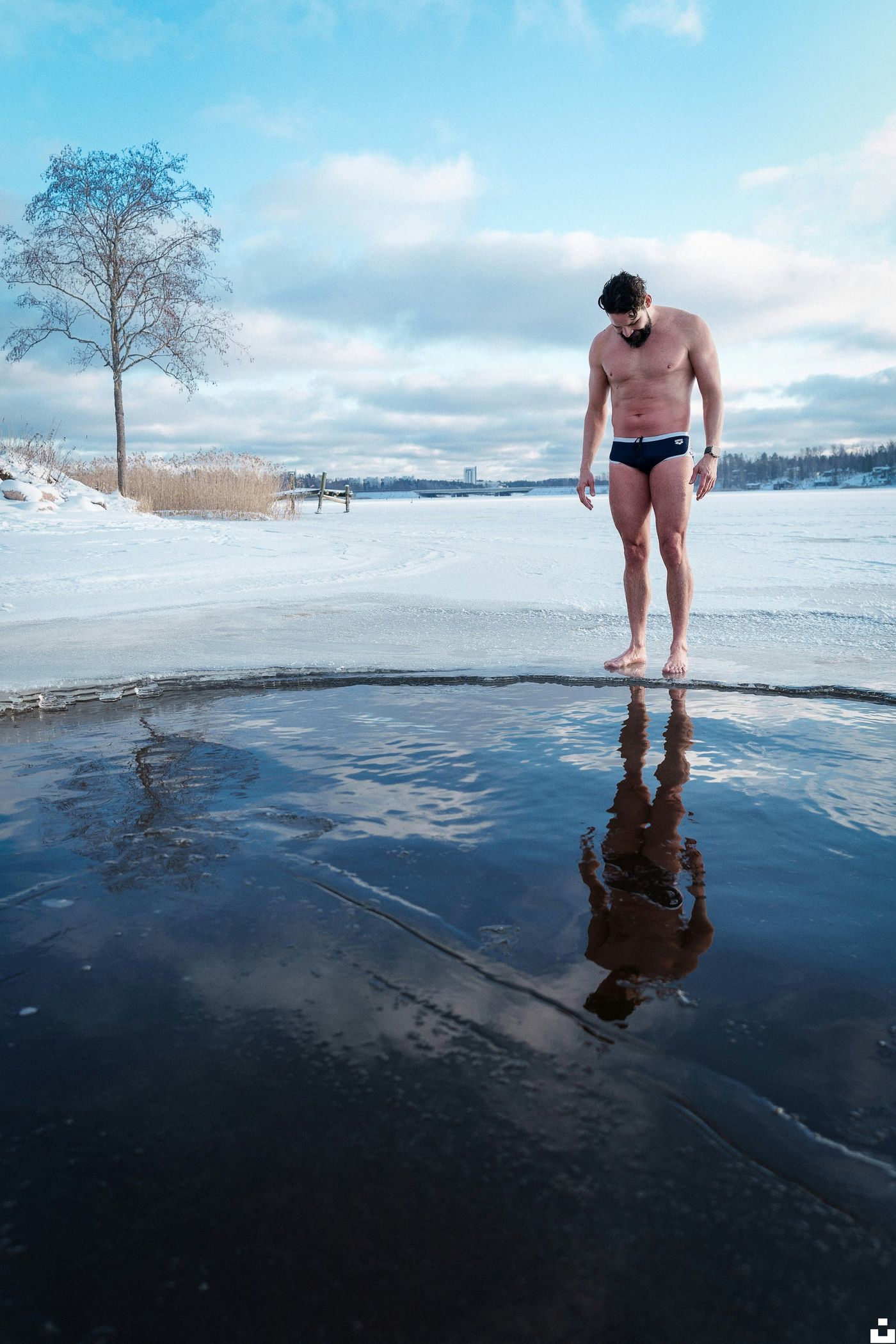
Cold plunging has moved from a fringe recovery habit into mainstream fitness. Many people now use a cold plunge tub at home or at the gym after hard sessions. The timing question keeps coming up: should you cold plunge before or after a workout? Before training can feel invigorating, but it may cool muscles too much. After training can reduce soreness, but it may interfere with strength adaptations. The right answer depends on your training goal, the type of exercise, and how your body responds to cold exposure. Research can guide the decision, but it is not one rule for everyone.
Recovery is not just about feeling less sore. It also includes how muscles repair, how inflammation resolves, and how performance returns. Cold water immersion has documented effects on blood flow, muscle temperature, and perceived pain. Some of those effects help. Others may work against specific training adaptations. For example, reducing inflammation after lifting might also reduce the signal that tells muscle to grow. That is why timing matters. This guide explains the physiological evidence, practical timing windows, and what to expect from different cold plunge protocols before or after exercise. You can also review the broader cold plunge benefits to see how regular cold exposure fits into a routine.
| Timing | Best For | Possible Downside | Practical Tip |
|---|---|---|---|
| Before workout | Heat acclimation, alertness in hot conditions | May reduce muscle power and sprint output | Keep it short and warm up thoroughly |
| Immediately after endurance | Perceived recovery, next day training readiness | Small performance benefit, not tissue repair | Use 50-59°F for 10 minutes |
| Immediately after strength | Subjective soreness relief | May blunt hypertrophy and strength gains | Avoid if muscle size or max strength is the goal |
| 4-6 hours after lifting | Recovery without early inflammation signal interference | Requires planning around evening training | Schedule after morning or afternoon lift |
| Rest day | General recovery, stress management | None for most people | Use as needed, 3-4 times per week |
How Does Cold Plunging Affect Recovery After A Workout?
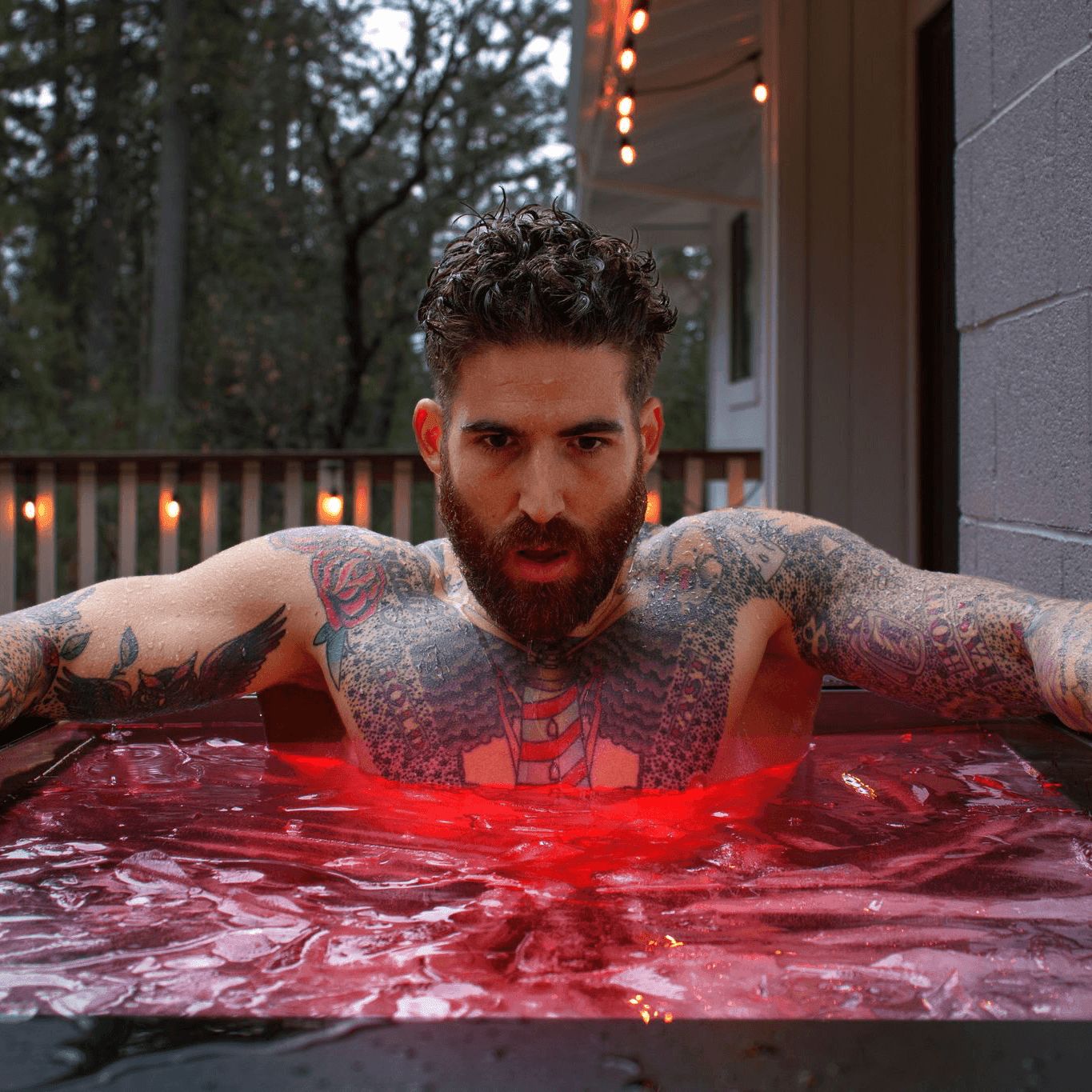
Cold water immersion triggers rapid vasoconstriction. Blood vessels in the skin and muscles narrow, which reduces fluid leakage into damaged tissue. This can limit swelling and the feeling of heaviness. Once you get out, blood flow returns to the area. That reperfusion may help clear metabolic byproducts such as lactate, although lactate clearance is not the main driver of recovery. A PubMed study examining cold water immersion found that perceived muscle soreness after exercise dropped by roughly 20% at 24 hours compared with passive rest. The effect on actual muscle function is smaller and less consistent.
The cold also slows nerve conduction. That can reduce pain signals from sore muscles. Many people feel fresher the day after a cold plunge, especially after long runs, cycling sessions, or high volume conditioning. This is useful when you need to train again soon. However, reduced soreness is not the same as faster tissue repair. The study data suggest cold water immersion helps subjective recovery more than objective markers of muscle damage. That matters if you are tracking performance rather than feelings.
For endurance athletes, post workout cold immersion may support repeated training blocks. For strength athletes, the anti inflammatory effect can be a drawback. We will unpack that later. If you are new to cold exposure, start with the beginner cold plunge protocol before experimenting with timing. You may also find that a shorter, warmer plunge gives you the recovery effect without excessive stress.
Does A Cold Plunge Before Exercise Help Or Hurt Performance?
Cold exposure before training does not improve most physical performance. Muscle force production depends partly on temperature. Cooler muscles contract less efficiently. A cold plunge reduces muscle temperature and can lower short term power output. In practice, athletes sometimes report feeling more alert after cold water, but that alertness does not translate into better sprint or strength performance. Some research reports small reductions in vertical jump height and peak cycling power after pre exercise cooling.
There are niche exceptions. In very hot conditions, pre cooling can help endurance by lowering core temperature before the body gets too hot. Some heat acclimated runners have used cooling vests or cold water immersion before races in the heat. The benefit is not from cold muscles. It is from starting with a lower core temperature. For most gym sessions and recreational sports, a cold plunge before exercise is unnecessary and may reduce readiness. If your session demands maximum power, keep cold immersion away from the start.
A better pre workout routine is a progressive warm up. If you use a cold plunge on the same day as training, schedule it after the session or on a separate day. You can read the cold plunge temperature guide to see how cold exposure dose changes the effect. In general, colder water and longer exposure produce a larger drop in muscle temperature.
When Should You Cold Plunge After Strength Training?
This is where timing gets specific. Cold water immersion after resistance training reduces inflammation. That sounds helpful, but inflammation is one of the signals that leads to muscle protein synthesis and long term hypertrophy. A study on resistance trained men found that post exercise cold water immersion over 12 weeks reduced gains in muscle mass and strength by roughly half compared with active recovery. The exact amount depends on the muscle group and training history, but the direction is consistent. For people whose main goal is maximal muscle size or one rep max strength, immediate post lift cold plunges are probably counterproductive.
The practical rule is to wait. If you want cold exposure on a lower body strength day, place it 4 to 6 hours after the workout. This may allow the early inflammatory signal to do its job. Some coaches recommend doing cold plunge on rest days instead. That gets the recovery benefits without interfering with the adaptation window. For endurance work, the tradeoff is less clear. Running or cycling does not rely on the same hypertrophy signals, so post session cold immersion is less likely to blunt the desired adaptation.
If you are mixing strength and endurance in one week, choose your timing based on the primary goal. If strength is priority, save cold plunges for after easy cardio or on days off. If endurance is the focus, a cold plunge after a long run or hard interval session may help you feel ready sooner. The how often cold plunge guide covers frequency planning across training cycles.
What Temperature And Duration Work Best For Recovery?
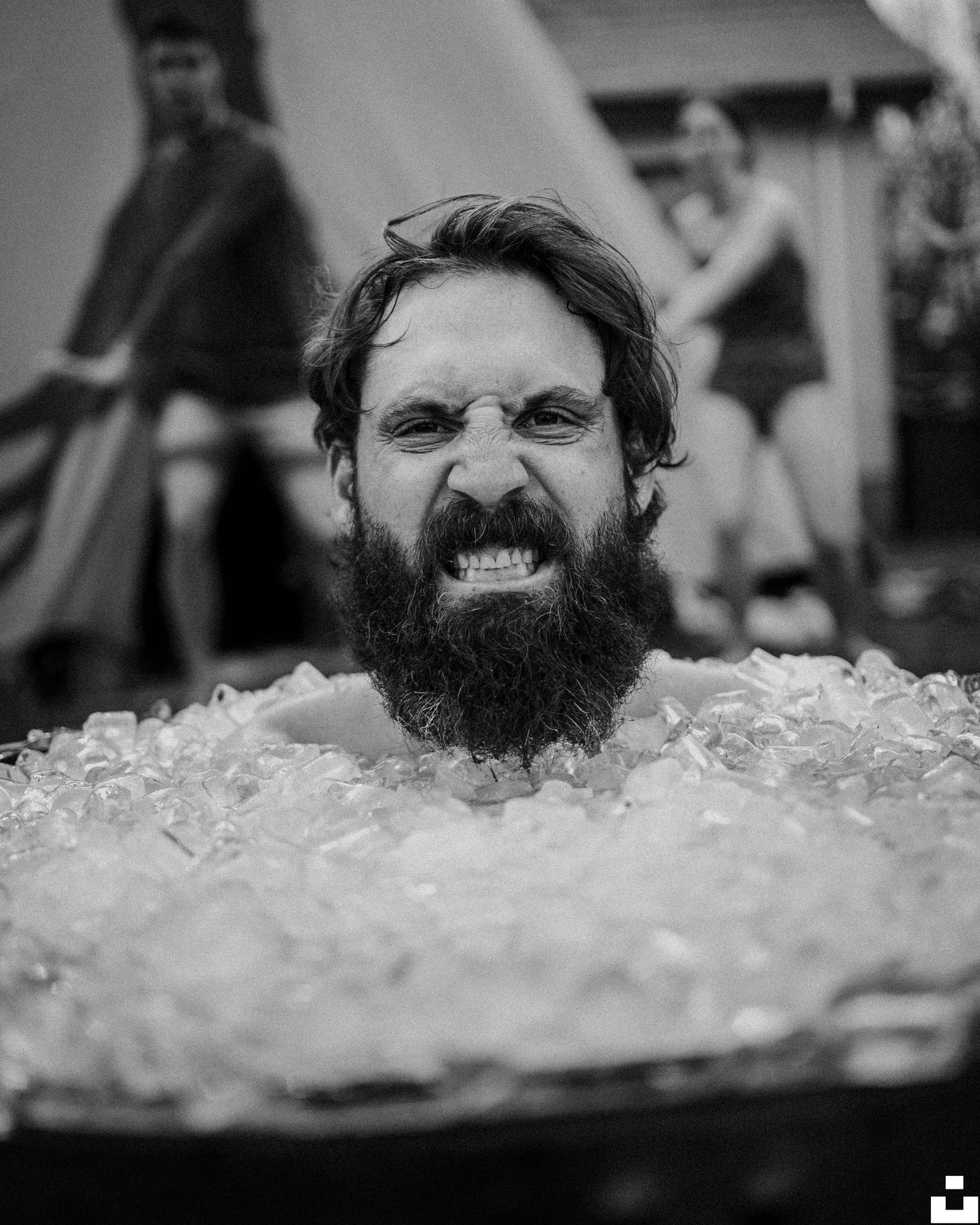
Research protocols often use water between 50°F and 59°F, or 10°C to 15°C, for 10 to 15 minutes. Colder is not always better. Very cold water, below 45°F, may increase discomfort without adding much recovery benefit. The goal is to cool the tissue and trigger the vascular response. Your body can achieve that in the 50s Fahrenheit. The Cleveland Clinic advises caution for people with cardiovascular conditions, because cold water causes a sharp increase in heart rate and blood pressure. Always enter gradually and have a warm plan for after.
Duration also matters. Ten minutes is enough for most recovery applications. Longer sessions may increase the anti inflammatory effect, but they also increase risk. If you are using cold water for post endurance recovery, start with 3 to 5 minutes and build to 10. If you are using a chest freezer conversion or dedicated tub, keep a thermometer nearby. The cold plunge temperature guide explains how to dial in your setup. Water temperature can change quickly outdoors or in a home tub.
For safety, review the cold plunge safety guide for beginners before starting. Hypothermia, cold shock, and afterdrop are real risks, especially in unsupervised home settings. A good protocol respects both temperature and total exposure time. If you feel dizzy, short of breath, or excessively cold, get out and warm up. Cold plunging should not be a test of grit. It should be a measured recovery tool.
How Does Cold Plunge Timing Compare To Sauna Or Contrast Therapy?
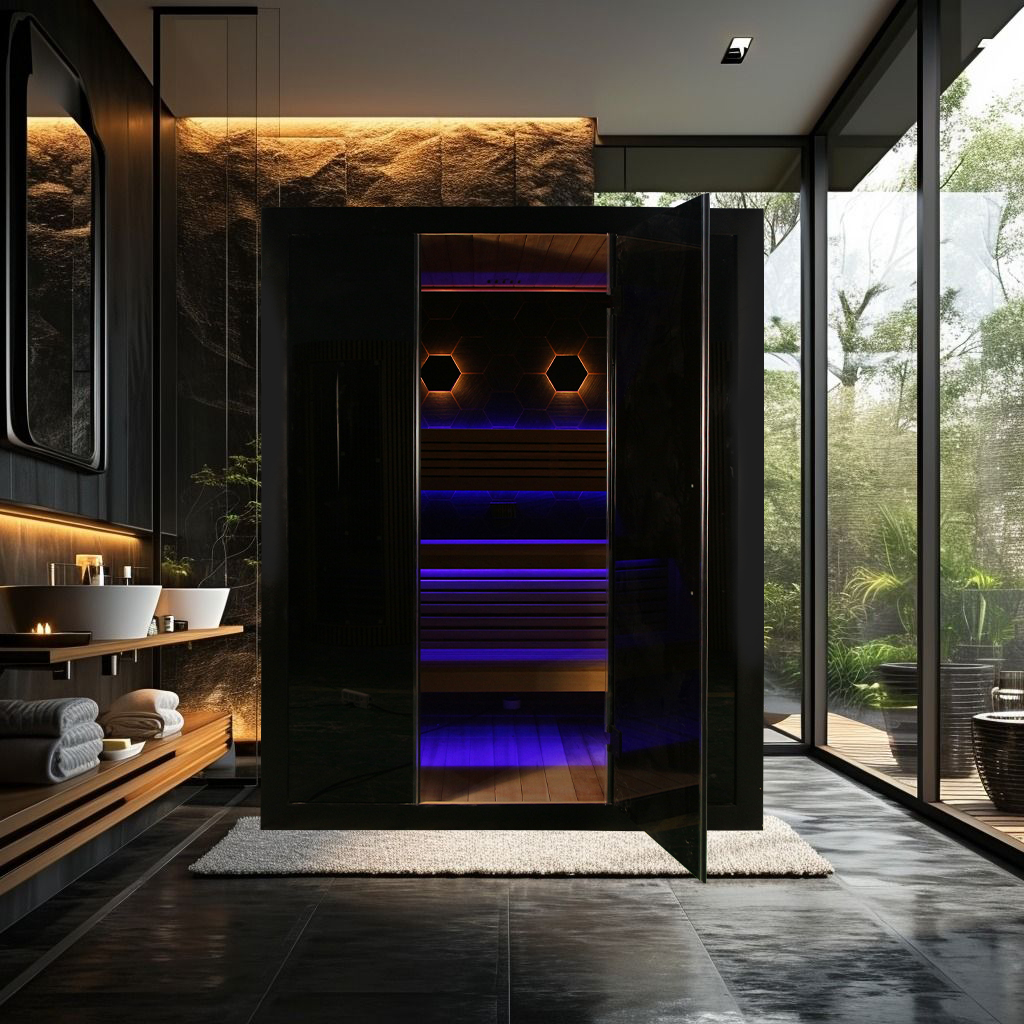
Cold plunge and sauna use often live together. Sauna exposure increases blood flow and heart rate, then cold immersion causes rapid vasoconstriction. Alternating hot and cold can improve circulation and create a subjective sense of recovery. Some people use contrast therapy on rest days rather than immediately after lifting. That avoids the potential muscle growth interference while still providing a recovery oriented stimulus. A Harvard Health summary notes that sauna use has been associated with cardiovascular and relaxation benefits, but the evidence for performance recovery is mixed.
The order depends on your goal. Sauna after cold can gently rewarm the body and reduce the chance of feeling chilled. Cold after sauna creates a stronger nervous system response and a sense of alertness. For workout timing, contrast therapy is best used later in the day or on rest days, not right before skill based or power work. If you want to compare the two modalities more directly, read the sauna vs steam room breakdown.
Cold water immersion remains the stronger acute recovery tool for muscle soreness. Sauna tends to support relaxation, blood flow, and heat acclimation. They can be used together, but the timing around training should match your main goal. If you feel run down, contrast therapy may be an extra stressor. If you feel good, it can be a pleasant end to a training day.
Can You Cold Plunge Every Workout Day?
Daily cold plunging is popular, but it is not necessary for recovery. Frequency should match your training load and recovery goals. For general wellness and soreness management, 3 to 4 sessions per week is enough for many people. For athletes in a heavy endurance block, a short cold plunge after key sessions can help with perceived recovery. For strength focused lifters, using cold immersion on rest days may provide the psychological reset without the potential interference with hypertrophy. The key is to match frequency to the type of training you prioritize.
Consistency matters more than extreme duration. A 10 minute plunge at 55°F a few times per week is sustainable. You can adjust frequency based on sleep quality, muscle soreness, and energy. If you notice you feel flat after multiple daily cold plunges, cut back. Some people tolerate daily cold exposure well. Others feel drained if they combine it with heavy training and poor sleep. There is no universal daily requirement.
Remember that cold exposure is a stressor. It activates the sympathetic nervous system. Doing it every day can be fine for some people, but it can also accumulate with training stress. Listen to your body and keep the timing flexible. If you are planning a home setup, use a routine that feels repeatable rather than extreme. The goal is recovery, not a daily survival test.
Frequently Asked Questions
Is it better to cold plunge before or after a workout?
For most people, after a workout is better for recovery. Cold plunging before training can lower muscle temperature and reduce power output. If you train for strength or muscle size, wait 4 to 6 hours after lifting. For endurance sessions, a post workout plunge is less likely to interfere with progress.
How long should I wait to cold plunge after lifting?
If your goal is muscle growth or maximal strength, wait at least 4 to 6 hours after the session. This allows the early inflammatory response that contributes to adaptation. If you are not concerned about hypertrophy, you can plunge sooner.
Does cold plunging after a workout stop muscle growth?
It can reduce the signal for muscle growth when used immediately after resistance training. One study found that post exercise cold water immersion over 12 weeks reduced gains in muscle mass and strength by roughly half compared with active recovery. The effect may be smaller for casual lifters, but it is worth separating from heavy lifting.
What temperature should a post workout cold plunge be?
A typical range is 50 to 59 degrees Fahrenheit, or 10 to 15 degrees Celsius, for 10 to 15 minutes. Colder than about 45 degrees is rarely necessary for recovery. Always check safety guidelines if you have heart or blood pressure issues.
Can I cold plunge on rest days?
Yes. Rest day cold plunging can support perceived recovery and stress management without interfering with the adaptation window after lifting. Many people use 3 to 4 cold plunge sessions per week on non training days.
Does a cold plunge before a workout improve energy?
It may feel energizing, but it does not improve physical performance. Cold muscles contract less efficiently, which can reduce sprint speed and power. If you want the alertness benefit, use it earlier in the day or after training.
What Should You Remember?
- After endurance workouts, a 10 minute cold plunge at 50 to 59 degrees Fahrenheit can reduce perceived muscle soreness.
- Before strength or power training, avoid cold plunging because cooler muscles may produce less force.
- After heavy lifting, wait 4 to 6 hours before cold immersion to protect muscle growth signals.
- Temperature and time matter, with 50 to 59 degrees Fahrenheit for 10 to 15 minutes being a research backed range.
- Cold plunging every day is optional, and 3 to 4 sessions per week often work well for recovery.
- If performance is the priority, use cold immersion later in the day or on rest days rather than immediately before training.
This article is for general information only and is not medical advice. Cold water immersion and sauna use can be risky for people with cardiovascular conditions, Raynaud’s disease, or who are pregnant. Always consult a physician before beginning cold therapy or heat therapy.