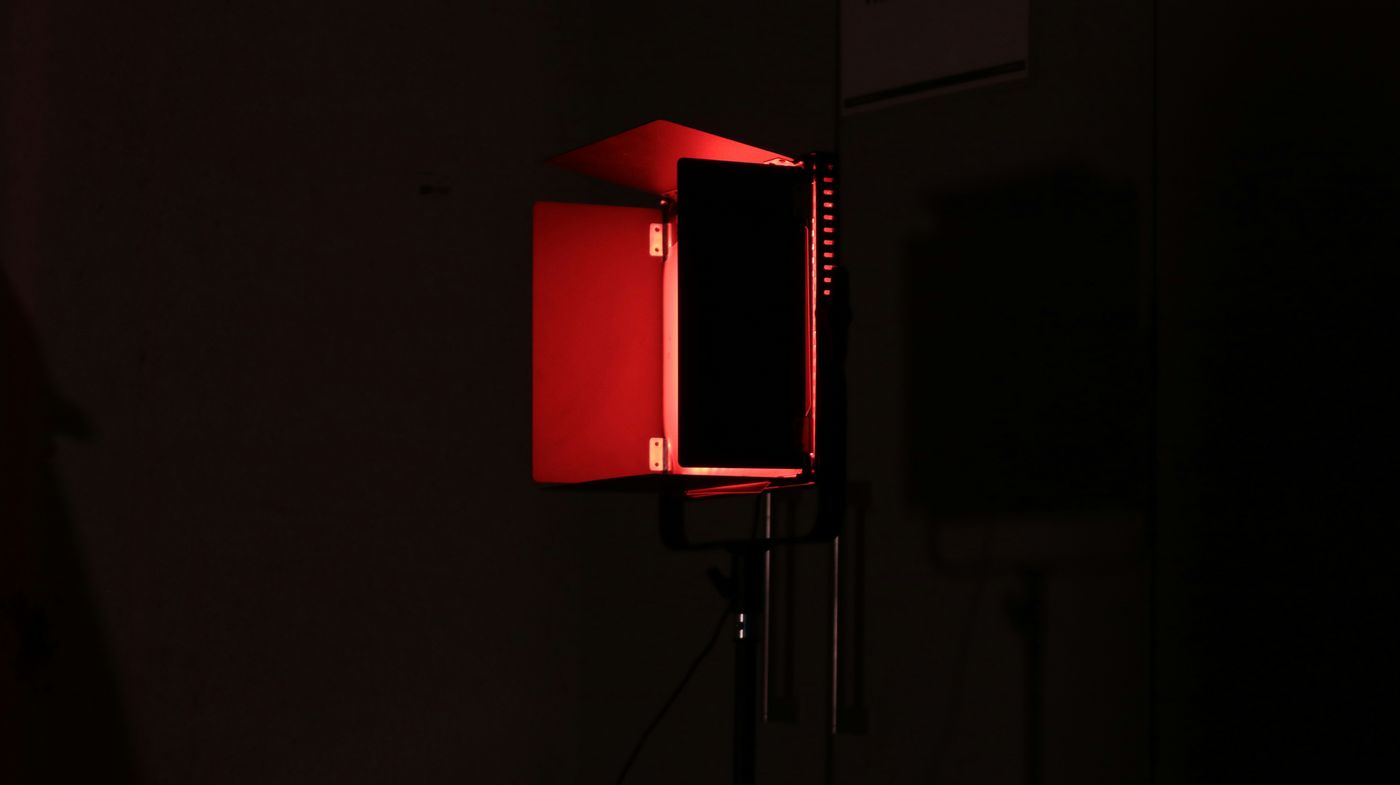
Red light therapy has quietly become the third pillar of home recovery, right next to cold plunging and sauna use. Athletes use it to support muscle recovery, skin health, and sleep. If you already follow a cold plunge benefits routine, adding red light therapy on off days may help you recover faster between sessions. The market has exploded since 2024, and the 2026 panels are brighter, cheaper, and easier to use than ever. But not all panels deliver the same energy density, wavelength mix, or build quality. You need to look past marketing claims and check the actual output numbers.
We spent weeks comparing manufacturer spec sheets, user reports, and peer-reviewed research. The key metric is irradiance, measured in milliwatts per square centimeter (mW/cm2). A 2021 review in the National Institutes of Health database notes that red and near-infrared wavelengths from roughly 630 to 850 nanometers can influence cellular metabolism, but only when the light dose is sufficient. We also checked warranty length, LED count, treatment area, and real-world ergonomics. A panel that overheats or buzzes after six months is not a good deal, no matter the price.
The 2026 market is crowded. You can spend $300 on a small panel or $2,500 on a full-body system. The difference usually comes down to irradiance, wavelength coverage, and duty cycle. Cheap panels often list peak output but cannot sustain it. We compare five popular units below. If you are also upgrading your heat therapy, our best infrared saunas 2026 guide covers a different set of specs, but the same rule applies: high-quality LEDs and honest output claims matter more than brand name.
One warning before you buy: red light therapy is not a replacement for cold exposure or heat training. It is an adjunct. If you are new to cold water immersion, start with our cold plunge protocol for beginners and add red light later. Also, check your panel’s safety certifications. The Cleveland Clinic warns that people with certain eye conditions or photosensitivity should talk to a doctor before using red light devices. We took that into account when evaluating eye protection and panel placement.
How Do the Top Options Compare?
| Panel | Best For | Wavelengths | Peak Irradiance | Treatment Area | Warranty | Price Range |
|---|---|---|---|---|---|---|
| PlatinumLED BioMax 900 | High irradiance full-body | 660nm, 850nm | 110 mW/cm2 at 6 inches | 36 x 12 in | 3 years | Check price |
| Joovv Solo 3.0 | Modular app control | 660nm, 850nm | 90 mW/cm2 at 6 inches | 18 x 12 in | 2 years | Check price |
| Mito Red Light MitoPRO 1500 | Max coverage per dollar | 630, 660, 830, 850nm | 130 mW/cm2 at 6 inches | 36 x 12 in | 2 years | Check price |
| Hooga HGPRO1500 | Budget high-power | 660nm, 850nm | 120 mW/cm2 at 6 inches | 36 x 12 in | 1 year | Check price |
| Bestqool BQ150 | Compact targeted use | 660nm, 850nm | 100 mW/cm2 at 4 inches | 12 x 9 in | 1 year | Check price |
Prices are approximate street prices as of early 2026. Irradiance values are manufacturer-reported at stated distances. Always verify with a solar power meter if precise dose matters.
1. PlatinumLED BioMax 900 , High irradiance and full-body coverage at home
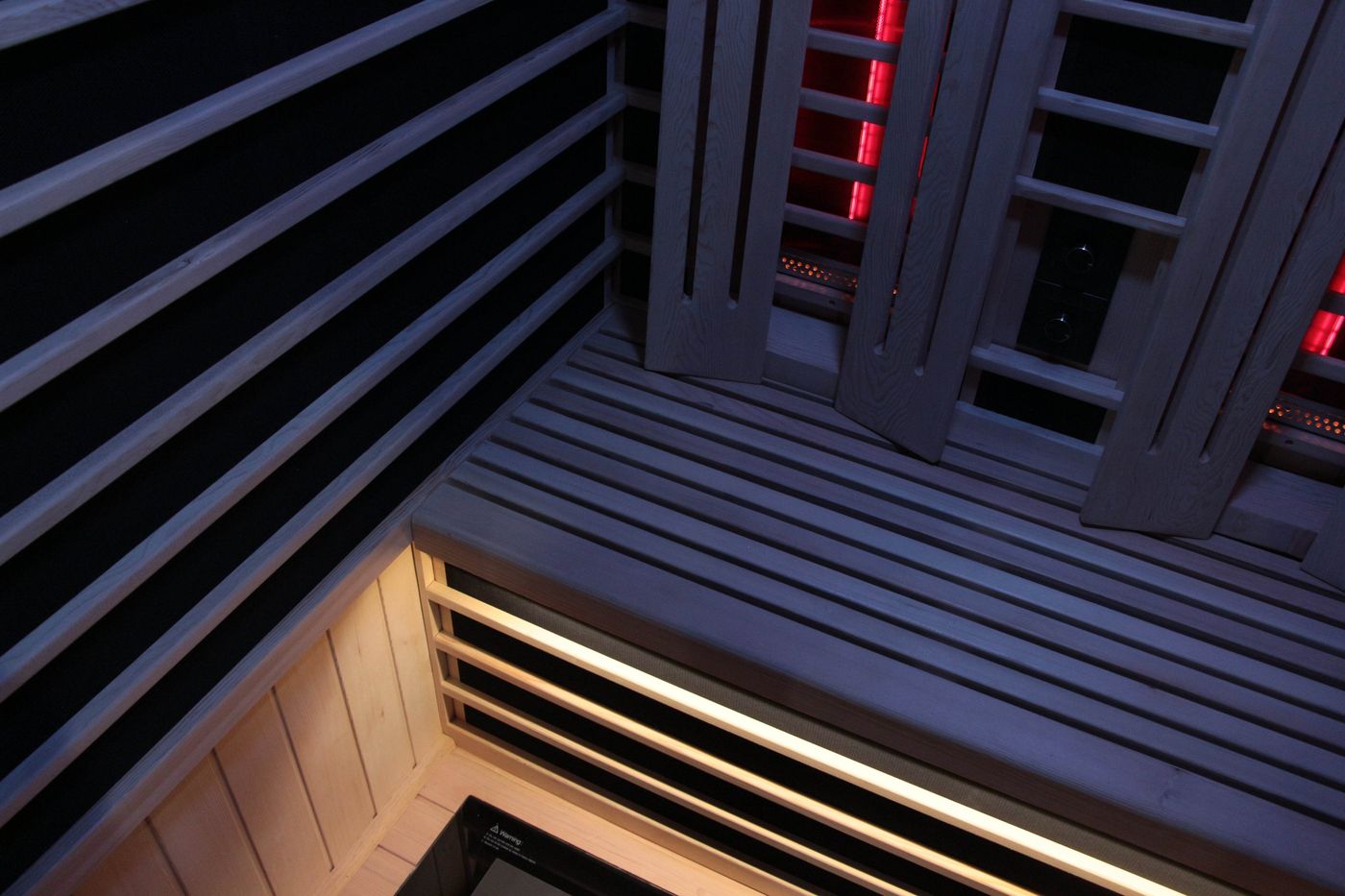
The PlatinumLED BioMax 900 is the panel we recommend most often. It combines 200 dual-chip LEDs, a peak irradiance of 110 mW/cm2 at 6 inches, and a treatment area of 36 by 12 inches. The wavelengths are 660nm red and 850nm near-infrared, with a 50/50 split. That gives you skin-level and deeper tissue coverage in one session. The panel draws 900 watts and runs on a 110V outlet, but it gets warm. You need to position it at least 6 inches away. Find current pricing on the PlatinumLED BioMax 900.
Warranty and build quality matter. PlatinumLED includes a 3-year warranty and uses metal housing with active cooling fans. The fans are audible but not distracting. At 60 pounds, this is not a travel panel. You will want a wheeled stand or wall mount. For recovery athletes who already use a sauna, check our sauna vs steam room comparison to decide which heat method pairs best with red light.
The downside is price. The BioMax 900 typically costs between $1,200 and $1,500 depending on accessories. That is a serious investment. But the output is honest. Many budget panels list peak irradiance that drops by half after 10 minutes. The BioMax 900 holds its output better because of the cooling system. If you want one panel that can cover your chest, back, and legs without moving it constantly, this is the benchmark.
Key strengths:
- ✅ Delivers up to 110 mW/cm2 at 6 inches, among the highest in its class
- ✅ Dual wavelength 660nm and 850nm LEDs in a 50/50 mix
- ✅ 36 by 12 inch treatment area covers large muscle groups
- ✅ 3-year warranty with metal housing and active cooling
- ✅ No flicker, low EMF design
- ❌ Price runs $1,200 to $1,500 without a stand
- ❌ Heavy at roughly 60 pounds, not portable
- ❌ Fans create audible noise during longer sessions
Who it’s for: Choose the BioMax 900 if you want the highest reliable irradiance for full-body home use and can handle the weight and price.
2. Joovv Solo 3.0 , Modular design and app-controlled treatments
Joovv built its reputation on clean design and clinical testing. The Solo 3.0 is a 300-watt panel with 150 LEDs, a treatment area of 18 by 12 inches, and wavelengths of 660nm and 850nm. Irradiance is about 90 mW/cm2 at 6 inches. That is slightly lower than the BioMax, but the Solo 3.0 has one big advantage: you can link multiple panels together. Joovv sells an interconnect kit that lets you create a full-body wall of light. See the Joovv Solo 3.0 for current bundles.
The app is useful but not essential. It tracks sessions, sets timers, and adjusts intensity. The panel itself has no buttons, so you need the app or a remote. That can be annoying if your phone dies. Build quality is excellent. The aluminum body is 30 pounds and feels sturdy. Joovv offers a 2-year warranty, which is shorter than PlatinumLED’s 3-year warranty. But Joovv has more published research partnerships.
Irradiance consistency matters. A panel that spikes at start but fades after 10 minutes will underdose your tissue. Joovv uses a constant current driver to keep output stable. The Solo 3.0 also has low EMF and zero flicker. That matters if you are sensitive to flicker. If you own multiple Joovv panels, the app lets you run them all at once.
Key strengths:
- ✅ Modular interconnect kit builds a full-body array over time
- ✅ Sleek aluminum housing with low EMF and flicker-free LEDs
- ✅ 90 mW/cm2 at 6 inches is still clinically relevant
- ✅ App and remote control sessions, timers, and intensity
- ✅ 2-year warranty with solid customer support
- ❌ Single panel coverage is smaller: 18 by 12 inches
- ❌ Requires app or remote, no onboard controls
- ❌ Price around $1,000, less value than some high-output competitors
Who it’s for: Choose Joovv Solo 3.0 if you want a polished, modular system and are willing to pay for brand research and app control.
3. Mito Red Light MitoPRO 1500 , Large treatment area per dollar
Mito Red Light has become the value leader for serious home users. The MitoPRO 1500 packs 300 LEDs into a 36 by 12 inch panel, with wavelengths at 630nm, 660nm, 830nm, and 850nm. That four-wavelength approach is unusual at this price. Irradiance peaks at 130 mW/cm2 at 6 inches, which is slightly higher than the BioMax 900. The panel draws 750 watts and includes a remote, hanging kit, and protective goggles. Check the Mito Red Light MitoPRO 1500 for pricing.
The tradeoff is polish. The housing is plastic rather than metal, and the fans are louder. But the panel holds up well in daily use. Mito offers a 2-year warranty and a 60-day trial period. That trial period is longer than most. If you want maximum LED density without the Joovv markup, this is the pick. For cold plunge users, pairing red light after a cold plunge temperature guide session may help warm up stiff hands and feet.
One thing to know: the four wavelengths include 630nm and 830nm, which some studies suggest penetrate different tissue depths. The downside is that a wider wavelength spread can reduce peak output at the core 660/850 range. For most recovery goals, the difference is small. But if you want strictly 660/850, the BioMax or Joovv are simpler.
Key strengths:
- ✅ 130 mW/cm2 at 6 inches, highest among our top picks
- ✅ Four wavelengths: 630, 660, 830, and 850nm
- ✅ 36 by 12 inch treatment area at roughly $700 to $900
- ✅ 60-day trial period and 2-year warranty
- ✅ Includes remote, hanging hardware, and goggles
- ❌ Plastic housing feels less premium than metal competitors
- ❌ Cooling fans can be loud during 20-minute sessions
- ❌ No app, only remote control
Who it’s for: Choose the MitoPRO 1500 if you want maximum irradiance and coverage per dollar and do not mind basic controls.
4. Hooga HGPRO1500 , Budget high-power panel without sacrificing output
Hooga has quietly built a loyal following among home users who refuse to overpay. The HGPRO1500 is a 1500-watt panel with 300 LEDs, a treatment area of 36 by 12 inches, and a peak irradiance of 120 mW/cm2 at 6 inches. It uses 660nm and 850nm wavelengths, the two most studied for recovery. The panel includes a remote, goggles, and a door mount. Price is often under $600, which is half of what Joovv charges. See the Hooga HGPRO1500 for current deals.
What are you giving up? The housing is plain, the fans are audible, and the warranty is 1 year. Customer support is decent but not as fast as PlatinumLED. Also, the panel’s stated 1500 watts refers to power draw, not light output. Light output is around 900 to 1000 watts of LED power, which is normal. Hooga is transparent about this in their spec sheet.
For a home setup paired with a best home saunas 2026 or cold plunge, the HGPRO1500 is hard to beat. It covers your full torso in one session. You can also use it on your back, legs, or face with the included goggles. If you are new to red light therapy, this is the safest high-output starting point.
Key strengths:
- ✅ 120 mW/cm2 at 6 inches, more than panels costing twice as much
- ✅ 36 by 12 inch coverage under $600
- ✅ 660nm and 850nm dual wavelength in a 50/50 split
- ✅ Includes remote, goggles, and door mount
- ✅ Low EMF and flicker-free design
- ❌ 1-year warranty is shorter than competitors
- ❌ Plain plastic housing and no app control
- ❌ Fans are noticeably loud during longer sessions
Who it’s for: Choose the Hooga HGPRO1500 if you want high irradiance and large coverage at the lowest price, and you accept a shorter warranty.
5. Bestqool BQ150 , Compact, affordable entry-level panel
Not everyone needs a full-body panel. The Bestqool BQ150 is a 150-watt panel with 100 LEDs, a treatment area of 12 by 9 inches, and a peak irradiance of 100 mW/cm2 at 4 inches. It uses 660nm and 850nm wavelengths. The smaller size makes it ideal for targeting knees, elbows, shoulders, or your face. It weighs only 12 pounds and can sit on a desk or mount to a door. Check the Bestqool BQ150 for current pricing.
The price is the main draw. You can find the BQ150 for under $200, sometimes closer to $150. That makes red light therapy accessible without a major commitment. The downside is coverage. You will need multiple sessions to treat large muscle groups. The cooling system is passive, so the panel gets warm but not hot. Bestqool includes a 1-year warranty, which is acceptable at this price.
The BQ150 is also a good travel panel. It fits in a carry-on if you are flying to a training camp. For cold plunge athletes who want a small recovery tool after an ice bath session, this is a simple addition. Just do not expect it to replace a larger panel for whole-body work.
Key strengths:
- ✅ 100 mW/cm2 at 4 inches from a compact 12 by 9 inch panel
- ✅ Under $200, often under $150
- ✅ Portable at 12 pounds, easy to move or travel with
- ✅ 660nm and 850nm dual wavelength
- ✅ Simple controls with timer and remote included
- ❌ Small treatment area requires multiple sessions for large muscles
- ❌ 1-year warranty, passive cooling only
- ❌ Lower power draw means longer sessions for full-body benefits
Who it’s for: Choose the Bestqool BQ150 if you want a cheap, portable red light panel for targeted joints, face, or travel.
Frequently Asked Questions
What is the best red light therapy panel for home use in 2026?
The PlatinumLED BioMax 900 is the best overall for most people. It combines 110 mW/cm2 at 6 inches, dual 660nm and 850nm wavelengths, and a 36 by 12 inch treatment area. If budget is a concern, Hooga HGPRO1500 offers similar coverage for half the price.
How close should I stand to a red light therapy panel?
Most panels work best at 6 to 12 inches from the skin. At 6 inches, irradiance is higher but coverage is smaller. At 12 inches, you get a larger treatment area but lower dose per minute. Start with 10 minutes per area and adjust.
Do red light therapy panels actually work?
Peer-reviewed research suggests red and near-infrared light from 630 to 850 nanometers can support cellular energy production and reduce oxidative stress. Results depend on dose, wavelength, and consistency. The effect is modest and works best when combined with proper recovery habits.
Can I use a red light therapy panel with a cold plunge or sauna?
Yes. Many athletes use red light therapy on non-training days or after cold exposure. There is no strict order, but avoid extreme heat or cold immediately after light therapy if your skin is sensitive. Space sessions by 30 to 60 minutes.
What should I look for when buying a red light therapy panel?
Check peak irradiance at a real distance, wavelength mix, treatment area, warranty length, and fan noise. Avoid panels that only list LED count without output. A good panel should state mW/cm2 at 6 inches and offer at least a 1-year warranty.
Are there any side effects of red light therapy?
Red light therapy is generally safe for most people. Some users report mild eye strain if they skip goggles, or skin warmth. People with photosensitivity conditions or those taking photosensitizing drugs should consult a doctor before use.
What Should You Remember?
- Irradiance matters more than watts: A panel listing 1500 watts may not deliver more light than a 900-watt panel. Check mW/cm2 at 6 inches.
- Wavelength mix should include 660nm and 850nm: These two cover superficial skin and deeper tissue. Four-wavelength panels add flexibility but may reduce peak output.
- Coverage changes session time: A 36 by 12 inch panel treats your torso in one go. A 12 by 9 inch panel requires multiple placements.
- Warranty signals build quality: Aim for at least 2 years if you spend over $800. Budget panels with 1-year warranties can still be fine if priced under $250.
- Price drops fast below $700: The Hooga HGPRO1500 and MitoPRO 1500 offer true high irradiance without the premium brand markup.
- Start with 10 minutes per area: More light is not always better. Consistency over months beats one long session.
This article is for general information only and is not medical advice. Cold water immersion and sauna use can be risky for people with cardiovascular conditions, Raynaud’s disease, or who are pregnant. Always consult a physician before beginning cold therapy or heat therapy.