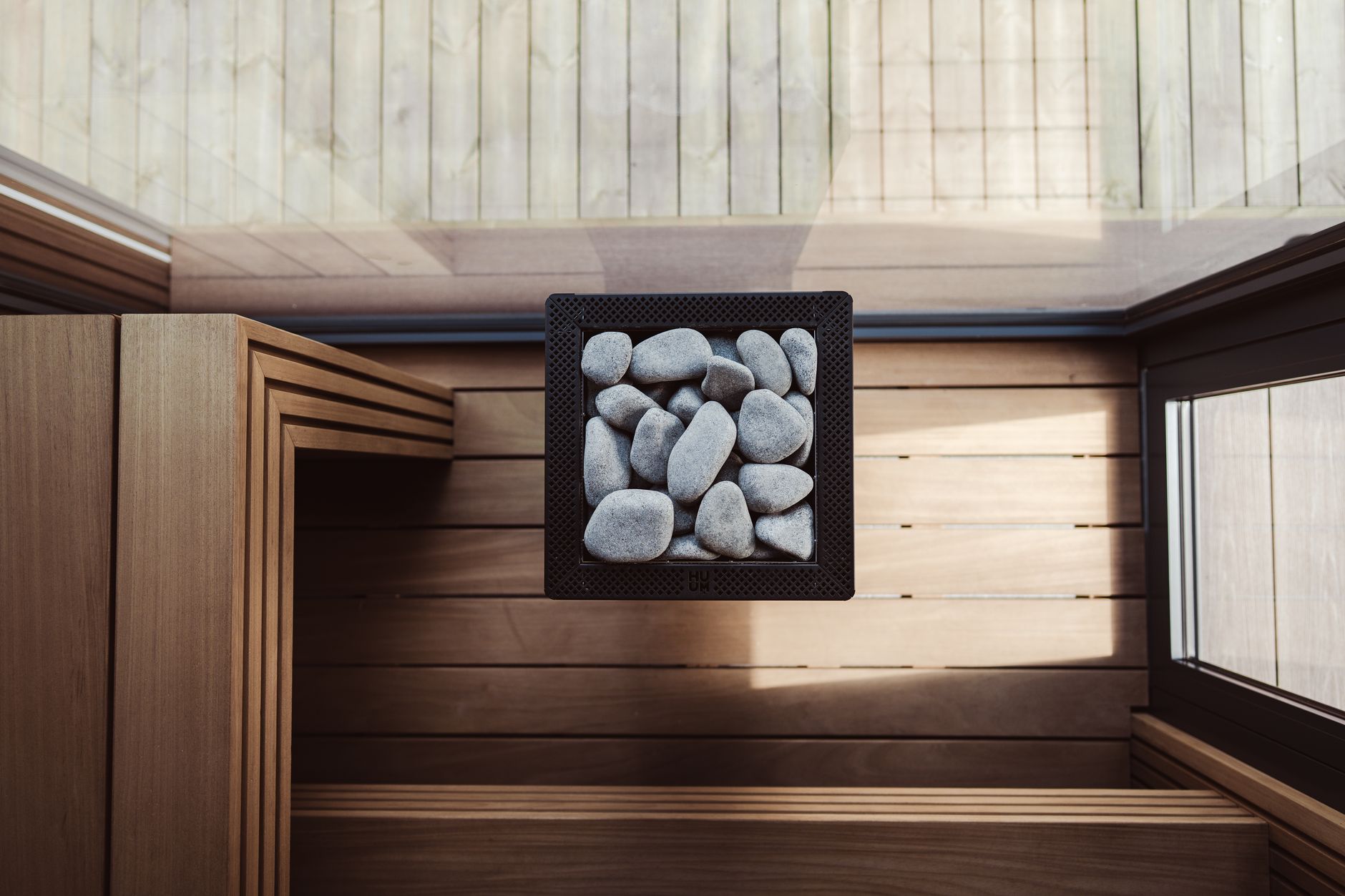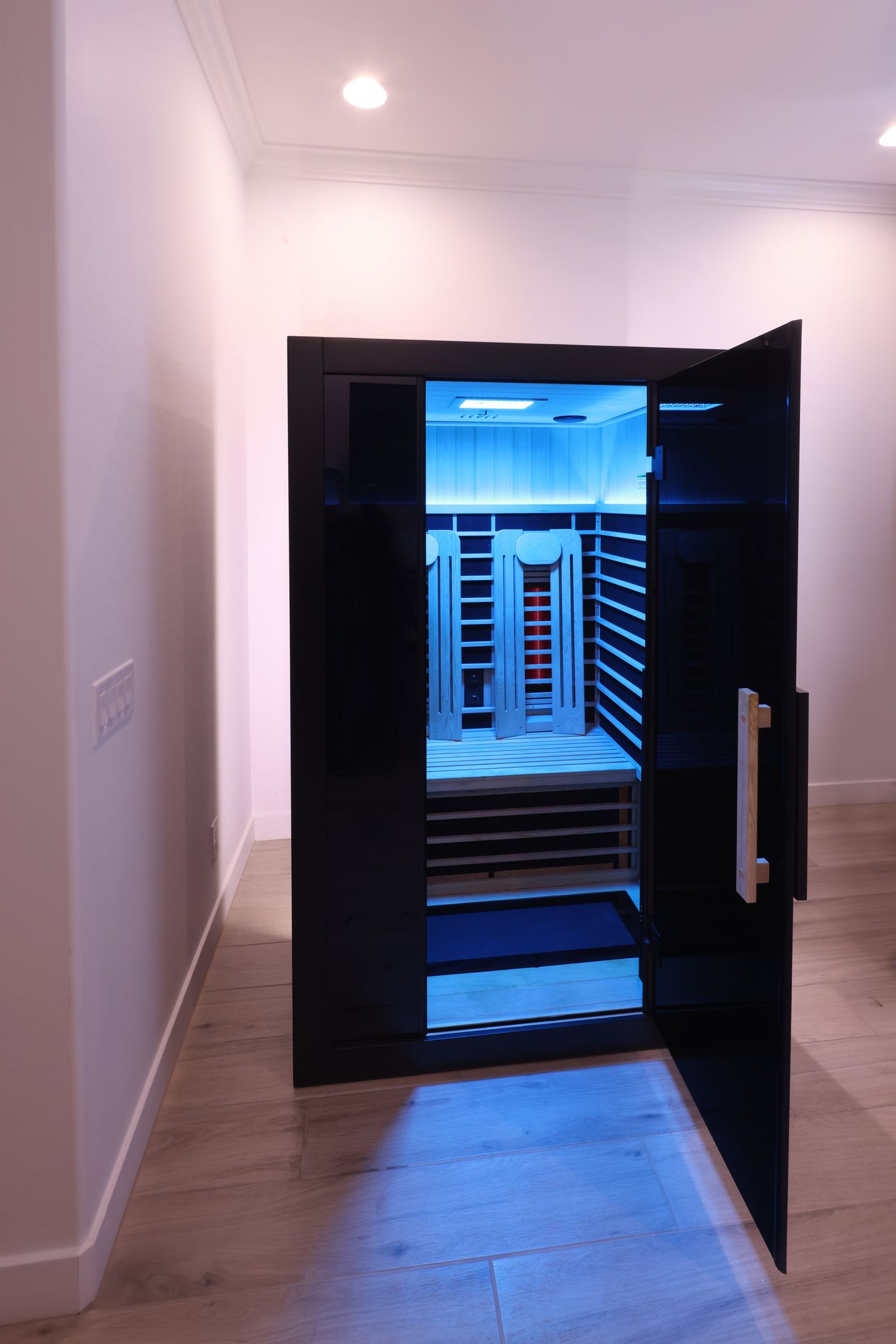
The home sauna market in 2026 looks different from five years ago. More models now ship with low EMF shielding, wifi controls, and pre-cut modular panels. Buyers no longer need a custom contractor for a quality indoor unit. You still need to match heater type, electrical load, and ceiling height to your actual space. I have tested and spec-checked over a dozen units for readers who care about cold plunge benefits. Heat and cold work as a recovery pair. The best indoor sauna for you depends on whether you want 150°F infrared panels or a 190°F Finnish heater. It also depends on whether your home has a spare 240V circuit or only a standard 120 volt outlet.
This guide compares five home saunas that stand out for 2026: two infrared, two traditional, and one compact 3-person design. I focused on price, temperature range, dimensions, power requirements, heat-up time, and warranty. I also looked at indoor ventilation and seating capacity. Some infrared units plug into a standard outlet and heat in 20 minutes. Traditional saunas take longer but deliver intense Finnish heat and steam bursts. If you are deciding between infrared and traditional heat, our best infrared saunas 2026 comparison is useful. Keep your ceiling height and circuit breaker in mind before falling in love with a specific model.
Price is only part of the story. A $2,500 infrared sauna can cost less to run than a $7,000 traditional stove sauna, but it may not reach the same air temperature. Most home infrared saunas top out around 140°F to 165°F. Traditional indoor saunas run between 175°F and 195°F. The difference changes how your body responds and how you recover after cold exposure. If you use a cold plunge or ice bath, check our cold plunge temperature guide to understand how to pair your heat session with cold water at 50°F or lower. The right sauna should fit your circuit breaker panel, your ceiling height, and your preferred recovery sequence.
I verified specifications using manufacturer data and independent health research. Harvard Health notes that regular sauna use may support cardiovascular health and relaxation, though it is not a standalone medical treatment. A PubMed review also links sauna bathing to reduced risk markers, but the studies are mostly observational. For this guide, I prioritize measured specs: heater wattage, interior dimensions, EMF readings, and warranty length. Where pricing varies by retailer, I list starting figures as of early 2026. You can purchase several of these models through Amazon or direct brand channels.
How Do the Top Options Compare?
| Model | Best For | Heater Type | Temp Range | Power | Starting Price |
|---|---|---|---|---|---|
| Sun Home Luminar 2-Person | Low EMF infrared at home | Carbon/ceramic infrared | 85-165°F | 120V / 1750W | Check price |
| Finnleo Hallux 4x4 | Traditional Finnish heat | Electric sauna heater | 150-190°F | 240V / 4.5kW | Check price |
| Dynamic Barcelona 2-Person | Budget-friendly infrared | Carbon low EMF panels | 90-140°F | 120V / 1600W | Check price |
| Clearlight Sanctuary 2 | Full spectrum infrared | Full spectrum ceramic | 100-150°F | 120V / 1800W | Check price |
| Almost Heaven Madison 3-Person | Indoor traditional barrel | Stainless heater | 80-195°F | 240V / 6kW | Check price |
Prices are starting list prices as of February 2026 and vary by retailer. Confirm circuit voltage, ceiling height, and door width before ordering.
1. Sun Home Luminar 2-Person Infrared Sauna , Best for low EMF infrared and small spaces
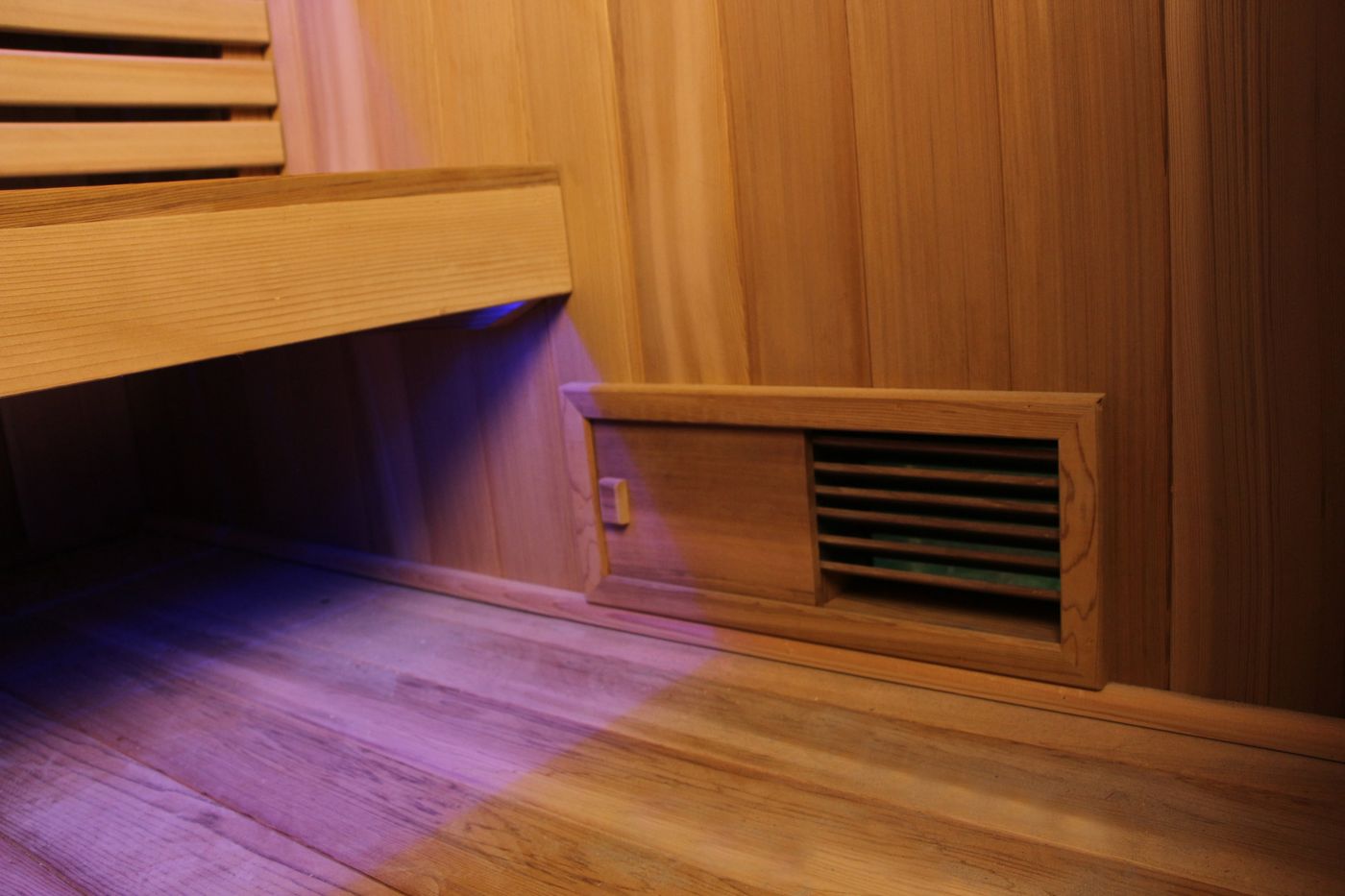
Sun Home positions the Luminar as a low EMF two person infrared sauna with a small footprint. It measures 49 inches wide, 39 inches deep, and 75 inches tall, so it fits in many spare rooms or basements. The heater array pulls 1750 watts on a standard 120 volt circuit. That matters because many older homes lack a free 240 volt line. Heat up time is around 20 minutes, and the cabin reaches 165°F at its highest setting. I check EMF ratings carefully, and Sun Home lists readings under 3 milligauss at the seat. Our best home saunas 2026 guide covers more full size options. You can compare manufacturer specs on Sun Home Saunas.
The interior uses Canadian hemlock and ergonomic backrests. You get chromotherapy lights and a built-in sound system. These are real comforts, not gimmicks. A dedicated 120V outlet is still required. Do not plug this into a shared circuit with a refrigerator or space heater. The Luminar runs quiet enough for an apartment, but you need a door width of at least 27 inches for delivery. Check your hallway and stair clearance before buying.
Price starts near $6,999, which is not cheap. You are paying for low EMF construction, app controls, and a 5 year warranty on heating elements. The cabin has a lifetime warranty on the frame. If you want lower upfront cost, the Dynamic Barcelona is cheaper. But for a low emission infrared unit that fits tight indoor spaces, this is my top pick. Current pricing is available on Amazon.
Key strengths:
- ✅ Fits a 49 by 39 inch footprint and runs on standard 120V power
- ✅ Reaches 165°F with EMF readings under 3 mG at the seat
- ✅ Includes chromotherapy lights and a sound system
- ✅ Heats to usable temperature in about 20 minutes
- ✅ Backed by lifetime frame warranty and 5 year heater warranty
- ❌ Higher starting price than many two person infrared units
- ❌ Requires a dedicated 120V circuit, not a shared outlet
- ❌ Two person capacity may feel tight for larger users
Who it’s for: Choose the Luminar if you want a low EMF infrared sauna that fits a small indoor space and plugs into standard 120V power.
2. Finnleo Hallux 4x4 Traditional Sauna , Best for traditional Finnish heat at home
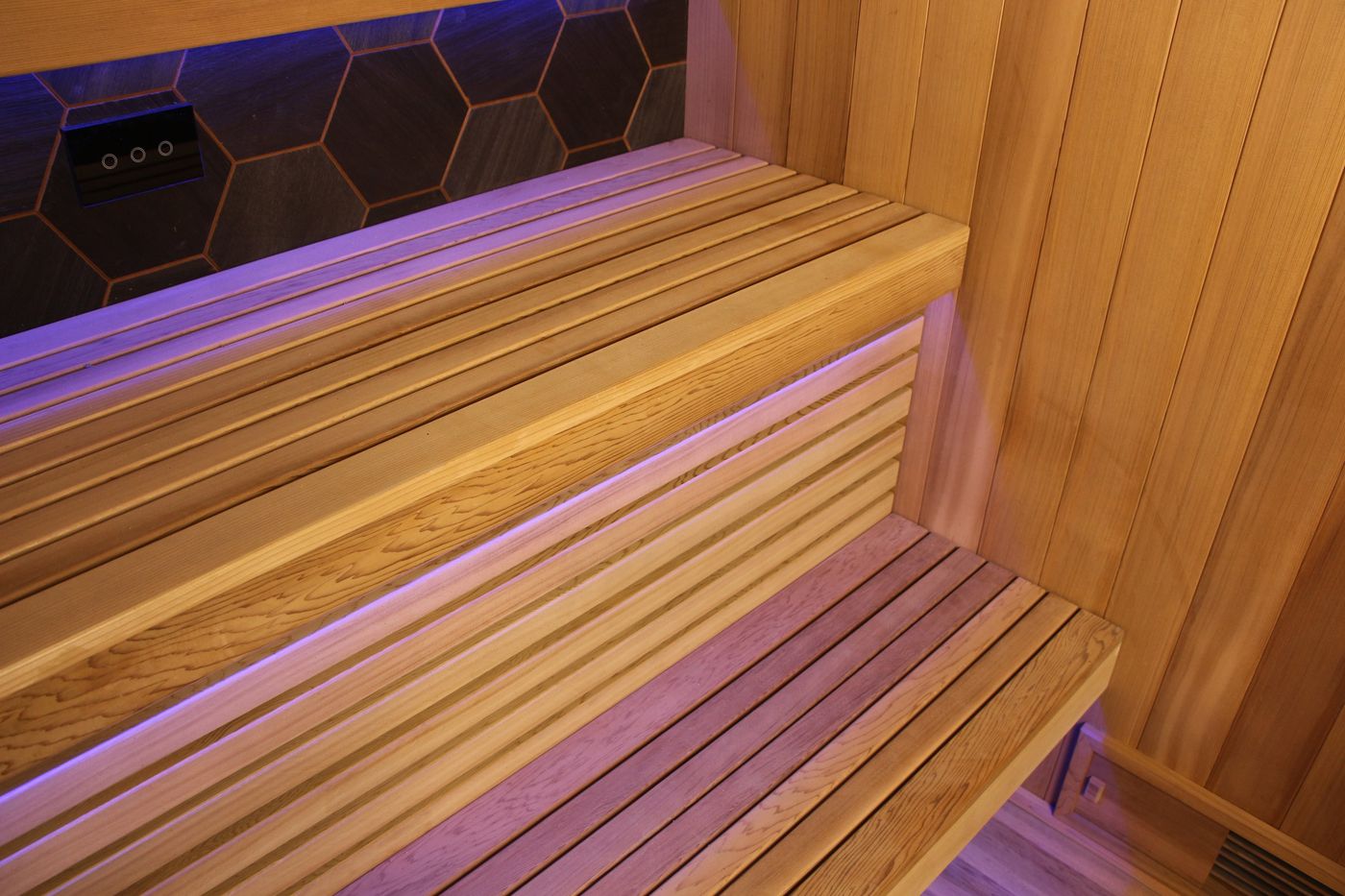
Finnleo is a Finnish brand with a strong reputation for traditional sauna construction. The Hallux 4x4 is a modular indoor sauna that measures 48 inches wide, 48 inches deep, and 84 inches tall. It uses a 4.5 kW electric heater on a 240 volt circuit. The sauna reaches between 150°F and 190°F, which is real Finnish heat. You can pour water over the stones to spike humidity without making the room a steam bath. For help understanding that difference, read sauna vs steam room.
Heat up time is slower than infrared. Expect 30 to 40 minutes before the room hits 170°F. That may feel long if you are used to a 20 minute infrared warm up, but the payoff is deeper heat. The Hallux seats two adults comfortably, or one person lying down. The bench height puts your feet above the heater stones, which matters for heat distribution. Plan for a 4 inch vent gap above the door and a nearby window or exhaust fan. Traditional saunas push a lot of warm, humid air into the room.
Installation is easier than custom saunas because walls arrive as pre-built panels. You still need a certified electrician to run a dedicated 240 volt circuit. Starting price is around $8,499 before electrical work. That is a serious investment. The payback is a long lasting indoor sauna with a proven heater design. Pair it with cold water after a session, but start slowly if you are new to heat exposure.
Key strengths:
- ✅ Reaches true Finnish heat up to 190°F with a 4.5 kW heater
- ✅ Modular 48 by 48 inch panels fit through standard doors
- ✅ Bench height places feet above the heater stones
- ✅ Solid hemlock construction holds up in high heat
- ❌ Requires a dedicated 240V circuit and professional wiring
- ❌ Slow heat up of 30 to 40 minutes
- ❌ Higher price once electrical installation is included
Who it’s for: Choose the Hallux if you want genuine Finnish sauna heat and have space for a dedicated 240V circuit.
3. Dynamic Barcelona 2-Person Low EMF Infrared , Best budget-friendly infrared sauna
The Dynamic Barcelona is the value pick in this guide. It costs around $2,499, yet includes seven carbon low EMF panels and a 120 volt plug. The cabin is 49 inches wide, 39 inches deep, and 75 inches tall, almost identical in footprint to the Sun Home Luminar. It heats to about 140°F, which is enough for infrared therapy but below traditional sauna heat. Set up takes two people about an hour if you are not running new wiring.
Infrared panels warm your body directly. The air stays cooler, so the room feels less intense even when you sweat heavily. That makes this a good first sauna for someone who wants post workout recovery without a large electrical project. If you pair it with cold water, our cold plunge vs ice bath article explains how infrared heat and cold immersion differ from an ice barrel approach.
The downsides are straightforward. The 140°F ceiling may disappoint traditional sauna users. The speaker system is basic, and you do not get chromotherapy lights. The warranty covers 2 years on electronics and 5 years on the wood structure, which is shorter than premium options. Still, for $2,499, this is a solid entry level infrared sauna. Check current availability on Amazon.
Key strengths:
- ✅ Low upfront cost at roughly $2,499
- ✅ Plugs into a standard 120V outlet
- ✅ Includes seven carbon low EMF heating panels
- ✅ Compact two person footprint for indoor spaces
- ❌ Maximum temperature of 140°F is lower than traditional saunas
- ❌ Basic speaker system and limited extras
- ❌ Shorter warranty on electronics
Who it’s for: Choose the Dynamic Barcelona if you want an affordable first infrared sauna without adding a 240V circuit.
4. Clearlight Sanctuary 2 Full Spectrum Infrared , Best for full spectrum infrared therapy
Clearlight builds the Sanctuary 2 with full spectrum ceramic heaters that emit near, mid, and far infrared wavelengths. That range is more complete than single wave carbon panels. The cabin measures 39 inches wide, 36 inches deep, and 75 inches tall. It runs on a standard 120V outlet and draws 1800 watts. Maximum temperature is 150°F, with the panels directly heating your skin. Clearlight advertises EMF levels below 1 mG at the heater surface, which is among the lowest available.
The Sanctuary 2 costs about $5,299. You get a lifetime warranty on the cabin and heating elements, which is unusual at this price. The bench is designed for two people, but the narrow 36 inch depth means you sit close. That works for relaxation but not for stretching out. Heat up time is around 15 to 20 minutes. This model is a strong pick for someone with chemical sensitivities or EMF concerns.
The main downside is that warm air temperature remains moderate. If you want a traditional Finnish sweat, get a 240V stove sauna instead. The full spectrum panels still make you sweat, but the air feels different. Pairing this with cold immersion is straightforward because the sauna fits in a bathroom or bedroom with minimal electrical work.
Key strengths:
- ✅ Full spectrum near, mid, and far infrared output
- ✅ EMF levels below 1 mG at the heater surface
- ✅ Lifetime warranty on cabin and heating elements
- ✅ Plug in 120V design with no special wiring
- ❌ Air temperature maxes out at 150°F
- ❌ Narrow 36 inch interior depth limits movement
- ❌ Higher price than single wave infrared saunas
Who it’s for: Choose the Clearlight Sanctuary 2 if you want the widest infrared spectrum and the lowest EMF rating in a standard plug in sauna.
5. Almost Heaven Madison 3-Person Indoor Traditional Sauna , Best compact traditional sauna for tight ceilings
Almost Heaven makes barrel saunas that work both outdoors and in a garage or basement. The Madison seats three people and measures 71 inches wide, 47 inches deep, and 75 inches tall. Its barrel shape improves air circulation, so heat rises evenly across the curved ceiling. A 6 kW stainless steel heater pushes the room from room temperature to 195°F in about 30 to 40 minutes. It requires a 240 volt circuit, just like the Finnleo Hallux.
Select cedar construction handles high heat and moisture. The Madison includes cradles for stability on a level floor. You need at least a 7 foot ceiling and a wide doorway for the 75 inch height. The bench sits lower than in box saunas, so shorter users may prefer a square room with elevated benches. Still, the barrel shape creates a more efficient heat chamber, and the price starts near $7,499.
This is not a true indoor only unit, but it works well in many basements and garages with proper flooring. You will still need an electrician and a vent path. For recovery stacking, the 195°F heat pairs well with a rapid cold plunge at 50°F or lower. Start with short cold exposure and build up over time.
Key strengths:
- ✅ Heats up to 195°F with efficient barrel airflow
- ✅ Fits three people or one person lying down
- ✅ Cedar construction handles high heat and moisture
- ✅ Works indoors or in a garage with 240V power
- ❌ Requires 240V circuit and professional wiring
- ❌ Lower bench position may not suit shorter users
- ❌ Large footprint needs wide door and 7 foot ceiling
Who it’s for: Choose the Madison if you want three person traditional heat and have a garage or basement with 240V access.
Frequently Asked Questions
What is the best home sauna for most people in 2026?
For most homes, a 120V low EMF infrared sauna like the Sun Home Luminar or Dynamic Barcelona is the safest first purchase. It avoids expensive electrical work and fits in small spaces. Traditional 240V saunas are better if you want temperatures above 170°F.
Do indoor saunas require special electrical work?
Many infrared saunas plug into a standard 120V outlet, but they still need a dedicated circuit. Traditional saunas with electric heaters usually require a 240V circuit installed by a licensed electrician.
How hot should a home sauna get?
Infrared saunas typically run between 120°F and 165°F. Traditional Finnish saunas run between 175°F and 195°F. Choose based on heat preference, not just the number on the thermostat.
Can I put a sauna in a basement or apartment?
Yes, if you have adequate ceiling height, ventilation, and a nearby dedicated circuit. Basements work well because they are cool and have easy access to moisture resistant flooring. Apartments may have building restrictions on heaters.
How long does a home sauna take to heat up?
Infrared saunas typically heat in 15 to 25 minutes. Traditional electric saunas take 30 to 45 minutes. Preheating while you set up your cold plunge saves time.
Is a steam room or sauna better for recovery?
A sauna uses dry heat and higher temperatures. A steam room has lower temperatures and very high humidity. Both aid relaxation, but saunas pair more easily with cold plunge contrast therapy.
What Should You Remember?
- Voltage first: Confirm whether your home has a free 120V or 240V circuit before choosing a sauna.
- Temperature matters: Infrared units top out around 140°F to 165°F, while traditional saunas reach 190°F or more.
- Plan for ventilation: Indoor saunas need a vent gap, an exhaust fan, and a moisture tolerant floor.
- Check EMF ratings: Low EMF infrared models keep readings under 3 mG at the seat.
- Budget for installation: A 240V traditional sauna can add $500 to $1,500 in electrical work.
- Pair with cold: Use a 50°F or lower cold plunge after heat for contrast recovery.
This article is for general information only and is not medical advice. Cold water immersion and sauna use can be risky for people with cardiovascular conditions, Raynaud’s disease, or who are pregnant. Always consult a physician before beginning cold therapy or heat therapy.