Cold plunge and sauna both create controlled thermal stress. They push heart rate, blood flow, and hormones in opposite directions. Cold plunge benefits include rapid vasoconstriction and a large norepinephrine release. Modern best cold plunge tubs 2026 let users repeat that stress at home. The data matter more than the trend.
Sauna, by contrast, causes vasodilation, sweating, and a higher sustained cardiac workload. Best home saunas 2026 are frequently marketed for heart health and relaxation. PubMed research shows that 20-30 minutes at 80°C pushes heart rate up and changes circulation. This page breaks down head-to-head stats on heart rate, circulation, blood pressure, and effect sizes.
| Metric | Cold Plunge (10-15°C) | Sauna (80°C, 20-30 min) | Head-to-Head | Source (Year) |
|---|---|---|---|---|
| Heart rate | Peaks at 100-120 bpm in first 1-2 min; often settles to 70-90 bpm after 2 min | Reaches 100-150 bpm; mean around 120 bpm after 20 min | Sauna produces higher sustained heart rate load | Laukkanen et al., 2015; PubMed, 2018 |
| Plasma norepinephrine | Increases 530% after 1 h at 14°C | Increases 200-300% after 20-30 min at 80°C | Cold plunge triggers larger acute catecholamine spike | Šrámek et al., 2000; Kukkonen-Harjula & Kauppinen, 2006 |
| Plasma dopamine | Increases 250% after 1 h at 14°C | No consistent acute increase across studies | Cold plunge only robust dopamine response | Šrámek et al., 2000 |
| Systolic blood pressure | Rises 20-30 mmHg in first minute; may normalize after 5-10 min | Can rise briefly, then resting BP lowers after regular use | Cold spikes BP; sauna supports lower resting BP | Cleveland Clinic, 2023; Laukkanen et al., 2018 |
| Core temperature | Drops 0.5-1.0°C in 10 min at 10°C | Rises 0.5-1.0°C in 20-30 min at 80°C | Opposite thermal loads, similar mild stress | PubMed review, 2020 |
| Skin blood flow | Decreases 60-80% in extremities due to vasoconstriction | Increases to 5-7 L/min from about 0.5 L/min at rest | Opposite vascular responses | Kukkonen-Harjula & Kauppinen, 2006 |
Values reflect acute responses in healthy adults from peer-reviewed studies and clinical summaries. Individual results vary with water temperature, air temperature, session length, and heat or cold adaptation.
How Do Cold Plunge and Sauna Change Heart Rate and Circulation?
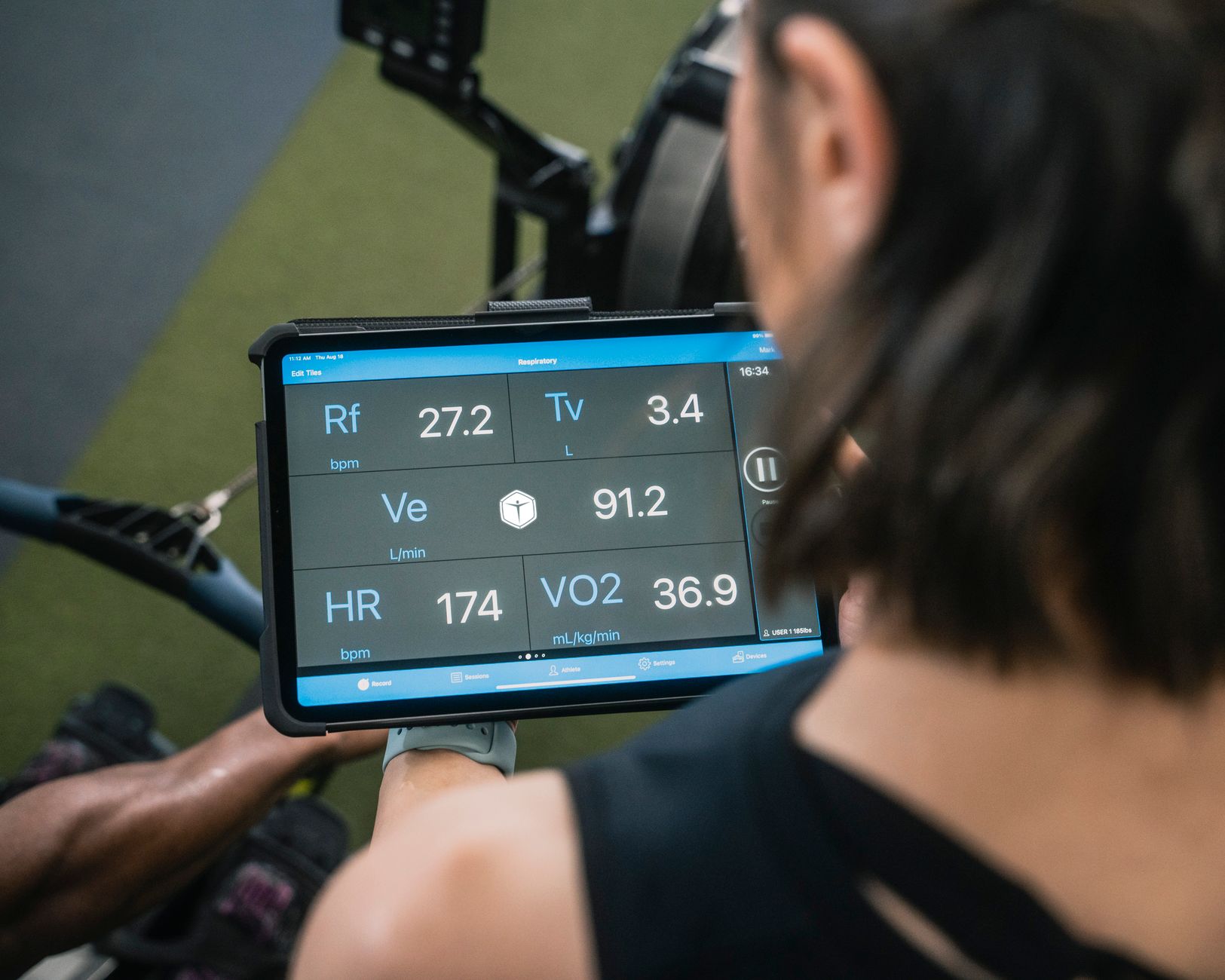
Cold immersion starts with the cold shock response. Heart rate jumps to 100-120 bpm within the first one to two minutes, driven by sympathetic nervous system activation. After that initial response, heart rate often settles near 70-90 bpm as the parasympathetic system partially reengages. Harvard Health describes cold water immersion as an acute stressor that can improve alertness and may support recovery when used correctly. This is different from sauna, where heart rate climbs gradually and stays elevated.
Sauna at 80°C creates a continuous cardiovascular demand. Heart rate commonly reaches 100-150 bpm, and cardiac output increases 60-70 percent because both heart rate and stroke volume rise. Skin blood flow moves from roughly 0.5 liters per minute at rest to 5-7 liters per minute during heating. This sustained circulation change is one reason researchers such as Laukkanen et al. in 2015 found strong cardiovascular associations with regular sauna use. For more on blood pressure effects, see sauna blood pressure.
Cold plunge does the opposite at the skin. Peripheral blood vessels constrict, and extremity blood flow drops by 60-80 percent. Blood shifts toward the core, which increases central blood volume and preload on the heart. That temporary shift raises systolic blood pressure by 20-30 mmHg in the first minute, a subject covered in cold plunge blood pressure. The circulation challenge is real but different from sauna.
Heart rate variability data are less consistent in acute head-to-head research. Some cold plunge protocols show increased parasympathetic activity after the initial shock, while sauna creates a post-session drop in heart rate and improved relaxation. Laukkanen et al. in 2018 observed that regular sauna bathing is linked to lower resting heart rate over time. Cold adaptation may reduce cold shock tachycardia somewhat, but the first minute remains a strong sympathetic event.
- Cold plunge: heart rate peaks early, then falls; skin blood flow drops sharply.
- Sauna: heart rate stays high, cardiac output rises 60-70%, skin blood flow increases five to seven liters per minute.
- Cold core temperature drops 0.5-1.0°C in ten minutes at 10°C; sauna core temperature rises by a similar amount in 20-30 minutes.
Which Recovery Tool Produces Bigger Hormone and Effect Size Changes?
Cold plunge produces one of the largest acute norepinephrine responses in recovery research. Šrámek et al. in 2000 reported a 530 percent increase in norepinephrine and a 250 percent increase in dopamine after one hour in 14°C water. That is roughly two times the sauna norepinephrine rise, which Kukkonen-Harjula and Kauppinen in 2006 placed at 200-300 percent after 20-30 minutes at 80°C. For practical protocols, see cold plunge benefits.
Effect size, not just percentage change, matters. The cold plunge dopamine effect is especially large and appears reliable across studies. Sauna does not produce the same acute dopamine spike, although its longer-term cardiovascular and mortality effects are larger on a population level. Laukkanen et al. in 2015 found that four to seven sauna sessions per week were associated with a 50 percent lower cardiovascular mortality risk. No equivalent cold plunge mortality data exists, so each tool carries different evidence weight.
Recovery athletes often choose cold plunge for acute mood and alertness shifts. The does cold plunge work guide breaks down which claims hold up. Sauna is less about acute hormone spikes and more about repeated cardiovascular conditioning. The two are not interchangeable.
For acute neurochemical effect size, the dopamine change of roughly 2.5 times baseline is the standout cold plunge finding. Sauna research tends to report smaller acute catecholamine shifts but stronger long-term cardiovascular effect sizes. This difference explains why users often describe cold plunge as a fast mood switch and sauna as a cumulative cardiovascular habit.
- Cold plunge: norepinephrine +530%, dopamine +250% after one hour at 14°C.
- Sauna: norepinephrine +200-300%, plus long-term cardiovascular risk reduction of roughly 50% for frequent users.
- Cold effect size on acute catecholamines is about twice as large as sauna.
What Do Cold Plunge and Sauna Statistics Mean for Blood Pressure?
Acute cold water immersion raises systolic blood pressure by 20-30 mmHg within the first minute. The Cleveland Clinic advises caution for people with heart conditions or uncontrolled hypertension before cold exposure. After several minutes, blood pressure often returns toward baseline, but the spike is not trivial. That is why cold plunge blood pressure covers screening and progression. Regular cold plungers can adapt, but the first minute stays demanding.
Sauna data point the other direction for resting blood pressure. Frequent sauna use, four to seven sessions per week, is associated with lower cardiovascular events and lower blood pressure. Laukkanen et al. in 2015 and 2018 reported consistent reductions in blood pressure and cardiovascular mortality in regular sauna users. The sauna blood pressure page details the mechanism. In a combined sauna-cold routine, the cold spike and sauna dilation can create a contrast effect, but people with blood pressure issues should sequence carefully.
For healthy adults, the contrast routine may improve vascular flexibility. The cold pressor response and heat-induced vasodilation train the smooth muscle in blood vessels. Current data do not show one protocol is safer than the other for everyone. The choice depends on baseline blood pressure, cardiovascular status, and recovery goals.
Practical monitoring helps. Taking blood pressure before and after each session can reveal individual patterns. People with resting systolic pressure above 140 mmHg should get medical clearance before cold immersion. For sauna, hydration and gradual heat exposure reduce the chance of orthostatic stress after standing up.
- Cold plunge: acute systolic BP rise 20-30 mmHg, then normalization.
- Sauna: acute heart rate and cardiac output demand, long-term BP reduction.
- Frequent sauna use: four to seven sessions per week linked to lower cardiovascular risk.
- Medical clearance matters for uncontrolled hypertension.
Frequently Asked Questions
Does cold plunge or sauna raise heart rate more?
Sauna raises heart rate more consistently over time. A 20-30 minute sauna session at 80°C typically reaches 100-150 bpm, while cold plunge heart rate often peaks near 100-120 bpm in the first two minutes and then falls.
Which one is better for blood pressure?
Regular sauna use, such as four to seven sessions per week, is linked to lower blood pressure and reduced cardiovascular risk. Cold plunge causes an acute 20-30 mmHg systolic spike, so people with uncontrolled hypertension need clearance first.
Does cold plunge burn more calories than sauna?
Cold plunge at 14°C for one hour can raise metabolic rate by 350%, but typical home plunges are 3-10 minutes and burn modest calories. Sauna sessions also raise heart rate and may burn 100-300 calories per 20-30 minutes, so neither is a primary fat loss tool.
How large is the norepinephrine difference?
Research from Šrámek et al. in 2000 found a 530% rise in norepinephrine after one hour in 14°C water. Sauna studies show a roughly 200-300% rise, so the cold plunge acute catecholamine response is roughly two times larger.
Is one better for circulation?
Sauna improves skin blood flow from about 0.5 liters per minute to 5-7 liters per minute and increases cardiac output 60-70%. Cold plunge sharply reduces extremity blood flow but increases central blood volume, so they train circulation differently.
How long do cardiovascular effects last?
Heart rate and blood pressure changes last minutes to hours after one session. Regular use creates longer adaptations, such as improved blood pressure and heart rate variability, usually after two to four weeks of consistent practice.
Who should avoid which?
People with unstable cardiovascular disease or very high blood pressure should avoid cold plunge unless cleared. Sauna is generally safer for stable heart disease but still requires hydration and medical clearance for severe aortic stenosis or recent heart attack.
What Should You Remember?
- Cold plunge spikes norepinephrine by about 530 percent and dopamine by 250 percent in acute research.
- Sauna creates a larger sustained heart rate load, often reaching 100 to 150 bpm.
- Cardiac output rises 60 to 70 percent in sauna but cold mainly redistributes blood centrally.
- Cold water raises systolic blood pressure by 20 to 30 mmHg in the first minute.
- Regular sauna use is linked to lower blood pressure and cardiovascular risk.
- Choose based on goal: cold for acute catecholamine response, sauna for cardiovascular conditioning.