Cold plunging has become a popular recovery tool for muscle soreness, mood, and energy. But the practice is not risk free for everyone. If you have high blood pressure, you may wonder whether the sudden shock of cold water is safe. The short answer is that it depends on how well your blood pressure is controlled, your other cardiovascular risks, and how you use the cold. Before investing in one of the best cold plunge tubs for 2026, it helps to understand the physiology and clinical guidance.
The concern is not just discomfort. Cold water causes blood vessels to constrict and the nervous system to release stress hormones. That response can raise blood pressure within seconds. For a person with hypertension, a rapid spike may be riskier than it is for someone with normal blood pressure. At the same time, some people with stable, treated hypertension can cold plunge carefully. The key is separating the acute response from any potential long term benefit.
This article reviews what peer-reviewed research and major health organizations say. We will cover what happens to blood pressure during a plunge, when to avoid it, and how to proceed more safely. This information is educational and not a substitute for advice from your doctor. Always get individualized clearance before adding cold exposure to your routine.
| Cold Exposure Type | Typical Blood Pressure Response | Safety Note |
|---|---|---|
| Cold pressor test (hand in ice water) | Systolic +15 to 20 mmHg, diastolic +10 to 15 mmHg | Brief but useful stress test in lab settings |
| Full body plunge (10 to 15 degrees Celsius) | Systolic can rise 20 to 30 mmHg or more in the first minute | Highest caution for hypertension |
| Ice bath (5 to 9 degrees Celsius) | Sharp BP spike with strong cold shock | Avoid with uncontrolled high blood pressure |
| Cool shower (15 to 20 degrees Celsius) | Smaller response but still present | Often a safer starting point if cleared |
| Winter swimming | Acute spike first, possible lower resting BP with regular exposure | Observational data only; acute risk remains |
What Happens to Blood Pressure During a Cold Plunge?

Cold water is a powerful stressor. When you enter a cold plunge, receptors in your skin send a rapid signal to your brain, which activates the sympathetic nervous system. Your body releases norepinephrine and adrenaline. Blood vessels in your skin and muscles narrow, which increases the resistance your heart has to push against. Heart rate often rises and systolic and diastolic blood pressure climb within seconds. The cold plunge temperature guide explains why colder water tends to produce a stronger response.
In laboratory cold pressor tests, healthy adults who place a hand in ice water often show a systolic increase of 15 to 20 mmHg and a diastolic increase of 10 to 15 mmHg. Full body immersion can create a larger response. Some studies available through PubMed report systolic increases of 20 to 30 mmHg during the first minute in very cold water. Heart rate can climb from around 70 beats per minute to over 100 beats per minute within 10 seconds. That is a major change for any cardiovascular system.
You may also experience the cold shock response. This includes gasping, rapid breathing, and a surge in heart rate. The dive reflex can later slow the heart rate, especially if your face is submerged. However, blood pressure can remain elevated because vessels are still constricted. For a person with high blood pressure, the combination of a sudden pressure increase and cold shock is the central safety question.
- Cold receptors in the skin activate within seconds
- The sympathetic nervous system releases adrenaline and norepinephrine
- Blood vessels narrow and blood pressure rises
- Heart rate often spikes unless the dive reflex becomes dominant
Is Cold Plunging Safe If You Have Treated High Blood Pressure?
Having treated high blood pressure does not automatically make cold plunging safe or unsafe. If your readings are stable and your clinician has not identified other cardiovascular risks, you may be able to try short and mild exposure. But treated does not mean the acute spike disappears. Blood pressure medication can lower your resting readings, yet the cold shock response can still occur. Some medications, such as beta blockers, blunt heart rate but not the vasoconstriction response. That means you might not feel your heart racing even as your blood pressure rises. Resting readings alone do not tell the full story.
If you want to explore cold plunging, review the cold plunge safety guide for beginners first. The best approach is to ask your clinician specifically about cold water immersion, not just exercise. Tell them the water temperature you plan to use and whether you intend to submerge your head. A conservative starting point is often 50 to 60 degrees Fahrenheit for 30 to 60 seconds, but your clinician may set a different limit.
Keep in mind that medication timing can change your response. Do not skip or delay blood pressure medication to prepare for a plunge. Some people may feel fine in cool water, but the strain is still happening inside the vessels. If you have any doubt, a discussion with your prescriber is cheaper and faster than an emergency.
When Should You Avoid Cold Plunging with High Blood Pressure?
Cold plunging is not a good idea when your hypertension is uncontrolled. If your systolic reading is routinely above 140 mmHg or your diastolic reading is above 90 mmHg, the acute spike could push you into a range that increases stroke risk. Some guidelines use a lower threshold of 130/80 for hypertension. The exact number to avoid depends on your other risk factors, but a resting systolic above 150 mmHg is a conservative reason to skip the plunge.
You should also avoid cold plunging if you have a history of heart attack, unstable angina, stroke, aortic aneurysm, or uncontrolled arrhythmia. Any condition that already affects your blood vessel walls can make a sudden blood pressure surge more dangerous. Pregnancy with hypertension, kidney disease, and retinal vascular problems are additional reasons to seek a specialist opinion.
Certain behaviors make the risk worse. Do not jump into very cold water, hold your breath, or submerge your head if you have high blood pressure. The cold plunge protocol for beginners outlines a gentler sequence. Stop and get out if you feel chest pain, an unusually severe headache, dizziness, numbness, or an irregular heartbeat. Those symptoms require immediate medical attention.
- Systolic BP above 150 mmHg or diastolic above 90 mmHg before a session
- A recent heart attack or stroke
- Unstable angina or uncontrolled arrhythmia
- Dizziness, chest pain, severe headache, or one-sided weakness during exposure
What Does Clinical Guidance Say About Cold Water and Hypertension?
Major health organizations do not list one universal blood pressure cutoff for cold plunging. Instead, they emphasize individual risk and clinician clearance. The Mayo Clinic warns people with cardiovascular disease or high blood pressure to talk with a doctor before cold water swimming or immersion. The concern is not only temperature. It is also the sudden cardiovascular load when cold hits the body.
The Cleveland Clinic has noted that cold plunging can cause a sharp increase in blood pressure and heart rate. That can be risky if you have a heart condition or poorly controlled hypertension. Harvard Health has published similar guidance on cold shock and cardiovascular stress. The takeaway is not that every person with high blood pressure must avoid cold water. It is that the decision belongs in a clinical conversation, not a social media challenge.
The acute response is different from what researchers see with regular sauna use. Some studies suggest that consistent sauna blood pressure exposure may support lower resting blood pressure over time. That does not cancel out the acute cold spike. If you plan to use contrast therapy, the sequence and your BP stability matter even more.
How Can You Cold Plunge More Safely with High Blood Pressure?
If you and your clinician decide that cold plunging is acceptable, use a conservative protocol. Start with water that feels cool but not shocking, often around 60 degrees Fahrenheit or 15 degrees Celsius, and limit exposure to 30 to 60 seconds. Keep your hands and head out of the water at first. Avoid breath holding, because the combination of cold and a held breath can create a stronger blood pressure surge. Enter slowly and calm your breathing before you go deeper.
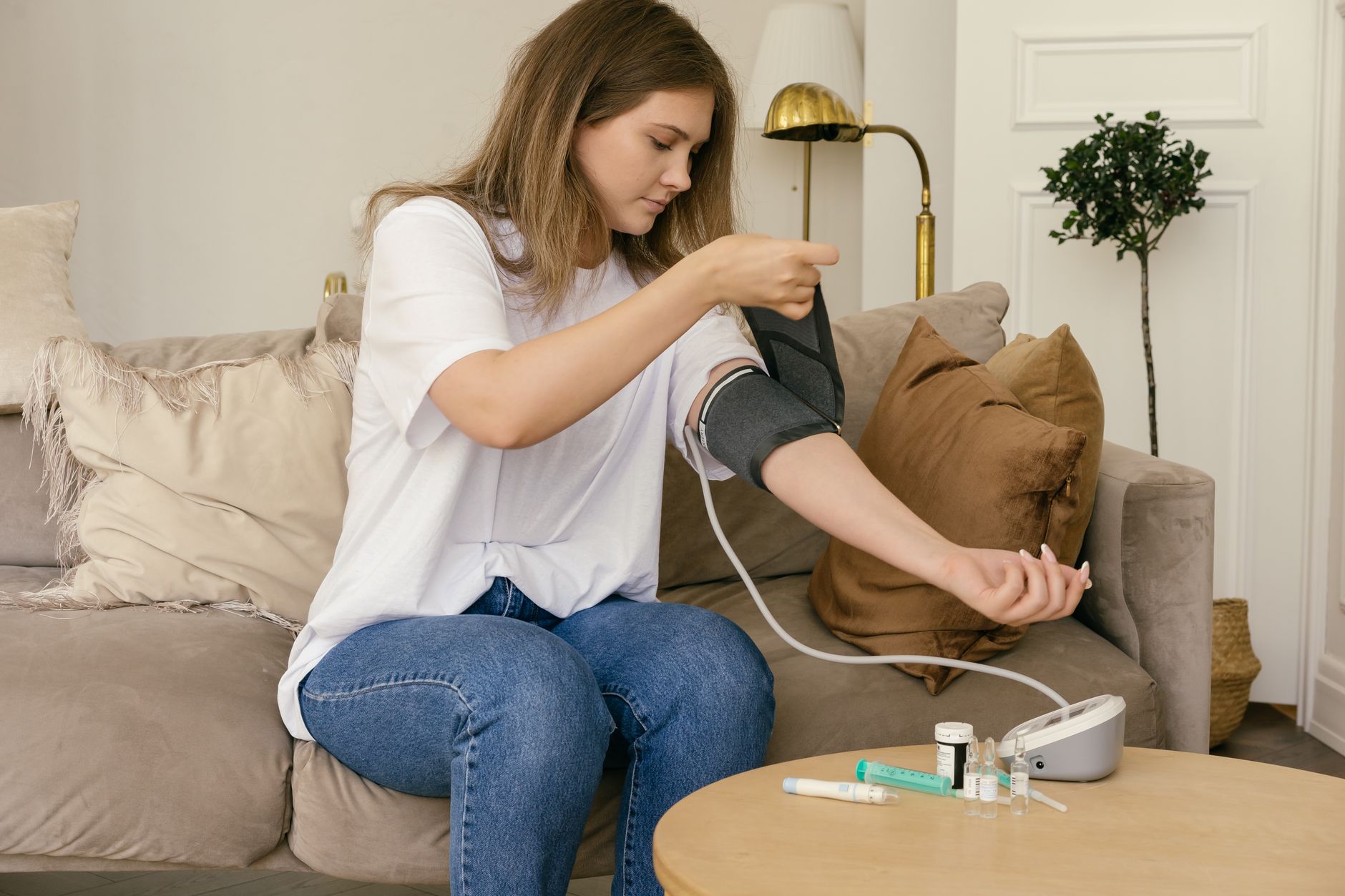
Check your blood pressure before each session with a home blood pressure monitor. If your reading is higher than the limit your clinician set, skip the plunge. Do not use a cold plunge to lower an already elevated reading. The acute response is the opposite of what you want. Have a warm towel and clothing ready, and get out slowly. Cold water makes blood vessels constrict, and warming up too fast can cause another shift.
A buddy is helpful even in a controlled home setup. Dizziness, fainting, or cold shock can make it hard to get out safely. Also review cold plunge before or after sauna if you plan contrast therapy. Large heat-to-cold swings can be more demanding than cold alone.
- Measure your blood pressure before every plunge
- Start around 60 degrees Fahrenheit for 30 to 60 seconds
- Keep your head out and avoid breath holding
- Have a buddy present and exit slowly
- Skip the session if your reading is above your clinician’s cutoff
Can Regular Cold Exposure Lower Blood Pressure Over Time?
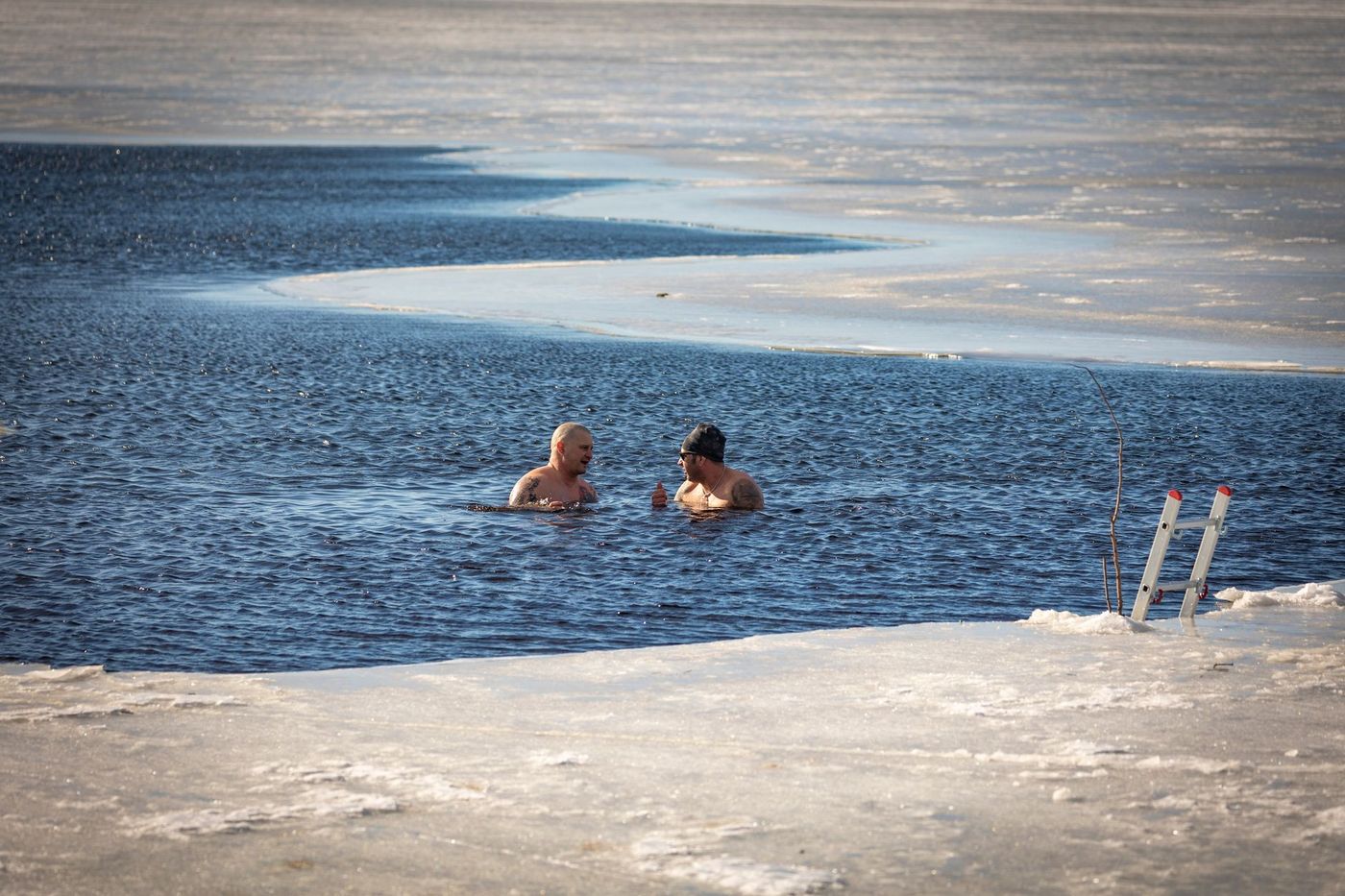
Some people hope that regular cold exposure will train the body to handle stress and lower resting blood pressure. The research is mixed. Observational studies of winter swimmers and habitual cold water swimmers sometimes report lower resting blood pressure and improved insulin sensitivity. But those studies are not the same as randomized trials. People who choose winter swimming may also be more active, eat differently, or have other health habits that explain the results.
A separate question is whether cold adaptation changes the acute spike. Some studies suggest that repeated cold exposure can reduce the cold shock response over time. Habituation may lower the amount of adrenaline released and blunt the gasping response. That does not mean the blood pressure response disappears. Even experienced winter swimmers show cardiovascular changes on entry.
For now, treat cold plunging as a recovery practice, not a blood pressure treatment. If your goal is to improve cardiovascular health, regular moderate aerobic exercise, medication adherence, and clinician follow-up have much stronger evidence. You can read about other reported benefits in cold plunge benefits, but none of them replace hypertension management.
Frequently Asked Questions
Can cold plunging cause a stroke if I have high blood pressure?
The acute blood pressure spike may increase risk in people with severely uncontrolled hypertension or vascular disease. If your blood pressure is stable and your clinician clears you, the risk is lower. Stop immediately for severe headache, dizziness, chest pain, or one-sided weakness.
Should I take my blood pressure medication before a cold plunge?
Take medications exactly as prescribed. Do not adjust timing or dose to prepare for a plunge. Ask your doctor if cold exposure is appropriate with your specific medication.
Is a cold shower safer than a cold plunge for high blood pressure?
A cold shower often produces a smaller and shorter cardiovascular response than full body immersion, but it still raises blood pressure. Start with brief cool showers and clinician approval.
How long should a cold plunge be with high blood pressure?
If cleared, start with 30 to 60 seconds in water around 60 degrees Fahrenheit or 15 degrees Celsius. Avoid prolonged breath holds and head submersion. Increase duration only if blood pressure stays stable.
Does cold plunging lower high blood pressure long term?
Some observational evidence suggests regular cold exposure may support vascular health, but it is not a proven treatment for hypertension. Do not replace medication.
What blood pressure reading is too high for a cold plunge?
If your resting systolic BP is above 150 mmHg or diastolic above 90 mmHg, skip the plunge and talk to your clinician. The exact cutoff depends on your overall cardiovascular risk.
What Should You Remember?
- Cold water immersion raises blood pressure within seconds in almost everyone.
- Well-controlled hypertension may still allow brief cold plunging with physician approval.
- Uncontrolled high blood pressure is a strong reason to skip cold plunging.
- Keep the head out and avoid breath holding to reduce extreme cardiovascular stress.
- Start short and mild around 60 degrees Fahrenheit for 30 to 60 seconds.
- Check your blood pressure before every plunge and never plunge alone.
- Treat cold plunging as a recovery tool, not a blood pressure treatment.
This article is for general information only and is not medical advice. Cold water immersion and sauna use can be risky for people with cardiovascular conditions, Raynaud’s disease, or who are pregnant. Always consult a physician before beginning cold therapy or heat therapy.