
For decades, sauna bathing has been a cultural staple in Finland. Many people use it for relaxation and social connection. But researchers noticed something striking in long-running Finnish health data. Regular sauna users seemed to have fewer fatal heart events. That observation led to formal cohort studies, including the Kuopio Ischemic Heart Disease Risk Factor Study. This research now shapes conversations about sauna longevity and heart health. The data do not prove cause, but they offer a strong signal. Heat exposure may be more than a comfort ritual.
The most cited Finnish work followed middle-aged men for about twenty years. It recorded sauna frequency, session length, and temperature exposure. Researchers then tracked deaths from heart disease, sudden cardiac death, and all causes. The findings were consistent. Higher sauna use was linked to lower risk. Later analyses included women and stroke outcomes. They broadened the picture. Still, the studies are observational. People who use saunas often may also exercise more, drink less, or have better access to care. Statistical adjustments reduce but cannot erase those differences.
For anyone building a recovery routine, these results matter. Sauna use may complement exercise and other heart-healthy habits. But the sauna itself is not a standalone cure. Temperature, duration, and personal health status shape the benefit and the risk. This guide explains the Finnish cohort research in plain terms. It also shows how to apply the findings without overstating them. We will cover what the studies measured, how strong the association is, and who should be cautious.
| Sauna Frequency | All-Cause Mortality HR | Fatal Cardiovascular Disease HR | Sudden Cardiac Death HR |
|---|---|---|---|
| 1 session per week | Reference (1.00) | Reference (1.00) | Reference (1.00) |
| 2 to 3 sessions per week | 0.76 | 0.73 | 0.78 |
| 4 to 7 sessions per week | 0.60 | 0.54 | 0.37 |
What Did the Finnish Cohort Research Actually Measure?
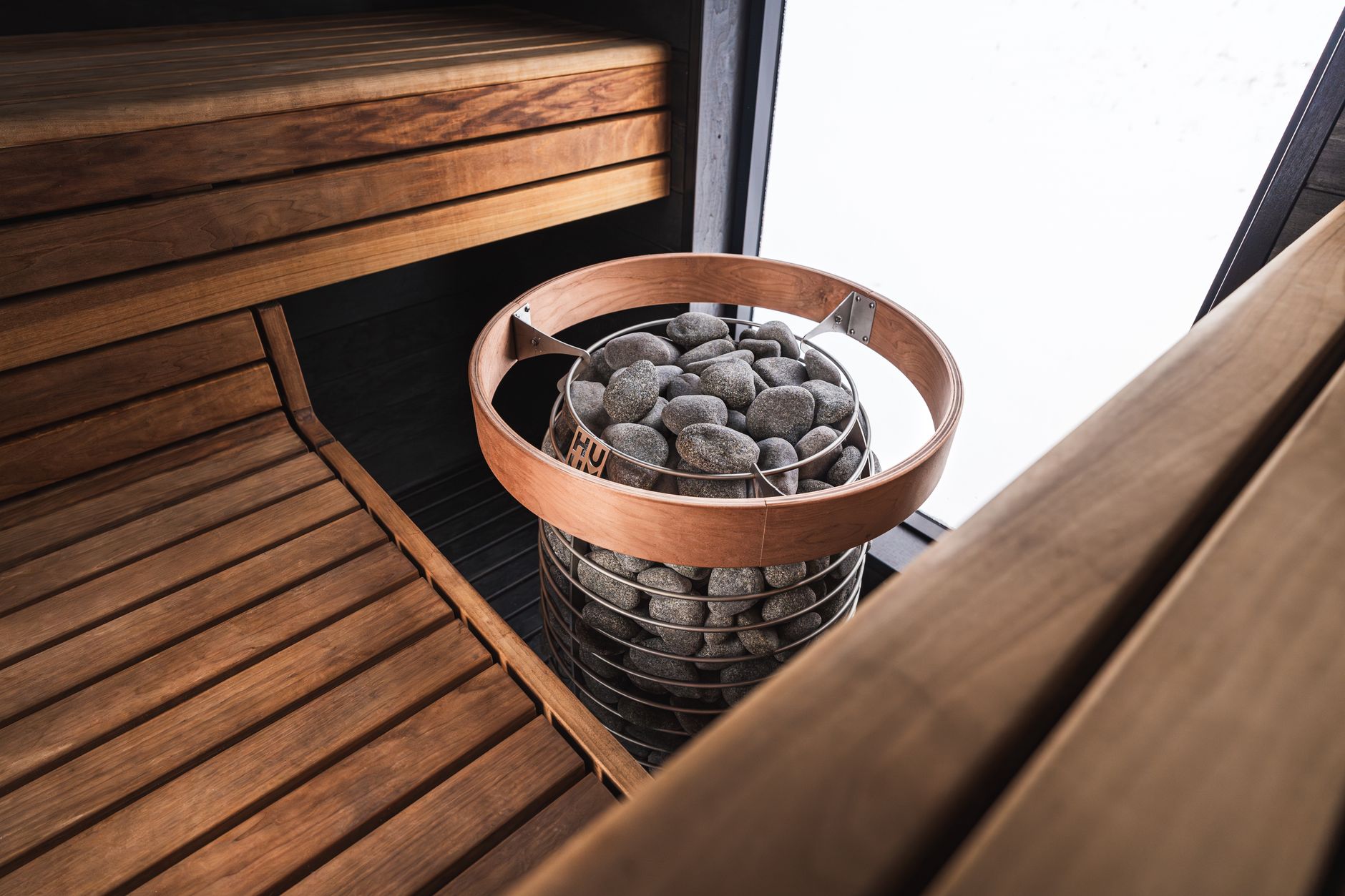
The core evidence comes from the Kuopio Ischemic Heart Disease Risk Factor Study, which began in Finland in the 1980s. Researchers recruited 2,315 middle-aged men aged 42 to 60. They collected baseline data on health, lifestyle, and sauna use. The follow-up lasted for a median of about 20.7 years. Researchers then tracked fatal heart events and all deaths. This was an observational cohort study, not a randomized experiment.
The sauna exposure was a traditional Finnish sauna, not an infrared unit. Finnish saunas are typically dry and hot, with temperatures between 80 and 100 degrees Celsius. Men reported how often they used the sauna, how long each session lasted, and how hot they kept it. Researchers grouped the men by weekly sessions. The reference group used one session per week. Comparison groups used two to three sessions or four to seven sessions weekly.
The outcomes were hard clinical endpoints. They included sudden cardiac death, fatal coronary heart disease, fatal cardiovascular disease, and all-cause mortality. The researchers adjusted for age, smoking, blood pressure, cholesterol, physical activity, and other common risk factors. After those adjustments, the associations remained. That does not prove sauna use caused the lower risk. Confounding can persist in any observational study. Still, the consistency is notable. You can explore the peer-reviewed data through the National Institutes of Health. For a home setup that matches traditional heat, see best home saunas.
How Much Sauna Use Was Linked to Lower Heart Deaths?
In the 2015 JAMA Internal Medicine analysis, researchers compared sauna frequency groups against once-weekly use. Men who used the sauna two to three times per week had a hazard ratio of 0.76 for all-cause mortality. Men who used it four to seven times per week had a hazard ratio of 0.60. That represents a 40 percent lower relative risk over the follow-up period. These are adjusted estimates, not raw differences.
For fatal cardiovascular disease, the pattern was similar. Two to three weekly sessions had a hazard ratio around 0.73. Four to seven weekly sessions had a hazard ratio around 0.54. For sudden cardiac death, the highest frequency group had a hazard ratio of 0.37. That is a 63 percent lower relative risk compared with once-weekly use. Confidence intervals were wider for sudden cardiac death. That is expected because there were fewer events in that subgroup.
Session duration added another signal. Men who spent more than 19 minutes in the sauna generally had lower risk than men who spent less than 11 minutes. This dose-response gradient makes the association more compelling. It does not prove a direct biological effect. But a clear pattern across both frequency and duration is one reason researchers continue to study heat. If you are deciding between heat options, read sauna vs steam room before building a routine.
Why Would Sauna Bathing Affect Heart Health and Longevity?
Sauna bathing creates a controlled heat stress response. Skin and core temperature rise. Heart rate increases. Blood vessels dilate. As the body cools, blood pressure often falls below baseline. These changes resemble some parts of moderate cardiovascular exercise. A single sauna session can raise cardiac output by 60 to 70 percent compared with rest. That is a short-term cardiovascular challenge.
Repeated heat exposure may improve blood vessel function and reduce arterial stiffness over time. Small intervention studies show blood pressure reductions after weeks of regular sauna use. Mayo Clinic notes that heat therapy is generally safe for many people but requires caution in those with heart disease. The Finnish cohort data are observational. They cannot fully separate the sauna effect from the healthy lifestyle around it. Still, the physiological pathways are plausible. For more on circulation and heat, read sauna blood pressure.
There is also a recovery component. Sauna bathing can lower perceived stress and improve sleep quality. Chronic stress and poor sleep are risk factors for heart disease. A regular sauna habit may provide indirect benefit through relaxation. That effect is harder to measure in cohort research. If you combine heat and cold in your recovery routine, see cold plunge before or after sauna.
Does Sauna Frequency Matter More Than Duration or Temperature?
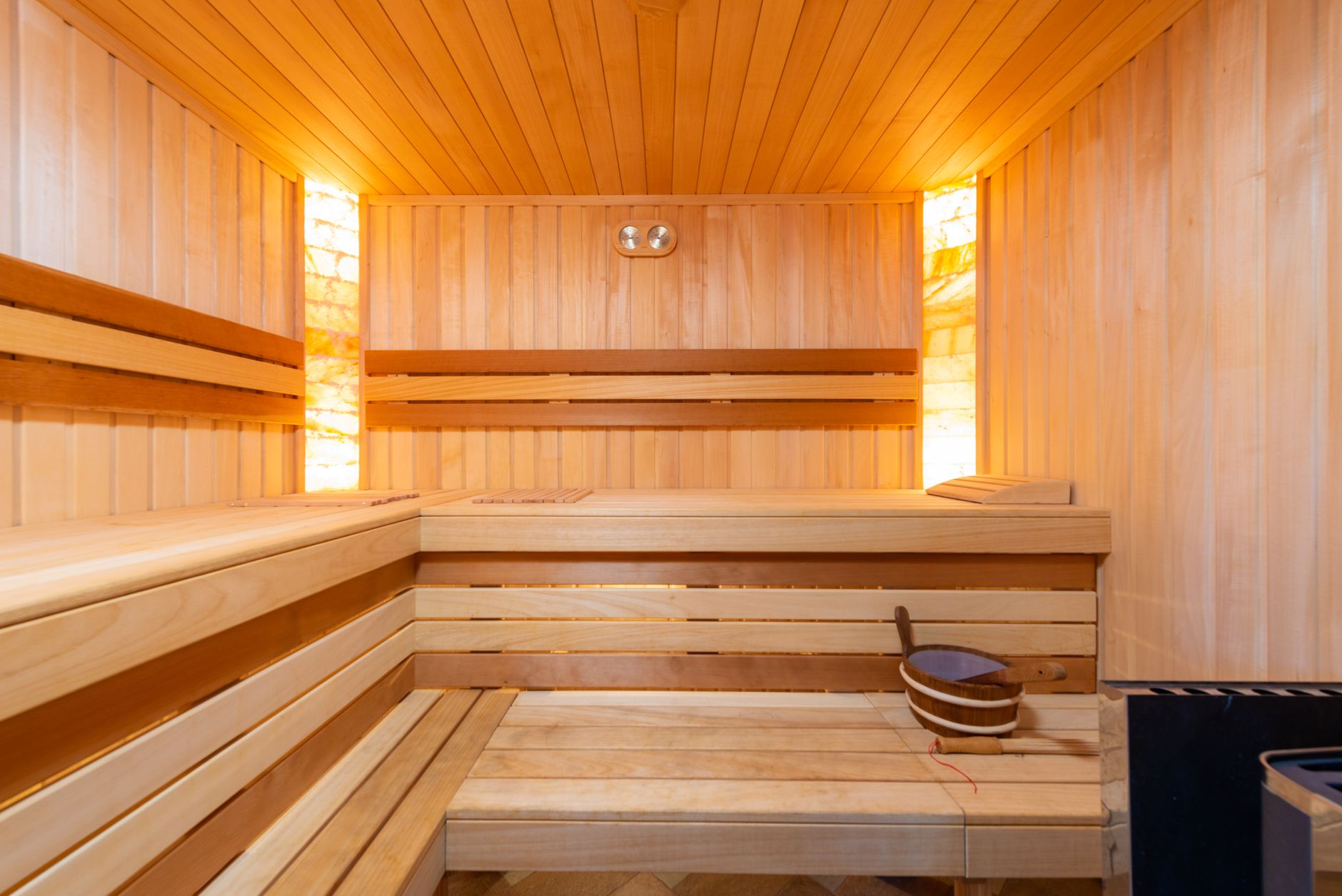
Frequency and duration both mattered in the Finnish cohort data. Frequency showed the strongest independent association. Four to seven weekly sessions had the lowest hazard ratios. But each session did not need to be extremely long. Men who stayed in for more than 19 minutes had lower risk than men who stayed under 11 minutes. Very long sessions beyond 30 minutes did not consistently show additional benefit. That suggests a reasonable dose, not an endless soak.
Temperature is more difficult to study. Finnish saunas are generally hot. Most participants used a traditional sauna at roughly 80 to 100 degrees Celsius. The studies did not randomly assign temperatures. So no one knows the optimal heat for longevity. A sauna hot enough to make you sweat heavily may be enough to raise heart rate. Cooler infrared saunas may produce different cardiovascular and tissue effects. Harvard Health has summarized the Finnish findings as a strong association, not a prescription. Their review emphasizes that sauna use should not replace other prevention strategies.
For home equipment differences, compare best infrared saunas. The Finnish longevity evidence applies most directly to traditional sauna bathing. Infrared saunas may offer their own benefits, but the long-term mortality data are thinner.
What Are the Limits of the Finnish Cohort Evidence?
The largest limit is confounding. People who sauna frequently may also exercise more, smoke less, drink less alcohol, and have more leisure time. The Finnish researchers adjusted for many of these factors. But unknown differences could still influence the results. Observational research cannot prove that sauna bathing lowers mortality. Only randomized assignments can do that, and long-term mortality trials are rare.
The original 2015 cohort included only middle-aged men. Later analyses added women and tracked stroke. Those studies found similar protective associations, but the evidence in women is less extensive. The population was also Finnish. Sauna culture and bathing practices there are specific. Findings may not transfer equally to every population or sauna type.
Some people should avoid sauna bathing or seek medical clearance first. The Cleveland Clinic warns that sauna use stresses the heart and lowers blood pressure. This can be risky for people with unstable angina, recent heart attack, severe aortic stenosis, or uncontrolled blood pressure. Alcohol before or during sauna is dangerous. It increases the risk of arrhythmia and fainting. For cold recovery options, see cold plunge benefits, but check with your doctor if heart disease is present.
How Should You Use Sauna for Long-Term Heart Health?

Start slowly if you are new to sauna. Begin with one or two sessions per week. Keep each session to 10 or 15 minutes. Increase frequency only if you tolerate it well. The Finnish data linked the lowest risk with four to seven weekly sessions. But that level is not mandatory for everyone. Consistency matters more than an aggressive start. Hydrate before and after. Avoid alcohol. Cool down gradually.
Know your health baseline. Check blood pressure regularly if you have hypertension or a heart condition. If you use a home sauna, follow the manufacturer instructions for temperature and time. A traditional Finnish sauna at 80 to 100 degrees Celsius matches the research conditions. You can work up to that range. For most healthy adults, sweating and a noticeable heart rate increase are signs of adequate heat exposure. Stop if you feel dizzy, nauseated, or short of breath.
Sauna works best as one piece of a broader routine. Regular aerobic exercise remains one of the strongest evidence-based habits for heart health. Sauna may complement fitness. Some Finnish studies suggest that combining good cardiorespiratory fitness with frequent sauna use produces the lowest risk. That is not a reason to skip workouts. Think of sauna as a recovery and circulation add-on.
- Start with one or two weekly sessions and 10 to 15 minutes each.
- Hydrate before and after sauna use.
- Skip alcohol before and during the sauna.
- Stop if you feel dizzy, nauseated, or short of breath.
- Monitor blood pressure if you have hypertension.
Frequently Asked Questions
Does sauna use actually increase lifespan?
Observational Finnish data link frequent sauna bathing with lower all-cause mortality, but they do not prove causation. People who sauna often may have other healthy habits. The association is consistent, but lifespan is influenced by many factors.
How many sauna sessions per week did the Finnish studies link to lower risk?
Four to seven weekly sessions showed the lowest hazard ratios in the main cohort. Two to three weekly sessions also showed lower risk than one session per week, but the strongest signal appeared in the highest frequency group.
Do traditional saunas and infrared saunas have the same evidence for heart health?
No. The Finnish longevity research used traditional saunas at roughly 80 to 100 degrees Celsius. Infrared saunas may offer benefits, but long-term mortality data for infrared heat are much thinner.
Can sauna use replace exercise for heart health?
No. Sauna stress does not provide the same muscular, metabolic, and fitness adaptations as regular exercise. It may complement physical activity, but it should not replace it.
Who should avoid sauna bathing or check with a doctor first?
People with unstable angina, recent heart attack, severe aortic stenosis, or uncontrolled blood pressure should be cautious. Anyone with a known heart condition should get medical clearance before frequent sauna use.
What sauna temperature and duration match the Finnish cohort studies?
Most participants used traditional Finnish saunas at about 80 to 100 degrees Celsius. Sessions lasting more than 19 minutes were linked to lower risk than sessions under 11 minutes, though very long sessions did not consistently add benefit.
What Should You Remember?
- Finnish cohort data linked four to seven sauna sessions per week to a 40 percent lower all-cause mortality hazard compared with once-weekly use.
- Frequent sauna bathing was associated with lower sudden cardiac death and fatal cardiovascular disease risk.
- Longer sessions over 19 minutes showed a stronger inverse association than sessions under 11 minutes.
- Observational evidence cannot prove sauna use causes longer life; confounding remains possible.
- Traditional Finnish saunas at 80 to 100 degrees Celsius are the source of the strongest longevity data.
- Sauna is not a replacement for exercise, blood pressure control, or medical care.
- Check with your doctor before frequent sauna use if you have unstable heart disease or uncontrolled blood pressure.
This article is for general information only and is not medical advice. Cold water immersion and sauna use can be risky for people with cardiovascular conditions, Raynaud’s disease, or who are pregnant. Always consult a physician before beginning cold therapy or heat therapy.