Cold plunge temperature is not about bragging rights. It is about matching water temperature to your goal, experience, and health status. The research does not settle on one magic number. Many controlled trials use water between 50 and 59 degrees Fahrenheit. That range is cold enough to trigger physiological responses but tolerable for brief repeated sessions. It also shows broad recovery effects in healthy adults. If you are chasing a lower number without a plan, you may be adding risk without adding benefit. Temperature is only one variable. Duration, frequency, and your own adaptation matter just as much. Reading a single temperature chart online can mislead you if it ignores those pieces.
If you are new, starting at 68 degrees may feel cold enough. If you train hard, 50 degrees may help with soreness after intense sessions. The right answer depends on duration, frequency, and how your body has adapted over time. Our cold plunge temperature guide covers the practical side of setting a tub or chest freezer. This article focuses on what peer-reviewed research and clinical sources actually say. We will separate measured effects from preliminary signals. You will see that the evidence supports a narrow but flexible range.
A note on safety. Cold water immersion is not harmless. The first minute in cold water triggers a gasping reflex and rapid heart rate changes. People with heart conditions or high blood pressure need clearance from a clinician. Our cold plunge safety guide for beginners explains the risks and how to reduce them. The science we review assumes healthy adults and brief exposure. It also assumes you are not combining cold plunging with alcohol, stimulants, or certain medications. When in doubt, warm up first.
| Temperature Range | Typical Sensation | Best Use | Evidence Notes |
|---|---|---|---|
| Below 40°F (4.4°C) | Numbing, risky cold shock | Very brief advanced exposure | Rarely used in recovery studies |
| 40°F to 49°F (4.4°C to 9.4°C) | Severe cold shock, rapid cooling | Short advanced sessions | Few trials; higher safety burden |
| 50°F to 59°F (10°C to 15°C) | Uncomfortable but tolerable | Post-exercise recovery and habituation | Most common range in peer-reviewed trials |
| 59°F to 68°F (15°C to 20°C) | Cool, mild cold shock | Beginner sessions and longer exposure | Less studied; still useful for adaptation |
What Does the Research Say About Cold Plunge Temperature and Recovery?
Most research on cold water immersion for recovery does not test one single best temperature. Instead, studies compare cold water immersion with passive recovery, warm water, or contrast therapy. The water temperatures in these trials usually fall between 10 and 15 degrees Celsius. That is 50 to 59 degrees Fahrenheit. This range appears cold enough to reduce perceived muscle soreness without requiring dangerously long exposure. You can review the full body of work through peer-reviewed studies on PubMed.
A 2012 Cochrane systematic review is still one of the most cited sources on this topic. The review pooled data from 17 small trials and found that cold water immersion reduced delayed onset muscle soreness by about 20 percent at 24 and 48 hours after strenuous exercise compared with passive recovery. That is a real measured effect on soreness ratings. The effect on muscle function and strength recovery is less consistent. Some trials show faster return to baseline power. Others show no meaningful difference. The same review noted that the quality of evidence was low, which means the size of the benefit could change as larger studies appear.
One important nuance is that cold water may not be the best tool for every training goal. Some evidence suggests that regular cold immersion after resistance exercise can dampen muscle protein synthesis and strength gains. This is not settled science, but it is enough to make a careful recommendation. If your primary goal is muscle growth, use cold plunges selectively or separate them from lifting sessions. For sport recovery and perceived soreness, the 50 to 59 degree range has the strongest track record. See cold plunge benefits for a bigger picture.
The research also tells us that colder is not necessarily better. Very few controlled trials test water below 8 degrees Celsius (46 degrees Fahrenheit). The added cold may intensify discomfort and safety risk without clearly improving recovery. That is a key reason why the broad 10 to 15 degree range persists in protocols. It is cold enough to be useful but not so cold that it becomes a different physiological event.
Why Is 50 to 59 Degrees Fahrenheit Often Cited as the Sweet Spot?
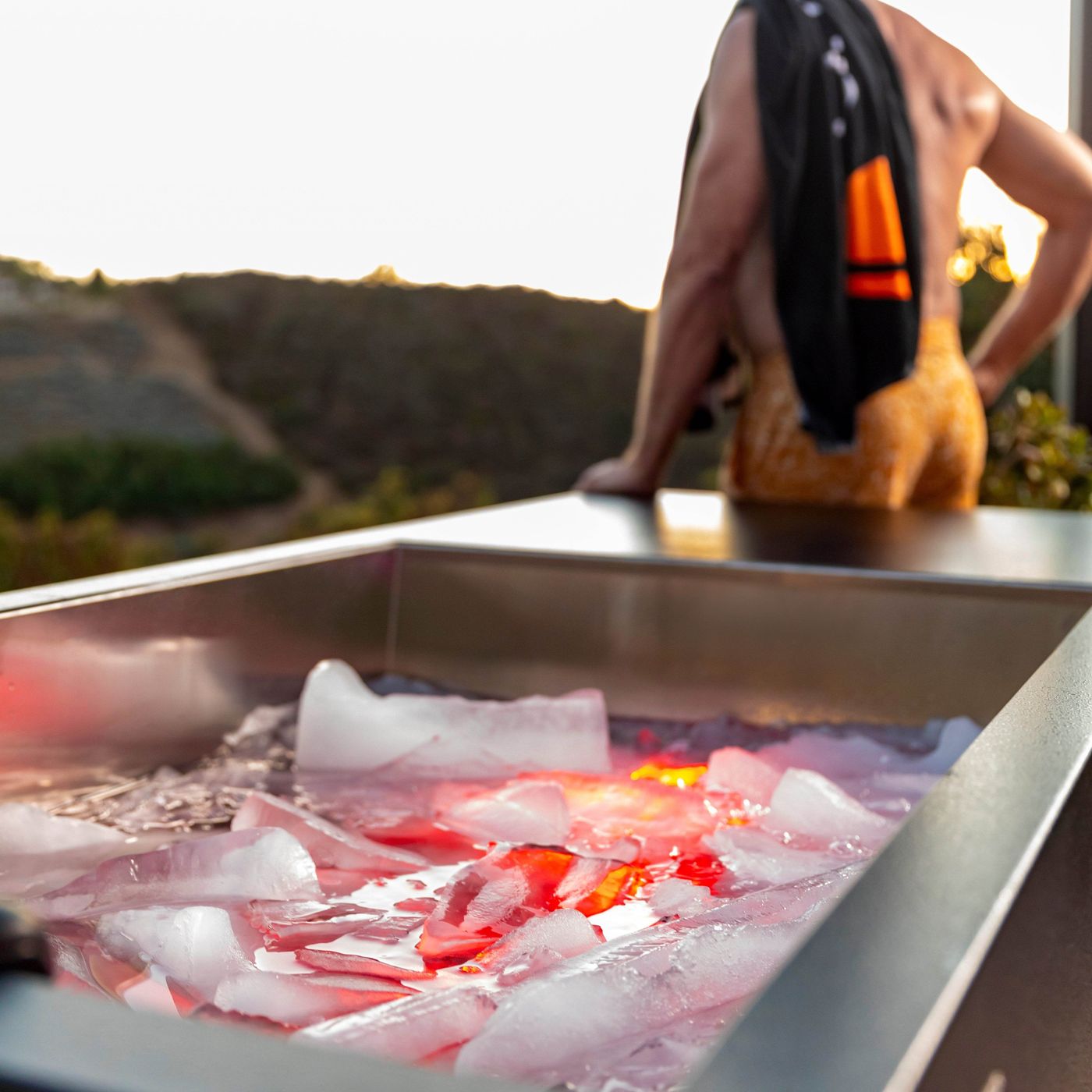
The 50 to 59 degree Fahrenheit range is often called a sweet spot because it balances two competing needs. It is cold enough to trigger vasoconstriction. Blood vessels in the skin and muscles narrow, which may reduce swelling and fluid accumulation after hard exercise. It is also tolerable enough for healthy adults to stay in for five to ten minutes without immediate loss of coordination. Most people can learn to breathe through the first 30 seconds in this range. That makes it practical for repeated sessions.
Researchers also use this range because it produces measurable changes in circulating hormones and metabolites. One widely referenced experiment measured a 200 to 300 percent increase in plasma norepinephrine after immersion in 10 degree Celsius water for 10 minutes. Norepinephrine is a hormone and neurotransmitter involved in alertness, blood pressure regulation, and the stress response. That spike is a clear physiological response to cold. It does not prove a long term health benefit, but it shows the body is being stressed in a measurable way.
At warmer temperatures near 68 degrees Fahrenheit (20 degrees Celsius), the cold shock response is much weaker. You will still feel cool, but the cascade of vasoconstriction and stress hormone release is less pronounced. At colder temperatures near 40 degrees Fahrenheit (4.4 degrees Celsius), the shock becomes severe for most people. The sweet spot of 50 to 59 degrees is not magic, but it sits where studies see effects and participants can usually tolerate the exposure. How often you use it matters too. The frequency discussion is covered in how often to cold plunge.
How Does Water Temperature Change the Cold Shock Response?
Cold shock is the body’s immediate set of reflexes after sudden immersion in cold water. It includes a large involuntary gasp, rapid breathing, a spike in heart rate, and a sharp rise in blood pressure. These responses begin within seconds and peak in the first 30 seconds. Water temperature is the main driver. Below 15 degrees Celsius (59 degrees Fahrenheit), the cold shock response becomes strong. Below 10 degrees Celsius (50 degrees Fahrenheit), it can feel overwhelming if you are not acclimated.
The gasping reflex is especially important. If your face and chest enter cold water too fast, you may inhale water before you can control your breathing. This is why safe protocols tell you to enter gradually and control your exhale. The body also constricts blood vessels in the arms and legs to preserve core temperature. That peripheral vasoconstriction is part of why cold plunge supports the idea of reduced swelling and soreness. But the same response raises cardiac workload, which is a risk for people with underlying heart disease.
Repeated exposure changes the response. Cold habituation studies show that after five to seven brief immersions, the peak heart rate and respiratory responses become smaller. The body learns that the cold is not going to kill it. The water does not need to be warmer. The person simply adapts. This is one reason a beginner protocol starts with short sessions and gradually builds tolerance. Our cold plunge protocol for beginners walks through that progression step by step.
The colder the water, the faster you lose heat. At 5 degrees Celsius (41 degrees Fahrenheit), cold shock and rapid skin cooling can impair hand function and make exit harder within a few minutes. At 15 degrees Celsius (59 degrees Fahrenheit), most healthy adults can move and breathe more easily. That does not mean 15 degrees is safe for unlimited time. It means the margin for error is wider. Temperature changes the exposure from uncomfortable to dangerous on a spectrum, not at a single threshold.
What Temperature Ranges Do Beginners and Advanced Users Need?
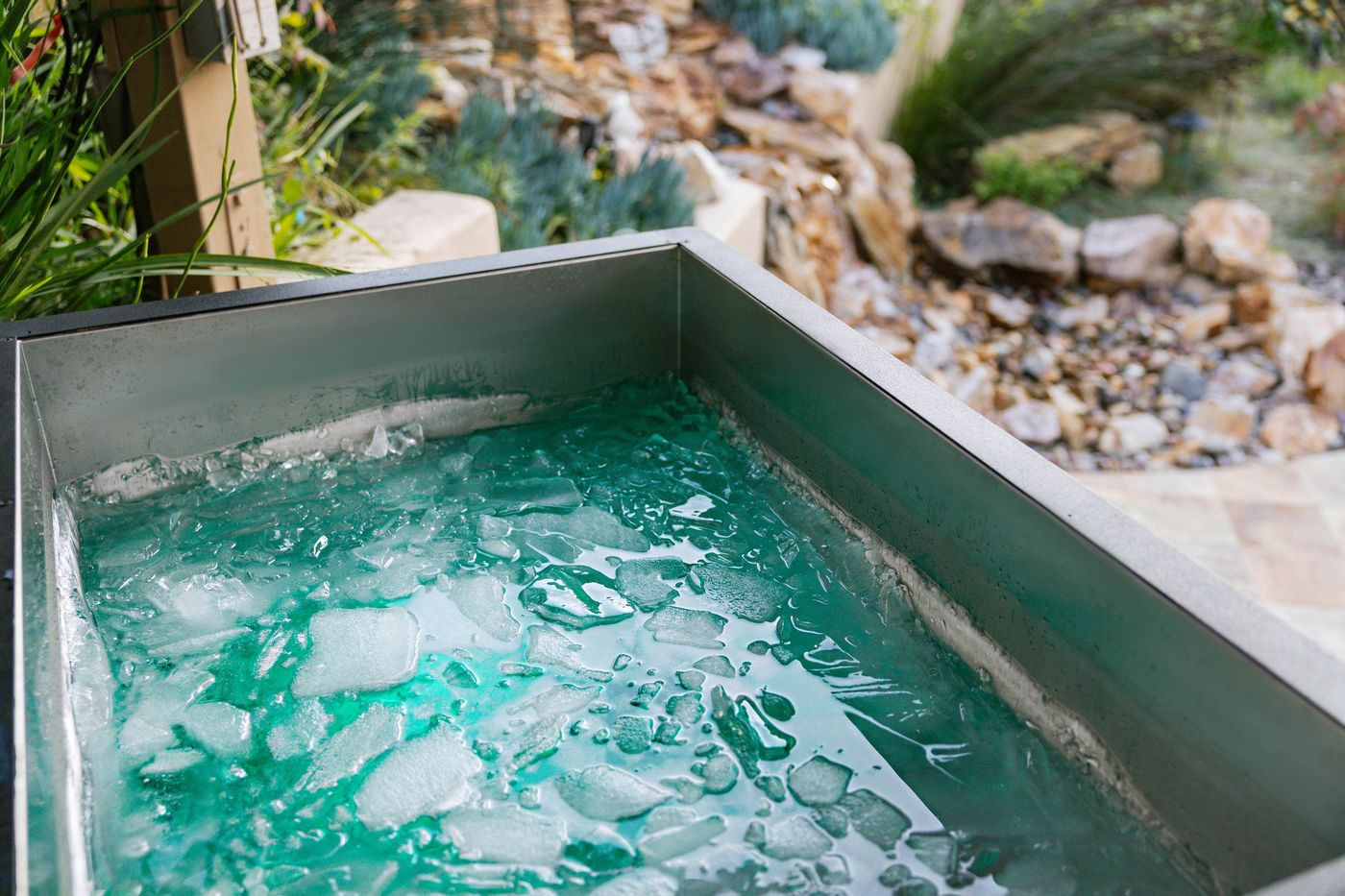
Beginners do not need to jump into 40 degree water to get a response. A starting range of 59 to 68 degrees Fahrenheit (15 to 20 degrees Celsius) is often enough to feel cold shock while staying controlled. Start with one to three minutes. The goal is to train the breathing response and learn how your body reacts. After a week or two, you can lower the temperature by a few degrees. The cold plunge vs ice bath comparison helps you decide if a dedicated cold plunge or a chest freezer setup is better for holding your target temperature.
Intermediate users often settle in the 50 to 59 degree range. This is where most recovery research sits. Sessions of three to five minutes are common. At this stage, people are usually less interested in escaping the cold and more interested in consistent exposure. The effect on perceived soreness and mood is likely similar whether you are at 50 or 58 degrees. Small differences in temperature matter less than consistency and time in water.
Advanced users sometimes push down to 40 to 49 degrees Fahrenheit (4.4 to 9.4 degrees Celsius). Some athletes like this range. Research has not shown that 40 degrees is clearly better than 55 degrees for recovery. The risks do increase. Cold shock is more intense, and skin numbing occurs faster. Experienced users often cap these sessions at one to three minutes. If you go this cold, use a thermometer, a timer, and a spotter. The added intensity is not required for most people.
The table below summarizes common temperature bands. Remember that these are practical ranges, not medical prescriptions. Individual cold tolerance, body fat, and prior adaptation can shift how a given temperature feels.
How Long Should You Stay in Different Cold Plunge Temperatures?
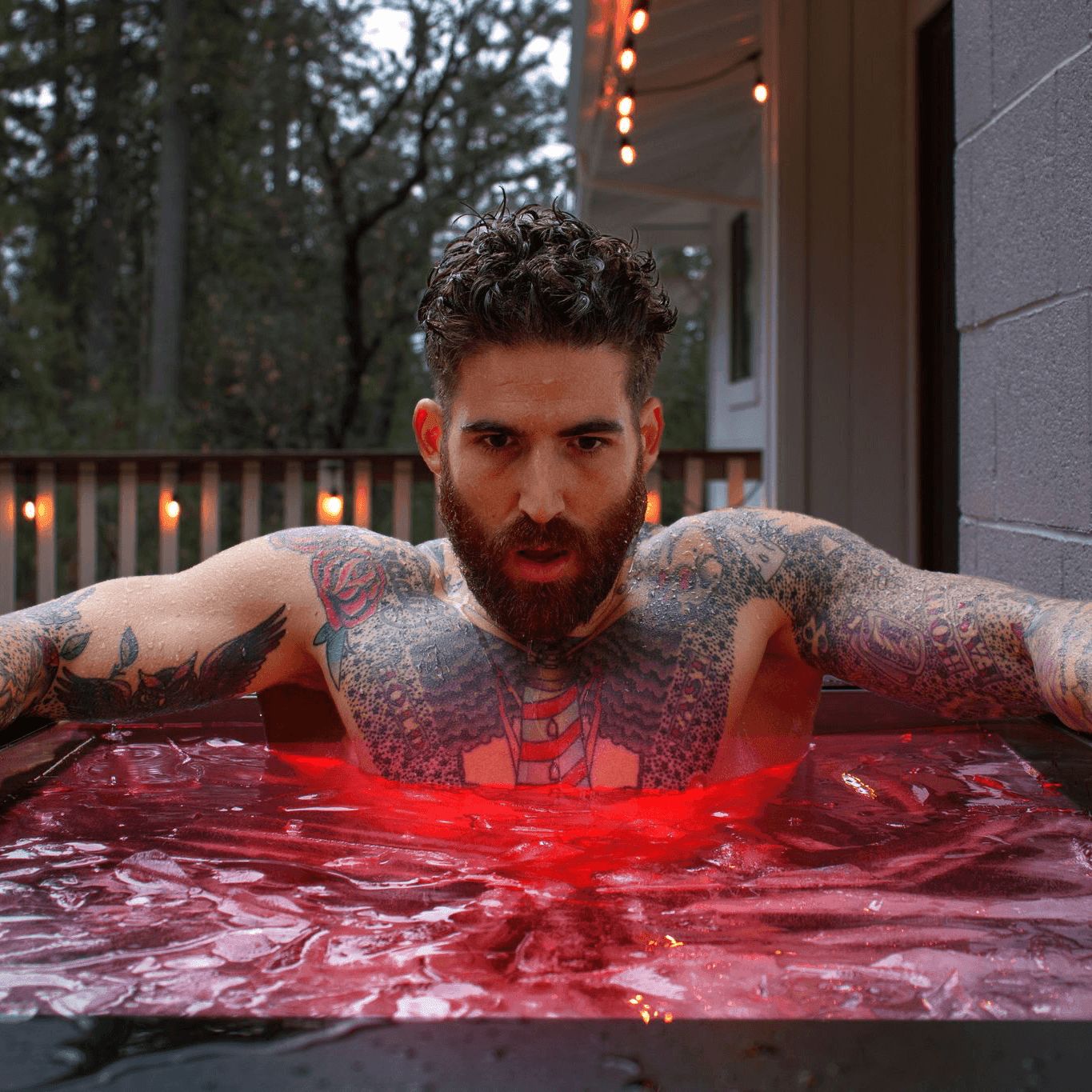
Duration is the second half of the dose equation. The same temperature can be safe or risky depending on how long you stay in. At 59 degrees Fahrenheit (15 degrees Celsius), many healthy adults can stay in for five to ten minutes. At 50 degrees Fahrenheit (10 degrees Celsius), most studies use three to five minutes. At 41 degrees Fahrenheit (5 degrees Celsius), one to three minutes is usually enough. These are not strict limits. They are starting points based on common research protocols and clinical safety guidance.
Cleveland Clinic notes that cold plunging should be short and that first-timers should start with very brief exposures. Cleveland Clinic’s health guidance also emphasizes that people with heart disease, uncontrolled high blood pressure, or pregnancy should talk to a doctor before cold exposure. This aligns with the broader pattern in the research. Short sessions produce measurable effects without pushing the body into early hypothermia or severe cold shock.
Time and temperature trade off. If you want a longer session, use warmer water. If you want a more intense cold stress, use colder water for less time. That is why a 10 minute soak at 60 degrees can feel completely different from a 3 minute soak at 45 degrees. Both can stimulate the cold response, but the risks are not identical. A home thermometer and timer take the guesswork out of this trade off.
Shivering is a useful signal. Light shivering is normal and part of the cold response. Uncontrollable shivering means you are losing heat faster than you can produce it. Numbness, dizziness, or a sudden feeling of warmth are signs to exit. Do not push through these. The goal is controlled stress, not a contest.
What Do Safer Protocols Say About Temperature Limits?
Safety guidance is less about one exact temperature limit and more about context. Harvard Health warns that sudden cold exposure stresses the cardiovascular system and can trigger dangerous heart rhythms in people with underlying disease. Harvard Health recommends caution for anyone with heart conditions. The risk is highest in the first few seconds because of the cold shock response. That is why gradual entry and breathing control matter as much as the number on the thermometer. Mayo Clinic similarly advises that cold water immersion can be hazardous for people with heart disease and that medical clearance is wise.
For healthy adults, a practical lower limit is around 39 degrees Fahrenheit (4 degrees Celsius). Below that, water is near freezing and cold injury risk rises quickly. Even at 50 degrees Fahrenheit, you should never cold plunge alone if you are new. Use a thermometer to verify the actual water temperature. Ice baths and chest freezers can drift. A quality tub with accurate control helps you stay consistent and safe.
Another underrated factor is water movement. Stagnant water near your skin warms up slightly, while moving water removes heat faster. Cold plunge tubs with circulation can feel colder at the same temperature than a still ice bath. This is why two people using 50 degree water may have different experiences. Temperature is not a perfect proxy for cold dose. Duration, water movement, body size, and acclimation all shape the response.
The safest protocol is boring. Start warmer. Go shorter than you think. Have a plan for warming up afterward. Avoid alcohol and stimulants before plunging. If you are using cold exposure for medical symptoms, do not substitute it for standard care. The science on cold plunge temperature is promising for recovery and perceived soreness, but it is not a proven treatment for chronic disease. Keep the risk in view.
Frequently Asked Questions
What is the best cold plunge temperature for recovery?
Most recovery studies use water between 50°F and 59°F (10°C to 15°C). That range reduced perceived muscle soreness by about 20 percent in a 2012 systematic review. Colder water is not clearly better for recovery.
Can beginners start at 50 degrees Fahrenheit?
Some beginners can, but it is usually smarter to start at 59 to 68 degrees Fahrenheit. Give yourself one to three minutes to learn the breathing response before lowering the temperature.
How long should I stay in a cold plunge at 45 degrees?
Limit it to one to three minutes if you are healthy and experienced. At this temperature cold shock is strong and skin numbing occurs quickly. Always use a timer and consider a spotter.
Does colder water burn more calories or boost metabolism more?
Colder water produces a larger stress response, which may increase energy expenditure. The evidence is preliminary and the added risk may not be worth it for most people.
Is 59 degrees cold enough to get benefits?
Yes. At 59 degrees Fahrenheit (15 degrees Celsius) you still get vasoconstriction and a mild cold shock response. Many studies use this exact temperature for five to ten minutes.
Are there people who should avoid cold plunging altogether?
People with uncontrolled high blood pressure, heart rhythm problems, Raynaud’s disease, or pregnancy should speak with a clinician before cold exposure. Never cold plunge alone if you have a relevant medical history.
What Should You Remember?
- 50°F to 59°F is the most studied recovery range, not the only workable range.
- Start at 59°F to 68°F if you are new. Learn breathing control before going colder.
- Duration changes the dose. Colder water requires shorter sessions.
- Cochrane review data showed a 20 percent reduction in muscle soreness at 24 and 48 hours.
- Cold shock peaks in the first 30 seconds. Enter gradually and control your exhale.
- Colder is not always better for recovery. Below 50°F adds risk without clear added benefit.
- Check with a doctor before cold plunging if you have heart or blood pressure conditions.
This article is for general information only and is not medical advice. Cold water immersion and sauna use can be risky for people with cardiovascular conditions, Raynaud’s disease, or who are pregnant. Always consult a physician before beginning cold therapy or heat therapy.