Cold plunging has grown from an athlete recovery habit into a mainstream wellness ritual. Many people now wonder whether a few minutes in cold water can change blood cholesterol and reduce cardiovascular risk. Cholesterol is a waxy fat that travels in the blood and contributes to arterial plaque. The idea that cold immersion could improve a lipid panel is appealing because it sounds simple and natural. But the science is not settled. We need to separate acute physiological stress from long-term cholesterol lowering.
Cholesterol management usually depends on diet, physical activity, genetics, and sometimes medication. Cold water immersion does affect circulation, brown fat, and the nervous system. Some of those pathways overlap with metabolic health. That overlap does not prove that cold plunging lowers LDL or raises HDL. This article reviews what peer-reviewed research and clinical sources say about cold plunges and cholesterol. If you are new to the topic, see our overview of cold plunge benefits.
Before you change your routine, know that high LDL cholesterol often requires medical guidance. Cold plunging may support other cardiovascular risk factors, but it is not a substitute for statins or lifestyle changes recommended by your doctor. Let’s examine the evidence without overstating it.
| Cardiovascular Marker | Acute Cold Plunge Response | Long-Term Evidence Strength |
|---|---|---|
| Heart rate | Increases sharply | Moderate evidence for habituation |
| Blood pressure | Temporary spike | Mixed evidence for improvement |
| HDL cholesterol | No immediate change | Weak observational signal only |
| LDL cholesterol | No immediate change | No consistent reduction in trials |
| Norepinephrine | Several-fold increase | Habituation with regular exposure |
| Inflammation | May rise then fall | Preliminary and mixed |
How Does Cold Water Immersion Affect the Cardiovascular System?
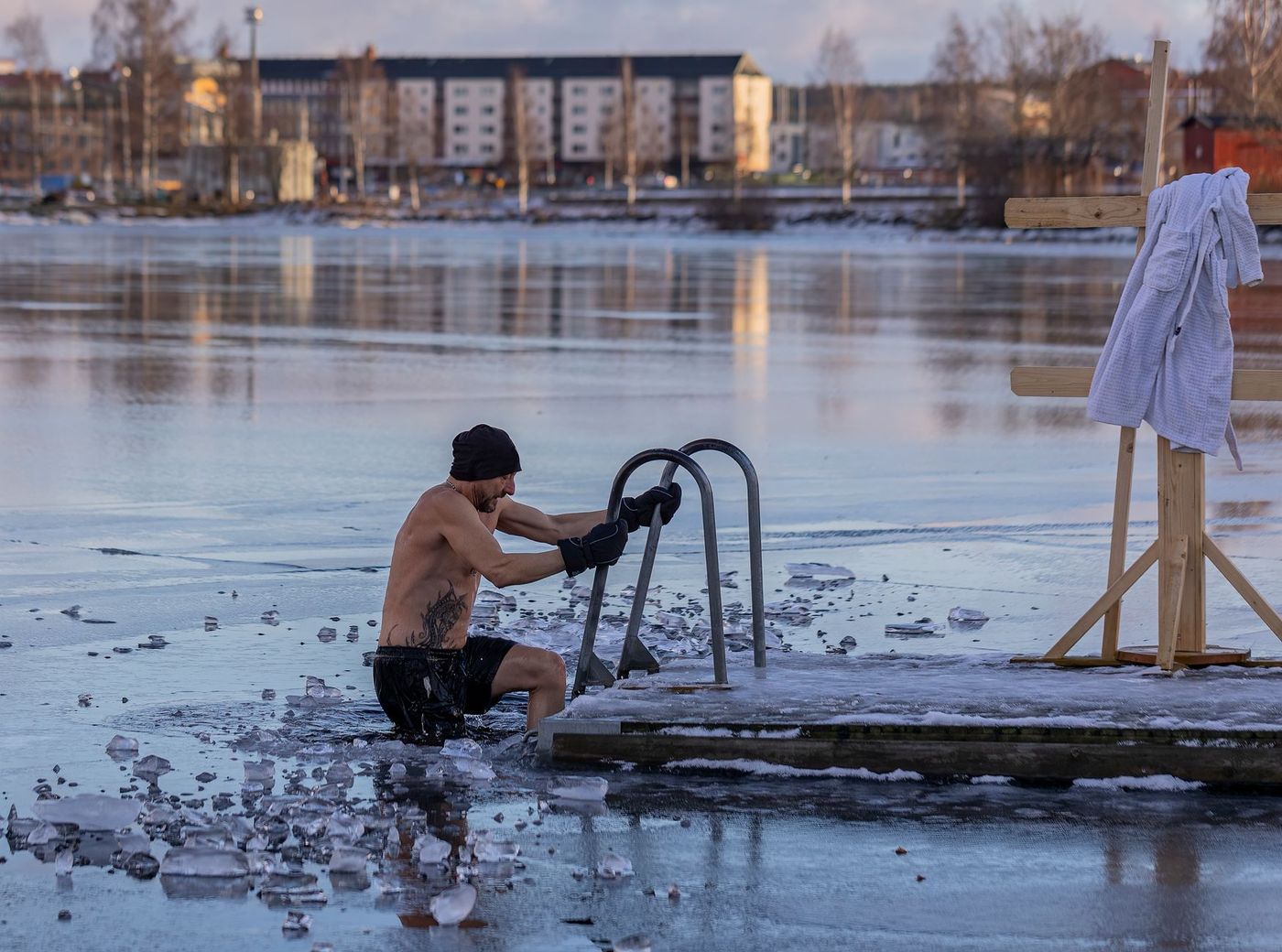
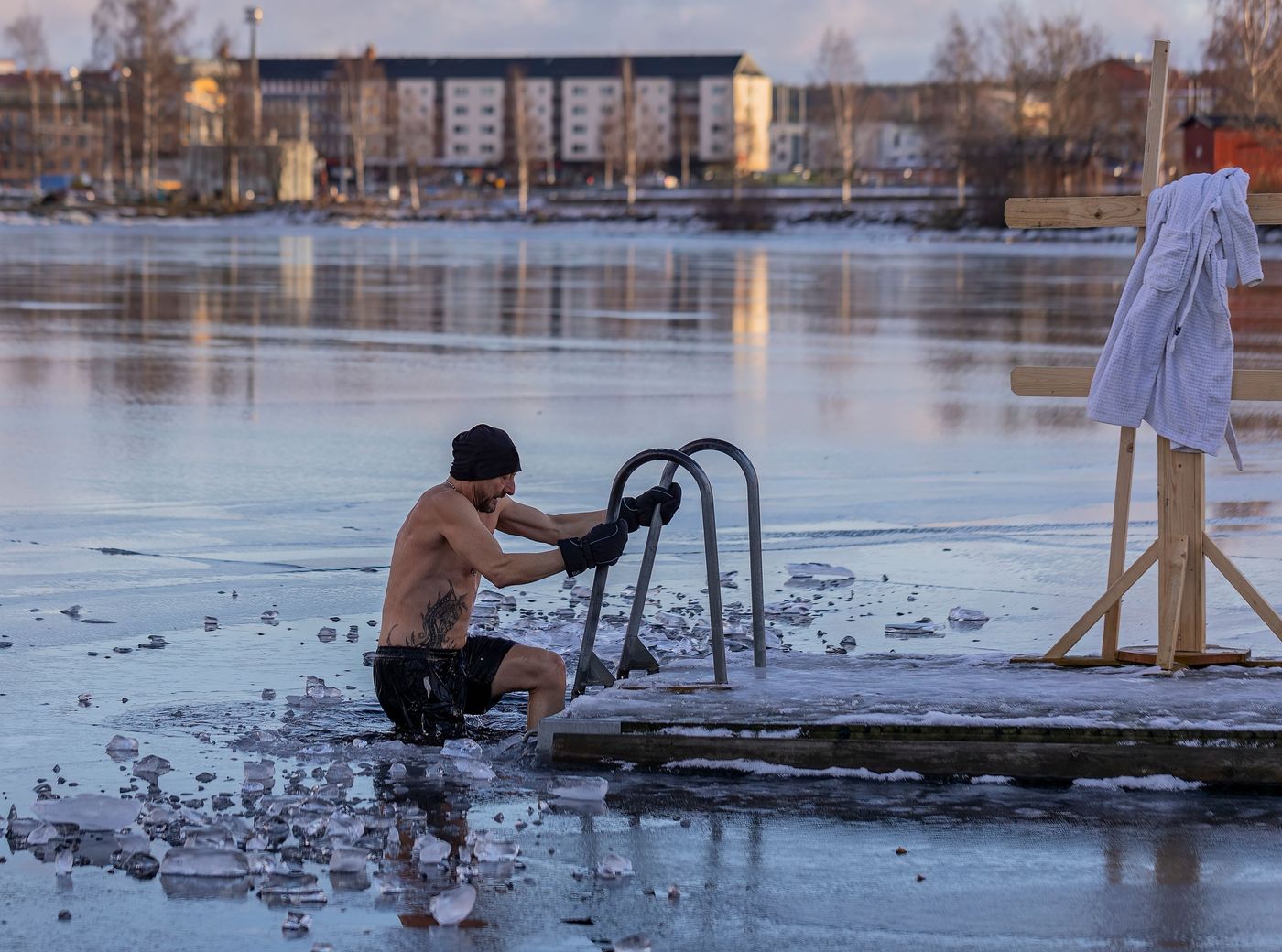
When you enter cold water, skin temperature drops quickly. Blood vessels in the skin constrict. This redirects blood toward the core. Heart rate and blood pressure rise within seconds. The sympathetic nervous system releases norepinephrine and adrenaline. Some studies report that norepinephrine can increase by 200 to 500 percent during cold immersion. Systolic blood pressure can also climb by 20 mmHg or more in unacclimated adults. That is a powerful stress response. The body is trying to preserve heat and maintain core temperature.
After the first minute or two, the response starts to shift. Heart rate may slow as the parasympathetic system engages. With repeated exposure over weeks, many people experience a smaller blood pressure spike and a faster recovery. This is a form of habituation. It does not mean cholesterol changes. It means the nervous system becomes more tolerant of cold stress. You can read more about these blood pressure changes in our cold plunge blood pressure article.
The acute cardiovascular effects are well documented. Long-term cardiovascular benefits are more preliminary. Some observational studies of winter swimmers show lower resting heart rate and better heart rate variability. Those are favorable signs, but they do not directly show reduced LDL cholesterol. PubMed hosts many of these studies if you want to review the primary data.
A key distinction matters here. A cold plunge is a stressor, not a medication. Acute stress can temporarily change blood lipids in some animal models because fatty acids are released for fuel. In humans, one session is unlikely to move a standard lipid panel in a meaningful way. The adaptations people care about happen over time and depend on dose, temperature, and individual health status. For safe temperature ranges, see our cold plunge temperature guide.
Can Cold Plunging Lower LDL or Raise HDL Cholesterol?
The short answer is that there is no strong human evidence to say yes. Randomized controlled trials specifically testing cold plunge protocols and lipid outcomes are scarce. Most studies are small, short, or observational. Some winter swimming studies report lower triglycerides or higher HDL in regular cold swimmers compared with non-swimmers. Those differences could come from the fact that winter swimmers tend to exercise more, eat differently, or have other healthy habits. The cold water itself may not be the cause.
Animal research offers some biological plausibility. Cold exposure can increase fatty acid oxidation and improve insulin sensitivity in rodents. But human cholesterol regulation is complex. LDL, HDL, and triglycerides respond to diet, body weight, genetics, and medications more than to a brief cold stress. According to a PubMed search of cold exposure and lipid studies, the results are mixed and often small. Some small trials show no significant lipid changes after weeks of cold exposure, while a few observational reports show favorable trends.
Advanced lipid markers like LDL particle number and apolipoprotein B are stronger risk markers than LDL cholesterol alone. No cold plunge studies have tracked these advanced lipid markers in a rigorous way. This is why we say cold plunging is not a proven cholesterol treatment. It may be a useful recovery or resilience tool, but it should not replace evidence-based lipid management. If you want to understand what cold plunge does support, read does cold plunge work. The evidence for muscle soreness and mood is stronger than the evidence for lipid changes.
What Does Cold Exposure Do to Brown Fat and Metabolism?
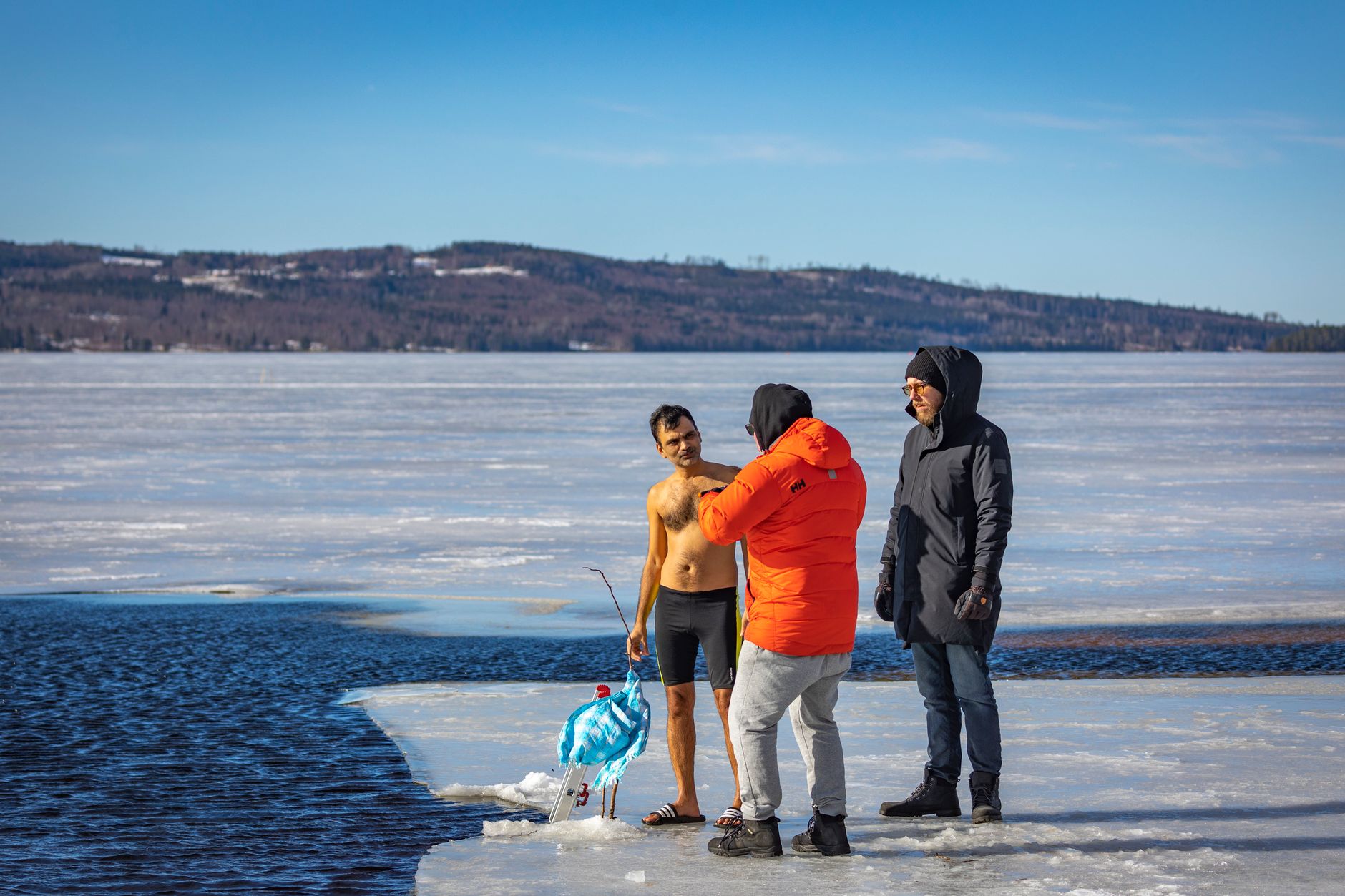
Brown adipose tissue, or brown fat, is a special type of fat that burns calories to produce heat. Cold exposure is one of the strongest known activators of brown fat. When brown fat becomes active, it takes up glucose and fatty acids from the blood. This is why researchers are interested in cold exposure for metabolic health. A 2014 study found that 10 days of mild cold acclimation increased brown fat volume by about 45 percent and increased cold-induced energy expenditure. That is a measurable metabolic change.
Could that lower cholesterol? In theory, burning more fatty acids might reduce triglycerides or improve lipid profiles. In practice, the effect size on standard cholesterol tests is not clear. Brown fat mass is only a small fraction of total body fat. It is unlikely to reverse high LDL on its own. The metabolic benefits of cold exposure may be more relevant for blood sugar control and insulin sensitivity than for cholesterol directly. Some small studies suggest brown fat activation may improve triglyceride clearance after a high fat meal, but the effect is modest.
You do not need extreme cold to activate brown fat. Mild shivering and non-shivering thermogenesis can do it. Most cold plunge protocols use water around 50 to 59 degrees Fahrenheit. For more detail on how cold is cold enough, see our cold plunge temperature guide. The key point is that brown fat activation is real, but it is not a magic switch for your lipid panel.
Does Cold Plunge Reduce Inflammation and Other Cardiovascular Risk Factors?
Cholesterol is not the only thing that matters for heart health. Blood pressure, insulin sensitivity, inflammation, and heart rate variability also influence cardiovascular risk. Cold water immersion may affect some of these. Regular cold exposure can improve the body’s ability to manage stress. Some small studies suggest cold water swimming may reduce markers of inflammation, such as C-reactive protein. Other studies show no change. The evidence is mixed and comes from different populations.
One reason people feel better after cold plunging is the parasympathetic rebound. After the initial shock, the body often shifts into a calm state. Over time, some people show better heart rate variability, which is a sign of autonomic balance. This does not directly lower cholesterol, but it may be good for overall cardiovascular resilience. Harvard Health notes that cold exposure research is promising for some metabolic and mood outcomes, but it is not a proven treatment for heart disease.
For people with high blood pressure, the temporary spike during immersion is a real concern. That is why medical clearance matters. You can learn more in our cold plunge blood pressure guide. If you have high cholesterol plus hypertension, your risk profile is different from a healthy athlete’s. Cold plunging might help one risk factor while momentarily worsening another. The net effect is not fully known. Some cold water immersion studies in athletes also show lower creatine kinase and reduced muscle soreness, which supports recovery but not lipid changes.
Is Cold Plunging Safe for People With High Cholesterol?

High cholesterol alone does not always prevent cold plunging. But high cholesterol often travels with other conditions like hypertension, diabetes, or coronary artery disease. The cold shock response can cause a rapid rise in blood pressure and heart rate. For someone with unstable heart disease or severe hypertension, that spike can be dangerous. The Cleveland Clinic advises caution with cold water immersion for people with cardiovascular conditions. Always talk to a doctor before starting cold plunging if you have a heart condition or uncontrolled blood pressure.
Start gradually. A short exposure of 30 to 60 seconds in water that is not frigid is less shocking than jumping into a 40 degree tub. Our cold plunge safety guide for beginners covers entry, breathing, and warning signs. Our cold plunge protocol for beginners gives a step-by-step plan. The goal is to build tolerance without overwhelming your cardiovascular system.
Do not use cold plunging as a way to avoid cholesterol medication. Statins and other lipid-lowering drugs have strong evidence for reducing heart attacks and strokes. Cold plunge has no such evidence. It can be a complementary practice, but it cannot replace medical treatment. If your cholesterol is high, your doctor should be part of the conversation. If you also have a family history of early heart disease, the risk calculation changes. A cardiologist can help you decide whether cold exposure is appropriate for you.
How Should You Use Cold Plunge If You Want Heart Health Benefits?
If you want to support cardiovascular health, think of cold plunging as one piece of a larger plan. Regular aerobic exercise, a diet rich in fiber and unsaturated fats, good sleep, and medication when needed are the foundation. Cold immersion may add a mild stress resilience benefit. It is not a shortcut to lower cholesterol. Even 150 minutes per week of brisk walking has stronger evidence for raising HDL and lowering triglycerides than cold immersion.
A practical approach is to start with 1 to 3 minutes at 55 to 60 degrees Fahrenheit two or three times per week. Pay attention to your breathing. Exhale slowly as you enter. Get out if you feel dizzy, overly cold, or have chest discomfort. Combine cold plunging with sauna use if your doctor says it is safe. Some people alternate heat and cold, but the order matters less than your overall tolerance.
Monitor how you feel over several weeks. Notice your recovery, mood, and energy. Do not expect a major change in your lipid panel. If you want to track cholesterol, get a blood test before starting and another after 8 to 12 weeks. But keep your expectations realistic. Cold plunge benefits are real for many people, but they are not a replacement for proven cardiovascular care.
Frequently Asked Questions
Can cold plunging lower my cholesterol?
Current evidence does not show that cold plunging reliably lowers LDL or total cholesterol. Small studies report mixed results, and no major medical body recommends it for lipid control.
Is cold plunge safe if I have high cholesterol?
High cholesterol alone is not an absolute contraindication. But if you also have high blood pressure or heart disease, cold shock can be risky. Get medical clearance first.
How long until cold plunge affects cardiovascular health?
Some autonomic and blood pressure adaptations may appear after several weeks of regular, progressive exposure. Cholesterol changes are not established over any consistent timeline.
Does cold plunge raise blood pressure?
Yes. During the first seconds to minutes, cold water immersion can raise blood pressure and heart rate. This usually returns toward baseline as you adapt.
Should I stop taking statins if I cold plunge?
No. Do not stop cholesterol medication based on cold exposure claims. Discuss any changes with your doctor.
What temperature is best for cardiovascular benefits?
Most protocols use 50 to 59 degrees Fahrenheit for 2 to 5 minutes. Beginners should start shorter and warmer to build tolerance safely.
What Should You Remember?
- Cold plunging is not a proven treatment for high cholesterol.
- Cold water immersion causes a sharp but temporary rise in heart rate and blood pressure.
- Brown fat activation may improve metabolic health, but direct lipid changes are unproven.
- Observational studies of winter swimmers show only weak, mixed lipid differences.
- Anyone with heart disease or uncontrolled hypertension should get medical clearance first.
- Use cold plunge as a complement to exercise, diet, and medical care, not a replacement.
- Start with short, progressive sessions and follow safety protocols.
This article is for general information only and is not medical advice. Cold water immersion and sauna use can be risky for people with cardiovascular conditions, Raynaud’s disease, or who are pregnant. Always consult a physician before beginning cold therapy or heat therapy.