Cold showers are easy. Cold plunges are intense. Both use cold water to trigger physiological changes, but not equally. A cold shower usually runs from a municipal supply around 50 to 70 degrees Fahrenheit depending on season and region. A cold plunge is deliberately chilled to a narrow range, often 50 to 59 degrees Fahrenheit. That difference may sound small, but even a few degrees change how skin receptors, blood vessels, and the nervous system respond. Which one is better? The answer depends on how much cold stress you want and how much setup you can handle.
Cold plunging has become popular among athletes and wellness enthusiasts. Cold showers have been promoted for circulation, mood, and resilience without requiring a tub. The physiological response overlaps, but a cold plunge produces a faster and more complete cold load because it covers the whole body up to the neck. A shower is partial, intermittent, and less controlled. If you want the strongest dose, a cold plunge likely wins. If you want a practical daily habit, a cold shower may fit your life better.
In this guide we compare temperature ranges, research-backed benefits, risks, cost, and how to decide. We also look at how cold exposure fits with sauna use and recovery protocols. The right choice is not about purity. It is about matching cold exposure to your body, schedule, and goals.
| Factor | Cold Plunge | Cold Shower |
|---|---|---|
| Typical temperature | 50 to 59 degrees Fahrenheit | 50 to 70 degrees Fahrenheit |
| Body coverage | Full body up to neck | Partial, intermittent spray |
| Cold dose consistency | High, controlled chiller | Low, seasonal and plumbing dependent |
| Setup cost | High, tub and chiller or ice | Minimal, uses existing plumbing |
| Time per session | 5 to 15 minutes plus setup | 2 to 5 minutes inside normal shower |
| Best for | Recovery and strong hormetic stress | Daily habit and low cost entry |
What Are the Actual Temperature Differences Between a Cold Plunge and a Cold Shower?
Cold showers depend on your water source and season. In many U.S. homes, unheated tap water ranges from about 50 to 70 degrees Fahrenheit. In winter in northern states, it can dip near 40 degrees. In summer in southern states, the cold tap may only reach 70 degrees. That means a cold shower is not a reliable cold dose. It is variable and often warmer than a traditional cold plunge.
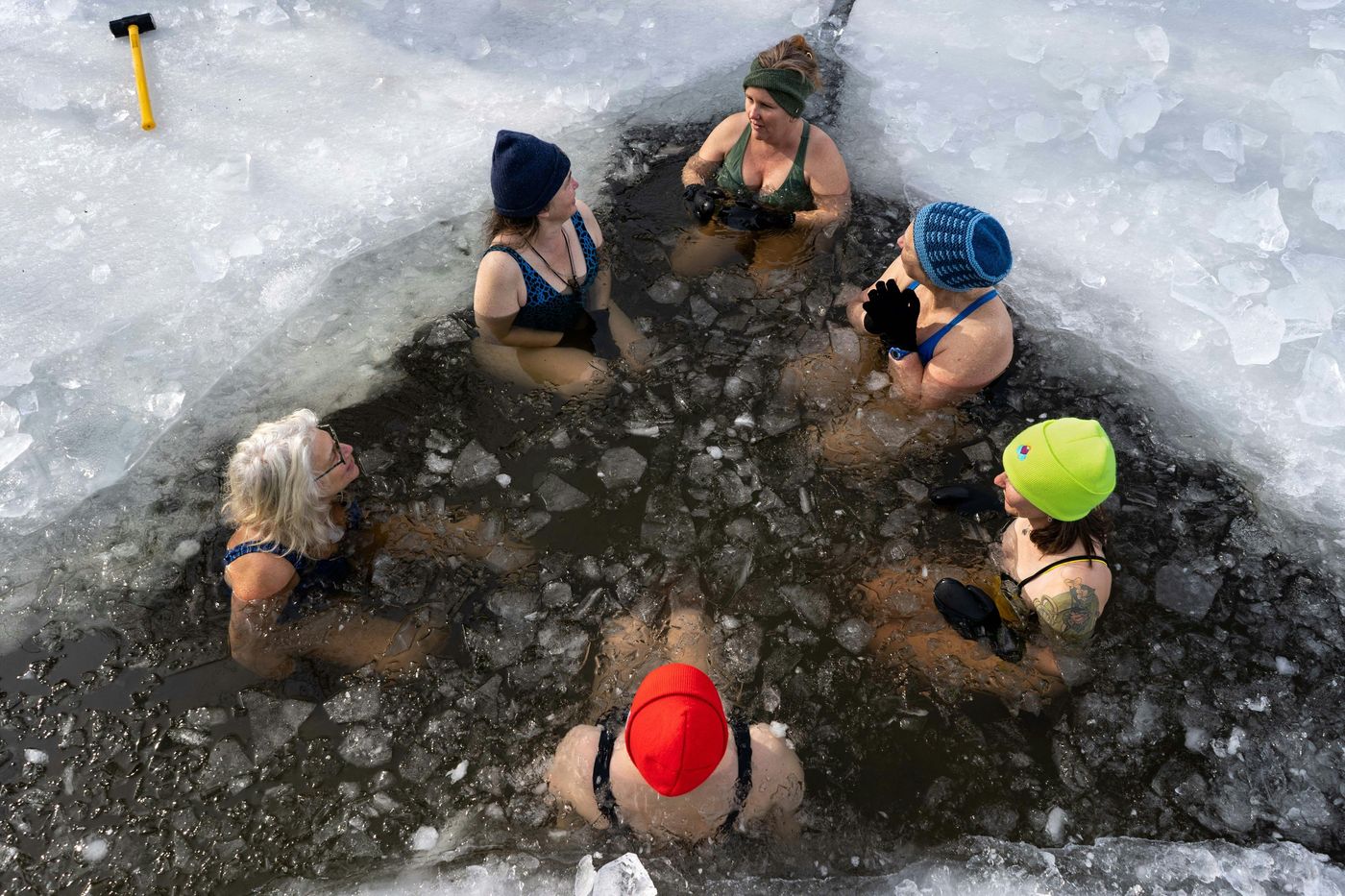
A cold plunge is intentionally chilled and held in a narrow range. Most recovery protocols use 50 to 59 degrees Fahrenheit. Some athletes go colder, but beginners usually start at 55 to 60 degrees. A dedicated cold plunge temperature guide explains how to adjust water for different goals. When you compare a 55 degree plunge with a 65 degree shower, the difference is only 10 degrees. However, cold perception is not linear. Water conducts heat away from skin roughly 25 times faster than air at the same temperature. Full immersion also removes heat from more body surface area.
The table below summarizes the main differences. A cold plunge gives you more control over the exact cold dose. It also covers your shoulders, torso, hips, and legs all at once. A shower only hits the skin under the spray. Your back may not get the same exposure as your chest. You can turn around, but the water temperature still fluctuates as the plumbing responds. If you want precise cold exposure for recovery or training, a plunge is the better tool.
- Cold plunge: 50 to 59 degrees Fahrenheit, full body, controlled
- Cold shower: 50 to 70 degrees Fahrenheit, partial body, variable
- Cold tap water in winter can be colder than some cold plunge settings, but it is not stable
What Does the Research Say About Cold Plunge Benefits?
Most cold plunge benefits come from cold water immersion research. Several studies show that short exposure to cold water triggers a strong sympathetic nervous system response. PubMed indexed research on cold water immersion reports that norepinephrine, a hormone and neurotransmitter involved in alertness and mood, can rise dramatically. One frequently cited study found that immersion in cold water increased norepinephrine by about 530 percent. That is a large change, but it does not mean every person will experience the same spike. The effect depends on water temperature, duration, and individual tolerance.
Muscle soreness research is also promising. A meta-analysis of cold water immersion studies found that athletes who used cold water after hard training reported roughly 20 percent less muscle soreness at 24 hours compared with passive rest. The evidence is strongest for reducing perceived soreness, not for speeding tissue repair. That distinction matters. A cold plunge may help you feel less sore, but it is not a replacement for sleep, nutrition, and appropriate training load. You can read more about the broader evidence in cold plunge benefits.
Some studies also suggest cold water immersion may support a faster return to performance after intense exercise in the heat. The effect is small and inconsistent. Mood and alertness benefits are frequently reported, but they may come from the stress response itself. Cold plunging is a hormetic stressor. A short, controlled dose of cold stress may improve your ability to handle other stressors. Harvard Health describes cold exposure as a possible mood booster, but more long term human trials are needed.
What Benefits Are More Realistic With Cold Showers?
Cold showers are not as well studied as cold water immersion. The research that exists is smaller and often observational. Still, cold showers have some practical advantages. They are accessible, cost almost nothing, and take no extra space. A cold shower can be finished in two to five minutes before a normal shower. For many people, that means consistency is easier.
Some small studies have looked at cold showers and sickness absence. One Dutch trial reported that people who ended a warm shower with a cold blast had a 29 percent reduction in self reported sick leave from work. That sounds impressive, but the study relied on self reported data and did not prove that cold water directly prevented illness. The Cleveland Clinic notes that cold showers may make you feel more alert, but evidence for immune and recovery claims is limited. The main mechanism is likely the same as cold plunge: cold receptors in the skin send a burst of signals to the brain, which raises arousal.
Cold showers may also be a safer starting point for cold exposure. You can adjust the water quickly, step out instantly, and you are not fully submerged. That reduces the risk of cold shock response compared with jumping into a cold tub. If your goal is a daily energizing habit rather than the strongest possible cold stimulus, a cold shower offers a realistic entry point. It does not require a tub, filtration, ice, or a dedicated space. The downside is that temperature is less precise and the cold exposure is partial.
- Cold showers are inexpensive and require no extra equipment.
- They provide partial cold exposure, not full body immersion.
- They may be more sustainable for daily use because they take less time.
Which Is Better for Muscle Recovery and Mood?

For muscle recovery, cold plunges have stronger evidence. The key difference is body coverage. A cold plunge immerses the large muscle groups of the legs, hips, and back simultaneously. A shower only cools the area under the spray. If you just finished a heavy squat or run session, a 50 to 59 degree plunge for 5 to 10 minutes is likely more effective than a cold shower. The does cold plunge work guide covers the evidence limits and realistic outcomes. If you compare cold plunge vs cryotherapy, water immersion often produces a more consistent cold load across the body than whole body cryotherapy chambers.
Mood is less clear. Both cold showers and cold plunges can increase alertness through sympathetic activation. A cold plunge creates a stronger spike in norepinephrine, but this does not mean the mood benefit is always bigger. Some people find a cold shower more sustainable, and daily consistency may matter more than intensity over time. The best cold exposure habit is the one you will actually do. If a cold plunge feels overwhelming and you avoid it, a cold shower may deliver more long term benefit because it happens more often.
For recovery after hard training, choose a cold plunge if you have access. For a morning alertness reset or a low cost entry into cold exposure, a cold shower can work. The smaller cold dose may still be enough to change how you feel, especially if you are new to cold exposure.
How Do Risks and Safety Compare?
Cold water is a stressor. The first seconds of immersion can trigger a gasp reflex, rapid breathing, and a surge in heart rate and blood pressure. The Mayo Clinic advises caution with sudden cold water exposure, especially for people with heart disease, high blood pressure, or other cardiovascular conditions. A cold plunge produces a bigger cold shock response than a cold shower because the cold surface area is larger and the temperature is usually lower. That makes the first 30 seconds the most dangerous part of a plunge.
A cold shower is generally safer for beginners. You can stand under warm water, switch to cold, and step out if you feel lightheaded. You are not in a tub of cold water that requires climbing out. The risk of fainting is lower because less blood is shunted from the limbs to the core. However, anyone with cardiovascular concerns should talk to a healthcare provider before starting either habit. A cold plunge safety guide for beginners explains how to build tolerance and avoid common mistakes.
If you use a cold plunge, never do it alone during early sessions. Cold shock can impair breathing and coordination. Keep the session short, stay near a stable handhold, and stand up slowly. Do not combine cold plunging with alcohol or sedatives. If you have Raynaud’s disease, cold urticaria, or a known heart condition, cold exposure may be inappropriate. The safety margin of a shower is higher, but the same warnings apply. A gradual cold shower is the lowest-risk way to test your response to cold.
How Should Beginners Choose Between a Cold Plunge and a Cold Shower?

Start with your primary goal. If you want post workout recovery, a cold plunge may be worth the investment. Look at best cold plunge tubs 2026 to compare options across price and space. If you want a simple daily habit that costs nothing, start with cold showers. You can always upgrade later. Frequency matters too. Some people plunge three to five days per week. Others use cold showers daily. The how often cold plunge guide explains how to schedule cold exposure around training and sauna use.
Budget and space are real constraints. A cold shower costs almost nothing. A quality cold plunge can cost from a few thousand dollars to over ten thousand, plus maintenance. You can build a DIY chest freezer version, but it still requires space and upkeep. If your schedule is tight, a cold shower at the end of your normal shower takes two minutes. If you have space and want the strongest cold stimulus, a plunge is better.
If you already use a sauna, combining heat and cold can feel good, but the evidence for extra recovery benefits is still limited. The right order depends on your goal. For performance, cold after training. For relaxation, many prefer sauna after cold or a contrast routine. The best choice is the one you can repeat safely.
Frequently Asked Questions
Is a cold shower colder than a cold plunge?
Not usually. A cold plunge is typically kept at 50 to 59 degrees Fahrenheit. A cold shower often runs between 50 and 70 degrees Fahrenheit, but in summer it may be warmer than a plunge. Full immersion also feels colder than a shower at the same temperature.
Can a cold shower replace a cold plunge for muscle recovery?
For mild activity or daily alertness, yes. For heavy training, a cold plunge is likely more effective because it cools the large muscle groups all at once. A shower may still help you feel more awake and may reduce some perceived soreness.
What temperature is best for a beginner cold plunge?
Start at 55 to 60 degrees Fahrenheit for one to three minutes. Colder is not better for beginners. Focus on calm breathing and safe entry before lowering the temperature.
How long should I stay in a cold shower or cold plunge?
For a cold shower, 2 to 5 minutes is enough. For a cold plunge, 3 to 10 minutes is common. Shorter sessions are safer and still produce a strong cold stress response.
Are cold plunges safe for everyone?
No. People with heart disease, high blood pressure, cold urticaria, or Raynaud’s disease should get medical clearance first. The first 30 seconds can trigger a gasp reflex and rapid heart rate.
Should I cold plunge or cold shower after a sauna?
Both work for contrast. A cold plunge gives a stronger cooling effect, but a cold shower is easier. Some people prefer sauna first, then cold, then rest. Listen to your body and avoid prolonged cold if you feel lightheaded.
What Should You Remember?
- Cold plunge wins for intensity. Full immersion at 50 to 59 degrees Fahrenheit delivers a stronger and more controlled cold dose than a shower.
- Cold showers win on convenience. They cost nothing and take just a few minutes inside your normal routine.
- Temperature matters. Even a 5 to 10 degree drop changes how your body responds to cold exposure.
- Evidence is stronger for plunge recovery. Research links cold water immersion with about 20 percent less muscle soreness at 24 hours.
- Start safe. Use 55 to 60 degrees for your first plunge and never plunge alone.
- Consistency beats occasional intensity. A daily cold shower may help more than a weekly cold plunge if you actually stick with it.
- Match method to goal. Choose a cold plunge for recovery and a cold shower for daily alertness and low cost entry.
This article is for general information only and is not medical advice. Cold water immersion and sauna use can be risky for people with cardiovascular conditions, Raynaud’s disease, or who are pregnant. Always consult a physician before beginning cold therapy or heat therapy.