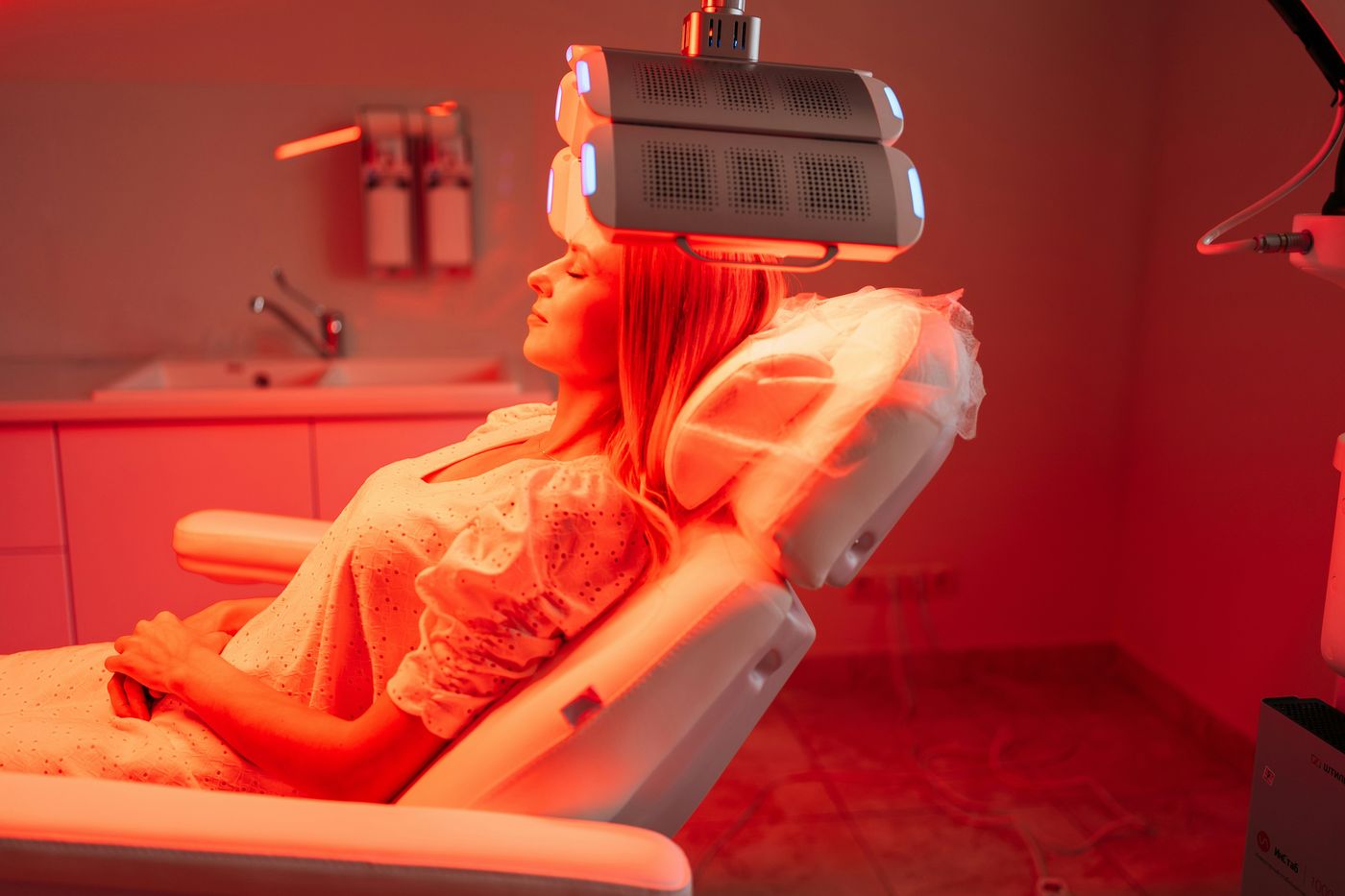
Red light therapy and sauna are often grouped together in recovery conversations. Both show up in gyms, wellness clinics, and home setups. Both are marketed for muscle recovery, skin health, and relaxation. But the way they affect the body is very different. Red light therapy uses specific wavelengths of light to change how cells produce energy. A sauna uses hot air or infrared heat to raise your core temperature. Understanding that gap helps you choose the right tool for your goal. Choosing wrong can waste time and money. Choosing right can sharpen your recovery routine. The decision depends on whether you need local light exposure or whole-body heat stress.
This article compares mechanism, heat load, muscle recovery, and skin outcomes. It also separates demonstrated physiological response from observational association. You will see references to peer-reviewed research, Harvard Health, and Cleveland Clinic guidance. The aim is not to crown one winner for everyone. The goal is to match the modality to your biology and your schedule. Red light is not a sauna, and a sauna is not red light. They can complement each other, but they are not interchangeable. Recovery and skin benefits depend on dose, frequency, and consistency. We cite specific studies so you can follow the evidence. No single device fits every body.
If you already use cold plunging, you may wonder how heat and light fit around your current routine. Cold exposure drives vasoconstriction and reduces inflammation in the short term. Heat does the opposite. Red light sits in a separate category because it is not primarily thermal. You can use cold, heat, and light on the same day if the total stress load is manageable. But order and dosing matter. Start with the goal you care about most, then add layers. This guide will help you design that sequence without guessing. We also point to deeper guides on cold plunge timing and sauna heart health.
| Feature | Red Light Therapy | Sauna |
|---|---|---|
| Primary mechanism | Photobiomodulation and ATP production | Heat stress and core temperature elevation |
| Heat exposure | Minimal, no meaningful sweating | High, causes significant sweating |
| Core temperature change | Little to none | Rises 1 to 3 degrees Fahrenheit |
| Best for skin | Collagen support and texture improvement | Temporary circulation glow |
| Best for recovery | Local muscle soreness and tissue repair | Whole-body cardiovascular conditioning |
| Main risks | Eye strain, transient redness | Dehydration, overheating, blood pressure changes |
How Does Red Light Therapy Actually Work?

Red light therapy, also called photobiomodulation, uses visible red and near-infrared light. Wavelengths typically fall between 600 and 1000 nanometers. These wavelengths penetrate skin and reach cells inside tissues. Mitochondria absorb the light through an enzyme called cytochrome c oxidase. That interaction increases the production of adenosine triphosphate, or ATP. ATP is the energy currency that cells use for repair, division, and signaling. In short, red light gives cells more energy to do their normal jobs. The effect is photochemical, not thermal.
This process does not require high heat. A clinical red light panel may feel slightly warm on the skin, but the temperature change is mild. You are not trying to sweat. Studies show that red light can increase local blood flow and reduce oxidative stress. One randomized controlled trial with 136 participants found significant improvements in collagen density and skin complexion after 12 weeks. That study is part of a larger body of peer-reviewed research on photobiomodulation. More numbers are available in our red light therapy statistics guide.
Red light therapy also has a short learning curve. A typical session lasts 10 to 20 minutes. You place the panel 6 to 18 inches from the target area. Eye protection is often recommended. Most devices are low maintenance. The main variables are wavelength, power density, and session length. Dosing too low may do little. Dosing too high may not add extra benefit. Consistency appears to matter more than a single long exposure.
What Happens Inside the Body During Sauna Use?

A sauna raises the temperature around or inside your body. Traditional Finnish saunas heat air, often between 160 and 200 degrees Fahrenheit. Infrared saunas use lower air temperatures, usually 120 to 150 degrees Fahrenheit, but heat tissue more directly. In both cases, your core temperature climbs. Heart rate can rise to a level similar to brisk walking or light jogging. Blood vessels dilate, and blood flow to the skin increases. This is a systemic cardiovascular challenge, not a targeted treatment.
Sweating is the main cooling response. A 15 to 20 minute session can produce significant fluid loss. That fluid loss explains why hydration matters so much. The cardiovascular response is one reason researchers study sauna hearts. Observational data from Finland found that men who used a sauna four to seven times per week had roughly 50% lower risk of cardiovascular death compared with once weekly users. Harvard Health has summarized this research. You can read more in our sauna longevity and heart health article.
Sauna also triggers heat shock proteins. These proteins help cells survive stress and may reduce inflammation over time. However, sauna is not a detox miracle. Your liver and kidneys handle most detoxification. Sauna can support cardiovascular health and relaxation, but it should not replace medical care. A Cleveland Clinic guide notes that healthy adults can usually use a sauna safely. People with heart conditions, low blood pressure, or pregnancy should talk with a clinician first.
How Does Heat Differ Between Red Light Therapy and Sauna?
Heat is the clearest difference between these two tools. Red light therapy delivers most of its effect through photons, not ambient heat. The skin may warm by a few degrees, but the goal is not to raise core temperature. Sauna is explicitly a thermal challenge. Most sessions push core temperature up by one to three degrees Fahrenheit, depending on duration, humidity, and body size. That difference changes how you prepare and recover.
Hydration matters for sauna because you lose water and electrolytes through sweat. Red light therapy does not create the same thermoregulatory demand. You can use a red light panel before or after a workout without worrying about dehydration. You cannot say the same for a high-heat sauna session on an empty tank. If you use both, plan water intake around the heat, not the light. This is also why red light can be used more often for some people.
Infrared saunas sit between the two in some ways. They use infrared light, but the primary goal is heating tissue. That thermal effect is much stronger than a red light panel. Do not treat a red light panel as a low-cost infrared sauna. The power density, wavelengths, and expected heat exposure are different. If you want a dedicated heat device, compare options in best infrared saunas 2026.
- Red light therapy: minimal heat, no sweating, photochemical effect
- Traditional sauna: high air temperature, heavy sweat, strong cardiovascular demand
- Infrared sauna: moderate heat, targeted tissue warming, still a thermal stressor
Which Is Better for Muscle Recovery and Soreness?
Both tools can support muscle recovery, but they work on different systems. Sauna increases blood flow and triggers heat shock proteins. That may reduce soreness and improve muscle relaxation after training. However, the evidence is mostly from small studies and subjective reports. Some studies show that post-exercise sauna use improves perceived recovery. Others find no measurable difference compared with passive rest. Sauna is better at whole-body winding down.
Red light therapy has more targeted research for muscle recovery. Several small clinical trials suggest that applying red light before or after intense exercise can reduce markers of muscle damage and soreness. The effect is local, so you treat the muscle group that worked hard. One review of photobiomodulation for exercise recovery found that red light before training may blunt creatine kinase elevation. The effect appears strongest when the dose is adequate and the light reaches the target muscle.
For whole-body fatigue and cardiovascular conditioning, sauna may have the edge. For a specific sore hamstring or tight shoulder, red light is easier to direct. Many athletes use both. If you also cold plunge, remember that cold exposure has different timing rules. Compare the evidence in our cold plunge vs sauna statistics article before stacking. Recovery tools should reduce stress, not add complication.
Which Is Better for Skin Health and Appearance?
Red light therapy is usually the more direct skin tool. Dermatology studies have focused on fine lines, skin tone, and wound healing. The proposed mechanism is increased fibroblast activity and collagen production. One randomized controlled trial reported significant improvements in skin complexion and collagen density after 12 weeks. Because red light does not overheat the face, it can be used more frequently without the dryness that sometimes follows hot environments.
Sauna can also affect skin. Heat opens pores and increases facial blood flow. Some people notice a temporary glow after a session. Sweating may help flush surface debris, but it does not erase wrinkles or reverse photoaging. The skin benefits of sauna are mostly from circulation and temporary hydration shifts. If your main concern is skin aging, red light is usually the more targeted choice. See red light therapy for skin for a deeper review.
One caution: sauna heat can worsen certain skin conditions. People with rosacea or eczema may flare in very hot and dry air. Red light is generally gentler, but high-power devices can still cause transient redness if used too close or for too long. Start with low doses and space sessions out. Track how your skin feels the next morning, not just immediately after.
Can You Combine Red Light Therapy and Sauna?
Yes, many recovery-minded people combine both. The two modalities do not compete for the same cellular pathway. One uses light to stimulate mitochondrial activity. The other uses heat to challenge the cardiovascular system. Using both on the same day is possible. Total load matters more than exact order. If you are rested and hydrated, both can fit into a recovery day.
A common sequence is red light before a sauna session. You can target a tight muscle while resting, then move into heat. Or use red light after a sauna when circulation is already high. If you also cold plunge, think about timing. The cold plunge before or after sauna guide explains heat-to-cold contrast. You could do sauna, then cold plunge, then red light for targeted recovery. Red light does not cause thermal shock, so it usually fits wherever you want it.
Start with one modality at a time. Track sleep, soreness, and skin response for two weeks. Then add the second. This helps you isolate what is actually helping. If you are new to heat, start with shorter sessions and hydrate. Recovery stacking is not about doing everything. It is about finding the smallest effective dose for your body.
Frequently Asked Questions
Is red light therapy safer than a sauna?
Red light therapy is generally gentle and does not cause significant heat stress. Sauna use is safe for most healthy adults, but it raises heart rate and can cause dehydration or lightheadedness. Both have safety limits. People with heart conditions or photosensitivity should get medical advice first.
Can I use red light therapy and sauna on the same day?
Yes, many people do. A common order is red light first, then sauna, or sauna then cold plunge then red light. Hydrate well around the sauna. Start with lower doses if you are new to both.
Does red light therapy make you sweat like a sauna?
No. Red light panels produce minimal heat and do not aim to raise core temperature. Saunas cause heavy sweating because they are a thermal challenge. Red light therapy targets skin and superficial tissue with light, not heat.
Which is better for anti-aging skin benefits?
Red light therapy is usually the better targeted choice for skin aging. Some studies show it can improve collagen density and skin complexion. Sauna may give a temporary glow from circulation but has less direct evidence for wrinkle reduction.
How long until I see results from red light therapy vs sauna?
Red light therapy for skin may take 4 to 12 weeks of consistent use. Sauna cardiovascular benefits are seen with long-term regular use, while muscle relaxation and mood effects can be immediate. Individual responses vary.
Can people with rosacea use sauna or red light therapy?
Sauna heat can trigger rosacea flares for some people. Red light therapy is often gentler, but starting with low intensity and short sessions is wise. A dermatologist can help personalize the choice.
What Should You Remember?
- Mechanism: Red light therapy uses photons, while sauna uses heat stress.
- Skin goals: Red light is more targeted for collagen and skin texture.
- Whole-body recovery: Sauna adds cardiovascular training and heat shock proteins.
- Hydration: Sauna demands fluid and electrolyte replacement; red light does not.
- Combining: Both can fit one recovery day if total stress is managed.
- Start simple: Add one modality at a time to identify what actually helps.
- Evidence: Red light has small but focused trials for local recovery and skin; sauna has strong observational heart data.
This article is for general information only and is not medical advice. Cold water immersion and sauna use can be risky for people with cardiovascular conditions, Raynaud’s disease, or who are pregnant. Always consult a physician before beginning cold therapy or heat therapy.