Cold plunge mental health benefits are popular in recovery circles. Many people report feeling sharper, calmer, and more resilient after short cold water immersion. The brain and body respond to cold as a controlled stressor. That response may influence mood pathways linked to depression and chronic stress. Still, the evidence is newer and smaller than the marketing claims. A cold plunge is not a cure. It is a possible low cost recovery tool that works best alongside strong mental health care. This guide explains what cold water immersion does, what research supports, and where the limits are. If you are new to the method, start with the broader cold plunge benefits overview.
The cold shock response is uncomfortable on purpose. When you enter cold water, skin receptors detect a rapid temperature drop. Your sympathetic nervous system fires. Hormones such as norepinephrine and dopamine rise. These signals can change how you feel for hours after the session. For some people, this creates a natural mood lift. For others, the stress of cold is too intense. The key is to use short, safe exposures matched to your tolerance. Reading a cold plunge temperature guide before you start can prevent mistakes.
The goal of this article is not to encourage extreme behavior. Ice baths and cold plunges have risks, especially for people with heart conditions or certain mental health conditions. The safest approach is to understand the science, choose the right equipment, and follow a beginner friendly plan. You can compare best cold plunge tubs 2026 and review the cold plunge protocol for beginners. If you have a diagnosed mental health condition, talk with a professional before cold plunging as treatment.
| Approach | Evidence level | Main mechanism | Best role |
|---|---|---|---|
| Cold water immersion | Preliminary and small trials | Norepinephrine and dopamine release | Supportive mood and stress habit |
| Psychotherapy | Strong | Cognitive and behavioral change | First line treatment for depression |
| Antidepressant medication | Strong | Neurotransmitter modulation | First line treatment for many people |
| Regular exercise | Moderate to strong | Endorphins and neuroplasticity | Core lifestyle treatment |
| Sauna or heat therapy | Moderate | Heat shock response and relaxation | Adjunct recovery and mood tool |
How Does Cold Water Immersion Affect the Brain?

Cold water immersion triggers a rapid nervous system response. Skin receptors send a signal to the brain that body temperature is falling fast. The brain releases norepinephrine, a neurotransmitter that supports attention and arousal. This is the same chemical that rises during focused work and physical activity. One laboratory study of cold water immersion found plasma norepinephrine increased by about 530 percent and dopamine by about 250 percent. You can explore the peer reviewed literature on PubMed. These changes are measurable and real. They do not automatically treat depression, but they explain why many people feel a temporary mental lift.
The brain also releases beta endorphins and other endorphin like compounds. These chemicals can reduce pain perception and create a mild euphoria. Harvard Health has described cold water as a physiological stressor that may activate reward pathways. In simple terms, your body treats the cold as a brief emergency. The recovery after that emergency can feel soothing. That sequence may help reset a stressed or foggy mental state.
There is a difference between a temporary brain response and a lasting mental health change. A single plunge may lift mood for an hour or a few hours. Repeated cold exposure might train the nervous system to recover faster. That is why researchers look at patterns over weeks, not just one session.
Can Cold Plunging Reduce Depression Symptoms?
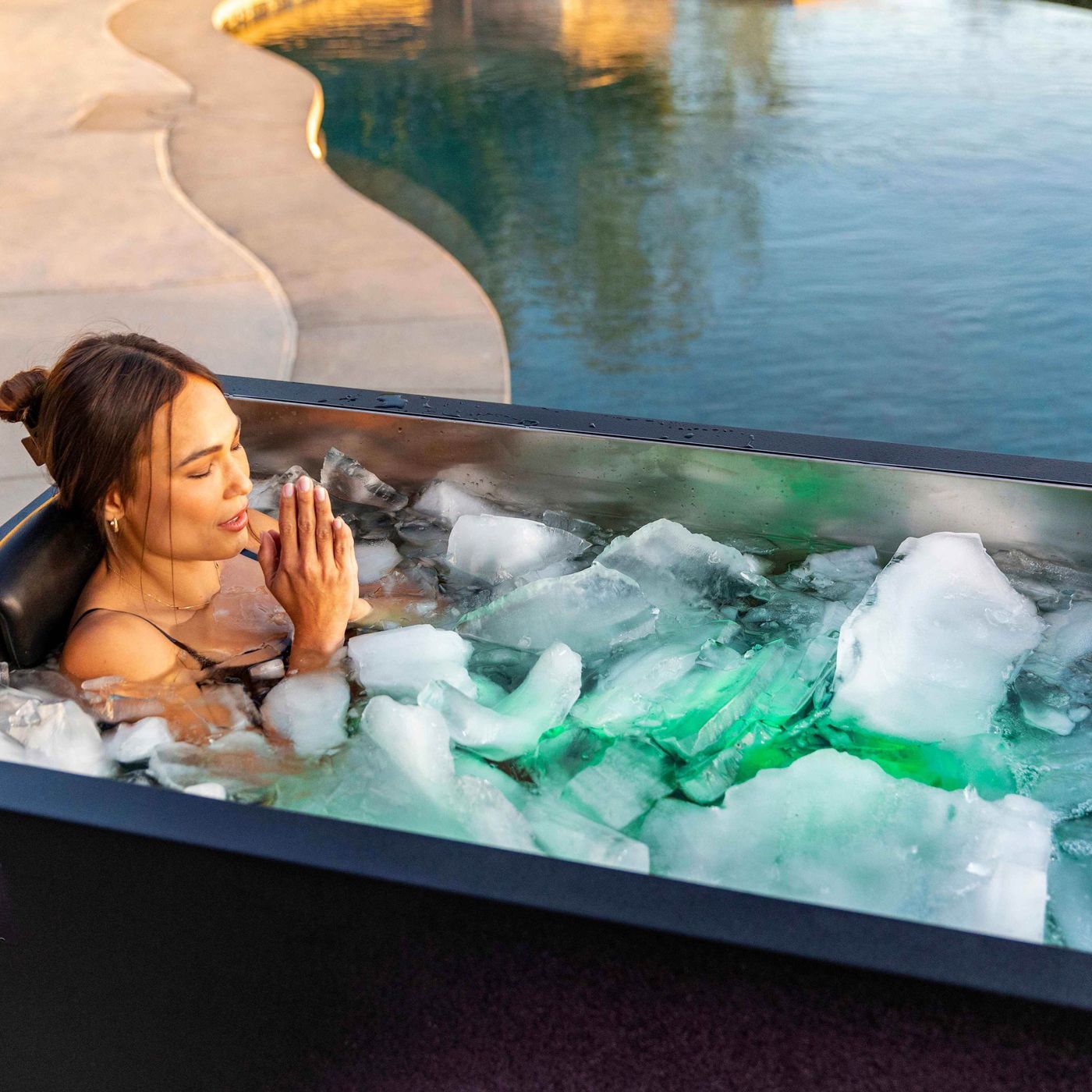
The evidence for depression is early and mixed. Many public stories are case reports or small pilot studies. A well known case report described a woman with long term depression who reduced her medication after regular cold water swimming. That is a single case. It cannot prove that cold plunging works for everyone. Cleveland Clinic notes that cold water therapy may improve mood, but the clinical evidence for depression is limited.
Some small controlled studies offer cautious clues. In one short trial, participants who sat in 20 degrees Celsius water for five minutes reported reduced negative mood immediately afterward. The effect was modest and short lived. Researchers did not claim that the effect lasted for days. Other studies have looked at winter swimmers. Some report lower depression scores than non swimmers. But those studies cannot separate the cold water from the social aspect, outdoor light, and physical activity. The water is only one variable.
Cold plunging should not replace medication, therapy, or other prescribed depression care. If you are struggling, a cold tub is not a treatment plan. It may be a supportive habit that helps you feel more present. But it can also increase physical stress and make some people feel worse. Use it as an addition to professional care, not as a substitute.
- Cold plunging is not a first line treatment for depression.
- Early studies show mood changes, not remission.
- The social and outdoor context of cold swimming may also influence mood.
What Does Research Say About Cold Plunge Stress Relief?

Stress relief is where the physiological story is strongest. Cold water immersion is a controlled stressor. It raises heart rate and triggers a fight or flight response. Over time, repeated short exposures may improve how the body returns to a calm state. That process is called habituation. People who practice cold plunging often say they feel more relaxed after the initial shock. This may be due to the parasympathetic rebound that follows the cold response.
The norepinephrine and dopamine response is relevant here. Norepinephrine supports concentration under pressure. Dopamine is tied to motivation and reward. One study found that regular winter swimmers reported lower perceived stress and better mood after four months. But that study was observational. People who choose winter swimming may already differ in health, income, and lifestyle. The findings are useful but not definitive.
If you want to use cold plunges for stress, consistency seems to matter more than extreme cold. A few minutes at a moderate cold temperature can be enough. You do not need to fill your tub with ice on day one. For guidance on frequency, see how often cold plunge.
What Is the Best Cold Plunge Protocol for Mood?
There is no single protocol that has been proven for mental health. But smarter practices reduce risk and build consistency. Most beginners should start with water between 50 and 59 degrees Fahrenheit. Stay in for one to three minutes. That is enough to trigger a stress response without pushing deep hypothermia risk. Researchers have used a wide range. Some mood studies used 20 degrees Celsius, which is about 68 degrees Fahrenheit. That is milder than many commercial plunge tubs.
Breathing matters before and during cold exposure. Slow, controlled exhales help you manage the gasping reflex. You can simply breathe in through your nose and out slowly through your mouth. The goal is to stay calm while your body is stressed. That mental skill may be part of the mood benefit. It teaches you to tolerate discomfort without panicking.
Frequency depends on your recovery and experience. Two to four sessions per week is a reasonable starting range for stress reduction. More is not always better. Cold plunging every day can increase fatigue and disrupt training recovery in some people. For a gentler introduction, follow a beginner plan that prioritizes short duration and warm enough water.
Can Cold Plunge Replace Other Mental Health Treatments?
No. Cold plunging cannot replace therapy, medication, or other standard treatments. Depression and anxiety disorders are complex. They involve genetics, environment, inflammation, sleep, and social factors. A cold bath can support a routine, but it cannot address those systems alone. If you are considering changing your treatment plan, do that with a licensed provider. The safety guide later in this article covers health considerations before you start.
Cold exposure works best when paired with proven habits. Regular exercise, morning light, quality sleep, and social connection all have stronger evidence for mood. Cold plunging may be one tool in that stack. Some people combine it with sauna or heat therapy. Heat exposure has its own mood research and may feel more relaxing for some. You do not need to choose one. You can build a recovery setup that matches your nervous system.
The danger comes when a wellness tool becomes a replacement for care. If you feel severe depression, hopelessness, or thoughts of self harm, seek professional support. A plunge tub is not a substitute for a crisis plan. Cold water can also cause panic in some people. It may not be the right tool for everyone. Treat it as a recovery experiment, not a medical prescription.
What Are the Safety Limits for Mood-Focused Cold Plunging?
Cold plunging is not risk free. The cold shock response makes you gasp. That gasp can lead to inhaling water if you go under. Heart rate and blood pressure spike in the first seconds. For healthy people, this is usually brief. For people with heart disease, it can be dangerous. Mayo Clinic and other health systems recommend speaking with a doctor before starting cold water immersion, especially if you have cardiovascular issues.
Start with warm enough water. Many experts suggest 50 to 59 degrees Fahrenheit. Stay in for one to two minutes at first. Never plunge alone. Have a warm towel, dry clothes, and a way to warm up afterward. If you feel dizzy, numb, or mentally worse, get out. The cold plunge safety guide for beginners details warning signs and preparation.
Mental health conditions can also affect cold response. People with panic disorder may find cold immersion triggers hyperventilation. That does not mean it is off limits for everyone. It means you should practice with a plan and maybe with a partner. Some people use cold exposure as exposure therapy for panic, but that should be guided. Do not treat a plunge as an emergency treatment for acute anxiety or a depressive episode. Use it when you feel stable and supported.
Frequently Asked Questions
Can cold plunging cure depression?
No. Cold plunging may temporarily improve mood, but there is no evidence that it cures depression. Standard treatments include therapy, medication, and lifestyle support. A plunge can be a supportive habit, not a replacement.
How quickly can I feel mental health benefits from a cold plunge?
Some people feel an immediate lift in alertness and mood after one session. That effect may last a few hours. More lasting stress reduction likely requires consistent practice over several weeks, but research is still limited.
What water temperature is best for stress relief?
A beginner range is 50 to 59 degrees Fahrenheit for one to three minutes. Some mood studies used milder temperatures around 68 degrees Fahrenheit. Start at the warmer end and adjust slowly.
Is cold plunging safe if I take antidepressants?
Cold plunging is often safe, but it affects blood pressure and circulation. Some medications can change your response to cold. Ask your prescribing doctor before starting a routine.
Can cold plunge help with anxiety or panic attacks?
Some people find the cold grounding, but it can also trigger fast breathing and panic. Do not use it during a panic attack. Practice short exposures when calm and get professional support for anxiety.
How often should I cold plunge for mental health?
Two to four sessions per week is a common starting range. More sessions do not necessarily mean better mood results. Allow your body to recover and watch how your stress responds.
What Should You Remember?
- Cold water immersion triggers a measurable release of norepinephrine and dopamine, which may create a temporary mood lift.
- Depression evidence is early and mixed. Cold plunging is not a substitute for therapy or medication.
- Stress relief may improve with repeated short, moderate cold exposures rather than extreme cold or long sessions.
- Start safely at 50 to 59 degrees Fahrenheit for one to three minutes, two to four times per week.
- Do not plunge alone if you are new, and clear it with a doctor if you have heart or circulation issues.
- Pair cold plunging with proven mental health habits like sleep, exercise, light, and professional support.
This article is for general information only and is not medical advice. Cold water immersion and sauna use can be risky for people with cardiovascular conditions, Raynaud’s disease, or who are pregnant. Always consult a physician before beginning cold therapy or heat therapy.