The most common beginner mistake is staying in the cold too long. Cold water feels bracing. Your body does not care about toughness. It cares about temperature and time. A short, controlled exposure gives the recovery benefits without turning a healthy stress into a dangerous one. For a deeper look at why people do this, read our guide on cold plunge benefits. The key is not to chase ice bath influencers. The key is to build a baseline your nervous system can handle.
Cold water immersion triggers the cold shock response. Heart rate rises fast. Blood pressure jumps. Breathing becomes fast and shallow. The first 30 seconds are the highest-risk window. Research indexed on PubMed shows that cold shock can cause gasping and hyperventilation in seconds. That is why beginner duration starts at 30 seconds, not five minutes. You are training your body to handle the reflex, not proving anything on day one.
Duration cannot be separated from temperature. Plunging at 55°F for one minute is a very different event from plunging at 40°F for one minute. We cover exact ranges in the cold plunge temperature guide. This article gives you a progression ladder. You will learn when to add time, when to lower temperature, and when to skip a day. Start conservative. There is no trophy for suffering.
The rules are simple. Start brief. Add small amounts weekly. Respect shivering and numbness. Warm up from the inside out after. If you already have heart disease, high blood pressure, or Raynaud’s, talk to a doctor first. Otherwise, follow this guide. You will progress faster than you expect, mainly because you will stay consistent instead of quitting after one miserable session.
What You’ll Need
- Waterproof thermometer
- Stopwatch or phone timer
- Warm clothes for after
- Water shoes (optional)
How Do You Time Beginner Cold Plunge Sessions and Progress Safely?
- Start with 30 Seconds, Not 30 Minutes
Set a timer on your phone or a waterproof stopwatch before you get in. Your first cold plunge should be 30 seconds. That is it. For most beginners, water between 50°F and 59°F is ideal. Enter slowly to your shoulders if you can. Breathe through your nose and let the gasp pass. The clock starts once your chest is in.
Why 30 seconds? The cold shock response peaks in the first half minute. Your heart rate climbs. You may gasp. Your body is deciding whether to fight or relax. Staying for only 30 seconds lets you experience the hard part without stacking on extra stress. You can still get benefits from that brief exposure, especially if you do it consistently.
A common mistake is staying until you are miserable. That does not make you stronger. It increases the chance you will avoid the next session. The first week is about building trust. If you want a structured beginner routine, see our cold plunge protocol for beginners. Repeat 30 seconds two to three times that first week. Do not add time yet.
After 30 seconds, step out carefully. Your hands and feet may feel cold. That is normal. Dry off and put on warm layers. The next step is to make sure your water temperature is correct, because time only means something when you know the temperature.
- Lock in 50°F to 59°F Before You Add Time
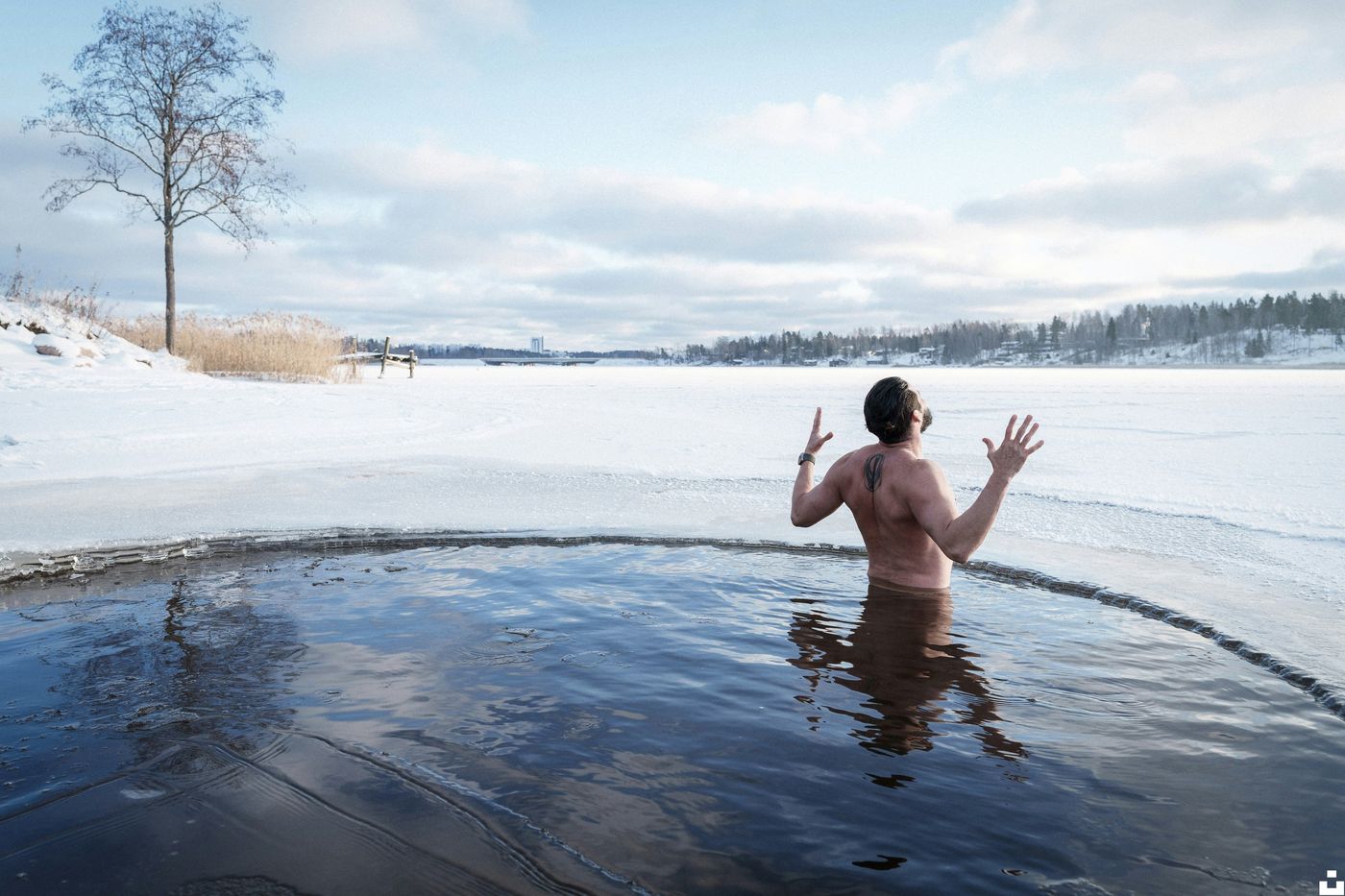
Temperature is the multiplier in cold exposure. At 59°F, a beginner may last a few minutes. At 45°F, the same person may shiver after 30 seconds. That is why the beginner range is 50°F to 59°F (10°C to 15°C). Do not guess. Use a waterproof floating thermometer to check the water before every session.
If you are using tap water, a chest freezer conversion, or a dedicated tub, the water temperature shifts. Outdoor tubs warm up in the sun. Ice melts. Chillers can overshoot. Measuring lets you adjust duration to the actual conditions. For tub options, see our list of best cold plunge tubs 2026. A good tub with a reliable thermometer is safer than guessing.
Below 50°F, the risk rises faster. Cold shock is more intense. Afterdrop is more severe. You can still reach that level, but only after several weeks of practice. The progression curve is slower than you think. For now, stay in the 50s. You will know you are ready when 30 to 60 seconds feels boring rather than shocking.
One practical rule: if the water is 55°F or warmer, you can aim for 45 to 60 seconds in your first week. If it is 50°F to 54°F, keep it closer to 30 seconds. This adjusts the dose. The next step explains how to add time safely.
- Add Only 15 to 30 Seconds Per Week
Progression is not daily. It is weekly. After your first week of 30-second plunges, add 15 to 30 seconds. That means week two might be 45 to 60 seconds. Week three might be 60 to 90 seconds. This slow build gives your body time to adapt to the cold shock response.
Why not add a minute every day? Your nervous system needs recovery between exposures. Cold water immersion stresses the cardiovascular system. The adaptation happens between sessions, not during them. If you pile on time too fast, you may feel tired, sore, or moody. That is a sign you did too much. Our guide on how often to cold plunge explains session frequency in detail.
Some people progress faster. That is okay if you feel warm within a few minutes after getting out and your energy is good the next day. But do not compare yourself to anyone else. Cold tolerance is individual. Age, body fat, sleep, and stress all change your response. A conservative add is still progress.
At week four, you might be at 90 seconds to two minutes. That is a solid target for most beginners. Hold that plateau for a week or two before considering temperature drops. The next step covers what your body should tell you after a session.
- Read Your Afterdrop and Recovery Signals
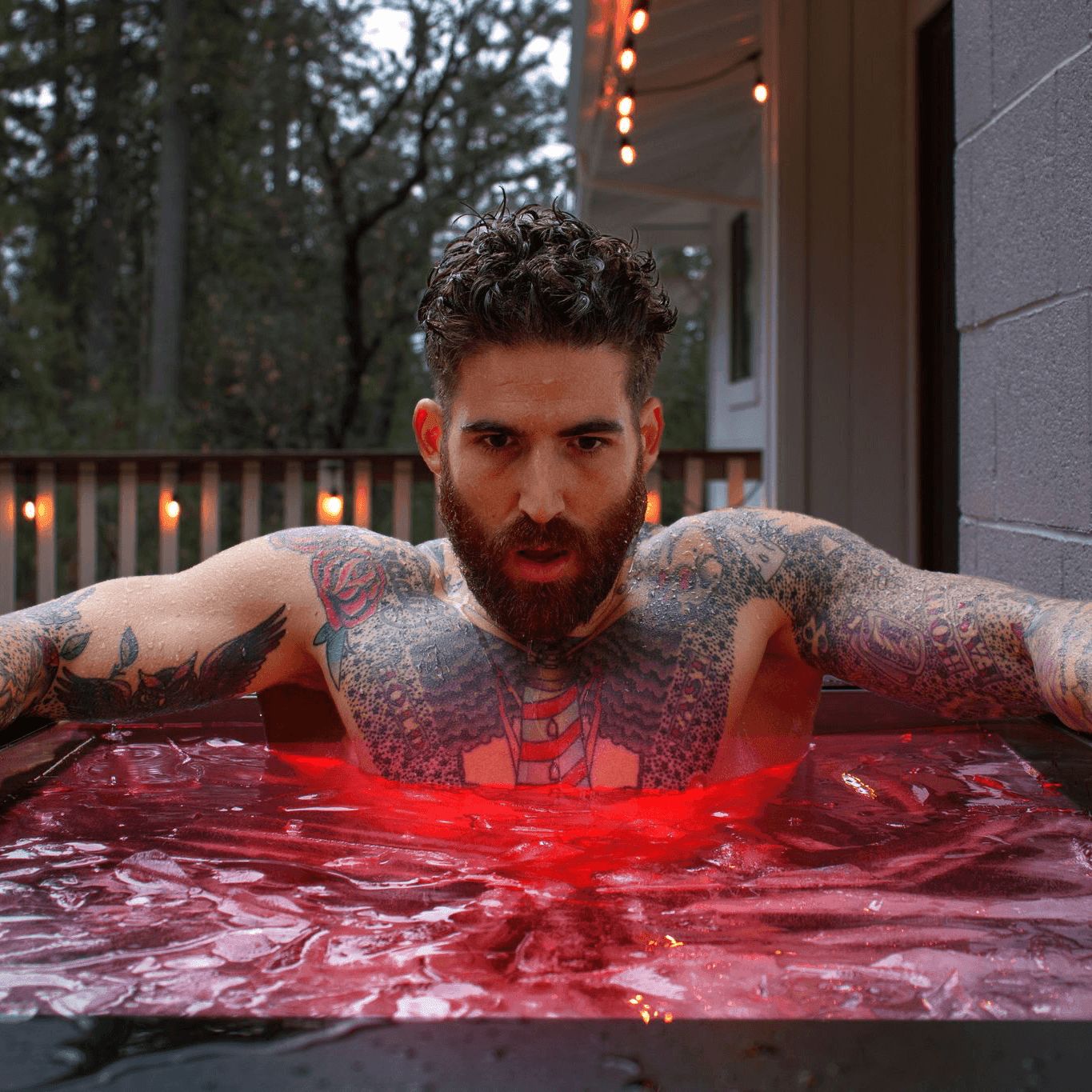
After you get out, you should shiver lightly for a few minutes, not violently for 20. Mild shivering is normal. It is your body warming itself. You should also feel a shift in mood within about five to ten minutes. Calm, alert, and a little proud is the target. If you feel dizzy, faint, or confused, you stayed too long or the water was too cold.
The afterdrop is real. Cold blood from your skin and limbs returns to your core after you exit. Your core temperature may continue to drop for several minutes. The Cleveland Clinic warns that cold water immersion can strain the heart and lungs, especially in people with underlying conditions. That is why you should never jump out and immediately get into a hot shower. The sudden shift can cause blood pressure changes.
Warm up gradually instead. Dry off fast. Put on a wool hat, socks, and a warm jacket. Walk around. Sip a warm drink. Do not rely on a hot shower to fix the cold. Let your body do the work for ten to fifteen minutes. This is where many beginners get it wrong. They add heat too soon and feel lightheaded.
Use a simple log. After each session, note the water temperature, time, and how you felt 30 minutes later. If recovery feels bad, do not add time next week. The next step explains how to schedule sessions so you can actually recover between exposures.
- Plan Two to Four Sessions Per Week
Consistency beats intensity. For beginners, two to four cold plunges per week is enough. Start with two or three. Space them out. Monday, Wednesday, and Friday works well. This gives your body at least one recovery day between most sessions. You can still do other training on off days, but avoid doubling up hard cold plunges on consecutive days early on.
Why not daily? Cold exposure is a hormetic stress. A small dose triggers repair and adaptation. Too much stress without recovery can increase fatigue and reduce cold tolerance. You may notice your hands and feet stay cold longer. That means your body is not recovering. Listen to it. Slow breathing exercises can help you prepare for sessions, but they do not replace rest.
After two or three weeks, you can add a fourth session if you feel good. Keep total weekly cold exposure time modest. Four sessions of two minutes is much better than one session of eight minutes. The body responds to regular, brief exposures more than heroic weekend plunges.
On off days, light movement helps. Walking, mobility work, or gentle breathing can keep circulation moving. You do not need a sauna session after every plunge, but if you do use heat, space it out and hydrate. The next step is about managing two variables at once: time and temperature.
- Change One Variable at a Time
After a month, you may feel ready for more. You have two levers: duration and coldness. Do not pull both in the same week. If you want to get colder, keep the time short. If you want to stay longer, keep the temperature in the beginner range. This keeps total stress from spiking.
For example, if you are at 60 seconds at 55°F, next week either go to 75 seconds at 55°F or stay at 60 seconds and drop to 52°F. Not both. A temperature drop of 2°F to 3°F is a meaningful change. A time increase of 20 to 30 seconds is also a big step. Combining them can push you into a bad recovery.
Many beginners make the mistake of wanting to feel hardcore. They lower the water to 45°F and try to hit three minutes. That often leads to uncontrollable shivering, cold hands for hours, or worse. Our cold plunge safety guide for beginners covers the red flags in detail. Use it as a checklist before each session.
The only exception is when you feel totally stable at a certain dose for at least two weeks. Then you can make one small change. Track it for a week. If recovery holds, keep it. If not, go back. The final step is about knowing when to end the session and how to warm up.

- Hard Stop: Use the 5-Minute Cap and Gradual Warm-Up
There is almost no reason for a beginner to exceed five minutes. Most cold plunge benefits come from the first few minutes. Beyond that, the risk of hypothermia and severe afterdrop rises. Unless you are an experienced athlete with medical clearance, cap sessions at three to five minutes. You can always progress by getting colder slowly or adding another session, not by sitting forever.
Set a timer that is easy to see. Do not rely on how you feel. Cold water impairs judgment. You may feel oddly warm or calm right before you get too cold. That is not a signal to stay. It is a signal to get out. If you are shivering before you get in, skip the session. If you cannot control your breathing after 15 seconds, stand up and exit.
After you get out, move. Walk, swing your arms, put on warm layers from the core outward. A hat matters more than you think. You lose a lot of heat from your head. Do not jump into a hot tub or sauna right away. Give your body at least 15 to 20 minutes to warm naturally. Then heat is fine if you tolerate it.
Track your recovery. If you feel sleepy, brain fogged, or unusually cold hours later, you did too much. Reduce duration or raise temperature at the next session. The goal is a sustainable practice, not a one-time endurance event. Now you have a full progression from 30 seconds to a safe, repeatable cold plunge habit.
Red Flags & Warnings
- 🚨 Never plunge alone if you have a heart condition or uncontrolled blood pressure. The cold shock response can trigger arrhythmias. Have a spotter or avoid cold immersion until cleared by a doctor.
- 🚨 Do not start below 50°F (10°C) as a beginner. The risk of cold shock and afterdrop rises sharply below that mark. Stay in the 50s for at least a month.
- 🚨 If you start shivering before getting in, do not plunge. Your body is already cold. This raises hypothermia risk. Warm up first.
- 🚨 Gasping or hyperventilating is a sign to exit. Do not try to breathe through intense gasping for minutes. It can lead to fainting in water.
- 🚨 Avoid alcohol before or after cold plunging. Alcohol widens blood vessels and masks cold stress. It can cause rapid heat loss and poor decisions.
- 🚨 Never jump into a hot shower or sauna immediately after a cold plunge. The rapid temperature change can make you lightheaded or faint. Wait 15 to 20 minutes and warm gradually.
Frequently Asked Questions
How long should a beginner cold plunge at 50 degrees?
At 50°F, start with 30 seconds. If that feels manageable, you can move to 45 to 60 seconds after the first week. Do not exceed 90 seconds at this temperature until you have several consistent weeks of practice.
Is 2 minutes too long for a beginner?
It can be if the water is below 50°F or if you feel dizzy. At 55°F to 59°F, two minutes is a reasonable target after two to three weeks of progressive build-up. Let your recovery signs, not the clock alone, decide.
Can I cold plunge every day as a beginner?
Most beginners do better with two to four sessions per week. Daily plunging can stack stress before your body adapts. Start with three per week and add a fourth only if you feel energized between sessions.
How fast can I lower the water temperature?
Drop no more than 2°F to 3°F at a time. Keep duration short when you first go colder. Do not lower temperature and increase time in the same week. Wait until the new temperature feels boring before dropping again.
What happens if I stay in too long?
You may get uncontrollable shivering, numb hands and feet, brain fog, or extreme fatigue. In severe cases, afterdrop lowers core temperature after you exit. Get out before you feel bad. Warm up gradually and monitor yourself for 30 minutes.
Do I need a thermometer, or can I guess the temperature?
A waterproof thermometer is worth it. Guessing leads to too-cold sessions. The difference between 50°F and 40°F is huge. Use a floating or probe thermometer every time. This is the simplest safety tool you can buy.
What Should You Remember?
- Start at 30 seconds. Your first cold plunge should be brief enough to feel safe after the initial gasp.
- Use 50°F to 59°F water. This beginner range allows adaptation without extreme cold shock.
- Add 15 to 30 seconds weekly. Small, weekly increases beat big daily jumps.
- Change one variable at a time. Never drop water temperature and add duration in the same week.
- Cap beginner sessions at three to five minutes. More time rarely adds benefits and raises hypothermia risk.
- Warm up gradually. Dry clothes, light movement, and a hat beat a sudden hot shower.
- Track every session. Water temp, duration, and how you feel 30 minutes later tell you when to progress.
This article is for general information only and is not medical advice. Cold water immersion and sauna use can be risky for people with cardiovascular conditions, Raynaud’s disease, or who are pregnant. Always consult a physician before beginning cold therapy or heat therapy.