The NovaaLab cold plunge chiller shows up in the same Amazon results as a dozen other budget chillers, and that is exactly why it deserves a closer look. Cold water immersion has moved from a niche recovery habit to a standard tool for athletes, weekend lifters, and anyone chasing better sleep. The problem is that the cheap end of the market sells you a box with a compressor and hopes you do not read the spec sheet closely. NovaaLab sits in that budget tier. It claims to hold water near 37°F, run quietly, and filter debris down to five microns. Whether those numbers hold up in a garage in July is the real question. If you want the wide view first, our roundup of the best cold plunge tubs for 2026 covers every major brand side by side.
I compared NovaaLab against the systems I recommend most often, including the Sun Home line and the Plunge Original. I pulled cooling capacity, tub volume, filtration type, and warranty length from manufacturer spec pages rather than marketing summaries. I also checked what peer-reviewed research actually supports. The physiological case for cold water immersion is well documented for perceived recovery and mood, though the effect on muscle growth is murkier. Our breakdown of cold plunge benefits covers what the studies do and do not show. Nobody should spend $2,000 on a chiller because a landing page told them to.
Timing matters here. Compressor chillers that cost $3,000 in 2022 now sell for under $1,200, and the budget tier filled up fast. That price collapse created a new problem. Two units that look identical on Amazon can differ by 20°F in achievable temperature. Water temperature drives the entire adaptation response, which is why our cold plunge temperature guide starts beginners at 50°F and works down from there. A chiller that stalls at 48°F in summer is not the same product as one that holds 39°F in a hot garage, even if both badges say 37°F.
Filtration and maintenance separate the good budget chillers from the frustrating ones. A five-micron cartridge paired with ozone will keep water clear for three to four weeks. An undersized filter will clog in days and leave you draining the tub constantly. Our guide to cold plunge water maintenance walks through the exact schedule. Warranty language matters just as much. Two years on the compressor with one year on the tub shell is common in this tier, and that split tells you where the manufacturer expects failures to happen.
How Do the Top Options Compare?
| Option | Best For | Temperature Range | Capacity | Filtration | Warranty |
|---|---|---|---|---|---|
| NovaaLab Chiller + Tub Package | Budget-first plungers | 37°F target, 42-45°F in heat | 105 gal | 5-micron cartridge + ozone | 2 yr chiller / 1 yr tub |
| Sun Home Cold Plunge Pro Apex | Best overall | 37°F held year-round | 110 gal | 10" x 2.5" cartridge + UV + ozone | 2 yr |
| Sun Home Cold Plunge Tub | Mid-range value | 37°F target, 40-43°F in heat | 100 gal | Cartridge + ozone | 1 yr |
| Sun Home Pro Titan XL | Tall athletes | 37°F held year-round | 130 gal | 10" x 2.5" cartridge + UV | 2 yr |
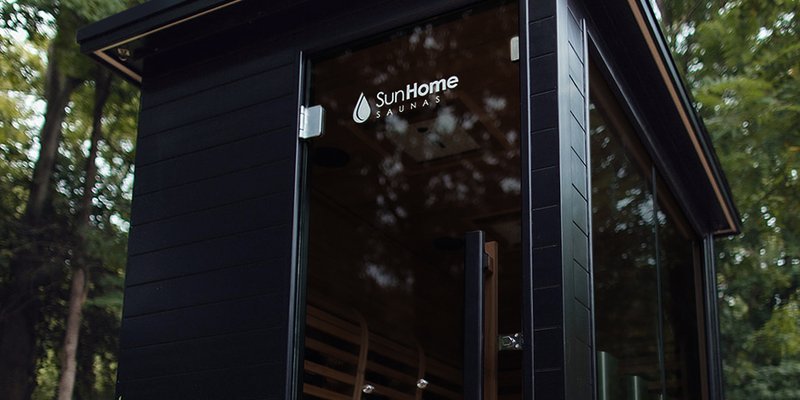
| Sun Home Nova 3-Person Sauna | Contrast therapy | Up to 194°F | 3 people | Not applicable | 1 yr |
Temperature figures reflect manufacturer ratings plus reported performance in ambient conditions above 85°F. Capacity is measured in US gallons. Chiller noise, plumbing quality, and support response times vary by unit and are not captured in the table. Confirm current specifications with each manufacturer before purchase, since chiller hardware changes between production runs.
1. NovaaLab Cold Plunge Chiller + Tub Package , Best for budget-first plungers who want a real compressor chiller
NovaaLab sells a chiller-and-tub package aimed at the entry tier. The chiller runs a 1/2 HP compressor rated to pull a full tub down to 37°F, and the bundled tub holds roughly 105 gallons at 31 by 26 by 27 inches. A five-micron cartridge filter handles debris, and an ozone generator runs on a timer to keep bacterial counts low between water changes. Noise sits around 52 dB under normal load, which is louder than a refrigerator but quiet enough for a covered patio. That combination is genuinely competitive for the price, and replacement cold plunge chiller filter cartridges cost a few dollars each.
Here is the honest part. A 1/2 HP compressor does not hold 37°F in a 95°F garage the way a 1 HP unit does. Expect 42°F to 45°F on the hottest afternoons, with the compressor running almost continuously while it fights ambient heat. The included tubing and fittings are also the weak point, and several owners report swapping them within the first year. If you want to understand why stable temperature beats peak cold, read our piece on whether cold plunge work actually lives up to the claims.
Cold water immersion carries real cardiovascular load. Cleveland Clinic notes that the cold shock response spikes heart rate and blood pressure in the first 30 seconds, which is why an uncontrolled jump into 40°F water is a bad first move. Ramp in slowly and keep sessions short at the start.
Warranty coverage is two years on the chiller and one year on the tub shell. That split is standard in this tier and it tells you where the manufacturer expects problems. Support runs through email and a US phone line during business hours, with response times slower than Sun Home or Plunge. For a first plunge, that tradeoff can be worth $600 to $900 in savings. A cheaper path exists if you are handy. A chest freezer conversion costs $300 to $500 and hits 38°F reliably, though you give up the finished look and self-contained plumbing. Our DIY chest freezer cold plunge build covers the wiring and sealant steps in detail.
Key strengths:
- ✅ Costs $600 to $900 less than comparable 1/2 HP packages from premium brands
- ✅ Reaches 37°F in moderate climates and holds temperature overnight with the lid on
- ✅ Five-micron cartridge plus ozone keeps water clear for three to four weeks between changes
- ✅ Footprint of 31 by 26 by 27 inches fits a small patio or garage corner
- ✅ Runs at roughly 52 dB, quiet enough for a covered patio or garage
- ❌ Cooling capacity collapses in high ambient heat, often stalling at 42°F to 45°F
- ❌ Included plumbing hardware is the most commonly reported failure point
- ❌ One-year tub warranty is shorter than the two-year industry norm
Who it’s for: Budget-first buyers in mild climates who want a genuine compressor chiller without paying premium pricing.
2. Sun Home Cold Plunge Pro Apex , Best overall for year-round temperature stability
Sun Home builds the Pro Apex as its flagship cold plunge, and the spec sheet shows where the extra money goes. A 1 HP chiller holds 37°F in ambient temperatures that stall a 1/2 HP unit, and the cooling loop is rated for continuous duty. The tub holds around 110 gallons with an integrated step and a slip-resistant floor. Filtration runs a 10 inch by 2.5 inch cartridge paired with UV and ozone, a three-stage setup rather than the single-stage filtration on budget units. Replacement 10 x 2.5 inch cold plunge filters come straight from the manufacturer.
Performance in real conditions is the selling point. Owners running the Apex in Phoenix and South Texas report stable 39°F to 41°F water through summer, roughly 5°F colder than a 1/2 HP chiller manages under the same load. The controller supports scheduled cooling windows, so you can drop temperature overnight when electricity is cheaper and let it drift during peak hours. That feature alone shaves a few dollars off the monthly power bill.
Build quality is the other difference. The shell is insulated and the lid seals with a gasket, which slows heat gain between sessions. Set the unit to 41°F, cover it, and it will still read 42°F six hours later. Cheap tubs lose 4°F to 6°F over that same window.
If you are new to the practice, pair the tub with a structured plan. Our cold plunge protocol for beginners runs four weeks from 30-second exposures at 55°F down to three minutes at 45°F. Going straight to 37°F for ten minutes on day one is how people end up hating the habit before it takes hold.
Key strengths:
- ✅ 1 HP chiller holds 37°F in hot climates where budget units stall above 42°F
- ✅ Three-stage filtration with a 10 x 2.5 inch cartridge, UV, and ozone keeps water clear for four to six weeks
- ✅ Insulated shell and gasketed lid limit temperature drift to roughly 1°F over six hours
- ✅ Scheduled cooling windows cut electricity cost during peak-rate hours
- ✅ Two-year warranty covers both chiller and tub
- ❌ Costs roughly twice what a NovaaLab package runs
- ❌ Needs a dedicated 120V circuit and about six square feet of floor space
- ❌ Chiller noise is noticeable at around 55 dB when the compressor is under load
Who it’s for: Buyers in hot climates who need guaranteed temperature stability and plan to plunge every week of the year.
3. Sun Home Cold Plunge Tub , Best mid-range value with upgrade headroom
The standard Sun Home Cold Plunge Tub sits between the budget tier and the flagship. It pairs a 1/2 HP chiller with a 100-gallon basin and a simpler control panel than the Apex. The cooling target is 37°F in moderate ambient conditions, with real-world summer performance landing near 40°F to 43°F. Assembly takes about 30 minutes with basic hand tools.
Where this unit earns its place is accessory support. Sun Home sells an upgraded cold plunge chiller and a Premium Pro Basin that raises the floor so you use less water per fill. There is also a vertical model for narrow patios. Buying into a system with upgrade parts matters more than most people expect. A tub you outgrow in a year is a $1,500 mistake.
Water chemistry stays simple. Drain and refill every four to six weeks, replace the cartridge every two weeks, and run the ozone cycle daily. How many sessions you can run between changes depends on how often you plunge. Our guide to how often you should cold plunge covers session frequency and the maintenance load that comes with it.
The honest limitation is heat. Above 90°F ambient, this chiller behaves like every other 1/2 HP unit. It drifts, it runs constantly, and it never quite reaches its rated temperature. If you live in the desert, spend the extra money on the Pro line.
Key strengths:
- ✅ Middle price point between budget chillers and flagship systems
- ✅ 100-gallon basin fits most adults up to about 6'2"
- ✅ Accepts Sun Home accessories including the Premium Pro Basin and upgraded chiller
- ✅ Simple control panel with fewer failure points than app-connected units
- ✅ Insulated tub shell holds temperature well overnight with the lid secured
- ❌ 1/2 HP chiller loses ground above 90°F ambient temperature
- ❌ One-year warranty is shorter than the Pro line’s two years
- ❌ No UV stage in the base filtration configuration
Who it’s for: Buyers who want a proven mid-range tub and plan to add accessories as their routine develops.
4. Sun Home Pro Titan XL , Best for tall athletes who need full shoulder submersion
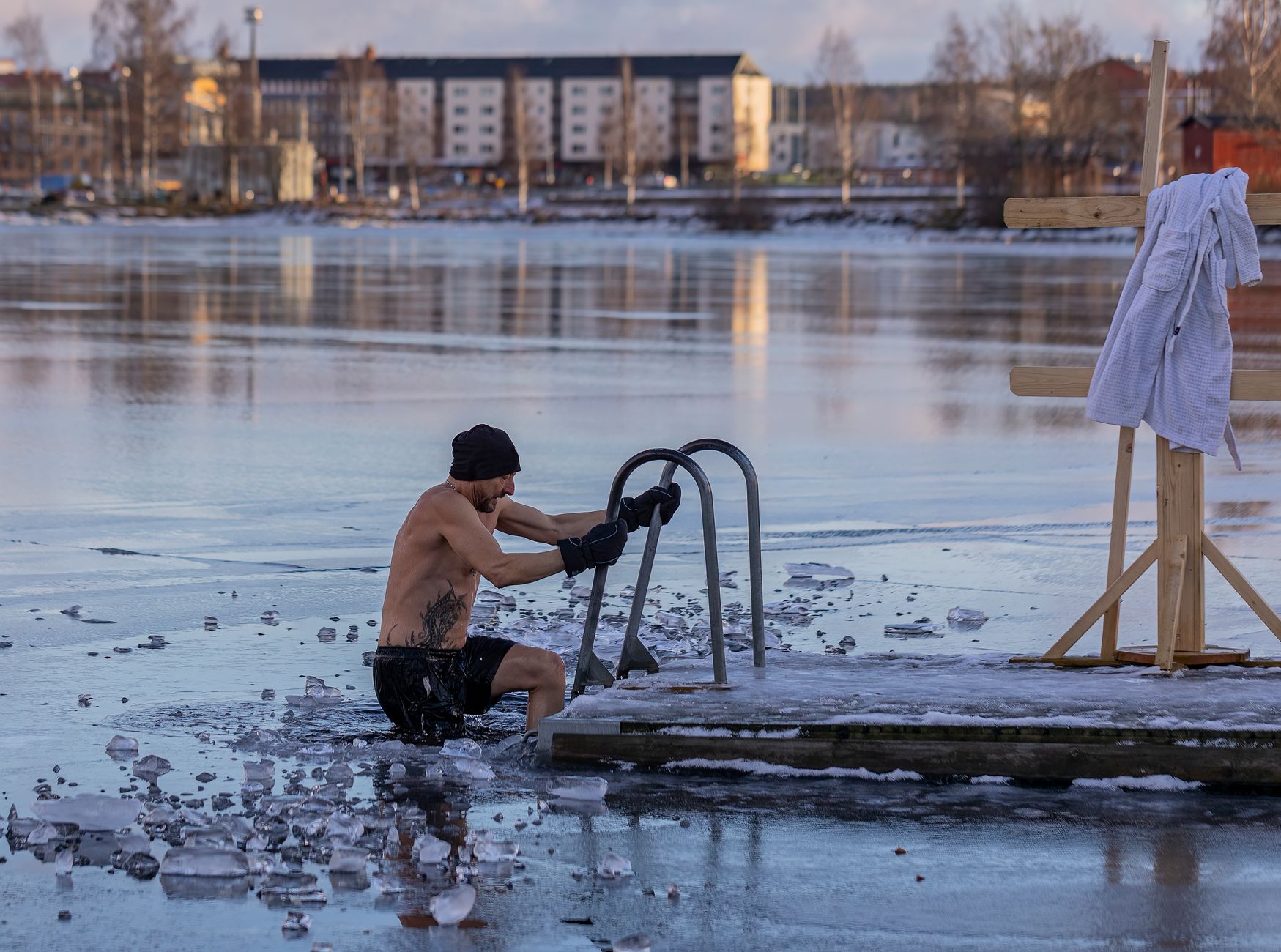
Tall athletes get ignored by most cold plunge makers. A 6'4" swimmer in a 100-gallon tub ends up with knees against the rim and shoulders out of the water, which defeats the point of immersion. The Pro Titan XL fixes that with a 130-gallon basin and a longer interior that accommodates users up to roughly 6'8". Depth runs deeper than the standard Pro, so full chest-and-shoulders submersion does not require folding up or tucking your knees.
Cooling stays at the flagship level. The same 1 HP chiller from the Pro Apex drives the Titan XL, and the larger water volume actually helps thermal stability. More gallons means a slower temperature rise when the lid comes off. Owners report a 1°F to 2°F recovery after a 15-minute session versus 3°F on smaller tubs. That difference compounds across a training week.
The tradeoff is water cost and initial chill time. A 130-gallon basin takes longer to fill and longer to pull down from tap temperature, often six to eight hours on first setup. Once it is cold, it stays cold. Adding the Premium Pro Basin raises the floor and reduces how much water you need per fill, which cuts both the cost and the chill time on refills.
If you stack this with a sauna, sequence matters. Heat first, cold second, repeat. Our breakdown of cold plunge before or after sauna explains why ending on cold is standard for recovery and why ending on heat is better for sleep quality.
Key strengths:
- ✅ 130-gallon basin fits users up to roughly 6'8"
- ✅ Deeper interior allows full shoulder submersion without folding up
- ✅ Larger water volume slows temperature rise to 1°F to 2°F after a session
- ✅ Carries the same 1 HP chiller and two-year warranty as the Pro Apex
- ✅ Compatible with the Premium Pro Basin to reduce water use per fill
- ❌ Takes six to eight hours to chill from tap temperature on first fill
- ❌ Uses roughly 30% more water per change than a standard 100-gallon tub
- ❌ Heaviest unit in the lineup, so placement must be planned before delivery
Who it’s for: Taller athletes and anyone who wants full shoulder submersion without contorting into a standard-size tub.
5. Sun Home Nova 3-Person Indoor Traditional Sauna , Best sauna pairing for a full contrast therapy setup
Cold plunge works better when you pair it with heat. The Nova 3-Person is a traditional Finnish sauna with an electric heater rated up to 194°F, hot enough to drive the deep sweat response that dry infrared cabins struggle to match. Most users settle between 170°F and 180°F. Three adults fit on two-tier cedar benches without shoulder contact. Assembly is the part nobody warns you about. Two people, four to six hours, and a genuinely level floor.
The contrast protocol matters more than the sauna itself. Heat first, then cold, then repeat. Two rounds of 15 minutes at 175°F followed by three minutes at 45°F is the sequence most athletes settle into. Ending on cold suits recovery and alertness. Ending on heat suits sleep, which is why evening users often flip the order.
Where the Nova differs from an infrared cabin is the sweat. Traditional saunas run 170°F to 194°F with low humidity, while infrared cabins top out near 140°F to 150°F. If you have never used either, our sauna vs steam room comparison breaks down the humidity and temperature differences in plain terms. The Nova also requires a dedicated 240V circuit, which is a real installation cost that most buyers underestimate by several hundred dollars.
One more consideration. Heat exposure has cardiovascular effects that overlap with cold exposure. If you are stacking both, check with a doctor first, particularly if you take blood pressure medication or have a history of arrhythmia.
Key strengths:
- ✅ Traditional Finnish design reaches 194°F, well above infrared cabin limits
- ✅ Seats three adults on two-tier cedar benches without shoulder contact
- ✅ Pairs directly with any cold plunge tub for a complete contrast therapy routine
- ✅ Solid cedar construction with tongue-and-groove panel assembly
- ✅ Heater reaches working temperature in about 30 minutes
- ❌ Requires a dedicated 240V circuit and professional electrical work
- ❌ Assembly takes two people four to six hours and a level floor
- ❌ Does not include a cold plunge, so the two systems are separate purchases
Who it’s for: People building a home contrast therapy setup who want authentic dry-heat sauna sessions alongside cold immersion.
Frequently Asked Questions
Is NovaaLab a good cold plunge brand?
It is a reasonable entry-level option if you live in a mild climate and want a real compressor chiller without paying premium pricing. The 1/2 HP compressor reaches 37°F in moderate conditions, and the five-micron cartridge plus ozone keeps water clear for three to four weeks. It falls short in high ambient heat and the included plumbing hardware is the most common failure point.
What temperature does a NovaaLab chiller actually reach?
The manufacturer rates it for 37°F. In practice, a 1/2 HP compressor holds that target when ambient air stays below about 85°F. Above 90°F, owners report the unit stalling between 42°F and 45°F with the compressor running near continuously.
Do I need a chiller, or is ice enough?
Ice works for occasional plunges. A chiller makes sense if you plunge four or more times per week, because buying ice at that frequency costs more than a chiller within a year. A chiller also holds a stable temperature, which matters more than peak cold for tracking adaptation.
How often should I change cold plunge water?
Drain and refill every four to six weeks with regular ozone and filter maintenance. Replace the cartridge every two weeks. If the water turns cloudy before the four-week mark, your filtration is undersized or your sanitizer schedule is too loose.
Can I use a cold plunge and sauna on the same day?
Yes, and the pairing is one of the most popular recovery routines. Heat first for 15 minutes, then cold for three minutes, then repeat. Ending on cold suits recovery and alertness. Ending on heat suits sleep.
Is cold plunging safe for beginners?
For most healthy adults, yes, with a gradual ramp. Start at 55°F for 30 seconds and build over four weeks. The cold shock response spikes heart rate and blood pressure in the first 30 seconds, so anyone with a heart condition should clear it with a doctor first.
What Should You Remember?
- Budget chillers have a hard ceiling. A 1/2 HP compressor reaches 37°F in mild conditions but stalls near 43°F in a hot garage, which is why ambient temperature matters more than the spec sheet.
- Filtration beats cold for daily usability. A five-micron cartridge plus ozone keeps water clear for three to four weeks. Undersized filters force water changes every ten days.
- Warranty length reveals failure points. Two years on the chiller and one year on the tub is standard in the budget tier, and that split tells you where the manufacturer expects problems.
- Tall athletes need volume, not just depth. A 130-gallon basin lets users up to roughly 6'8" submerge shoulders without folding up. Standard 100-gallon tubs leave them exposed.
- Pair cold with heat for full recovery value. Two rounds of 15 minutes at 175°F followed by three minutes at 45°F is the sequence most athletes settle into.
- Ice is a false economy past four sessions a week. At that frequency, a chiller pays for itself inside twelve months.
This article is for general information only and is not medical advice. Cold water immersion and sauna use can be risky for people with cardiovascular conditions, Raynaud’s disease, or who are pregnant. Always consult a physician before beginning cold therapy or heat therapy.