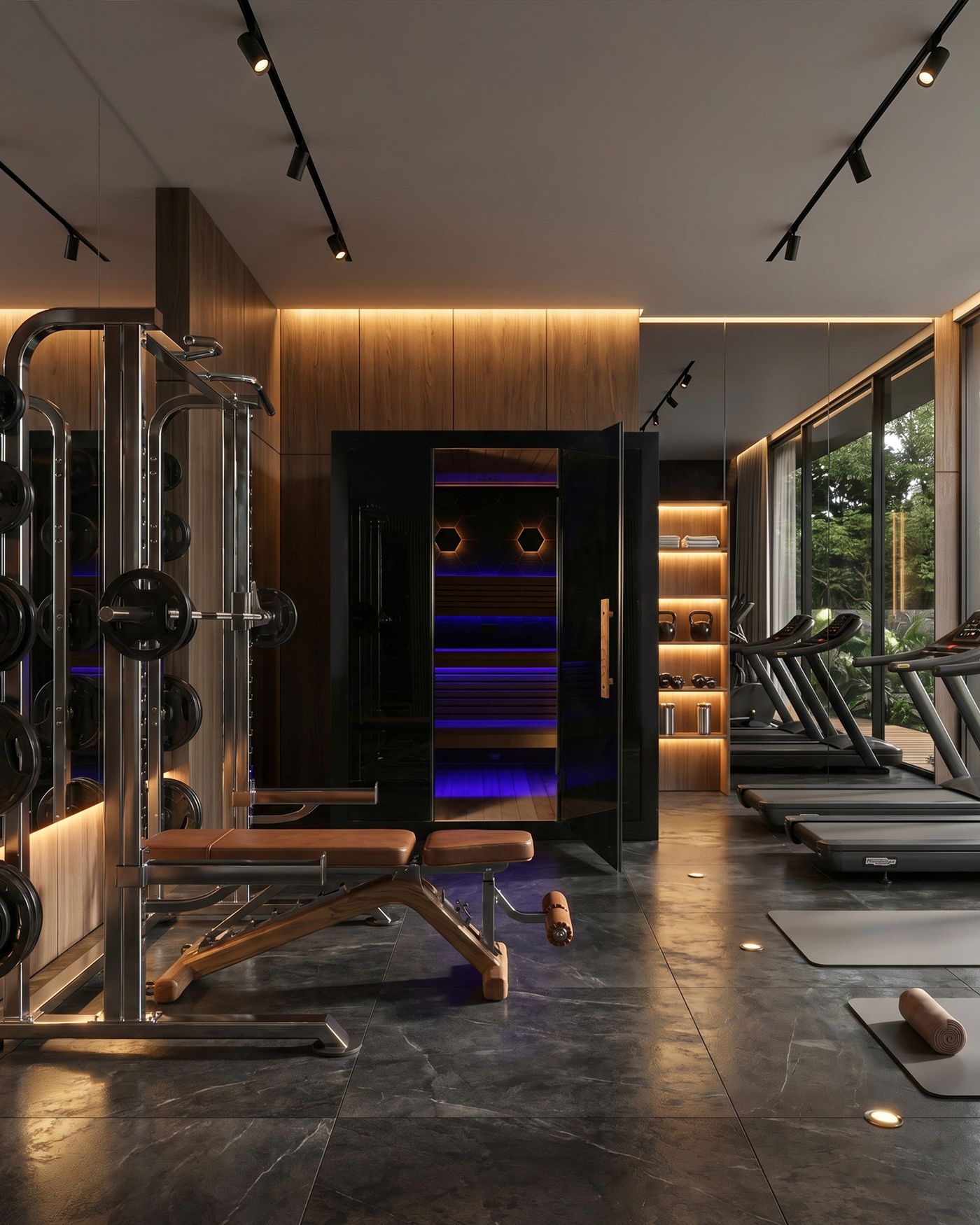
Walking into a 190 degree Fahrenheit traditional Finnish sauna feels like stepping into a wall of heat. An infrared sauna often feels mild at first. The air might be only 120 degrees Fahrenheit, but your skin begins to warm and you still sweat. That difference confuses many first-time buyers. The choice is not about which sauna is universally better. It is about how each type delivers heat and how your body responds. At PlungeHQ, we review recovery tools that work with both heat and cold. This guide helps you decide based on evidence, not marketing. Use this guide before you buy or build.
Traditional saunas date back thousands of years in Finnish culture. Infrared saunas are a newer technology, but they are now common in homes, gyms, and wellness clinics. Both have research behind them, though the evidence base differs. Traditional sauna use has strong observational data for cardiovascular and longevity outcomes. Infrared sauna studies are smaller but show promise for relaxation, pain, and vascular function. You can pair either sauna with cold exposure. If you already own a cold plunge tub or plan to buy one, the way you sequence heat and cold matters.
We will cover the real differences, the temperatures, the research, the safety tradeoffs, and the costs. By the end, you should know which sauna fits your recovery routine and your home.
| Feature | Infrared Sauna | Traditional Sauna |
|---|---|---|
| Heat source | Electric infrared panels | Electric heater, wood stove, or gas |
| Air temperature | 110 to 140 degrees Fahrenheit typical | 160 to 200 degrees Fahrenheit typical |
| Humidity | Low and dry | Low to moderate, steam spikes with löyly |
| Session length | 20 to 40 minutes common | 10 to 20 minutes common |
| Warm-up time | 15 to 30 minutes | 30 to 60 minutes for full heat |
| Energy use | Often 1.5 to 2.5 kilowatts | Often 4.5 to 9 kilowatts for electric units |
| Best for | Beginners, low heat tolerance, easy install | Heat lovers, classic steam, larger spaces |
How Do Infrared and Traditional Saunas Actually Heat You?
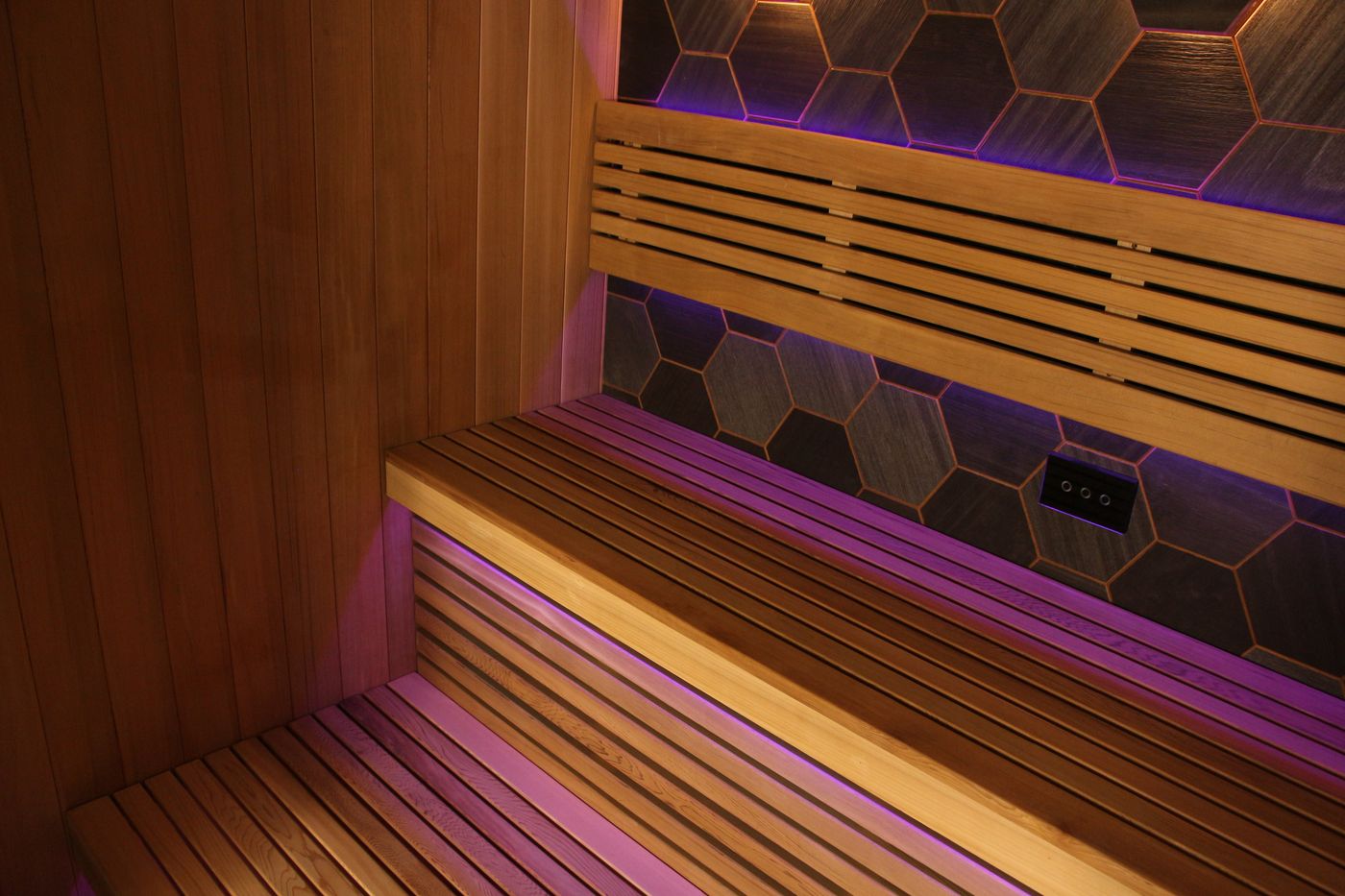
A traditional sauna, especially a Finnish sauna, heats the air around you. An electric heater or wood stove warms rocks. You can pour water on the rocks to create a burst of steam called löyly. Air temperatures usually reach 160 to 200 degrees Fahrenheit. Your skin heats up because the surrounding air is hot. This is convection and conduction. Your body responds by sweating and sending more blood to the skin.
An infrared sauna uses electric panels that emit infrared light. The light is invisible and transfers energy directly to your skin. The air inside the cabin stays much cooler, often between 110 and 140 degrees Fahrenheit. Because the heat reaches your body more directly, you can sweat at lower air temperatures. Many home units use far infrared panels. Some also include near or mid infrared emitters.
This difference matters for comfort. Infrared heat often feels milder on your face and airways. Traditional heat can feel intense and humid. Some people prefer one, some prefer the other. Neither mechanism is automatically better. Your heat tolerance and session goals should guide the choice.
What Does the Research Say About Sauna Health Benefits?
The strongest long-term evidence comes from traditional Finnish saunas. A prospective study followed 2,315 middle-aged men for about 20 years. Men who used a sauna four to seven times per week had a 50 percent lower risk of cardiovascular death and a 63 percent lower risk of sudden cardiac death compared with once weekly use. The sessions were traditional saunas around 174 degrees Fahrenheit. This is observational data, so it cannot prove cause and effect. Sauna users may also have other healthy habits. You can find the study indexed on PubMed.
Infrared sauna research is smaller and shorter. Some studies suggest it may lower blood pressure, reduce pain, and improve vascular function. Harvard Health notes that sauna use can produce effects similar to mild exercise, but it is not a replacement for exercise. Cleveland Clinic agrees that sauna use is generally safe for healthy adults when used properly. The evidence for infrared is promising, but not as robust as the Finnish sauna data.
For recovery, the practical benefits are clear. Heat increases blood flow and relaxes muscles. It also triggers a strong relaxation response. Pairing sauna use with a cold plunge adds a useful contrast. If you want to understand why cold immersion supports recovery, see our cold plunge benefits guide. The sequence is flexible, but most people start with heat and end with cold.
What Temperature, Humidity, and Session Length Should You Expect?
Traditional saunas typically run between 160 and 200 degrees Fahrenheit. Humidity is usually low, around 10 to 20 percent. When you throw water on the rocks, the steam spike makes the room feel much hotter. Sessions typically last 10 to 20 minutes. Infrared saunas are cooler. Most home infrared units run between 110 and 140 degrees Fahrenheit with very low humidity. Sessions often last 20 to 40 minutes because the air feels less punishing.
Warm-up time also differs. Infrared panels can take 15 to 30 minutes to reach operating temperature. You might preheat the cabin for 20 minutes, then sit for 30. Traditional saunas often need 30 to 60 minutes to fully heat the room and the stones. After the door opens, a traditional sauna can recover quickly if the heater is strong. An infrared cabin may lose some heat and take a while to return to target.
Your session length should be based on how you feel. Start short and add time gradually. Drink water before and after. If you finish with a cold plunge, keep the total cycle moderate. A common pattern is 10 to 15 minutes in heat, a brief rinse, then two to three minutes in cold water. For specific cold temperatures, read our cold plunge temperature guide.
Which Sauna Is More Comfortable and Safe for Beginners?
Comfort is personal. Infrared saunas feel gentler because the air is cooler and easier to breathe. Many beginners tolerate infrared sessions better. The heat still builds on your skin, but your face and lungs do not feel scorched. Traditional saunas are hotter and more humid. That can be overwhelming for new users. Others find the intensity deeply relaxing and mentally clearing.
Safety advice is similar for both types. Avoid alcohol before sauna use. Stay hydrated. Leave if you feel dizzy, nauseated, or unwell. Cleveland Clinic recommends that people with cardiovascular conditions, pregnant women, and anyone on certain medications speak with a doctor before using a sauna. The risks are not limited to traditional saunas. Infrared heat can also raise heart rate and core temperature.
Cold plunge users should be extra careful with blood pressure shifts. Do not jump straight from a 190 degree sauna into 45 degree water. Sit for a minute, cool down with a lukewarm rinse, then enter the cold slowly. Our cold plunge safety guide for beginners explains this transition in more detail.
How Do Costs, Installation, and Energy Use Compare?
Infrared saunas usually win on installation. Many plug into a standard 120 volt outlet. They are lighter and easier to assemble. A two-person infrared unit can fit in a spare room or garage. Traditional electric saunas often require a dedicated 240 volt circuit. Wood-fired outdoor saunas add clearance, chimney, and fire safety requirements. If you rent or need a simple indoor setup, infrared is often more practical.
Energy use varies. Infrared saunas often draw 1.5 to 2.5 kilowatts. Traditional electric saunas can draw 4.5 to 9 kilowatts. This makes infrared cheaper per hour of electricity. But infrared sessions usually run longer, so total energy costs can be closer than they first appear. Wood-fired saunas use firewood instead of electricity.
Purchase prices overlap. Budget infrared units can start around $1,000 to $2,000. Premium full-spectrum models can exceed $5,000. Traditional home saunas range from about $3,000 to over $10,000 depending on materials and heater type. If you want specific model comparisons, see our best infrared saunas 2026 guide. That review is more useful than reading spec sheets alone.
Which Sauna Should You Choose for Cold Plunge Recovery?
There is no single right answer. If you are new to heat therapy, an infrared sauna is often more approachable. The lower air temperature lets you stay longer without feeling overwhelmed. It also fits more easily in a home or apartment. If you love heavy sweat, intense heat, and the ritual of löyly, a traditional sauna is worth the setup.
Think about your recovery sequence. Many cold plunge users start with heat and finish with cold. Heat relaxes muscles and increases blood flow. Cold reduces perceived soreness and causes vasoconstriction. You can adapt this pattern with either sauna. For infrared, allow a longer session. For traditional, keep it shorter and hotter. A simple starting plan is in our cold plunge protocol for beginners.
If you already own a traditional sauna, adding a cold plunge is straightforward. If you are building a backyard setup, a wood-fired sauna next to a cold tub is classic. An indoor infrared sauna with a portable cold plunge also works. The key is consistency. A sauna you use three times a week matters more than the type you buy and ignore.
Frequently Asked Questions
Is an infrared sauna better than a traditional sauna?
It depends on your heat tolerance and goals. Infrared feels milder and is often easier to install, while traditional saunas offer hotter air and stronger long-term research. Neither is universally better.
Do infrared saunas help you sweat as much as traditional saunas?
Yes, many users sweat heavily in infrared saunas even at lower air temperatures. Sweat rate varies by person, session length, and hydration level.
Can I use a sauna before a cold plunge?
Yes. Many people use heat first and cold second. Move slowly between temperatures and hydrate before and after the full cycle.
Are saunas safe for people with high blood pressure?
Most healthy adults can use saunas safely, but people with unstable heart conditions or uncontrolled blood pressure should ask a doctor first. Avoid extreme temperature swings.
How often should I use a sauna for recovery?
Three to four times per week is a common target. Research linked four to seven sessions per week with the largest cardiovascular benefits, but consistency matters more than a high number.
Does an infrared sauna use less electricity than a traditional sauna?
Usually yes. Infrared units often draw less power per hour, but sessions can be longer, so total energy use depends on how you use the sauna.
What Should You Remember?
- Heat delivery differs: traditional saunas heat the air, while infrared saunas heat your body more directly.
- Temperature ranges are lower in infrared saunas, which can feel easier to tolerate for beginners.
- Research is strongest for traditional Finnish sauna use, with observational heart and longevity data.
- Safety rules are similar: hydrate, avoid alcohol, and leave if you feel dizzy or unwell.
- Installation is often easier for infrared units, while traditional electric saunas may need 240 volt power.
- Cold plunge pairing works with either sauna if you transition slowly and listen to your body.
This article is for general information only and is not medical advice. Cold water immersion and sauna use can be risky for people with cardiovascular conditions, Raynaud’s disease, or who are pregnant. Always consult a physician before beginning cold therapy or heat therapy.