⚡ Quick Answer
The strongest evidence supports cold water immersion for: norepinephrine increases (~200–300%), dopamine elevation sustained over hours, significant reduction in delayed-onset muscle soreness (DOMS), and measurable mood improvement. Evidence for metabolic benefits, immune function, and sleep is real but more nuanced than influencer content suggests. Cold plunging also has a documented downside if you're lifting for hypertrophy — it attenuates muscle growth signaling. Here's what the actual studies say, with proper citations.
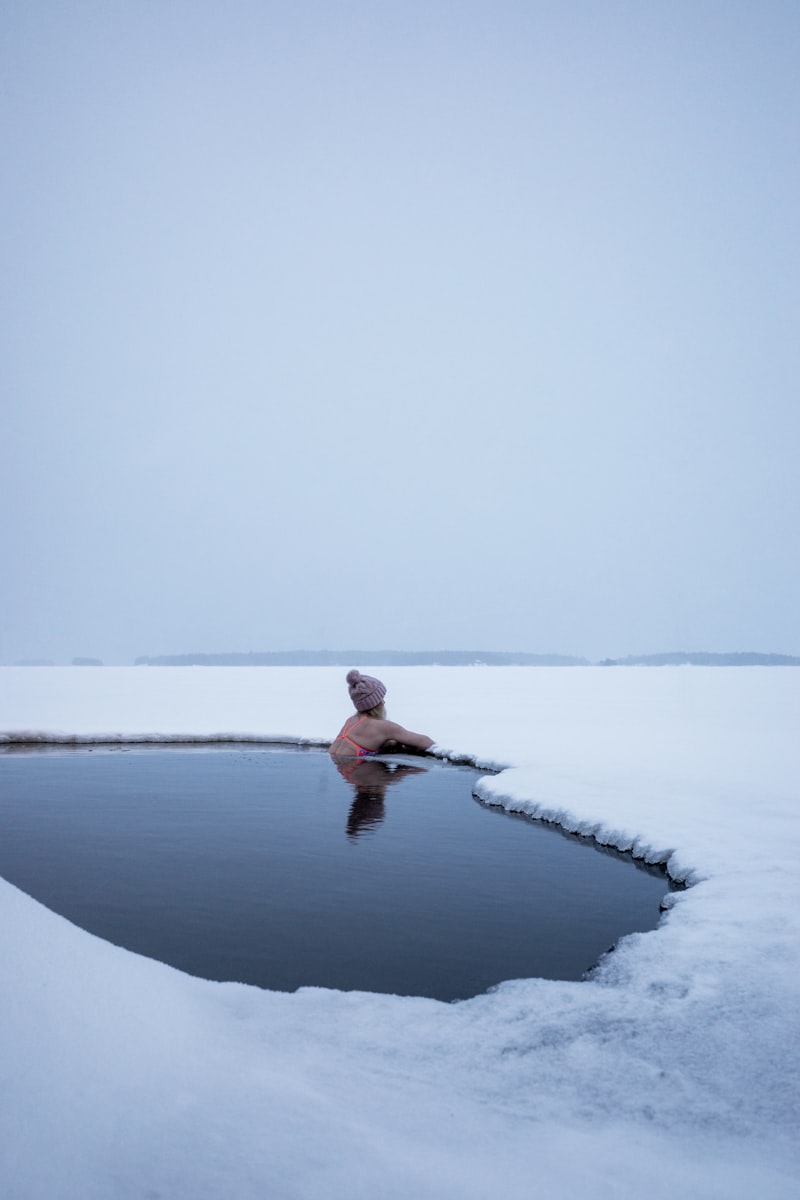
Why This Article Is Different
Most cold plunge content online follows a predictable template: open with a Huberman reference, list 7–10 benefits with generic citations like "research shows," link to PubMed broadly, and close with affiliate product links. It's the same dopamine/norepinephrine/brown fat talking points repeated across thousands of pages.
This article takes a different approach. We read the primary literature — the actual study PDFs, not the blog summaries of those summaries. We'll tell you what specific studies found, name the journals, acknowledge their limitations, and give you honest evidence tiers. Where something is exaggerated online, we'll say so.
Cold water immersion has a genuine evidence base. It's also one of the most overhyped wellness trends on social media. Both things are true simultaneously, and the distinction matters if you're making decisions about your health.
What Happens Physiologically During Cold Immersion
Understanding the benefits requires understanding the mechanism. Cold water immersion sets off a cascade of physiological responses that occur in distinct phases.
Phase 1: The Cold Shock Response (0–30 seconds)
The moment skin contacts cold water (below ~15°C/59°F), you get an involuntary gasp reflex, rapid hyperventilation, and an immediate heart rate spike. This is the cold shock response — it's involuntary, it's temporary, and it's the most dangerous part of cold immersion. Cold shock causes more drowning deaths than actual hypothermia, even in strong swimmers, because the gasping response can occur underwater.
Simultaneously, peripheral blood vessels constrict (vasoconstriction) to redirect blood to the core and vital organs. The sympathetic nervous system activates. This is where the catecholamine surge begins.
Phase 2: Physiological Adaptation (1–10 minutes)
As breathing normalizes, several things happen concurrently:
- Norepinephrine release: Plasma noradrenaline concentrations rise dramatically. Šrámek et al. (2000, European Journal of Applied Physiology) documented this response specifically, measuring significant catecholamine increases with whole-body immersion at different temperatures. A related 1996 study by Janský et al. found approximately 4-fold increases in plasma noradrenaline from single cold water immersion at 14°C. Norepinephrine functions as both a stress hormone and a neurotransmitter — it drives the focused, alert sensation you feel after a plunge.
- Dopamine elevation: Cold exposure produces a sustained (not spike-and-crash) dopamine increase. Unlike the dopamine response to food or social rewards, which peaks and drops rapidly, cold-induced dopamine elevation lasts hours. Estimates from the literature suggest increases in the range of 200–300%, though this varies with temperature and duration.
- Endorphin release: The same system that produces runner's high is activated by cold stress — partly explaining the "afterglow" many practitioners report.
- Brown adipose tissue (BAT) activation: In people who practice cold exposure regularly, brown fat increases its metabolic activity to generate heat via thermogenesis.
Phase 3: Recovery (hours post-plunge)
After exiting the water, vasodilation occurs (the rewarming), inflammation markers drop, and the mood-elevating neurotransmitters remain elevated for 2–4 hours. This is the "afterglow" window that practitioners find most useful for productivity and mood.
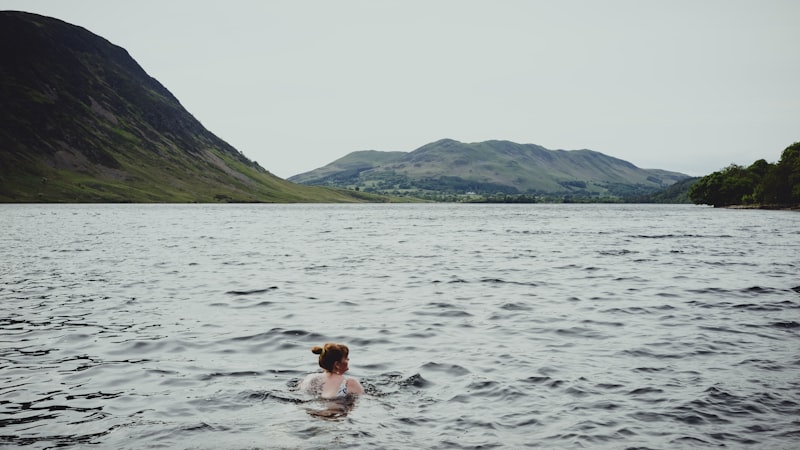
Tier 1 — Strong Evidence: What Cold Water Immersion Actually Delivers
These are outcomes with multiple well-designed studies, consistent findings across labs, and plausible physiological mechanisms. You can reasonably expect these benefits from regular practice.
1. Reduction in Delayed-Onset Muscle Soreness (DOMS)
This is the most rigorously tested application of cold water immersion in the sports science literature. Bleakley et al. (2012, Cochrane Database of Systematic Reviews) conducted a systematic review of 17 randomized controlled trials examining cold water immersion for preventing and treating muscle soreness after exercise. Their conclusion: CWI is superior to passive rest for reducing DOMS, with moderate evidence across studies.
The mechanism is straightforward: cold causes vasoconstriction that reduces local edema and inflammatory mediator activity in exercised tissue. Athletes who cold-plunge after training experience measurably less pain, faster subjective recovery, and in some studies, better maintained performance in subsequent training sessions.
Evidence grade: Strong — Multiple RCTs, systematic review, plausible mechanism, consistent direction of effect.
Important caveat: This benefit applies primarily to endurance and sport recovery. Strength athletes should read the hypertrophy section below before cold-plunging post-lift.
2. Norepinephrine and Catecholamine Surge
The scientific basis here is solid. Šrámek et al. (2000, European Journal of Applied Physiology, DOI: 10.1007/s004210050065) specifically measured human physiological responses to immersion in water at different temperatures, documenting significant catecholamine increases with cold exposure. Earlier work by Janský et al. (1996) found plasma noradrenaline concentrations quadrupling from a single session at 14°C (57°F).
This matters because norepinephrine isn't just a "feel-good chemical" — it's a key neurotransmitter involved in attention, focus, and working memory. The acute norepinephrine surge after cold immersion is real, measurable in blood plasma, and lasts significantly longer than a cup of coffee's stimulant effect.
Evidence grade: Strong — Measured directly in plasma in multiple studies with consistent findings. Not disputed.
3. Mood Improvement and Antidepressant Effect
The evidence here is genuine but more heterogeneous than often presented. Shevchuk (2008, Medical Hypotheses) proposed a specific mechanism: adapted cold showers stimulate the locus coeruleus, the primary norepinephrine-producing center in the brain, in ways that parallel the mechanism of certain antidepressants. He proposed that modern sedentary lifestyles lack the physiological cold stressors humans evolved with, contributing to depression prevalence.
More clinically: van Tulleken et al. (2018, BMJ Case Reports) documented open water swimming resolving medication-resistant major depressive disorder in a 24-year-old woman over 12 weeks — her medication was tapered and she remained symptom-free at follow-up. This is a case report (n=1), not a trial, but the specific mechanism proposed (cold water → inflammatory cytokine reduction → depression improvement) maps onto a plausible biological pathway.
A 2021 feasibility study (Harper et al.) found 10 weeks of cold water swimming produced significant reductions in depression and anxiety scores compared to warm water swimming and swimming-only controls. The study was small but randomized.
Evidence grade: Promising-to-Strong — Multiple mechanisms, case evidence, and small RCTs point in the same direction. Large controlled trials are still needed.
4. Systemic Anti-inflammatory Effect
Mooventhan & Nivethitha (2014, North American Journal of Medical Sciences) published a comprehensive review of hydrotherapy's evidence base, finding consistent anti-inflammatory effects from cold water application across multiple study designs. Cold water reduces production of pro-inflammatory cytokines, decreases C-reactive protein in some protocols, and reduces markers of oxidative stress.
This anti-inflammatory effect is the underlying mechanism for many of the other benefits on this list — from DOMS reduction to potential mood benefits (since depression has an inflammatory component in many patients).
Evidence grade: Strong — Consistent across study designs, plausible mechanism, confirmed in multiple labs.
Tier 2 — Promising But Limited: Effects Worth Knowing About
These are areas with real scientific interest and some positive findings, but where evidence is either from small studies, confounded protocols, or methodologically limited research. Don't dismiss them — but don't count on them either.
5. Brown Adipose Tissue Activation and Metabolic Health
Cold exposure does activate brown adipose tissue (BAT) — this is not disputed. Chondronikola et al. (2014) demonstrated that BAT activation through cold improved glucose metabolism and insulin sensitivity in humans, specifically through increased glucose uptake in BAT compared to white adipose tissue. This was measured with PET/CT imaging, not questionnaires.
The downstream metabolic benefits are real. However, the magnitude matters. Most cold plunge sessions last 2–5 minutes. The caloric expenditure from shivering thermogenesis and BAT activation in a typical session is estimated at 80–150 kcal — meaningful as a metabolic adjunct but not transformative for weight management on its own. Regular cold exposure over weeks does appear to expand BAT volume in adapted individuals, which may compound these effects over time.
A 2021 Cell Reports Medicine study found that regular winter swimmers had altered BAT thermoregulation and enhanced cold-induced thermogenesis compared to controls — suggesting adaptation is real and measurable.
Evidence grade: Promising — Mechanism is solid, metabolic benefits are real, but practical weight-loss magnitude is modest for typical doses.
6. Immune Function Modulation
The most famous evidence here is Kox et al. (2014, PNAS) — the Wim Hof study. Training practitioners in a combination of cold exposure, breathing exercises, and meditation, then injecting them with bacterial endotoxin (a controlled immune challenge), the trained group showed significantly attenuated inflammatory cytokine responses compared to untrained controls. They also reported fewer flu-like symptoms.
This study is frequently cited as proof that "cold plunging strengthens your immune system." Here's what it actually shows and doesn't show:
- What it shows: The Wim Hof Method combination (cold + breathing + meditation) can modulate the innate immune response in a specific experimental endotoxemia model.
- What it doesn't show: Whether cold exposure alone (without the breathing protocol) produces this effect. The three components were trained together and cannot be separated in this study design.
- What it definitely doesn't show: That cold plunging prevents colds, reduces cancer risk, or produces immune "strengthening" in any durable clinical sense.
Mooventhan & Nivethitha (2014) documented some positive evidence for cold hydrotherapy on white blood cell count and natural killer cell activity across multiple studies. There is a real signal here — but it's more nuanced than social media coverage suggests.
Evidence grade: Promising but confounded — The Kox study is rigorous but bundled protocols. Immune effects from cold alone need dedicated RCTs.
7. Sleep Quality Improvement
Buchheit et al. (2009) found that 5 minutes of cold water immersion following training in elite swimmers reduced the usual exercise-induced decrease in parasympathetic nervous system activity and was associated with improved perceived sleep quality. Heart rate variability (HRV) — a biomarker of parasympathetic activity and recovery — was better maintained in the CWI group.
The mechanism is plausible: the rewarming after cold immersion triggers parasympathetic activity (rest-and-digest), which promotes sleep onset. Morning cold exposure (rather than evening) is generally recommended since the norepinephrine surge can be alerting, potentially interfering with sleep if done within a few hours of bedtime.
Evidence grade: Limited but plausible — Small studies, self-reported outcomes, timing matters.
8. Vagal Nerve Stimulation and Stress Resilience
Cold water facial immersion triggers the diving reflex, which is mediated by the vagus nerve and produces parasympathetic activation — heart rate slows, blood pressure redistributes. This vagal stimulation is one mechanism for the reported anxiety reduction in regular practitioners.
Esperland et al. (2022, International Journal of Circumpolar Health) conducted a systematic review of 104 studies on voluntary cold water exposure, confirming multiple pathways by which regular cold immersion affects the autonomic nervous system — including evidence for reduced cortisol reactivity to stress with adapted cold exposure.
Evidence grade: Promising — Autonomic mechanism is established; stress resilience adaptation is a reasonable inference with some supporting data.
Tier 3 — Mostly Hype: Claims That Don't Hold Up
These are claims that circulate widely in cold plunge communities but have weak or no scientific support. We're not saying they're impossible — we're saying the evidence isn't there yet.
Longevity Extension
Some advocates cite heat shock proteins and AMPK pathway activation as longevity mechanisms. Cold exposure does activate cellular stress pathways that share some features with caloric restriction's longevity effects in animal models. But there is no human longevity data — no cohort studies showing cold plungers live longer, no intervention trials with mortality endpoints. The sauna data from Laukkanen et al. (2015, JAMA Internal Medicine) shows strong association between frequent sauna use and reduced cardiovascular mortality in Finnish men — but sauna is a very different intervention with a much longer evidence base. The longevity claims for cold plunging are extrapolations from mechanisms, not outcome data.
Testosterone Boost
The biological rationale (cooler testes = better testosterone production) has some theoretical basis since spermatogenesis is temperature-sensitive. A few small studies show transient testosterone elevations post-cold exposure. But effects are inconsistent across studies, the magnitude is small and clinically questionable, and no study has shown sustained testosterone elevation from a cold plunge protocol. This is almost certainly not a meaningful intervention for testosterone optimization.
"Detox" Claims
Your liver processes toxins. Your kidneys filter waste. Cold plunging does not "flush toxins," "open pores," or accelerate detoxification in any physiologically meaningful sense. Any practitioner or brand making detox claims is either misinformed or deliberately misleading.
Insulin Replacement / Diabetes Treatment
Improved insulin sensitivity is documented with regular cold exposure (Chondronikola et al.), but this does not mean cold plunging can replace medical management of diabetes. If you have type 1 or type 2 diabetes, cold immersion can cause dangerous blood glucose fluctuations and the cardiovascular stress response creates additional risk. This is a medical decision requiring physician guidance.
The Hypertrophy Problem — An Honest Warning for Gym-Goers
This section deserves its own heading because most cold plunge content completely ignores it, and it directly affects a large portion of people who train.
Roberts et al. (2015, The Journal of Physiology) put 21 men through 12 weeks of resistance training where one group did cold water immersion (10°C for 10 minutes) after every session and the other did active recovery. Results:
- The CWI group had attenuated gains in muscle mass compared to the active recovery group
- The CWI group showed blunted activation of key satellite cells and phosphorylation of mTORC1 signaling proteins — the molecular machinery that drives muscle protein synthesis
- Long-term strength gains were also smaller, though this finding was less clear-cut
Subsequent research (reviewed in a 2024 European Journal of Sport Science meta-analysis by Piñero et al.) confirmed that post-resistance training cold water immersion attenuates hypertrophy adaptations. The effect is consistent enough to take seriously.
The practical takeaway: If your primary goal is building muscle, avoid cold water immersion immediately after strength training sessions. The anti-inflammatory action that reduces soreness also attenuates the pro-inflammatory signal that triggers muscle repair and growth. You are, in effect, telling your muscles to recover rather than adapt.
What you can do instead:
- Cold plunge on non-lifting days (morning before, not immediately after, training)
- Use cold exposure after endurance sessions where hypertrophy is not the goal
- Wait at least 4–6 hours after strength training before cold immersion
Risks and Who Should Avoid Cold Plunging
This section is important. Cold water immersion is not risk-free, and the wellness influencer space has largely sanitized the risks into a brief "consult your doctor" disclaimer. Let's be more specific.
Cardiovascular Conditions
Cold shock creates acute cardiovascular stress: blood pressure spikes (systolic BP can jump 30–50 mmHg), heart rate surges and then may drop suddenly. For people with:
- Uncontrolled hypertension
- Coronary artery disease or history of heart attack
- Arrhythmias (including long QT syndrome, atrial fibrillation)
- Recent cardiac surgery
Cold water immersion can trigger arrhythmia or myocardial infarction. Esperland et al. (2022) listed cardiovascular conditions as the primary contraindication. This is not a theoretical risk — cold water drowning in healthy people is frequently attributed to cold shock-induced cardiac events.
Raynaud's Disease and Peripheral Vascular Conditions
Cold causes vasospasm in Raynaud's patients — painful, potentially dangerous episodes of extreme peripheral vasoconstriction. Cold immersion is contraindicated in active Raynaud's.
Respiratory Conditions
The cold shock gasp response can trigger bronchospasm in people with asthma. Cold air alone worsens asthma; cold water immersion combines this with the shock response. People with moderate-to-severe asthma should avoid cold plunging or proceed only under medical guidance.
Pregnancy
There is insufficient safety data on cold water immersion during pregnancy. The cardiovascular stress response and potential core temperature effects make this inadvisable without obstetric consultation.
Hypothyroidism
Undertreated hypothyroidism impairs the body's ability to generate heat in response to cold. Cold immersion in hypothyroid individuals can accelerate hypothermia. Ensure your thyroid condition is well-controlled before starting.
The Cold Shock Habituation Advantage
Regular cold exposure does meaningfully habituate the cold shock response — meaning experienced practitioners breathe better, panic less, and have a blunted initial heart rate spike compared to first-timers. This is one reason to start gradually (cold showers before cold plunges) rather than jumping into 10°C water immediately.
The Minimum Effective Dose: What the Research Suggests
Based on the research literature — particularly the Esperland et al. (2022) systematic review and the catecholamine studies — here's what appears to be the minimum effective dose for the documented benefits:
| Variable | Research Range | Practical Starting Point |
|---|---|---|
| Temperature | 10–20°C (50–68°F) | 15°C (59°F) — effective yet safer for beginners |
| Duration per session | 1–15 minutes | 2–4 minutes (significant catecholamine response occurs quickly) |
| Weekly volume | 11+ minutes total/week | 3–5 sessions × 2–4 min each |
| Optimal timing | Morning for alertness; post-endurance for recovery | Morning before strength training is safest for muscle goals |
| Immersion level | Neck-deep produces strongest response | Shoulders or neck deep when possible |
On Breathing
Controlled breathing during cold shock isn't just comfort — it's also how you avoid the hyperventilation-to-CO2-drop pathway that can cause fainting. Take slow, deliberate exhales. The "box breathing" approach (4 counts in, hold, 4 counts out, hold) is practically useful during the cold shock phase.
Warm vs. Cold Finish
The common debate about ending on cold vs. warm is largely personal preference for mood/alertness. Ending on cold keeps norepinephrine elevated longer; ending warm is more comfortable and may help sleep quality if plunging in the evening. For muscle recovery purposes, the research doesn't strongly differentiate.
Frequently Asked Questions
Primary Sources & Further Reading
- Šrámek P, Šimečková M, Janský L, et al. (2000). Human physiological responses to immersion into water of different temperatures. Eur J Appl Physiol, 81, 436–442. DOI: 10.1007/s004210050065
- Bleakley C, McDonough S, Gardner E, et al. (2012). Cold-water immersion (cryotherapy) for preventing and treating muscle soreness after exercise. Cochrane Database Syst Rev, CD008262. PMID: 22336838
- Kox M, van Eijk LT, Zwaag J, et al. (2014). Voluntary activation of the sympathetic nervous system and attenuation of the innate immune response in humans. PNAS, 111(20), 7379–7384. PMID: 24799686
- Shevchuk NA. (2008). Adapted cold shower as a potential treatment for depression. Med Hypotheses, 70(5), 995–1001. PMID: 17993252
- Roberts LA, Raastad T, Markworth JF, et al. (2015). Post-exercise cold water immersion attenuates acute anabolic signalling and long-term adaptations in muscle to strength training. J Physiol, 593(18), 4285–4301. PMID: 26174323
- Esperland D, de Weerd L, Mercer JB. (2022). Health effects of voluntary exposure to cold water — a continuing subject of debate. Int J Circumpolar Health, 81(1), 2111789.
- Mooventhan A, Nivethitha L. (2014). Scientific Evidence-Based Effects of Hydrotherapy on Various Systems of the Body. N Am J Med Sci, 6(5), 199–209. PMC4049052
- van Tulleken C, Tipton M, Massey H, Harper CM. (2018). Open water swimming as a treatment for major depressive disorder. BMJ Case Rep, bcr-2018-225007. PMID: 30131418
- Chondronikola M, et al. (2014). Brown Adipose Tissue Improves Whole-Body Glucose Homeostasis and Insulin Sensitivity in Humans. Diabetes, 63(12), 4089–4099.
- Laukkanen T, Khan H, Zaccardi F, Laukkanen JA. (2015). Association between sauna bathing and fatal cardiovascular and all-cause mortality events. JAMA Intern Med, 175(4), 542–548.
Recommended Cold Plunge Equipment
Get weekly guides from PlungeHQ
No spam. Unsubscribe anytime.