
⚡ Quick Answer
Cold plunging does contribute to weight loss — primarily through brown adipose tissue (BAT) activation and a modest direct calorie burn of 80–250 kcal per session. But it's not a standalone fat-loss solution. Real user reports on r/coldplunge show consistent fat loss only when cold plunging is combined with diet and exercise. The mechanism is real; the expectations need calibrating. At 50–59°F (10–15°C) for 3–8 minutes, 3–5x per week, cold plunging becomes a meaningful metabolic tool — not a miracle cure.
What Reddit Actually Says About Cold Plunging for Fat Loss
r/coldplunge has become one of the more honest communities for tracking real-world outcomes from cold water immersion. Multiple threads in 2026 documented users reporting noticeable fat loss — not dramatic transformation, but consistent reduction in body fat percentage over 8–12 weeks of daily practice.
The recurring pattern: users who report the best fat-loss results from cold plunging are also sleeping better, training more consistently, and making cleaner dietary choices. The cold plunge seems to act as an anchor habit — doing one hard thing daily creates a psychological halo that raises the bar on other behaviours. The metabolic effects are real but modest; the behavioural cascade is often more impactful.
This distinction matters. Anyone selling cold plunging as a primary weight-loss tool is overselling it. Anyone dismissing it as metabolically irrelevant is underselling it.
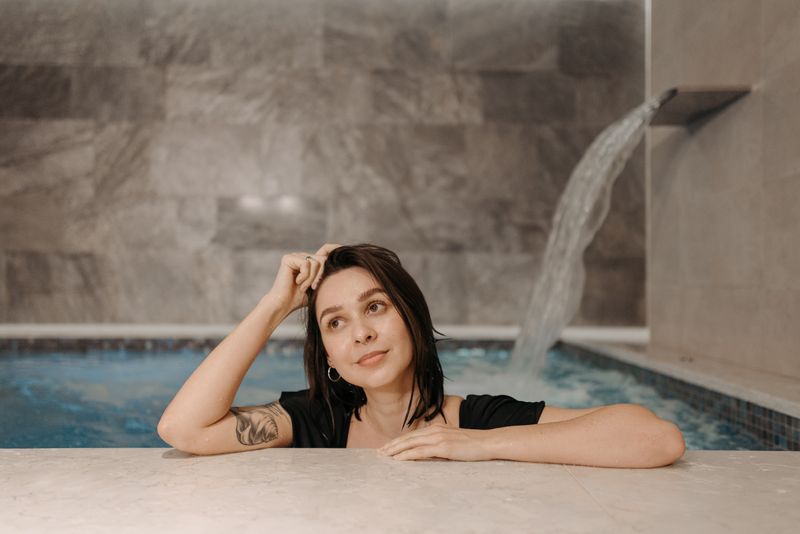
The Brown Fat Science: What's Actually Happening
Brown adipose tissue (BAT) is the mechanism most often cited for cold plunge fat loss — and the science here is legitimately interesting.
Unlike white adipose tissue (WAT), which stores energy, BAT is metabolically active and burns calories to generate heat through a process called non-shivering thermogenesis. BAT gets its name from its high density of mitochondria, which are rich in iron and appear brown under microscopy. BAT was long thought to be relevant only in infants and to disappear in adults — we now know that's wrong. Adults retain functional BAT, primarily around the neck, clavicle, and paravertebral regions.
How Cold Exposure Activates BAT
Cold exposure triggers the sympathetic nervous system to release norepinephrine, which binds to beta-3 adrenergic receptors on BAT cells and activates thermogenesis. Regular cold exposure increases both the volume and activity of BAT over time — a process called cold adaptation or brown fat recruitment.
A 2014 study published in the Journal of Clinical Investigation found that exposure to mild cold (63°F / 17°C) for 2 hours per day over 6 weeks significantly increased BAT activity in adult participants and improved insulin sensitivity. The cold exposure used in this study was much milder than a typical cold plunge — suggesting even moderate sustained cold has metabolic effects.
How Much BAT Can Actually Burn
Highly active BAT in cold-adapted individuals can theoretically burn 200–400 kcal per day. However, most adults start with limited BAT volume, and reaching meaningful thermogenic capacity takes weeks to months of consistent cold exposure. Initial plunges produce minimal BAT-driven calorie burn — you're primarily burning calories through shivering (skeletal muscle thermogenesis), not BAT activity.
Realistic estimates for a typical cold plunge session:
- 10°C / 50°F, 3–5 minutes: 100–200 kcal (mostly shivering)
- 13°C / 55°F, 5–8 minutes: 150–300 kcal (shivering + some BAT)
- Cold-adapted practitioner, full session: 250–400 kcal total including afterglow period
These numbers are meaningful — comparable to 20–30 minutes of moderate walking — but not transformative on their own.
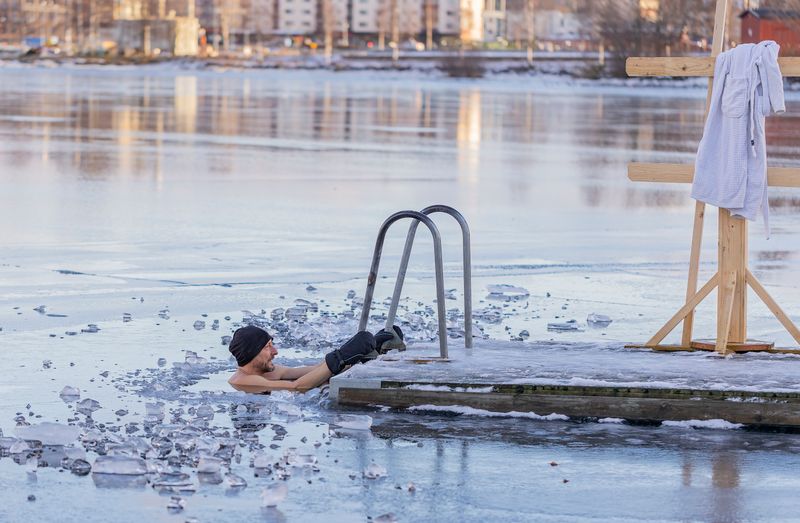
Realistic Expectations: What Cold Plunging Can and Can't Do
| Claim | Evidence Level | Verdict |
|---|---|---|
| Burns calories during session | Strong | True — 100–300+ kcal per plunge |
| Activates brown fat (BAT) | Strong | True — with regular practice over weeks |
| Improves insulin sensitivity | Moderate | Likely true — metabolic markers improve |
| Replaces diet for fat loss | None | False — no evidence supports this |
| Targets belly fat specifically | None | False — spot reduction is a myth |
| Boosts metabolism long-term | Emerging | Possible — cold adaptation may raise resting metabolic rate |
The Optimal Cold Plunge Protocol for Weight Loss
Based on the clinical literature and practical reports from experienced cold-water practitioners:
Temperature
Target 50–59°F (10–15°C). This range provides strong thermogenic stimulus without the safety risk of very cold water. The 55°F / 13°C range is a practical sweet spot for most users. Use a digital thermometer — tub temperature varies more than you'd think.
Duration
Begin at 1–2 minutes and build to 5–8 minutes per session over 4 weeks. Shivering is normal and actually desirable — it indicates active thermogenesis. The Huberman Protocol targets 11 total minutes per week as a minimum effective dose for metabolic benefits.
Frequency
Aim for 3–5 sessions per week. Daily plunging is fine and may accelerate BAT adaptation. There's no strong evidence for benefit beyond once per day.
Timing
Morning cold plunging produces the best results for fat metabolism — cortisol is naturally elevated in the morning, and cold exposure amplifies the cortisol and norepinephrine surge in a way that supports fat mobilisation without being detrimental. Avoid cold plunging immediately before bed (activating for sleep) or immediately after strength training (may blunt hypertrophy — conflicting evidence, worth timing separately).
After the Plunge: Don't Waste the Afterburn
The 10–20 minutes immediately after a cold plunge — when your body is actively rewarming — may be the highest calorie-burning period. Allow yourself to rewarm naturally before jumping in a hot shower. The shivering and goosebumps during this period are your body's thermogenesis in full swing.
Frequently Asked Questions
Sources & Further Reading
Cold Plunge Tubs — Top Picks
Get weekly guides from PlungeHQ
No spam. Unsubscribe anytime.