⚡ Quick Answer
The Plunge Pro ($4,990) is the best cold plunge for CrossFit and HIIT athletes in 2026 — it delivers consistent 50-55°F water, full-body immersion reaching your shoulders, app scheduling for daily sessions, and UV+ozone filtration that handles heavy use. For a budget-friendly entry, the Ice Barrel 400 ($1,199) is a durable, upright option popular in actual CrossFit boxes.
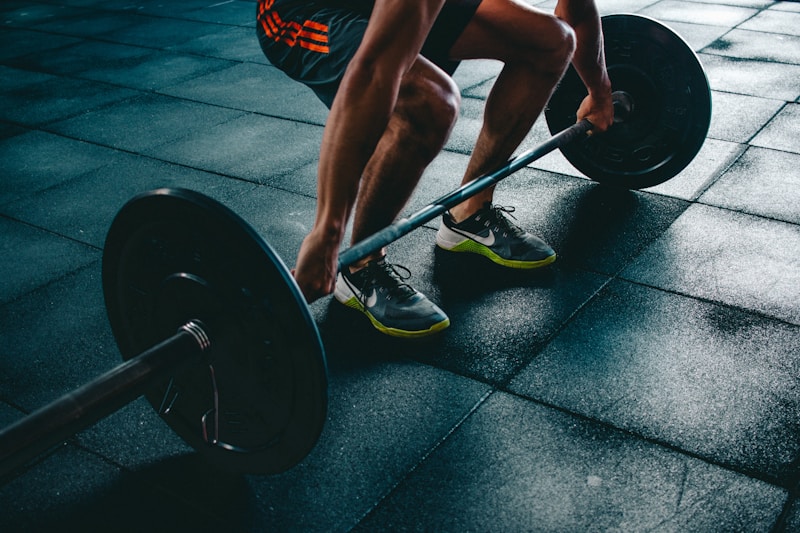
Why CrossFit Athletes Need Cold Plunge Differently
CrossFit and HIIT training are fundamentally different from traditional weightlifting or steady-state cardio. A single WOD can involve Olympic lifts, gymnastics, plyometrics, and high-rep metabolic conditioning — all in under 30 minutes. That means multiple muscle groups are hit hard in every session, often under high eccentric load, producing more delayed onset muscle soreness (DOMS) than almost any other training modality.
When you train 5 to 6 times per week at high intensity, recovery isn't optional — it's the bottleneck. Cold water immersion directly addresses the three biggest recovery challenges CrossFit athletes face:
- Systemic inflammation: The eccentric component in movements like box jumps, burpees, and snatches causes microtears across multiple muscle groups simultaneously. Cold exposure constricts blood vessels and reduces inflammatory signaling.
- Daily fatigue accumulation: Training near your max every session builds a fatigue debt. Post-WOD cold plunging helps reset the nervous system and accelerates clearance of metabolic waste like lactate.
- Mental toughness carryover: Sitting in 50°F water for 3 minutes builds the same grit you need in the last round of Fran or during a grinding 1RM clean. The cold teaches your brain to stay calm under stress — and that transfers directly to performance.
As covered in our Cold Plunge for Athletes guide, regular cold exposure has been shown in multiple studies to reduce perceived soreness and speed return to baseline performance. For CrossFitters who train near their ceiling every session, that difference matters.
The Timing Nuance: When to Plunge
One of the most debated questions in CrossFit recovery is when to cold plunge relative to training. The answer depends entirely on your goal for that session.
If your goal is strength and hypertrophy: Avoid immediate post-WOD plunging. Cold water immersion blunts the inflammatory response that signals muscle protein synthesis — the process that drives adaptation. A 2015 study in the Journal of Physiology showed that immediate post-resistance-training cold exposure reduced long-term muscle growth compared to active recovery. For CrossFitters in a strength or muscle-building phase, wait 4 to 6 hours after your WOD before plunging. This gives your body time to initiate the repair signaling cascade before you dampen it.
If you're competing or training twice per day: Plunge immediately. When you have another WOD scheduled in 4 to 6 hours, acute recovery trumps long-term adaptation. The anti-inflammatory and pain-reducing effects of immediate cold exposure will help you perform better in your second session, even if it slightly compromises hypertrophy from the first one. Competition blocks and two-a-day training schedules are the exception to the "wait" rule.
Morning vs. evening: Many CrossFit athletes prefer morning plunging on rest days for an alertness boost, or evening plunging after a WOD (with the 4-hour gap). Choose whatever fits your schedule consistently — consistency matters more than perfect timing. Our Cold Plunge Before or After Workout guide dives deeper into this decision framework.
What CrossFitters Should Look For
Not every cold plunge is built for high-intensity athletes. Here's what matters most when choosing a tub for CrossFit and HIIT recovery:
- Consistent temperature control (50-55°F): You don't want your water hitting 60°F on a hot day or 45°F if you're already cold-sensitive. A chiller with a thermostat gives you repeatable recovery. The ideal CrossFit recovery zone is 50-55°F — cold enough for anti-inflammatory effects but not so cold that you can't hold position for 3-5 minutes.
- Full-body immersion: CrossFit hits your upper body as hard as your lower. Shoulder-to-handstand push-ups, pull-ups, muscle-ups, and overhead squats all demand recovery. A tub that only submerges your legs misses your back, shoulders, and arms. Look for a unit long enough to sit in chest-deep or recline to neck level.
- Durable for daily use: If you're training 5-6 days a week, your plunge will see equal frequency. Inflatable budget options can develop leaks over time with daily entry and exit. Look for rotomolded plastic, reinforced PVC, or acrylic construction.
- Low-maintenance filtration: When you're plunging daily, you can't be draining and refilling every week. UV or ozone filtration keeps water clean for weeks with minimal effort — a huge quality-of-life factor for the serious athlete.
For a full breakdown of how cold therapy supports recovery at the cellular level, see our Cold Plunge Benefits overview.
Best Cold Plunge for CrossFit: Quick Comparison
| Product | Price | Temp Control | Full-Body Immersion | Daily-Use Durable | Filtration |
|---|---|---|---|---|---|
| Plunge Pro | $4,990 | ✅ Chiller (39-60°F) | ✅ Yes (shoulder depth) | ✅ Yes (rotomolded) | ✅ UV + Ozone |
| Plunge Original | $3,490 | ✅ Chiller (45°F) | ✅ Yes | ✅ Yes | ✅ UV |
| Ice Barrel 400 | $1,199 | ❌ Ice-dependant | ⚠️ Partial (upright) | ✅ Yes (UV-resistant) | ❌ Manual only |
| Cold Pod Inflatable | $169 | ❌ Ice-dependant | ✅ Yes (deep tub) | ⚠️ Moderate (inflatable) | ❌ Manual only |
| Sun Home Pro | $5,990 | ✅ Chiller + Heater | ✅ Yes | ✅ Yes (cedar/commercial) | ✅ UV + Ozone |
1. Plunge Pro — Best for Serious CrossFitters
Plunge Pro
- Consistent temperature control down to 39°F — dial in exactly 50-55°F for recovery
- Full-body immersion with shoulder-depth water for upper body recovery
- App scheduling lets you set daily plunge alerts — perfect for WOD + plunge habit stacking
- UV and ozone filtration system handles daily use without frequent water changes
- Rotomolded construction stands up to years of daily entry, exit, and weather
The Plunge Pro earns the top spot because it addresses everything a CrossFit athlete needs and nothing they don't. The chiller is powerful enough to maintain consistent temperatures even if you're plunging outdoors in summer heat — set it to 52°F and it stays there. The filtration system is genuinely low-maintenance; with UV and ozone working together, you can go weeks between water changes even with daily use.
The interior depth is designed for full submersion. You can sit with water up to your neck, which means your back, shoulders, and arms — all heavily taxed in CrossFit — get the same cold exposure as your legs. The app scheduling feature is a small but significant quality-of-life win: set a reminder for your optimal plunge window (e.g., 4 hours post-WOD) and the Pro keeps your target temperature ready.
At $4,990 it's an investment, but for the athlete training 300+ days per year, the cost per session drops below $17 in the first year alone. If you're serious about CrossFit and equally serious about recovery, this is the tub to buy.
2. Plunge Original — Solid Entry-Level Chiller
Plunge Original
- Integrated chiller cools to 45°F — right in the CrossFit recovery sweet spot
- UV filtration keeps water clean for daily plunging
- Sleek design fits indoors or outdoors
- Plug-and-plunge setup, minimal learning curve
- $1,500 less than the Pro while covering most athlete needs
The Plunge Original is the logical step for CrossFit athletes who want chiller-level convenience without springing for the Pro. It cools to 45°F (slightly colder than the 50-55°F ideal, but still highly effective for recovery) and includes UV sanitation that keeps water clean between sessions. The tub is spacious enough for full-body immersion, and the build quality is identical to the Pro — just without the app controls and ozone filter.
For the athlete training 5 days a week who wants consistent cold without managing ice or draining water, the Original is the smart middle ground. You get the same daily-durable construction and reliable temperature control, just at a more accessible price point.
3. Ice Barrel 400 — Popular in CrossFit Boxes
Ice Barrel 400
- Compact upright footprint — fits in a garage, corner, or backyard
- Durable UV-resistant construction designed for outdoor use
- Already popular in actual CrossFit boxes and gyms
- Ergonomic seated position for comfortable 3-5 minute sessions
- Uses less water than full-length tubs, meaning less ice needed per session
The Ice Barrel 400 has become a fixture in CrossFit boxes and garage gyms for good reason. Its upright design takes up minimal floor space — critical if your home gym is already packed with a rig, barbell, and rower — and its UV-resistant polyethylene construction can live outdoors year-round.
The trade-off is no chiller, meaning you'll manage temperature with ice or natural cold (ideal if you're in a climate with cold winters). The upright design also means partial immersion: your shoulders and upper back won't be fully submerged unless you slouch forward. For athletes who primarily need leg and core recovery after a heavy squat or running WOD, this works well. For full-body CrossFit sessions, the Ice Barrel is a solid entry but the Plunge units offer more complete coverage.
4. Cold Pod Inflatable — Budget Tester
Cold Pod Inflatable
- Extremely affordable entry into cold plunge for CrossFit recovery
- Surprisingly deep — allows near-full-body immersion
- Portable: set up in the garage, use for a season, drain and store
- Low-risk way to test if cold therapy fits your recovery routine
The Cold Pod is the "try before you commit" option for CrossFitters curious about cold therapy. At $169, it's less than the cost of a pair of lifting shoes, and it provides genuine full-body immersion — the deep tub design lets you submerge your shoulders if you kneel or lean back.
The downside is temperature management: you'll need to add ice for each session (expect 20-40 lbs depending on starting water temp), and the inflatable construction won't hold up to daily use as long as a rotomolded unit. But as a testing tool — pick it up, use it for 2-3 months, decide if cold plunge is for you — it's unbeatable value. If you find yourself reaching for it daily, you'll know it's time to upgrade.
5. Sun Home Cold Plunge Pro — Contrast Therapy Edge
Sun Home Cold Plunge Pro
- Cools to 39°F and heats to 104°F — covers cold recovery AND contrast therapy
- Commercial-grade components built for heavy daily use
- Cedar exterior looks beautiful in a home gym or outdoor setup
- Advanced UV + ozone filtration for minimal maintenance
- Contrast therapy (hot → cold → hot) shown to accelerate blood flow clearance post-WOD
For the CrossFit athlete who wants more than just cold recovery, the Sun Home Cold Plunge Pro is the ultimate tool. Its dual cooling and heating capability means you can run contrast therapy protocols — 5 minutes in 104°F heat followed by 3 minutes in 50°F cold, repeated 2-3 times — which research suggests may accelerate blood flow clearance of metabolic waste more effectively than cold alone.
This is particularly useful during competition prep blocks or after heavy squat/clean days when lower body recovery is the priority. The commercial-grade build and stunning cedar exterior make it a statement piece, but the real value is the versatility: one unit that serves both cold recovery and heat therapy. At $5,990 it's the most expensive pick here, but it replaces both a cold plunge and a hot tub for the athlete who wants contrast therapy.
Cold Plunge for CrossFit: Frequency Guide
How often should you plunge? The answer depends on your training phase and goals. Here's a simple framework:
- Daily plunging (5-6x/week): Best during competition prep, high-volume blocks, or any period where you're managing soreness and need rapid turnaround. Also ideal if you're training twice per day. Skip on rest days if you want — not mandatory.
- Every other day (3-4x/week): Good for general maintenance during normal training cycles. This gives your body some days where the post-WOD inflammatory response runs its course, supporting muscle adaptation while still managing cumulative soreness.
- Skip during strength peaking phases: If you're in a dedicated strength or hypertrophy block (e.g., building to a 1RM back squat or running Smolov), consider reducing or pausing cold plunge. The anti-inflammatory effect can blunt the adaptation signals your body needs for maximal strength gains. Resume cold plunging during your deload week or when transitioning back to metcon-focused training.
- When to pause: If you feel unusually sluggish, have poor sleep quality, or notice your hands/feet staying cold for hours after a plunge, you may be overdoing it. Back off to 3x/week and listen to your body.
For more detail on session timing and optimal protocols, see our Cold Plunge Before or After Workout guide.
Wim Hof + Box Breathing: The Mental Edge
Many top CrossFit athletes combine cold exposure with specific breathing techniques — most commonly the Wim Hof Method and box breathing. The reason is simple: cold exposure is inherently uncomfortable, and learning to control your breath through that discomfort builds the same skills you need during the final minute of a brutal WOD.
Wim Hof Method: The classic 30-40 deep breaths followed by a breath hold. Practicing this before a cold plunge primes your nervous system and can help you hold position longer and more calmly. Over time, the breathing + cold combination has been shown to increase stress resilience and reduce inflammation markers.
Box breathing (4-4-4-4): Inhale 4 seconds, hold 4 seconds, exhale 4 seconds, hold 4 seconds. This is simpler than Wim Hof and extremely effective during a plunge itself. If you find yourself panicking in the first 30 seconds of a cold plunge, switch to box breathing. Count each second — by the time you've done 4 cycles (64 seconds), the initial shock has passed.
The mental toughness built through cold exposure translates directly to performance. The next time you're grinding through thrusters at minute 12 of a 15-minute AMRAP, the voice that says "hold the line" instead of "drop the bar" is the same voice you train when you stay calm in cold water.
✅ Key Takeaways
- The Plunge Pro ($4,990) is the best cold plunge for serious CrossFit athletes, offering consistent temp control, full-body immersion, and daily-use durability.
- Time your plunge correctly: wait 4-6 hours post-WOD for strength phases, plunge immediately for same-day competitions.
- Target 50-55°F water for optimal CrossFit recovery — cold enough for anti-inflammatory effects without excessive cortisol response.
- Full-body shoulder immersion matters because CrossFit hits upper and lower body equally.
- Combine breathing techniques (Wim Hof, box breathing) with cold exposure to build mental resilience that transfers directly to WOD performance.
Frequently Asked Questions
Should I cold plunge before or after CrossFit?
Timing matters for CrossFit athletes. Plunging immediately after a workout can blunt muscle protein synthesis, so if your goal is strength and hypertrophy, wait 4 to 6 hours post-WOD. If you are competing twice in one day or need acute recovery for a second session, plunge immediately after — the anti-inflammatory trade-off is worth it for performance readiness.
How cold should the water be for CrossFit recovery?
The sweet spot for CrossFit recovery is 50 to 55 degrees Fahrenheit (10 to 13 degrees Celsius). This range delivers strong anti-inflammatory and pain-relieving effects without the shock response that can spike cortisol unnecessarily. Consistent temperature matters — a chiller-equipped tub is ideal for maintaining this range session after session.
Do I need full-body immersion for CrossFit recovery?
Yes, ideally. CrossFit workouts hit upper body, lower body, and posterior chain all in one session. If only your legs are submerged, your shoulders, back, and arms miss the cold exposure. Look for a tub long enough to fully submerge to the neck and design that allows you to keep your shoulders under water comfortably, targeting all trained muscle groups.
Can I use Wim Hof breathing with my cold plunge for better CrossFit performance?
Yes. Many CrossFit athletes combine Wim Hof method or box breathing with cold exposure to build mental resilience and better manage the discomfort of intense workouts. The breathing techniques help calm the nervous system before a plunge and can reduce the initial shock response. Over time, this translates to better composure under physical strain during WODs.
How often should CrossFit athletes cold plunge?
Most CrossFit athletes benefit from cold plunging 4 to 6 times per week, aligning with their training frequency. Skip or reduce plunging during strength peaking phases when muscle adaptation is the primary goal, as cold exposure can interfere with hypertrophy signals. Daily plunging is best during competition prep or high-volume blocks when you need rapid turnaround between sessions.