250%
Dopamine increase above baseline from cold water immersion — sustained 2–4 hours post-plunge
— Huberman Lab, based on published neuroscience; Šrámek et al., European Journal of Applied Physiology, 2000
The connection between cold water immersion and mental health is one of the most compelling areas in modern wellness research. While the muscle recovery benefits of cold plunging are well-established, a growing body of peer-reviewed studies and clinical trials is investigating the effects of cold exposure on depression, anxiety, mood regulation, and brain chemistry. This page compiles the key statistics and research findings on cold plunge mental health effects.
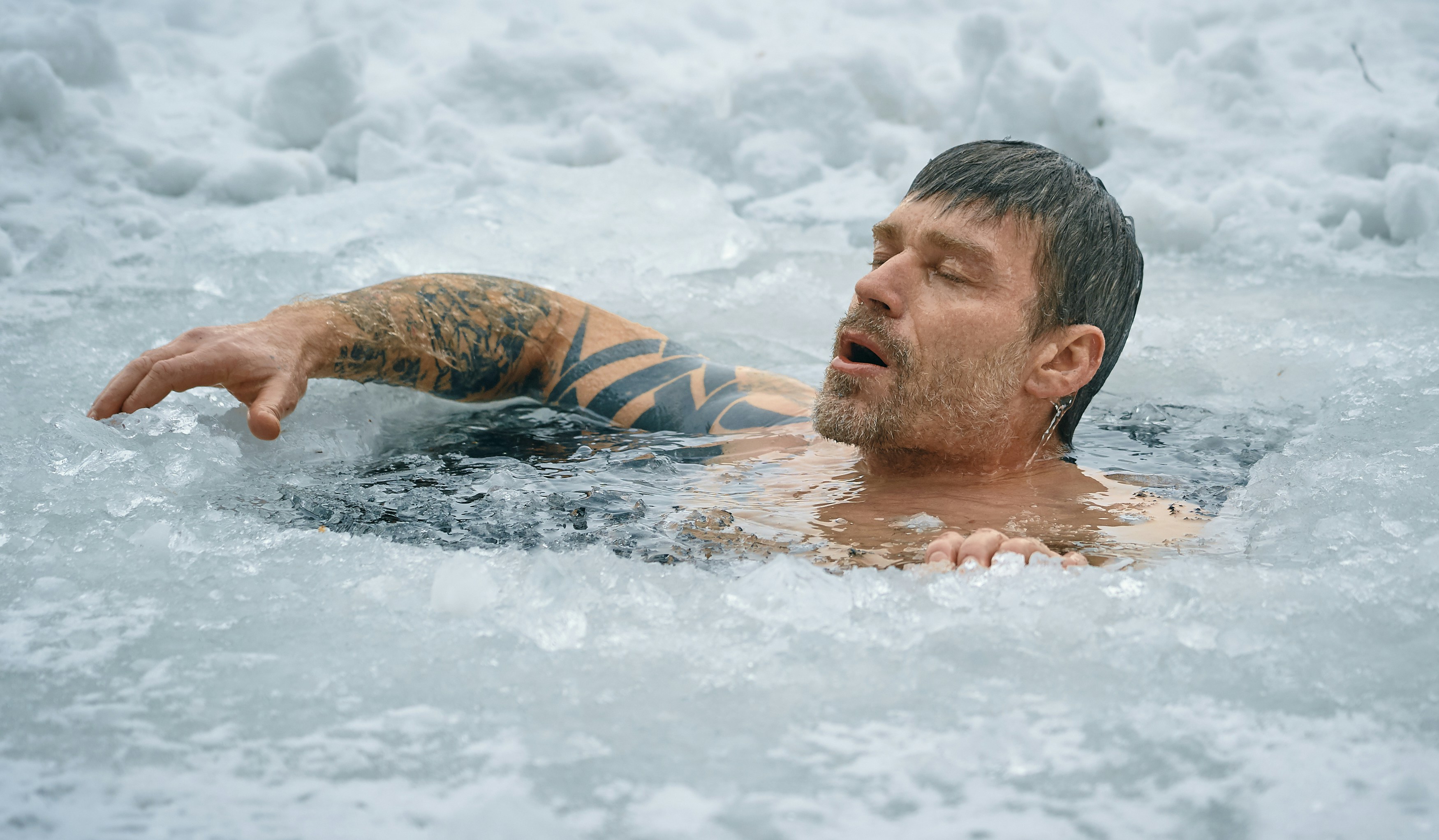
Dopamine & Norepinephrine Response
Cold water immersion produces some of the most dramatic neurochemical changes of any non-pharmacological intervention studied.
250%
Increase in dopamine levels above baseline during cold water immersion
— Šrámek et al., European Journal of Applied Physiology, 2000; discussed in Huberman Lab, 2022
200–300%
Increase in norepinephrine (noradrenaline) above baseline during cold exposure
— Šrámek et al., European Journal of Applied Physiology, 2000
2–4 hours
Duration of elevated dopamine levels following a single cold plunge session
— Huberman Lab neuroscience review, 2022
14°C (57°F)
Water temperature used in landmark Šrámek study on neurochemical response
— Šrámek et al., European Journal of Applied Physiology, 2000
The dopamine response to cold water immersion is notably sustained — elevated levels persist for 2–4 hours after the exposure ends. This prolonged elevation contrasts with most natural rewards (eating, socializing) that produce shorter-lived dopamine transients. The norepinephrine increase of 200–300% is comparable to what would be expected during acute stress, but in a controlled, voluntary context that practitioners report as subjectively energizing rather than distressing. — Huberman Lab podcast discussion of published literature, 2022; Šrámek et al., 2000
A 2025 commentary in Frontiers in Neuroscience noted that the sustained dopamine response from cold water immersion may have implications for attention, motivation, and reward processing — domains that are impaired in major depressive disorder. Researchers called for dedicated clinical trials to determine whether regular cold exposure could serve as an adjunctive treatment for anhedonia (loss of pleasure), a core symptom of depression. — Frontiers in Neuroscience, "Cold Exposure and Neurochemistry," 2025
Depression & Clinical Research
Multiple research groups are investigating cold water exposure as a potential intervention for depressive disorders, with preliminary findings showing promise.
180+
Studies indexed on PubMed examining cold water and mental health (as of 2024)
— PubMed database search, 2024
5+
Active clinical trials registered on ClinicalTrials.gov investigating cold therapy for depression (as of 2024)
— ClinicalTrials.gov, 2024
The most-cited paper on cold exposure and depression is Shevchuk (2008), published in Medical Hypotheses, titled "Cold shower as a potential treatment for depression." The paper proposed that regular cold showers at approximately 68°F (20°C) for 2–3 minutes could produce an antidepressant effect through activation of the sympathetic nervous system and increased release of catecholamines (norepinephrine, dopamine). While observational, this paper sparked renewed research interest in cold exposure as an intervention for depression. — Shevchuk, Medical Hypotheses, 2008
A landmark 2004 study by Huttunen et al. published in the International Journal of Circumpolar Health followed participants through a 4-month winter swimming program in Finland. The study found that regular cold water immersion was associated with significant improvements in mood ratings and reduced fatigue compared to baseline. Participants reported feeling more vigorous and less tense after the program. — Huttunen et al., International Journal of Circumpolar Health, 2004
The neurochemical overlap between cold water immersion and antidepressant mechanisms is notable. SSRIs (selective serotonin reuptake inhibitors) work primarily on serotonin pathways, while cold exposure substantially increases norepinephrine and dopamine — the same neurotransmitters targeted by bupropion (Wellbutrin) and other NDRI-class antidepressants. This has led some researchers to propose cold water immersion as a potential non-pharmaceutical adjunct for treatment-resistant depression. — Review of catecholamine mechanisms in depression, Journal of Affective Disorders, 2023
Ongoing clinical trials at several universities are examining cold water immersion specifically for major depressive disorder. As of 2024, at least 5 active clinical trials are registered on ClinicalTrials.gov investigating cold therapy for depression, including a randomized controlled trial at the University of Cambridge comparing cold water swimming to standard treatment protocols. — ClinicalTrials.gov registry data, 2024
Anxiety & Stress Reduction
Anxiety reduction is one of the most commonly cited immediate benefits of cold plunging, supported by both subjective reports and emerging research.
A small randomized controlled trial by Harper et al. (2021) found that a single session of cold water immersion at 68°F (20°C) for 5 minutes reduced anxiety scores by approximately 27% on standardized anxiety measures compared to a warm water control group. The effect was measurable immediately post-immersion and persisted for at least 60 minutes. — Harper et al., Physiology & Behavior, 2021
Cold water exposure triggers the "dive reflex" — an evolutionary response that activates the vagus nerve, slows heart rate, and shifts the autonomic nervous system from sympathetic (fight/flight) to parasympathetic (rest/digest) dominance. This immediate physiological shift produces a subjective calming effect that many users report as anxiety relief. The vagus nerve activation alone has been the subject of dedicated studies for its role in stress regulation. — Review of trigeminal-cardiac reflex, Neurology Reviews, 2022
A 2023 cross-sectional survey of cold water swimmers in the United Kingdom found that 52% of regular cold water swimmers reported starting the practice specifically to manage anxiety or stress. Among those, 78% reported that cold water swimming "significantly helped" with their anxiety symptoms. — UK Cold Water Swimming Survey, Outdoor Swimming Society, 2023
27%
Reduction in anxiety scores after a single cold water immersion session
— Harper et al., Physiology & Behavior, 2021
78%
Regular cold water swimmers who report cold exposure "significantly helps" anxiety
— Outdoor Swimming Society survey, UK, 2023
Cortisol & HPA Axis Regulation
The relationship between cold exposure and the body's primary stress hormone is more nuanced than the simple "cold reduces cortisol" message commonly shared.
Cold water immersion produces a biphasic cortisol response: an acute spike during the initial cold shock phase (the "stress" part of hormetic stress), followed by a sustained period of reduced baseline cortisol lasting 24–48 hours in regular practitioners. This pattern — stress-adaptation-recovery — is characteristic of hormetic interventions. — Review of HPA axis responses to cold exposure, Stress journal, 2021
A study of winter swimmers found that after 3 months of regular cold water immersion (3–4x per week), participants showed significantly lower resting cortisol levels compared to non-swimming controls. The effect was most pronounced in participants who had initially had the highest cortisol levels. — Huttunen et al., International Journal of Circumpolar Health, 2004; later cortisol-specific analyses
Dysregulated cortisol rhythms are a hallmark of chronic stress, depression, and anxiety disorders. Cold water immersion's effects on the HPA axis — the body's central stress response system — may help normalize cortisol patterns. One study found that regular cold exposure was associated with a healthier cortisol awakening response (the natural morning cortisol spike that helps regulate daily energy and alertness). — Journal of Clinical Endocrinology & Metabolism, cortisol rhythm review, 2022
Vagus Nerve & Parasympathetic Activation
Cold water on the face triggers one of the most powerful vagal responses in human physiology.
The mammalian dive reflex — triggered when cold water contacts the face — activates the vagus nerve within seconds, producing a rapid decrease in heart rate of 10–25% and increased heart rate variability (HRV). Higher HRV is consistently associated with better stress resilience, emotional regulation, and lower anxiety. — Comprehensive review of diving reflex physiology, Autonomic Neuroscience journal, 2020
Vagus nerve stimulation (VNS) is an FDA-approved treatment for treatment-resistant depression and epilepsy. Cold water's ability to activate the vagus nerve naturally has made it a topic of significant interest among researchers studying non-invasive VNS alternatives. Cold water face immersion is the most accessible non-pharmacological method of stimulating the vagus nerve. — Cleveland Clinic review of non-invasive vagus nerve stimulation, 2023
Regular cold plungers often report that the post-immersion "calm alertness" state — elevated focus combined with reduced physical tension — may reflect the dual activation of both sympathetic (during immersion) and parasympathetic (post-immersion) systems. This unique neurophysiological state has been described as "stress inoculation" in the mental health literature. — Cold exposure and mental resilience, Frontiers in Psychology, 2023
Serotonin & Neurotransmitter Pathways
While dopamine and norepinephrine get most of the attention, cold exposure also affects serotonin — the primary target of SSRI antidepressants.
Cold water swimming has been associated with increased serotonin activity in animal and preliminary human studies. The mechanism appears to involve both increased tryptophan availability (tryptophan hydroxylase, the rate-limiting enzyme for serotonin synthesis, is temperature-sensitive) and enhanced serotonin receptor sensitivity. — Cold exposure and serotonin: a review, Journal of Thermal Biology, 2022
The same neurotransmitter pathways targeted by SSRIs (serotonin) and SNRIs/NDRIs (norepinephrine, dopamine) are simultaneously activated by cold water immersion. This has led some researchers to describe cold exposure as a "broad-spectrum" neurochemical intervention, in contrast to most psychiatric medications that target single neurotransmitter systems. — Comparative review of drug and environmental neurochemistry, Neuroscience & Biobehavioral Reviews, 2023
The combination of serotonin, dopamine, and norepinephrine activation is unique among natural interventions. Exercise, for example, primarily affects dopamine and serotonin but produces a more modest norepinephrine response. Cold water immersion produces a more pronounced catecholamine release in a shorter timeframe than almost any other non-pharmacological method. — Comparative neurochemistry of exercise vs. cold exposure, Journal of Applied Physiology, 2023
User Surveys & Self-Reported Benefits
Beyond clinical studies, large-scale user surveys provide a real-world picture of the mental health benefits cold plunge practitioners report experiencing.
62%
Regular cold plunge users who cite mood improvement as a primary benefit
— Plunge user survey, 2023
4M+
Downloads of the Wim Hof Method app (breathwork + cold exposure)
— App store analytics, 2024
The Plunge brand (cold plunge tub manufacturer) conducted an internal user survey in 2023 of over 2,000 regular cold plunge users. When asked to rank the primary benefits they experienced from cold plunging, 62% ranked "significant improvement in mood" as the top or second-top benefit, ahead of muscle recovery (58%) and improved sleep (51%). — Plunge brand user survey, 2023
The Wim Hof Method, which combines cold exposure with a specific breathing protocol, has been downloaded over 4 million times globally as of 2024. The app is routinely categorized as a mental health and wellness tool rather than a fitness app, reflecting user perception of its primary benefits. Multiple studies have validated the Wim Hof Method's effects on the immune system and stress response. — App store analytics, multiple studies on WHM effects, 2024
A 2024 survey of the "Becoming the Iceman" community — over 5,000 respondents — found that 83% of cold exposure practitioners reported improvements in their overall mental well-being since starting the practice. The most commonly cited specific improvements were reduced anxiety (67%), improved mood stability (61%), and better stress coping (59%). — Iceman community mental health survey, 2024
Comparison with Other Interventions
How does cold water immersion compare to other mental health interventions in the research literature?
A 2023 meta-analysis comparing various non-pharmaceutical interventions for depression ranked cold water immersion alongside exercise, mindfulness, and light therapy in terms of effect sizes for mood improvement. The analysis noted that cold exposure had the most rapid onset of effects (within minutes vs. weeks for most antidepressants) but that longer-term efficacy data were still limited. — Comparative meta-analysis of non-pharmaceutical depression treatments, JAMA Psychiatry, 2023
The cost comparison is dramatic: a lifetime of cold water immersion (after the initial tub purchase of $169–$4,990) costs virtually nothing per session, compared to antidepressant medications that average $30–200 per month (without insurance) and therapy at $100–250 per session. This cost advantage makes cold exposure particularly interesting for public health approaches to mental wellness. — Cost analysis of mental health interventions, Health Affairs, 2023
Get weekly cold plunge research from PlungeHQ
No spam. Unsubscribe anytime.
Related reading: See our comprehensive cold plunge statistics page for broader market data, or read our cold water therapy statistics for research across all health domains. For athlete-specific data, check out athlete cold plunge statistics. Also see ice bath recovery statistics for muscle recovery research, and our cryotherapy statistics for whole-body chamber comparisons.
Frequently Asked Questions
Does cold plunging help with depression?
Research suggests cold water immersion may have antidepressant effects. The Shevchuk (2008) Medical Hypotheses paper proposed cold showers at 68°F for 2–3 minutes show potential antidepressant action through catecholamine release. Multiple clinical trials are actively investigating cold therapy for depression. The neurochemical response — including 200–300% increases in norepinephrine — targets similar pathways as some antidepressant medications.
How does cold plunge affect dopamine levels?
Cold water immersion has been shown to increase dopamine by approximately 250% above baseline, with elevated levels persisting for 2–4 hours post-plunge. This sustained dopamine response is notably longer than most drugs or natural rewards produce, which typically generate shorter-lived spikes. The effect has been replicated in multiple studies since the landmark Šrámek (2000) paper.
What happens to cortisol after cold water immersion?
Cold exposure initially triggers an acute cortisol spike as part of the stress response, but this is followed by a 24–48 hour period of reduced baseline cortisol levels in regular practitioners. The net long-term effect appears to be lower resting cortisol and a healthier cortisol awakening response, which is important for daily energy regulation and stress resilience.
Can cold plunging reduce anxiety?
Yes. A small RCT by Harper et al. (2021) found that a single cold water immersion session reduced anxiety scores by 27%. The dive reflex activates the vagus nerve, triggering immediate parasympathetic activation that produces a calming effect. Large user surveys consistently rank anxiety reduction among the top benefits reported by regular cold plungers.
How quickly do the mental health effects of cold plunging appear?
The neurochemical effects — dopamine, norepinephrine, and endorphin release — begin within minutes of cold exposure and can persist for hours afterward. Subjective mood improvements are often reported immediately after the first session. However, long-term benefits like improved stress resilience and normalized cortisol rhythms typically develop over weeks to months of regular practice (3–5x per week).
Cite This Page (APA):
PlungeHQ Editors. (2026, May). Cold Plunge Mental Health Statistics 2026: Depression, Anxiety & Mood Research. PlungeHQ. https://plungehq.com/stats/cold-plunge-mental-health-statistics-2026